 Akshay Dinesh
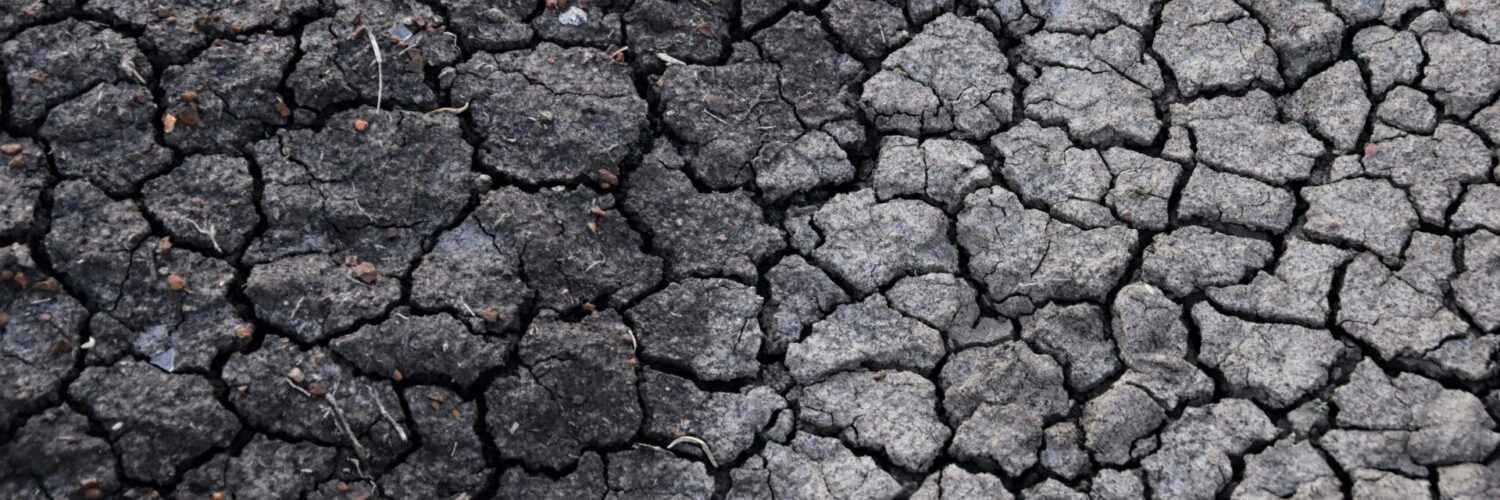
A drought often sounds like something that takes months to build: a long dry season, a shrinking reservoir, a farm field slowly fading from green to brown. Flash droughts are different. They can appear over a matter of weeks, sometimes fast enough that lawns, crops, streams, and pastures show stress before people have fully adjusted their plans.
The name can be misleading because a flash drought is not a sudden thunderstorm in reverse. It is a rapid loss of water from the land. Lower rainfall starts the problem, but the speed usually comes from heat, wind, dry air, and intense sunshine working together. When the atmosphere starts demanding more moisture than the land can comfortably give, soil dries quickly and plants begin to struggle.
What Makes a Drought “Flash”
Flash drought means rapid onset or rapid intensification of drought conditions. Drought.gov, the U.S. drought information portal led by NOAA’s National Integrated Drought Information System, describes flash drought as a fast-developing dry spell driven by changes in precipitation, temperature, wind, and radiation. The key word is not just dry. It is rapid.
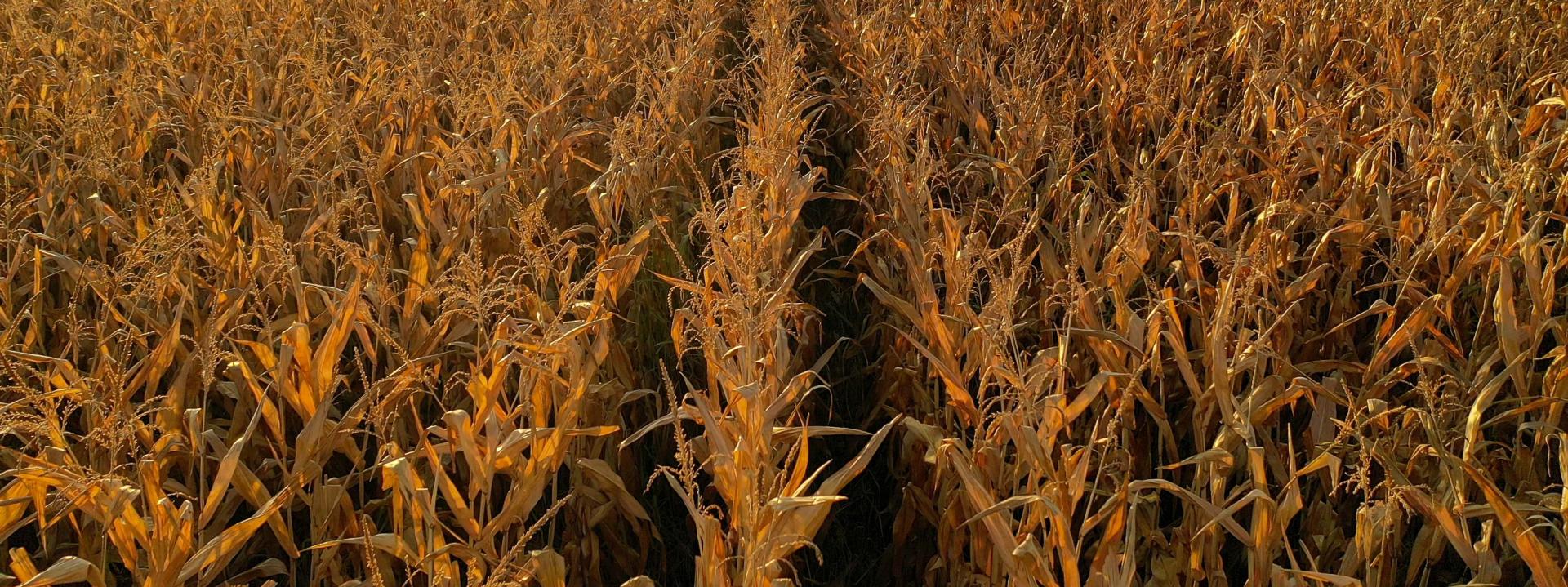
A conventional drought may begin with a season of below-normal rain and deepen slowly as water supplies fall. A flash drought can start when a few weeks of poor rainfall line up with unusually hot, windy, sunny weather. Fields that looked reasonably healthy in late spring can show stress by early summer. Pastures can lose quality. Shallow-rooted plants may wilt even when deeper water supplies have not yet reached crisis levels.
That speed matters because people often make water, farming, gardening, wildfire, and outdoor-work decisions based on recent conditions. If the land changes faster than expected, a community can be caught behind the curve. The same dry spell that would be manageable in cool, cloudy weather can become damaging when the atmosphere is hot and thirsty.
The Moisture Budget Behind the Problem
A helpful way to picture flash drought is to imagine the land keeping a moisture budget. Rain and snowmelt add water. Evaporation from soil, transpiration from plants, runoff, and drainage remove it. When water leaves faster than it arrives, the budget falls into deficit.
The process that links soil, plants, and air is called evapotranspiration. Evaporation moves water directly from soil and open surfaces into the air. Transpiration moves water through plants as they draw moisture from the ground and release water vapor through tiny openings in their leaves. Together, these processes are part of normal plant life, but they can accelerate sharply during hot, windy, dry weather.
Scientists also talk about evaporative demand, which is the atmosphere’s pull for water. A cool, humid, cloudy day has a lower demand. A hot, sunny, windy day has a higher one. During flash drought, that demand can rise at the same time precipitation drops. The land is not simply missing new water; it is also losing stored water faster.
This is why flash droughts often show up first in soil moisture and vegetation stress. A field does not need a completely empty reservoir nearby to suffer. If the root zone dries quickly, plants have less water available at the exact moment heat is forcing them to use more. Leaves may curl, growth may slow, and crop yields can be affected if the dry spell hits during a sensitive stage of development.
Why Heat and Wind Can Speed Everything Up
Heat is the most obvious accelerant. Warm air can hold more water vapor than cooler air, so hot weather can pull more moisture from soil and plants. When several hot days arrive without enough rain, the drying effect compounds. A plant that can handle one hot afternoon may struggle after a week of high demand.
Wind adds another push. Moist air near the ground or around leaves can briefly slow water loss, but wind sweeps that moisture away and replaces it with drier air. The plant keeps releasing water, the soil keeps drying, and the surface can lose moisture faster than people expect. Low humidity has a similar effect because dry air can accept more water vapor.
Sunshine matters too. Strong solar radiation warms the ground and fuels evaporation. In some flash drought patterns, a stretch of clear skies, little rain, and drying winds can shift the land from “watch this” to “act now” in a short time. The change may not look dramatic at first, especially from a car window, but plants and soils register it early.
That is one reason flash drought is especially important in agriculture. Farmers and ranchers make decisions about planting, irrigation, grazing, hay, livestock feed, and fire risk on tight timelines. When soil moisture falls rapidly, there may be little time to wait for the next routine planning cycle. A fast change in the weather can become a fast change in costs.
How Scientists Monitor a Fast-Moving Drought
No single number captures drought perfectly. The U.S. Drought Monitor, produced through a partnership that includes the National Drought Mitigation Center, USDA, NOAA, and NASA, combines many sources of evidence into weekly drought categories. Those categories range from abnormally dry conditions to exceptional drought, but flash drought can develop between updates or intensify quickly across several weeks.
Because flash drought depends on rapid change, scientists pay close attention to early signals. Soil moisture is one of the most important. If the water available to plant roots drops quickly, vegetation stress may follow even before deeper groundwater or reservoir levels show the same pattern. Satellite observations, weather station data, streamflow reports, crop and pasture observations, and local impact reports can all help build the picture.
NOAA researchers have also studied tools that focus on evaporative demand, including the Evaporative Demand Drought Index. The basic idea is simple even when the math is complex: if the atmosphere suddenly becomes much more demanding, the land may be headed toward rapid drying. That kind of early warning can be valuable because waiting for visible damage may mean waiting too long.
Forecasting flash drought remains difficult. Weather patterns can change, thunderstorms can miss one county and soak the next, and different soils hold water differently. Sandy soil may dry faster than heavier clay. A deep-rooted prairie may respond differently from a shallow-rooted crop. Still, tracking soil moisture, heat, wind, humidity, and rainfall together gives communities a better chance of noticing when ordinary dryness is becoming something sharper.
Why the Impacts Can Feel Sudden
Flash drought often feels sudden because people notice the effects after the hidden part is already underway. Soil moisture can drop before leaves turn brown. Pasture quality can decline before a field looks dead. A small stream can run low after the surrounding ground has already lost enough moisture to change runoff. By the time the signs are obvious, the land may have been under stress for days or weeks.
The impacts are not limited to farms. Dry vegetation can raise wildfire concerns, especially when wind is part of the pattern. Water managers may watch reservoir inflows, streamflow, and local demand more closely. Home gardeners may find that normal watering habits no longer keep up. Parks, golf courses, school athletic fields, and natural areas can all show stress when fast drying arrives during the growing season.
There is also a human timing problem. Slow drought gives people more time to notice, communicate, and adjust. Flash drought compresses those steps. A farmer may need to decide whether to irrigate sooner than planned. A rancher may need to adjust grazing before pasture damage worsens. A town may need to explain water conservation earlier than residents expected. The physical drying is only part of the challenge; the short decision window is the other part.
Flash drought does not always become a long drought. Rain can return and ease the stress. But when rapid drying is followed by continued heat or missed rainfall, the flash phase can become the opening act of a more persistent drought. That is why early attention matters even if the first signs seem modest.
What to Watch When Conditions Turn Dry
For everyday readers, the most useful lesson is that drought is not only about how long it has been since rain fell. It is also about how quickly water is leaving the land. A warm, breezy, sunny stretch after a dry spell deserves more attention than a cool cloudy one, especially during the growing season.
Several clues can help people understand when conditions are changing quickly. Look for repeated hot days, drying winds, low humidity, little rainfall, wilting plants, dusty soil, browning grass, shrinking small streams, and local drought statements from weather or agricultural agencies. The U.S. Drought Monitor can show the broader pattern, while local extension offices, weather service updates, and water agencies may explain the local impact.
Flash drought is a reminder that land and atmosphere are constantly exchanging water. Rainfall is the most visible part of that exchange, but it is not the whole story. Heat, wind, sunlight, soil, roots, and plant stress all shape how quickly a place dries. When those forces line up, a landscape can move from comfortable to strained with surprising speed.
Understanding that process makes drought less mysterious. It also makes the warning signs easier to respect. A flash drought is not just a dry week with a dramatic name. It is a fast shift in the water balance that can affect crops, ecosystems, fire danger, and daily choices before the damage is easy to see.