
 Akshay Dinesh
A forecast high of 96 degrees can sound less alarming than a forecast high of 101, but heat alerts are not based on the afternoon number alone. Humidity, overnight temperatures, local climate, the time of year, and the length of the event all shape how dangerous the heat may become. That is why one place may receive a heat advisory for conditions that another hotter region experiences often, while a different city may move quickly into a warning because people, buildings, and local routines are not prepared for that level of heat.
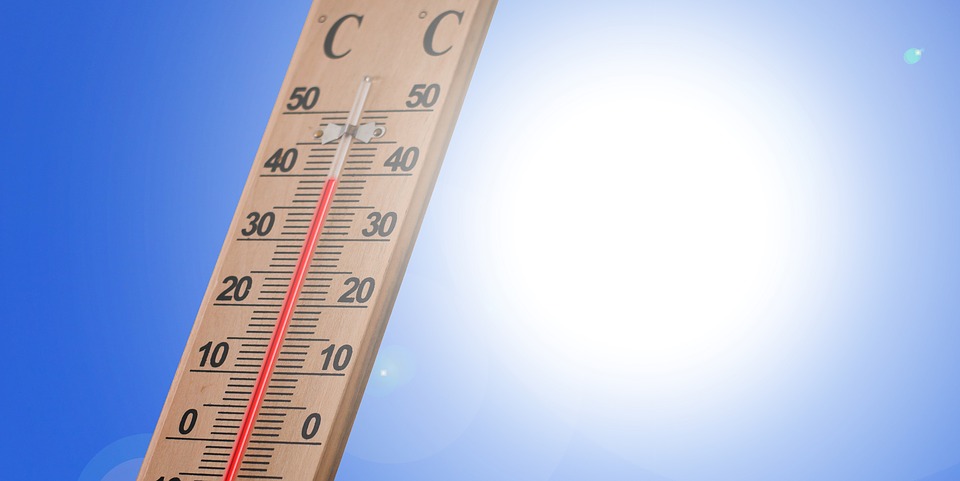
Heat alerts are meant to translate weather data into public risk. A thermometer tells part of the story. A National Weather Service alert tells people that the conditions are serious enough to change plans, protect vulnerable neighbors, and take heat stress seriously before it becomes an emergency.
Why heat alerts are local
The National Weather Service does not treat every hot day in the United States as the same kind of hazard. Local forecast offices issue heat products for their own areas because heat risk depends on what is normal, what people are used to, and how local buildings and communities handle hot weather. A temperature that is routine in Phoenix may be far more disruptive in coastal Maine. A humid 94-degree day in the Southeast can strain the body differently from a dry 104-degree day in the desert.
This local approach matters because heat affects people through more than discomfort. When the body cannot cool itself well, core temperature can rise, heart and lung conditions can worsen, medications can change how sweating and hydration work, and outdoor labor or sports can become dangerous faster than expected. Young children, older adults, pregnant people, people with chronic illnesses, outdoor workers, athletes, and people without reliable cooling are often at higher risk.
Local thresholds also reflect community experience. Early-season heat can be more hazardous because people have not had time to adjust. A hot afternoon after a cool spring may send more people into trouble than the same temperature after weeks of summer weather. Warm nights are another warning sign: if temperatures stay high after sunset, homes without air conditioning may never cool enough for the body to recover.
What a heat advisory means
A heat advisory is already a serious alert. It means dangerous heat conditions are expected or occurring, even if they are not expected to reach the local warning threshold. The word advisory can sound mild, but in weather language it often means the hazard is real enough that ordinary routines should change.
During a heat advisory, the safest choice is often to move strenuous activity away from the hottest part of the day. Outdoor practices, yard work, long walks, and errands with children or older relatives may need a different schedule. People who have to be outside should build in shade, water, and rest before symptoms begin, not after they feel unwell. Indoors, fans may help with comfort, but they cannot always prevent overheating when indoor air is very hot and humid.
The National Weather Service describes a heat advisory as dangerous heat that does not meet warning criteria. That difference is important. An advisory does not mean the heat is harmless; it means the expected risk is below the level reserved for the most extreme local events. If a forecast calls for several days of advisory-level heat, the cumulative strain can still be significant, especially for people without overnight cooling.
What an extreme heat warning means
An extreme heat warning is a stronger signal. It means extremely dangerous heat conditions are expected or already happening. When a warning is issued, the recommended response is not simply to be aware; it is to take action. Major outdoor activities may need to be canceled or moved. People without air conditioning may need a cooling center, library, community building, or another cooler place, including overnight if indoor temperatures remain high.
The word extreme also reminds readers that the warning is not only about personal toughness. Heat illness can develop in people who are healthy, active, and used to being outdoors if the body cannot shed heat fast enough. Humidity slows sweat evaporation. Direct sun can add stress beyond the shaded heat index. Hot pavement, vehicles, uniforms, sports equipment, and heavy work clothing can all raise the actual heat load on the body.
Warnings are especially important because heat emergencies often build quietly. A storm may announce itself with thunder, wind, and dark clouds. Heat can look like an ordinary sunny day until someone becomes confused, stops sweating normally, collapses, or cannot cool down. By the time heat stroke is suspected, it is a medical emergency. That is why warnings focus on prevention: cooling plans, schedule changes, check-ins, and avoiding needless exposure.
How heat index and HeatRisk add context
The heat index is one of the most familiar tools behind heat alerts. It combines air temperature and relative humidity to estimate how hot conditions feel to the human body in shade with light wind. Humidity matters because sweating cools the body when sweat evaporates. When the air is already loaded with moisture, evaporation slows, and the same air temperature becomes more stressful.
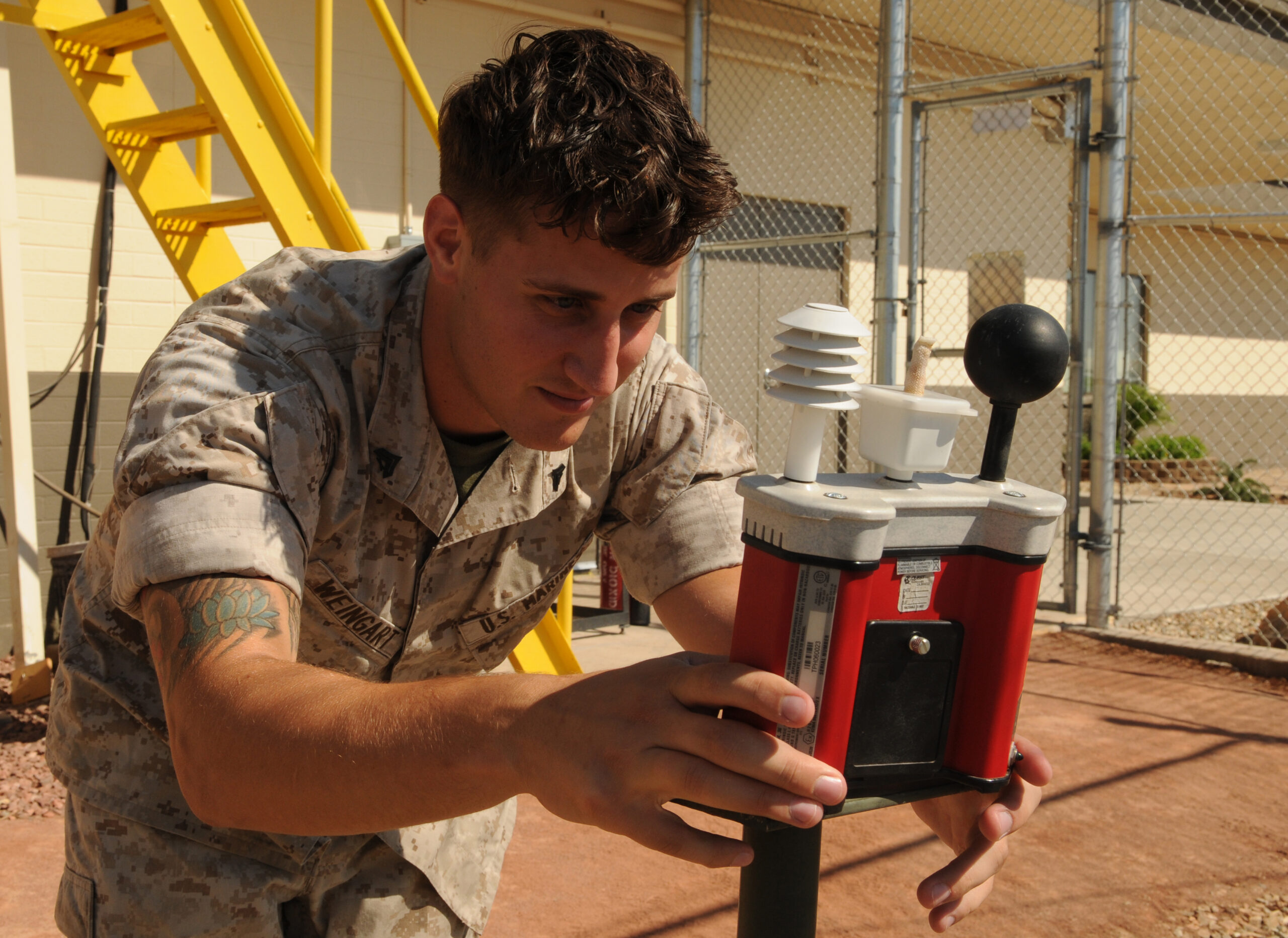
The heat index has limits. It was designed for shaded conditions, and the National Weather Service notes that full sunshine can make the experienced heat feel much higher. It also does not fully describe strenuous activity, heavy clothing, wind, direct radiant heat from pavement, or the effect of hot nights. That is why outdoor workers, athletes, and schools may also pay attention to wet bulb globe temperature, which uses temperature, humidity, wind, sunlight, and other factors to estimate heat stress for active people.
HeatRisk adds a different kind of context. The National Weather Service describes HeatRisk as a color and number forecast from 0 to 4 that estimates the level of heat-related impact for a specific location over the next seven days. It is supplementary, not a replacement for official watches, warnings, and advisories. Its value is that it considers how unusual the heat is for the place and time of year, how long it lasts, whether nights cool down, and whether temperatures reach levels associated with elevated health risk.
A HeatRisk level of 1 may mostly matter for people who are unusually sensitive to heat. Level 2 can affect heat-sensitive groups and some systems. Level 3 signals major impacts for anyone without cooling or hydration. Level 4 points to rare or long-duration extreme heat with little overnight relief and stress on health systems, industry, and infrastructure. For families, schools, camps, and workplaces, that scale can help turn a forecast into a plan several days before the worst afternoon arrives.
Why the same temperature can carry different risk
Heat risk changes with location because people and places adapt differently. In desert cities, homes, vehicles, schedules, and public expectations are often built around very hot afternoons, though danger still rises sharply during extreme events. In cooler regions, fewer homes may have air conditioning, and people may be less prepared for a sudden hot spell. A high temperature that looks modest on a national map can be disruptive if it is unusual locally.
Urban design also changes the experience of heat. Asphalt, concrete, brick, and dark roofs absorb sunlight and release heat later, keeping neighborhoods warmer into the evening. Shady streets, trees, parks, reflective roofs, and access to cooled public spaces can lower risk. The difference between two neighborhoods in the same city can be large enough that a broad forecast misses what a person actually feels walking home, waiting for a bus, or sleeping in an upstairs apartment.

Timing matters too. A single hot afternoon is not the same as four days of high humidity and warm nights. The longer the heat lasts, the more it wears down people who are sleeping poorly, working outdoors, caring for children, or trying to keep a home cool without much margin. That cumulative stress is one reason forecasters pay attention to duration, not just the daily high.
How to read a heat alert before changing plans
The most useful question is not simply, How hot will it be? A better question is, What kind of heat risk is expected here, for the people and activities involved? A heat advisory may be enough to change a youth sports schedule, delay yard work, or check whether an older neighbor has cooling. An extreme heat warning should push decisions further: cancel unnecessary outdoor exertion, identify cooler indoor spaces, and make sure people at higher risk are not left to manage the heat alone.
Look closely at the timing in the alert. Some warnings cover only the peak afternoon and early evening. Others last for several days. If the forecast includes hot nights, the risk may continue after sunset, especially indoors. Pay attention to humidity, local HeatRisk levels, and whether the alert mentions vulnerable groups, outdoor workers, schools, transportation, or power demand.
Heat alerts are not meant to create panic. They are meant to make risk visible while there is still time to act. A well-read alert turns vague summer discomfort into practical decisions: shift the schedule, cool the space, reduce exertion, check on people who may be isolated, and treat symptoms early. The difference between an advisory and a warning is a difference in expected severity, but both are signals that heat has moved from background weather into something worth planning around.






Add comment