

 Akshay Dinesh
A glass of tap water can look perfectly clear while still carrying a complicated chemical history. Some contaminants come from nature, some from old pipes, some from nearby land use, and some from products that were designed to be tough enough to resist heat, oil, stains, and water. PFAS belong to that last group. They are useful chemicals in many industrial and consumer settings, but their durability creates a problem once they escape into soil, streams, groundwater, or drinking water supplies.
PFAS is short for per- and polyfluoroalkyl substances, a large family of human-made chemicals that includes compounds such as PFOA and PFOS. They are often called forever chemicals because many of them break down very slowly in the environment. That nickname is not just dramatic language. It points to the main reason PFAS have become a major water-quality concern: the same chemical structure that made them valuable in coatings, foams, and water-resistant materials can also make them persistent and mobile.
Why PFAS Are So Persistent
The unusual staying power of many PFAS comes from their carbon-fluorine bonds. In chemistry, bonds are the connections that hold atoms together inside a molecule. Carbon-fluorine bonds are especially strong, which means ordinary sunlight, heat, water, and microbes do not easily pull them apart. A substance that does not break down quickly can keep moving through the environment long after the product or spill that released it is gone.
That persistence matters because water is an excellent carrier. Rain can wash PFAS from contaminated soil into streams. Groundwater can move them away from industrial sites, airports, landfills, and areas where certain firefighting foams were used. Wastewater systems can also move PFAS because treatment plants were not originally designed to destroy these chemicals. The result is not one single source, but a network of possible pathways.
PFAS are not all identical. The family includes thousands of chemicals with different chain lengths, uses, movement patterns, and health evidence. Some older long-chain PFAS, including PFOA and PFOS, have been phased out of many U.S. uses, but they can remain in the environment. Other replacement chemicals may behave differently, and researchers are still studying how they travel and what risks they carry. That variety is one reason PFAS regulation and testing can feel complicated.
How PFAS Get Into Drinking Water
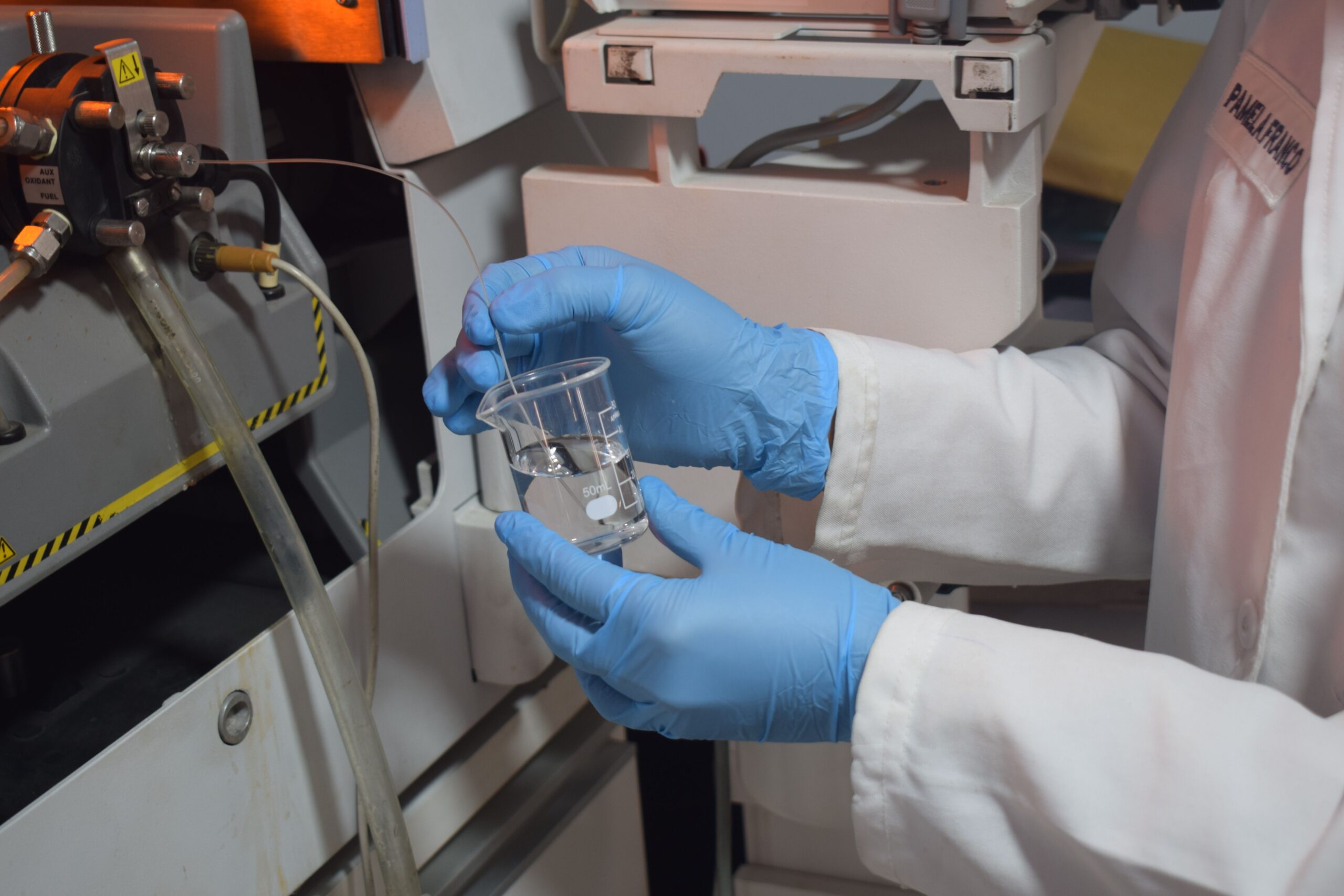
Drinking water can be affected when PFAS enter a river, reservoir, or aquifer used as a water source. Public water systems usually draw from surface water or groundwater, then treat and distribute it. Private wells draw directly from groundwater and are usually the homeowner’s responsibility to test and maintain. In both cases, contamination can appear far from the original source because groundwater and surface water move over time.
Common sources include industrial manufacturing, metal plating, textile treatment, certain stain-resistant or water-repellent products, some food packaging, landfill leachate, wastewater discharge, and aqueous film-forming foam used for fuel fires. Airports, military bases, firefighting training areas, and industrial sites have received special attention because some PFAS-containing foams were used repeatedly in the same places. When chemicals are used again and again on open ground, they can seep downward and spread.
A 2023 U.S. Geological Survey study estimated that at least 45 percent of U.S. tap water could contain one or more PFAS, based on samples from hundreds of public-supply and private-well locations. That does not mean every water source has the same level or the same mixture. It does show why PFAS are not only a local spill story. They are a national water-quality issue shaped by decades of chemical use, waste handling, and environmental movement.
The phrase drinking water can also hide an important difference: detection is not the same as danger at a specific level. Modern laboratory methods can measure tiny amounts of some chemicals, sometimes at parts per trillion. A part per trillion is roughly like one drop in enough water to fill many swimming pools. Small numbers can still matter for chemicals that persist or build up, but the meaning depends on which PFAS is present, how much is present, how long exposure continues, and what health evidence exists for that compound.
Why Regulators Measure PFAS So Carefully
PFAS concern regulators because exposure to certain PFAS has been linked in scientific studies to health effects involving cholesterol, immune response, liver enzymes, some cancers, pregnancy-related outcomes, and child development. The CDC’s Agency for Toxic Substances and Disease Registry describes the evidence carefully because human health research is difficult: people are exposed to mixtures, doses vary, and many health conditions have more than one cause. Still, the overall evidence has been strong enough for drinking water regulators to act.
In April 2024, the U.S. Environmental Protection Agency finalized the first national drinking water limits for several PFAS in public water systems. The rule set enforceable limits of 4.0 parts per trillion for PFOA and PFOS, with additional standards for several other PFAS and a hazard-index approach for certain mixtures. In 2026, EPA also announced proposed actions related to implementation and compliance timing. Those details matter for water utilities, but the larger educational point is simpler: PFAS moved from an emerging concern into the world of enforceable drinking water standards.
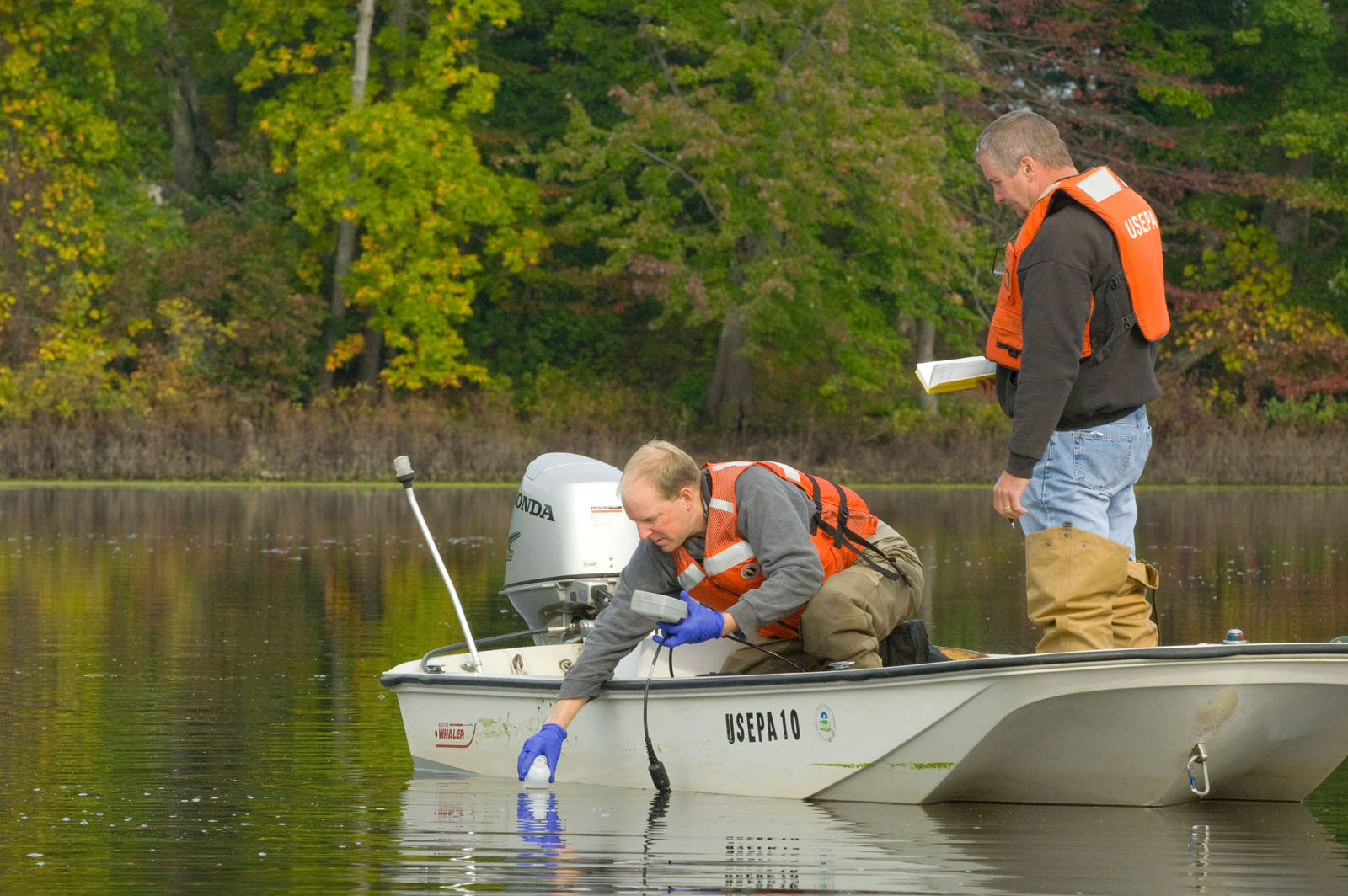
Testing is demanding because laboratories must avoid contamination from the very materials they use. PFAS can appear in some sampling equipment, packaging, clothing treatments, or lab supplies. A careful test is not just a bottle of water sent to a lab; it requires strict methods for collection, handling, detection, and reporting. That is why official monitoring programs use specific analytical methods and quality-control steps.
Public water systems and private wells also sit in different worlds. A public water system may be required to monitor for regulated contaminants and notify customers when standards are exceeded. A private well may not be covered by the same routine testing rules. For families using private wells, local health departments, state environmental agencies, and certified laboratories often become the practical sources of information about testing options and local contamination patterns.
Why PFAS Are Hard to Remove
Many everyday water-treatment ideas are built around familiar contaminants. Boiling can kill many microbes, settling can remove some particles, and basic filtration can catch sediment. PFAS are different. They are dissolved chemicals, not grit floating in the water, and boiling water does not make them disappear. In some situations, boiling can even concentrate dissolved contaminants because water evaporates while the chemicals remain.
Removing PFAS usually requires treatment technologies designed for dissolved chemical contaminants. Granular activated carbon can trap certain PFAS on a porous carbon surface. Ion exchange resins can attract and hold charged PFAS molecules. Reverse osmosis can push water through a membrane that blocks many dissolved substances. Each method has limits, costs, maintenance needs, and waste-disposal questions, especially because captured PFAS still have to go somewhere.
The word remove can also be misleading if it sounds permanent. A filter may reduce PFAS in finished water, but spent carbon, used resin, or concentrated waste from a membrane system may still contain PFAS. A community water system has to think about monitoring, replacement schedules, treatment performance, and disposal. That is why PFAS cleanup often takes years and why preventing releases can be more effective than trying to chase contamination after it spreads.
At the household scale, filter labels can be confusing. Some filters are certified for taste, odor, chlorine, or lead but not PFAS. Others may be tested for reducing particular PFAS under specific conditions. The most reliable interpretation is to look for the exact contaminant claims and the standard behind them, rather than assuming that any water filter handles every contaminant. A clear label is part of the evidence; vague reassurance is not.
How to Read PFAS News Without Getting Lost
PFAS stories can sound frightening because the chemicals are persistent, widespread, and sometimes connected to serious health outcomes. A calm reading starts by separating three questions: What chemical was found? How much was found? Where and how long might people be exposed? A headline that says PFAS were detected is not complete unless it explains the specific compound, the level, the water source, and the standard or health advisory being used for comparison.
It also helps to notice whether a story is about drinking water, fish tissue, food packaging, soil, dust, or blood testing. These are related, but they are not interchangeable. Blood testing can show exposure, yet it usually cannot identify one exact source. A water test can show what is in a well or system at a particular time, but it does not explain every route of exposure. Environmental science often works by building a careful pattern from many kinds of evidence.
Another useful distinction is between regulation and risk. A regulatory limit is a legal standard that tells water systems what they must meet. A health advisory or scientific study may point to concern before a rule exists, or it may apply to a different population or exposure route. When agencies revise standards, propose timelines, or update monitoring requirements, that does not mean the chemistry changed overnight. It means the public-health response is trying to catch up with the evidence, the technology, and the practical work of water treatment.
Good PFAS reporting usually names the agency, the compound, and the measurement. It explains whether the result came from EPA monitoring, a state program, a utility report, a university study, or independent testing. It avoids treating every PFAS compound as identical. Most importantly, it keeps the scale visible: parts per trillion, long-term exposure, local water sources, and specific treatment choices all matter.
Why the PFAS Problem Is Bigger Than One Faucet
Drinking water gets attention because it is personal. People can picture the glass in front of them. But PFAS are also a lesson in how durable products can leave durable environmental problems. A chemical can be helpful in a pan coating, waterproof fabric, industrial process, or firefighting foam, yet become difficult to manage when it enters a river or aquifer. The benefit may be short-lived, while the cleanup problem lasts for decades.
That does not mean every useful chemical should be feared. It means chemical design, manufacturing, product labeling, waste management, and environmental monitoring are connected. When a substance is persistent, mobile, and biologically active, society has to ask harder questions before using it widely. The cost of a product is not only the price paid at the store; it may also include the cost of testing water, treating contamination, and protecting communities that never chose to receive the pollution.
PFAS in drinking water are not simple, but the core idea is clear. These chemicals last because they were built to last. They spread because water moves. They are regulated because scientific evidence has raised serious concern about long-term exposure. Understanding those three points makes the issue easier to follow, whether the next headline is about a new water rule, a local well test, a treatment plant upgrade, or a product being redesigned to avoid persistent chemicals in the first place.






Add comment