

 Akshay Dinesh
Microplastics are easy to overlook because most of them are too small to notice. A floating bottle, a torn plastic bag, or a broken food wrapper is obvious. The tiny fragments that come from them are not. Over time, sunlight, waves, heat, and friction can break larger plastic items into smaller and smaller pieces. Once those pieces are in rivers, lakes, oceans, soil, or drinking-water systems, they become much harder to track and remove.
The concern is not only that plastic looks messy or harms beautiful places. Microplastics can move through ecosystems, enter food webs, and raise difficult questions about human exposure. Scientists have found them in many parts of the environment, including seawater, freshwater, sediment, air, and some foods and drinks. In 2026, the United States Environmental Protection Agency placed microplastics on its drinking-water contaminant candidate list, a sign that researchers and regulators are paying closer attention. That does not mean every question has been answered, but it does mean the topic is no longer a distant environmental issue.
What Microplastics Are
Microplastics are plastic pieces or fibers smaller than 5 millimeters. Some are about the size of a sesame seed, while others are so tiny they cannot be seen without special equipment. They can be fragments from bottles, bags, packaging, ropes, tires, synthetic clothing, paint, or many other plastic-containing materials. Some begin as small particles, such as industrial pellets used to make plastic products. Others form when larger plastic waste breaks apart.
The word microplastic can make the problem sound like one thing, but it is really a broad group of materials. A fiber shed from a polyester shirt is different from a crumb of weathered packaging. A tiny piece of tire wear washed from a road is different from a clear fragment of plastic film. These particles can vary in shape, size, chemical makeup, and behavior in water. That variety is one reason the science is complicated.
Size matters because smaller particles can travel farther and pass through filters or organisms more easily. Shape matters too. A smooth bead, a jagged shard, and a threadlike fiber do not behave the same way in water. Chemical makeup matters because plastics often contain additives that change their color, flexibility, durability, or resistance to heat. Microplastics can also collect other substances on their surfaces as they move through polluted environments.
How They Get Into Water
Microplastics enter water through many ordinary pathways. Litter left on streets or beaches can be carried by rain into storm drains, streams, and rivers. Plastic packaging can break apart in sunlight and rough conditions. Synthetic fabrics can release tiny fibers during washing. Tire particles can wash from roads into waterways after storms. Even when people dispose of plastic properly, waste systems can leak, spill, or fail, especially where infrastructure is weak or overwhelmed.
Rivers are especially important because they connect land to the ocean. A plastic fragment dropped far from the coast can move through gutters, drainage channels, creeks, and rivers before reaching a larger body of water. Along the way, some particles settle into mud or sand, while others remain suspended and keep moving. Floods can stir settled particles back into the water, spreading them again.

Wastewater treatment can remove many particles, but no system is perfect. Treatment plants were not originally designed around microplastics as a main target, and performance can vary by particle size, treatment method, and local conditions. Some captured particles may end up in sludge, which can create another pathway if that material is later applied to land. Drinking-water treatment can also reduce particles, but scientists are still working to standardize how microplastics are measured and compared across places.
Why They Matter for Ecosystems
In aquatic environments, microplastics can be mistaken for food. Small animals may swallow them directly, and larger animals may consume them by eating smaller organisms. This does not mean every particle moves neatly up a food chain, but it does show how easily plastic can become mixed into living systems. For animals, the risk depends on the amount, size, shape, and type of particle, as well as the species involved.
Physical effects are one concern. If an animal fills part of its digestive system with material that provides no nutrition, it may have less room for actual food. Sharp or irregular particles may irritate tissues. Very small particles may behave differently from larger ones, which is why researchers often distinguish microplastics from even smaller nanoplastics. The smaller the particle, the harder it can be to detect and the more complicated its possible movement through organisms becomes.
Chemical effects are another concern. Plastics may contain additives, and particles moving through polluted water can also carry other chemicals or microbes on their surfaces. Scientists are still studying how much this matters in real ecosystems compared with other pollution sources. It would be misleading to say that every microplastic particle is equally dangerous. It would also be careless to ignore the fact that persistent plastic particles are spreading through environments that living things depend on.
What Scientists Know About Human Exposure
People can be exposed to microplastics through water, food, and air. Drinking water has received special attention because it is something everyone needs every day. Research has found microplastics in both tap water and bottled water, although reported amounts can differ widely depending on how samples are collected, what particle sizes are counted, and which methods are used. This is one reason careful studies are so important: the answer can change when the measurement method changes.
Current health evidence should be read with balance. Some laboratory studies suggest possible concerns, especially for very small particles or high exposures. At the same time, major public-health reviews have emphasized that evidence is still limited and that more research is needed before scientists can make firm conclusions about typical everyday exposure. The most honest answer is not panic and not dismissal. It is that microplastics are widespread, human exposure is real, and the health meaning of that exposure is still being studied.
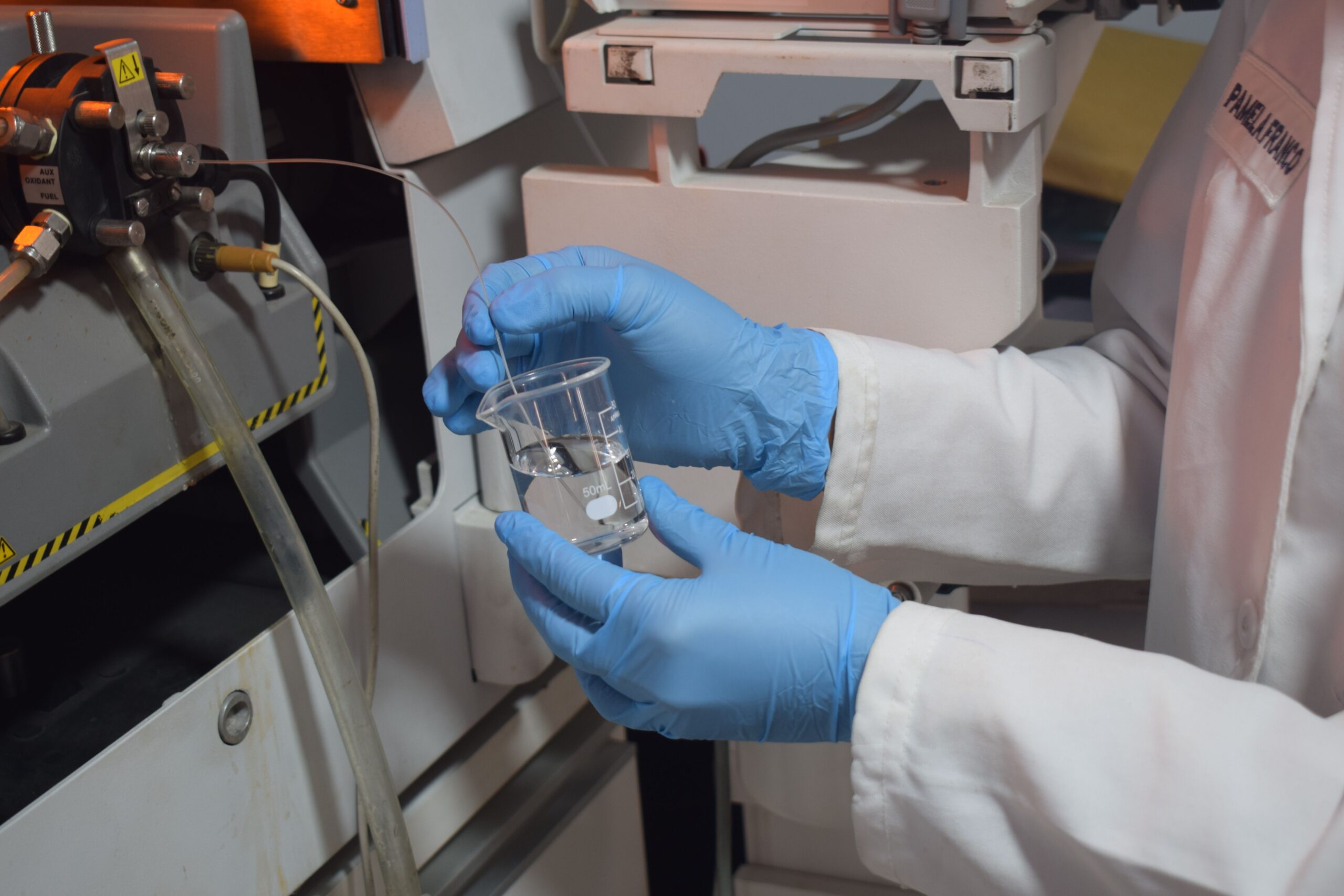
That uncertainty is exactly why monitoring matters. If communities do not measure microplastics consistently, it is difficult to know where levels are highest, which treatment methods work best, or whether conditions are improving. Better data can help scientists compare bottled water, tap water, rivers, lakes, and treated drinking water without relying on guesswork. It can also help people avoid exaggerated claims that sound alarming but are not supported by strong evidence.
What Reduces the Problem
The most effective solutions begin before plastic reaches water. Cleaning up a beach or riverbank helps, but preventing waste is usually more powerful than chasing tiny fragments after they spread. Reducing unnecessary single-use plastics, improving waste collection, designing products that shed fewer particles, and keeping litter out of streets and waterways all matter. Small daily choices help most when they are supported by better systems.
Communities can reduce runoff pathways by improving stormwater management, adding trash capture devices in drains and waterways, and maintaining recycling and waste services. Schools and local groups can organize cleanups, but those efforts work best when paired with lessons about where the waste came from and how it could have been prevented. A cleanup is not only a way to remove trash. It is also a way to make an invisible chain of causes easier to see.
At home, people sometimes ask whether filters can remove microplastics. The answer depends on the filter type, particle size, and how well the filter is maintained. Some filtration methods can reduce many particles, but no single household choice solves the larger environmental problem. It is also important not to replace one problem with another by buying more disposable plastic in the name of avoiding plastic. The stronger approach is to use reliable local water information, maintain any filter properly, and reduce avoidable plastic waste where practical.
A Small Particle With a Big Lesson
Microplastics matter because they show how long-lasting materials can create long-lasting consequences. Plastic is useful because it is light, cheap, flexible, and durable. Those same qualities become a problem when plastic is used briefly, thrown away carelessly, and allowed to break into particles that are difficult to collect. The issue is not that all plastic use must disappear overnight. The issue is that materials designed to last should be handled with more care than disposable habits usually allow.
The best way to understand microplastics is to hold two ideas together. First, the particles are already widespread enough that scientists, communities, and regulators need to take them seriously. Second, careful evidence still matters, especially when people are trying to understand health risks. A calm, informed response can be stronger than fear. It can lead to better research, better water monitoring, smarter product design, cleaner communities, and a clearer sense of responsibility for the small things that do not stay small forever.






Add comment