
 Akshay Dinesh
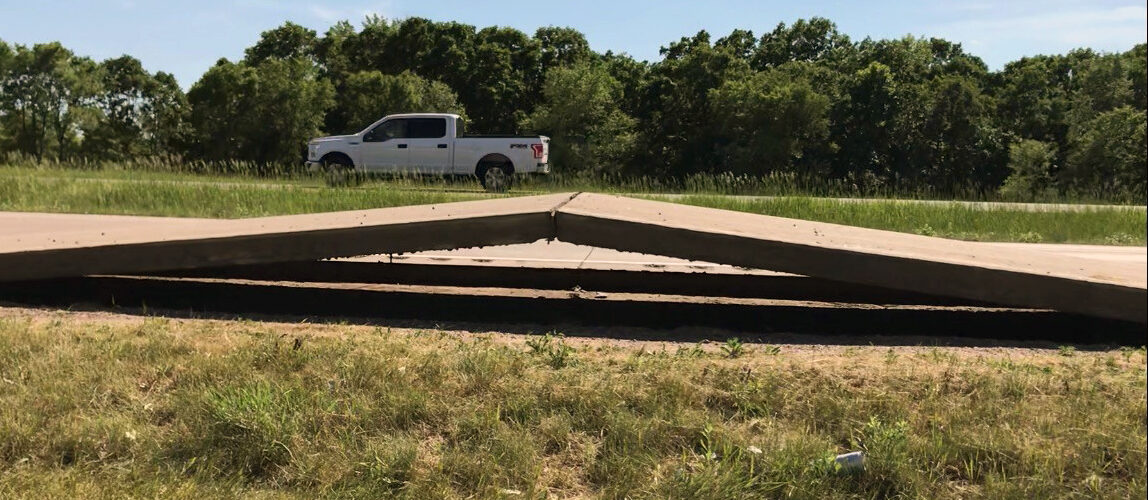
A road can look solid enough to outlast almost anything, then suddenly rise into a sharp ridge on a scorching afternoon. Drivers may call it a buckle, a blow-up, or a heave, but the basic problem is the same: pavement is a material, and materials respond to heat. When a road surface gets hot, it expands. If that expansion has nowhere to go, the pressure can build until the pavement cracks, lifts, or shatters at a weak spot.
That makes road buckling a useful real-world example of thermal expansion. The idea may sound simple in a science classroom, but on a highway it becomes a safety problem, a maintenance challenge, and a reminder that infrastructure is designed around the weather it has to survive. Extreme heat does not just make the air uncomfortable. It changes the forces inside concrete, asphalt, bridges, rails, and other materials that seem motionless only because their movement is usually too small to notice.

Heat Makes Pavement Expand
Most solids expand when they get warmer because their atoms and molecules vibrate more vigorously. They do not usually fly apart, but they do take up a little more space. In a small object, that extra size may be barely measurable. In a long slab of pavement, tiny changes add up across many feet of concrete.
Road builders know this, so concrete pavement is not poured as one endless sheet. It is divided into sections with joints that allow each slab to expand in hot weather and contract in cold weather. Those joints are part of the road’s design, not cracks from failure. They give the pavement a controlled place to move as temperatures rise and fall through the seasons.
Buckling happens when that movement is blocked or the available space is no longer enough. Sand, stones, old sealant, or other incompressible material can fill a joint. Moisture can work into cracks and weaken the area around them. Older pavement may have lost some of the strength or joint condition it once had. When heat pushes the slabs together, the road has to release the pressure somewhere, and the weakest location often gives way first.
Why Buckles Often Happen on Very Hot Afternoons
Air temperature matters, but the pavement surface can become much hotter than the air above it. Dark road surfaces absorb sunlight efficiently, especially when there is little shade and the sky is clear. A road that has been baking for hours may reach its greatest stress late in the day, around the same time the daily high temperature arrives.
The Nebraska Department of Transportation describes pavement blow-ups as most common during very hot afternoons, often when temperatures reach the 90s or higher. The Minnesota Department of Transportation gives a similar explanation: pavement buckles can occur when air temperature shifts from moderate to extreme heat, especially where the road is older or weaker. Both agencies point to the same physics. Heat expands the pavement, and constrained expansion becomes compression.
Warm nights can make the problem worse. Under ordinary conditions, pavement cools and contracts after sunset, relieving some of the stress built up during the day. During a heat wave, nights may stay unusually warm. That means the pavement does not shrink back as much before the next round of daytime heating begins. Stress can accumulate over several days until one joint, crack, or slab edge can no longer hold.
Why Concrete Buckles More Dramatically Than Asphalt
Concrete and asphalt both respond to heat, but they do not fail in exactly the same way. Concrete pavement is strong and rigid. That rigidity is useful because it spreads heavy vehicle loads well, but it also means concrete needs planned joints to handle expansion and contraction. When a concrete slab is squeezed too tightly, it may pop upward or break apart suddenly.
Asphalt, sometimes called blacktop or bituminous pavement, is more flexible. It can soften, rut, shove, or form bumps under heat and traffic, especially in vulnerable spots, but it does not usually create the same sharp concrete blow-up. That is why transportation agencies often describe dramatic buckles as more common on older concrete pavement, while asphalt may show heat damage in other forms.
The difference comes from the materials themselves. Concrete is a hardened mixture of cement paste, sand, gravel, and water. Asphalt pavement uses aggregate held together by a petroleum-based binder that becomes more temperature-sensitive as conditions change. Both are engineered materials, but their stiffness, joint design, moisture behavior, and aging patterns shape how they react under heat stress.
Water, Cracks, and Age Can Turn Heat Into Failure
Heat is the trigger, but it is rarely the only factor. Pavement has a history. It has carried trucks, buses, plows, rainwater, freeze-thaw cycles, repairs, and years of small movements before one dramatic buckle appears. A road that buckles during extreme heat may have been developing weaknesses for a long time.
Cracks and joints are especially important because they concentrate stress. If water enters a crack, it can weaken the base below the pavement or affect the slab edge. If debris packs into a joint, the two slabs cannot move toward each other as easily during expansion. When the next hot afternoon arrives, pressure builds at exactly the place where the pavement is least able to absorb it.
Heavy traffic can add another burden. A stressed slab that is already pushing against its neighbor may also be flexing under repeated wheel loads. That does not mean ordinary driving causes the buckle by itself. It means heat, age, moisture, joint condition, and traffic can combine until the pavement crosses from stressed to broken.
How Engineers Reduce Buckling Risk
Engineers cannot stop pavement from expanding, so they design roads to manage the movement. Proper joint spacing gives concrete slabs room to change size. Joint sealing helps keep water and hard debris out of expansion spaces. Good drainage reduces moisture damage beneath the road. Materials testing helps designers understand how a particular concrete mix or asphalt binder will behave under local temperature conditions.
Maintenance matters because the design only works if the road can still move as intended. Crews inspect pavement, reseal joints, patch cracks, and repair weak spots before they become larger failures. When a buckle does happen, transportation departments often treat it as an urgent traffic hazard. The broken concrete may need to be removed and replaced with a temporary or permanent patch so vehicles can pass safely again.
Extreme heat also pushes agencies to think about resilience. The Federal Highway Administration has noted that higher temperatures can shorten pavement life and increase future repair needs if roads are not adapted to changing conditions. In practice, that can mean choosing materials suited for hotter summers, improving drainage, adjusting maintenance schedules, and paying attention to places where older roads were built for a cooler climate than the one they now experience.
What a Buckled Road Shows About Everyday Physics
A buckled road is not just a strange heat-wave photo. It is physics made visible. The same principle that makes a metal jar lid loosen under warm water, a bridge need expansion joints, or railroad tracks require careful spacing can also lift a heavy slab of concrete when the forces become large enough.
The lesson is not that roads are poorly built. It is that strong materials still need room to move. Concrete can carry enormous loads, but it cannot ignore thermal expansion. Asphalt can flex, but heat still changes its stiffness and shape. The best designs respect those limits instead of pretending they do not exist.
When drivers see a pavement buckle, the safe response is practical: slow down, avoid driving over it if possible, change lanes carefully, and report it to local authorities. For everyone else, the larger takeaway is that the built world is always interacting with the natural world. A road may seem fixed, but on a hot day it is expanding, storing heat, releasing stress, and quietly showing how much science is built into the ground beneath our wheels.





Add comment