
 Akshay Dinesh
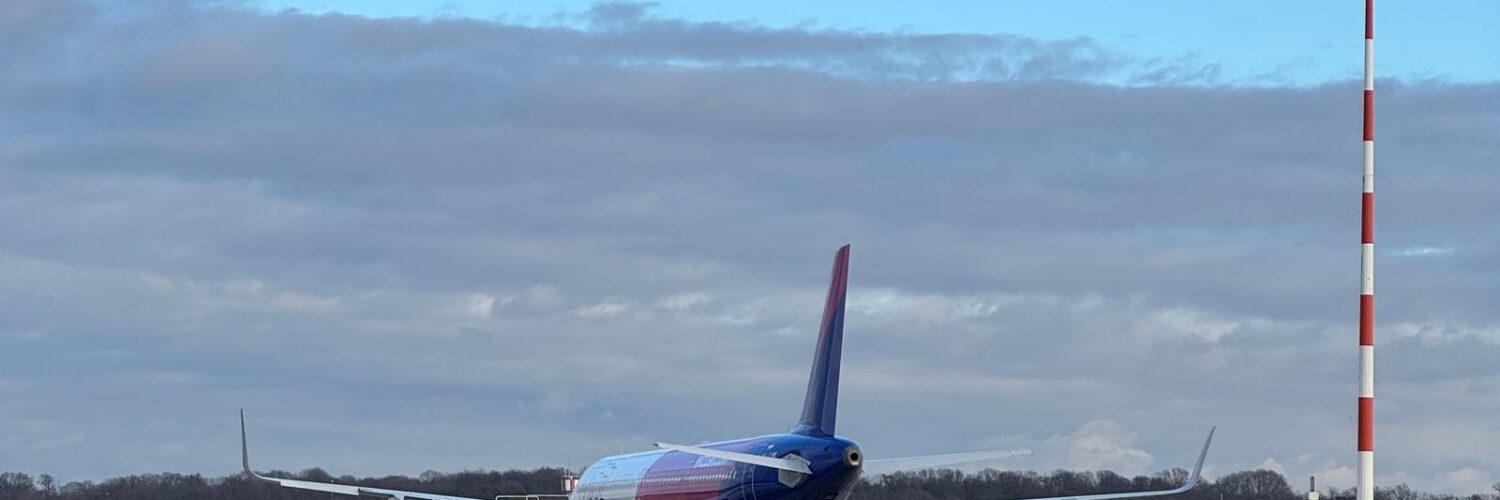
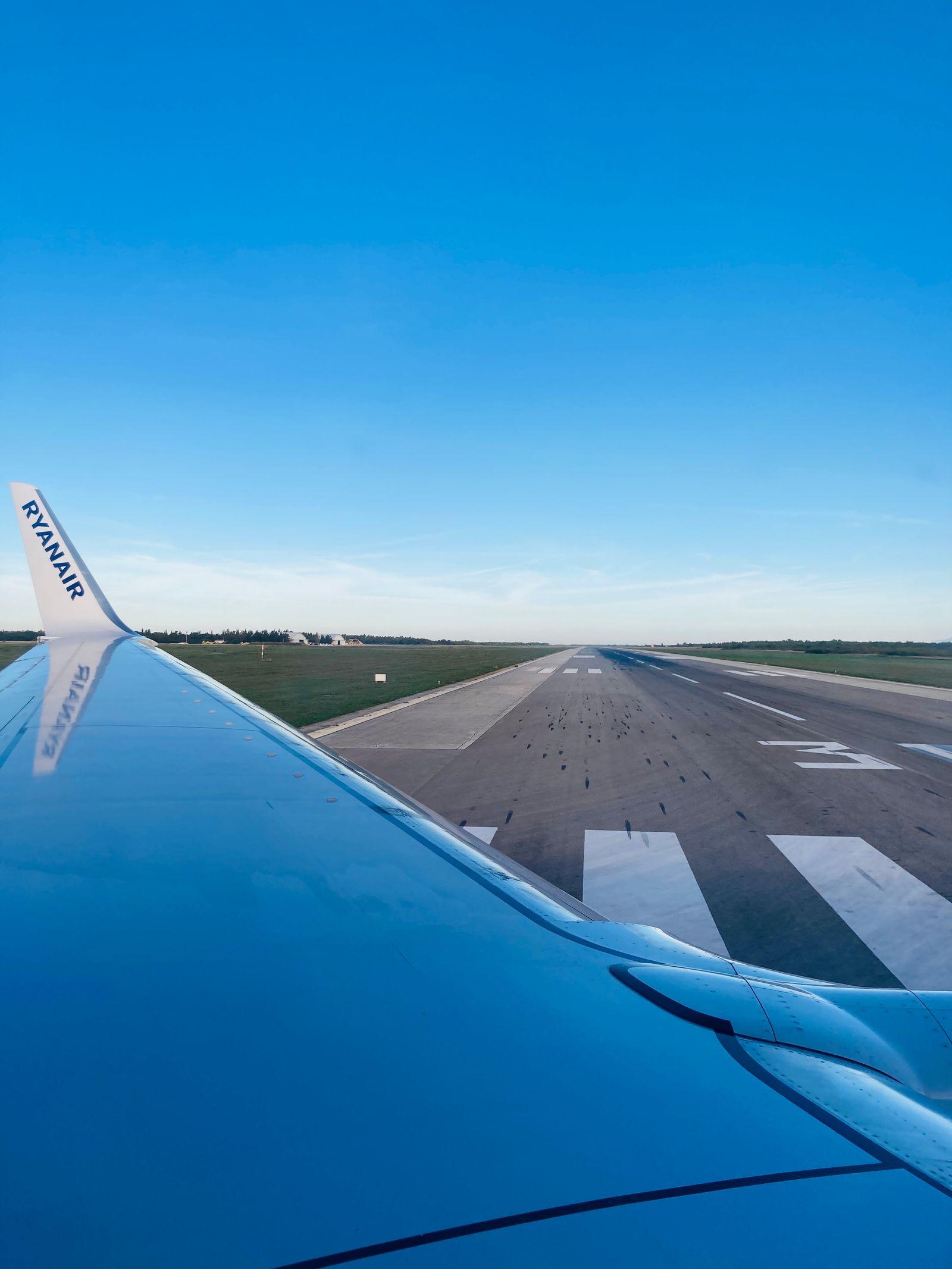
If you sit near the wing on a passenger flight, the airplane seems to change shape just before takeoff and again before landing. Panels slide backward, sections tilt downward, narrow gaps open, and other surfaces may rise after touchdown. Nothing is loose. Those moving parts are part of a carefully designed system that lets one aircraft behave well at very different speeds.
A wing built only for high-speed cruising would not be ideal for leaving the runway or touching down gently. During cruise, an airplane wants a clean, efficient shape that creates enough lift without too much drag. Near the ground, the same airplane needs strong lift at a lower speed, more control over descent, and enough drag to slow down. Flaps, slats, and spoilers help solve that problem by temporarily changing how air moves around the wing.
A Wing Has to Work at More Than One Speed
A wing produces lift by moving through air and shaping the flow around it. The amount of lift depends on several factors, including airspeed, wing area, air density, and the wing’s shape. NASA Glenn Research Center explains that during takeoff and landing an airplane’s velocity is relatively low, so designers use movable surfaces to increase wing area and change the airfoil shape. In plain language, the wing needs help doing the same job while moving more slowly.
That is the basic reason flaps exist. Flaps are usually located along the trailing edge, or back edge, of the wing. When they extend, they change the curvature of the wing and sometimes increase the effective wing area. This allows the wing to create more lift at a lower speed than it could with a clean cruise shape.
There is a tradeoff. Extending flaps also increases drag, which is the force that resists motion through the air. At cruise altitude, extra drag wastes fuel and slows the airplane, so flaps are retracted into the wing. Near the runway, drag is not always a problem. It can help the airplane descend more steeply, slow down, and land in a controlled way.
What Flaps and Slats Actually Change
The most visible moving surfaces are often the trailing-edge flaps. On many airliners, they do not simply hinge downward like a door. They may slide back first, then rotate downward, exposing tracks and mechanical linkages. This kind of motion can increase the wing’s area and curve at the same time. Some aircraft use simpler flaps, while larger airliners often use more complex multi-part designs.
Slats work on the leading edge, or front edge, of the wing. When slats extend forward and downward, they help air stay attached to the wing at higher angles of attack. That matters because a wing can stall if airflow separates too much from its surface. A stall is not an engine failure; it is a loss of smooth airflow over the wing. Slats help delay that separation, giving the aircraft more usable lift at slower speeds.
Flaps and slats are sometimes called high-lift devices because they let the wing produce more lift when speed is limited. They do not cancel gravity, and they do not make the airplane float by magic. They reshape the airflow so the aircraft can keep flying safely at speeds that would be too slow for the clean wing shape used in cruise.
The same idea appears in the familiar lift relationship L = 1/2 rho v^2 S C_L. The symbols are less important than the tradeoff they show. If speed, represented by v, is lower, the airplane needs help from wing area S or the lift coefficient C_L. Flaps and slats improve those parts of the equation by changing the wing’s shape and effective size.
Why Takeoff Uses Less Flap Than Landing
Takeoff and landing both happen near the ground, but they ask different things from the airplane. During takeoff, the aircraft must accelerate, lift off, and climb. It benefits from extra lift, but too much drag would make acceleration and climb worse. That is why many airplanes use a moderate flap setting for takeoff, or sometimes no flaps depending on aircraft type, runway length, weight, and conditions.
NASA’s beginner aerodynamics material puts the difference neatly: takeoff needs high lift with relatively low drag, while landing can use high lift with high drag. The airplane leaving the runway wants help becoming airborne without being slowed too much. The airplane arriving at the runway wants to fly slowly, descend under control, and avoid floating far down the runway before touching down.
Landing flaps are often extended farther because the airplane is no longer trying to climb away at maximum efficiency. Extra drag lets the aircraft approach at a steeper angle without building unwanted speed. Extra lift allows a lower approach speed, which reduces the energy that must be managed during touchdown and rollout. The Federal Aviation Administration’s Airplane Flying Handbook describes landing flaps as a way pilots adjust lift and drag during descent, affecting both the descent angle and the landing spot.
This is why the wing may look busiest during final approach. The aircraft is being configured for slow, stable flight near the runway. The change is deliberate and gradual. Pilots follow aircraft-specific procedures, because each airplane has its own approved flap settings, speed limits, and handling qualities.
Why the Wing Gets Clean Again After Takeoff
After takeoff, the airplane accelerates and climbs. As speed increases, the wing no longer needs as much help from extended flaps and slats. Leaving them out would create unnecessary drag, reduce climb performance, and waste fuel. Once the aircraft reaches the proper speed and altitude for its procedure, the crew retracts the high-lift devices in stages.
Passengers may notice a change in engine sound or a slight shift in pitch as the airplane accelerates and the wing surfaces move. That does not mean the airplane is losing lift in an unsafe way. It means the aircraft is transitioning from a low-speed takeoff shape toward a cleaner climb and cruise shape. The wing is still producing lift, but now speed is doing more of the work.
The clean wing shape is especially important during cruise. Airliners spend most of a flight at high speed and high altitude, where efficiency matters enormously. A smooth wing with retracted flaps produces less drag, which helps the airplane use less fuel and maintain the planned speed. The same movable surfaces that are helpful near the runway would be a penalty if left extended for the rest of the trip.
What Happens After Touchdown
After landing, another set of surfaces may pop up on top of the wing. These are usually spoilers, not flaps. Their job is almost the opposite of a high-lift device. Spoilers disrupt airflow over the wing, reducing lift and adding drag. That helps place more weight on the wheels so the brakes can work effectively.
This part can surprise passengers because it happens quickly after the wheels touch. The panels rise, the engines may produce reverse thrust, and the airplane slows firmly. Spoilers help the aircraft stop being a flying machine and become a rolling machine. As long as the wings are still carrying too much weight, the tires cannot provide their full braking force.
Flaps may remain extended during the early rollout, but the aircraft is no longer relying on them for flight. At that point, the priority is controlled deceleration, steering, braking, and clearing the runway. The exact sequence depends on the aircraft and operating procedure, but the physics is easy to recognize: lift is useful in the air, less useful once the airplane needs to stay firmly on the ground.
The Moving Wing Is a Sign of Careful Design
Flaps are not just extra parts bolted onto a wing. They are a compromise that lets one airplane handle several phases of flight. A passenger jet must take off from a runway, climb, cruise efficiently for hours, descend, land slowly enough for comfort and safety, then stop on pavement. No single fixed wing shape is perfect for all of that.
The moving panels near the wing are an elegant answer to a practical problem. They let the wing become larger and more curved when slow flight demands it, then become cleaner and sleeker when speed and efficiency matter most. Slats help the front of the wing manage airflow at low speeds. Flaps reshape the rear of the wing for lift and drag. Spoilers help remove lift after landing.
The next time those panels slide and tilt outside the window, they are worth watching closely. They show that flight is not just about engines pushing an airplane forward. It is also about shaping air at the right moment. A few moving surfaces can turn the same wing from a runway helper into a cruising shape, then back into a landing tool when the ground comes close again.




Add comment