 Akshay Dinesh
A few hot days can feel unpleasant. A heat dome is different because the weather pattern itself becomes stubborn. Instead of passing through quickly, a broad zone of high pressure settles over a region and keeps the same air mass in place. Day after day, sunlight warms the ground, sinking air discourages clouds and rain, and nights may not cool enough for people, buildings, roads, and soil to recover.
The phrase can sound dramatic, but it describes a real atmospheric setup that forecasters watch closely. The American Meteorological Society defines a heat dome as an exceptionally hot air mass that develops when high pressure aloft keeps warm air below from rising. NOAA and the National Weather Service often explain the same idea through high-pressure ridges, jet-stream patterns, heat alerts, and HeatRisk forecasts. The key point is simple: heat becomes more dangerous when the atmosphere stops moving it along.
The Weather Pattern Behind a Heat Dome
Air pressure is one of the quiet engines of weather. In a low-pressure system, air tends to rise, cool, condense, and sometimes form clouds or storms. In a high-pressure system, air tends to sink. As that sinking air moves downward, it compresses and warms, which helps create clearer skies and calmer conditions.
A heat dome usually forms when a strong high-pressure ridge builds in the middle or upper atmosphere. That ridge acts like a lid, making it harder for warm air near the surface to rise and mix away. With fewer clouds overhead, more solar energy reaches the ground during the day. Pavement, rooftops, dry soil, and rock absorb that energy, then release it slowly after sunset.
The pattern can feed on itself. Clear skies allow stronger daytime heating. Sinking air suppresses cloud development. Dry ground, when present, heats faster because less incoming energy is used to evaporate water. The same region can then begin the next morning already warmer than it was before, making each new day easier to push into dangerous territory.
Why the Jet Stream Matters
The jet stream is a fast river of air high above the ground, generally flowing from west to east. It does not move in a perfectly straight line. It bends north and south in large waves, steering many weather systems along the way. When those waves are active and moving, hot spells may come and go quickly.
Heat domes become more likely when a ridge in the jet stream slows down or gets blocked. Meteorologists often call this kind of setup atmospheric blocking because the usual west-to-east movement is interrupted. A high-pressure ridge can park over one area while cooler or stormier weather is pushed around it. The air underneath the ridge has fewer chances to be replaced by a new air mass.
This is why a heat dome is not just another way to say “hot day.” A single afternoon can be hot because of sunshine, warm winds, or normal seasonal weather. A heat dome is a larger pattern that helps explain persistence. The problem is not only the peak temperature. It is the repetition: hot afternoon, warm night, hotter ground, another hot afternoon.
How Heat Builds Day After Day
Human bodies, homes, roads, and ecosystems all rely on breaks in the heat. A cooler night gives people a chance to recover and lets buildings release some of the warmth stored in walls, roofs, and pavement. During a strong heat dome, nighttime temperatures may stay unusually high, especially in cities. That is one reason warm nights receive so much attention in heat forecasts.
The National Weather Service defines a heat wave as abnormally hot weather lasting more than two days, with or without high humidity. A heat dome can help create that kind of event, but the two terms are not identical. A heat wave describes the experience at the ground. A heat dome describes one atmospheric pattern that can produce or strengthen that experience.

Humidity can make the situation harder. When the air already holds a lot of water vapor, sweat evaporates more slowly, so the body has a harder time cooling itself. That is why heat index values can climb even when the actual air temperature is lower than desert-style extremes. Under a heat dome, humidity may vary by region, but the combination of high pressure, strong sun, and repeated warm nights can still raise risk.
Real Events Show Why the Pattern Matters
The 2021 Pacific Northwest heat dome remains one of the clearest modern examples. Cities such as Portland, Oregon, and Seattle, Washington, reached temperatures far outside their usual summer range. Scientists studying the event pointed to a powerful blocking high, dry soils in some areas, and a larger warming climate background that made the extreme temperatures more likely. The event showed how dangerous heat can be in places where homes, schools, transportation systems, and public habits are not built around extreme summer temperatures.
NOAA’s satellite offices also tracked a major western U.S. heat event in March 2026, when a strong high-pressure ridge helped bring unusually early warmth to parts of the Southwest. That kind of example is useful because it shows that heat domes are not only a late-summer concern. They are most common and most intense when seasonal warmth is already available, but the underlying atmospheric pattern can appear outside the period people usually expect.
Climate change does not mean every heat dome has the same cause. Weather still depends on daily and weekly atmospheric patterns. But a warmer baseline changes what those patterns can produce. When the starting point is hotter, a stalled high-pressure ridge has a better chance of pushing temperatures into record territory. That is why scientists often separate the immediate weather setup from the larger climate context while still studying how the two work together.
How Forecasts Turn the Pattern Into Warnings
Forecasters do not need the phrase “heat dome” to know when heat is becoming serious. They look at pressure patterns, temperature forecasts, humidity, wind, soil moisture, cloud cover, and overnight lows. The National Weather Service issues heat watches, advisories, and warnings when conditions are expected to become hazardous. Its HeatRisk tool adds another layer by showing where heat may have health impacts, especially for people more sensitive to high temperatures.
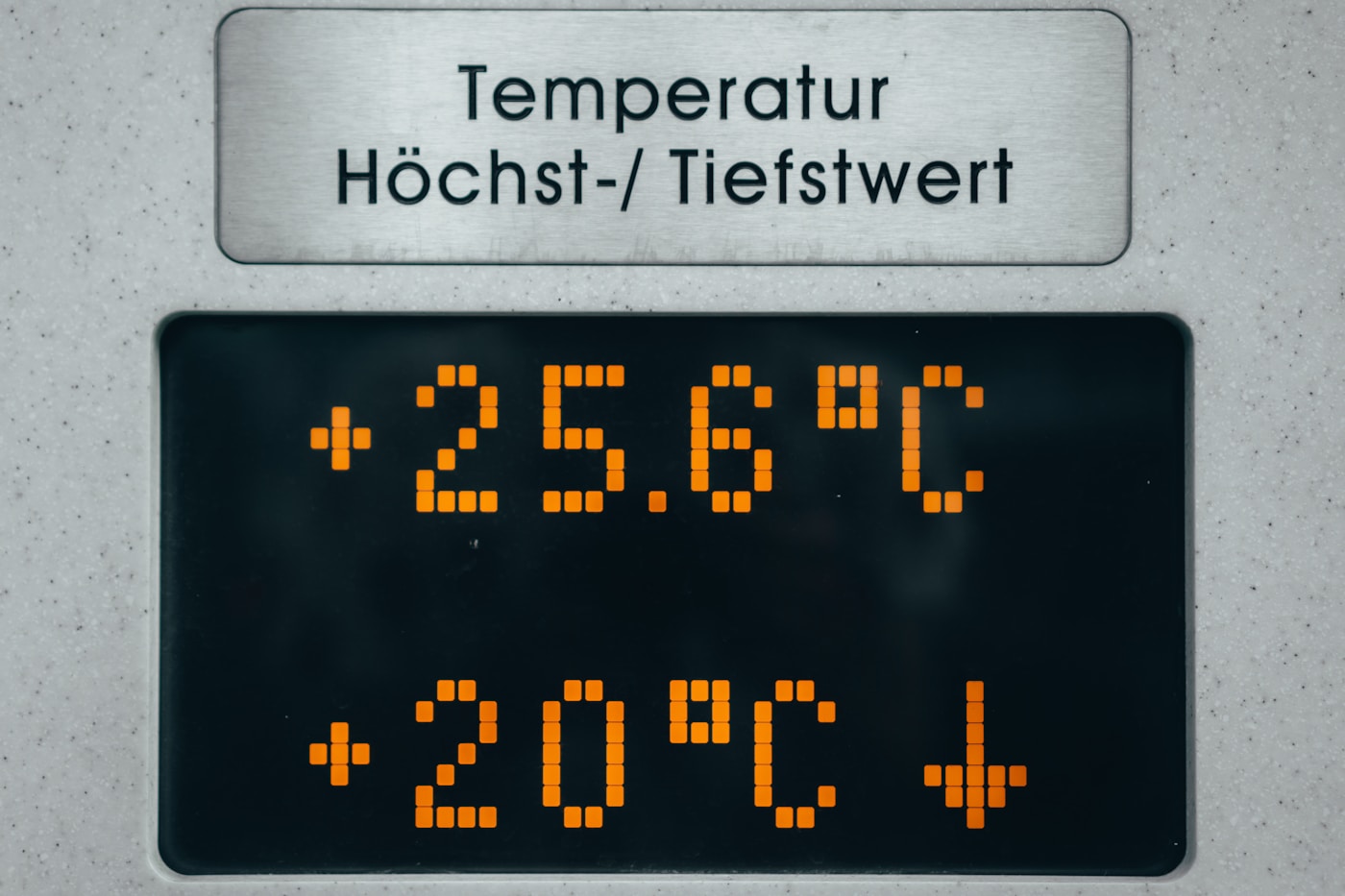
For learners, the most useful habit is to read heat forecasts as patterns, not just numbers. A forecast high of 96 degrees means one thing after a cool night and an approaching cold front. It means something different after four hot days, a warm night, and a high-pressure ridge that is expected to stay in place. Duration changes the meaning of heat.
That is also why local details matter. Cities can remain warmer at night because concrete and asphalt store heat. Rural areas with dry soil may heat quickly during the day. Valleys can trap hot air. Coastal areas may cool if sea breezes break through, but a strong ridge can weaken that relief. A heat dome covers a broad area, yet its effects are still shaped by the ground below it.
Reading the Next Heat Dome More Clearly
A heat dome is easiest to understand as a stalled atmospheric lid. High pressure aloft presses downward, clouds and storms have trouble forming, the sun heats the surface, and the same air mass lingers. The longer the pattern lasts, the more heat can accumulate in streets, buildings, soil, water, and daily routines.
The term is useful when it helps people see why a hot spell is not moving on. It should not turn every warm forecast into a crisis, and it should not replace the details that matter most: local temperatures, humidity, nighttime lows, heat alerts, and how long the pattern is expected to last. The science is more practical than the phrase. When the atmosphere gets stuck, heat has time to build, and time is what turns ordinary summer weather into something much more serious.