Akshay Dinesh
A mountain can look buried in snow and still hold less water than it did in a shallower winter. The difference is in the spaces between the snow crystals. A deep layer of light, powdery snow can contain less water than a thinner layer of dense, compacted snow. That is why water-supply reports often give a second number alongside snow depth: snow water equivalent, or SWE.
Snow water equivalent is the depth of water that would remain if a column of snow melted completely without losing water. If 20 inches of snow produced 4 inches of water over the same area, its SWE would be 4 inches. The number helps people compare the water stored in different snowpacks, even when their depths and textures look very different.
Snow depth and water content tell different stories
Snow is a mixture of ice, air and sometimes liquid water. Fresh snow can have plenty of air between its crystals; as layers settle, melt and refreeze, the amount of water packed into a given depth can change. Depth measures how high the snow stands. SWE measures the water in that entire vertical column, expressed as an equivalent depth of liquid water.
Imagine two level sites, each with 20 inches of snow. At the first, the snow contains the equivalent of 2 inches of water. At the second, it contains 6 inches. The snow is equally deep, but the second column holds three times as much water. Neither value tells us that the snow will actually melt into a neat puddle of that depth: it is a way to describe the amount stored, not a prediction of where the meltwater will go.
The relationship is useful in both directions. Divide SWE by snow depth and the result is the snowpack’s average density relative to water. In the first example, 2 divided by 20 is 0.10, or 10 percent. That is an average for the column; individual layers can be quite different. The U.S. Geological Survey describes SWE as depending on snow depth as well as the snowpack’s density and structure.
How a snowpack is measured
One direct method is to take a core. A surveyor pushes a hollow sampling tube through the snow to the ground, records the depth and weighs the snow inside. Because the tube samples a known area, the sample’s weight can be converted into a water-equivalent depth. Surveyors take several samples along a designated snow course because the snow at any one spot may not represent the whole clearing.
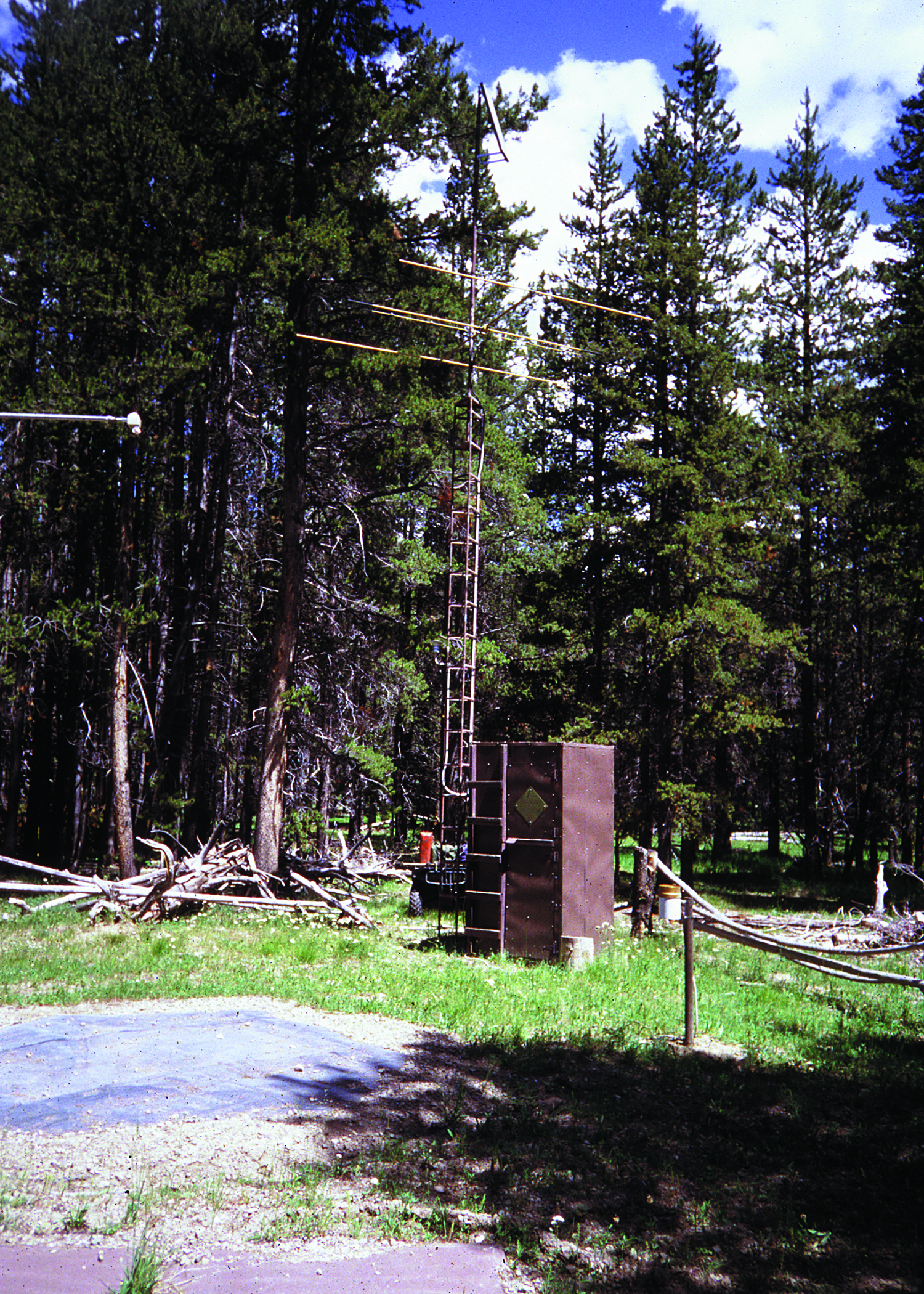
Automated stations can follow changes between field visits. At many Natural Resources Conservation Service Snow Telemetry, or SNOTEL, sites, a pressure-sensing snow pillow measures the weight of snow above it. Other sensors can report snow depth, precipitation and temperature. A pillow does not need to melt the snow: its pressure reading gives an estimate of the weight of water stored in the overlying column.
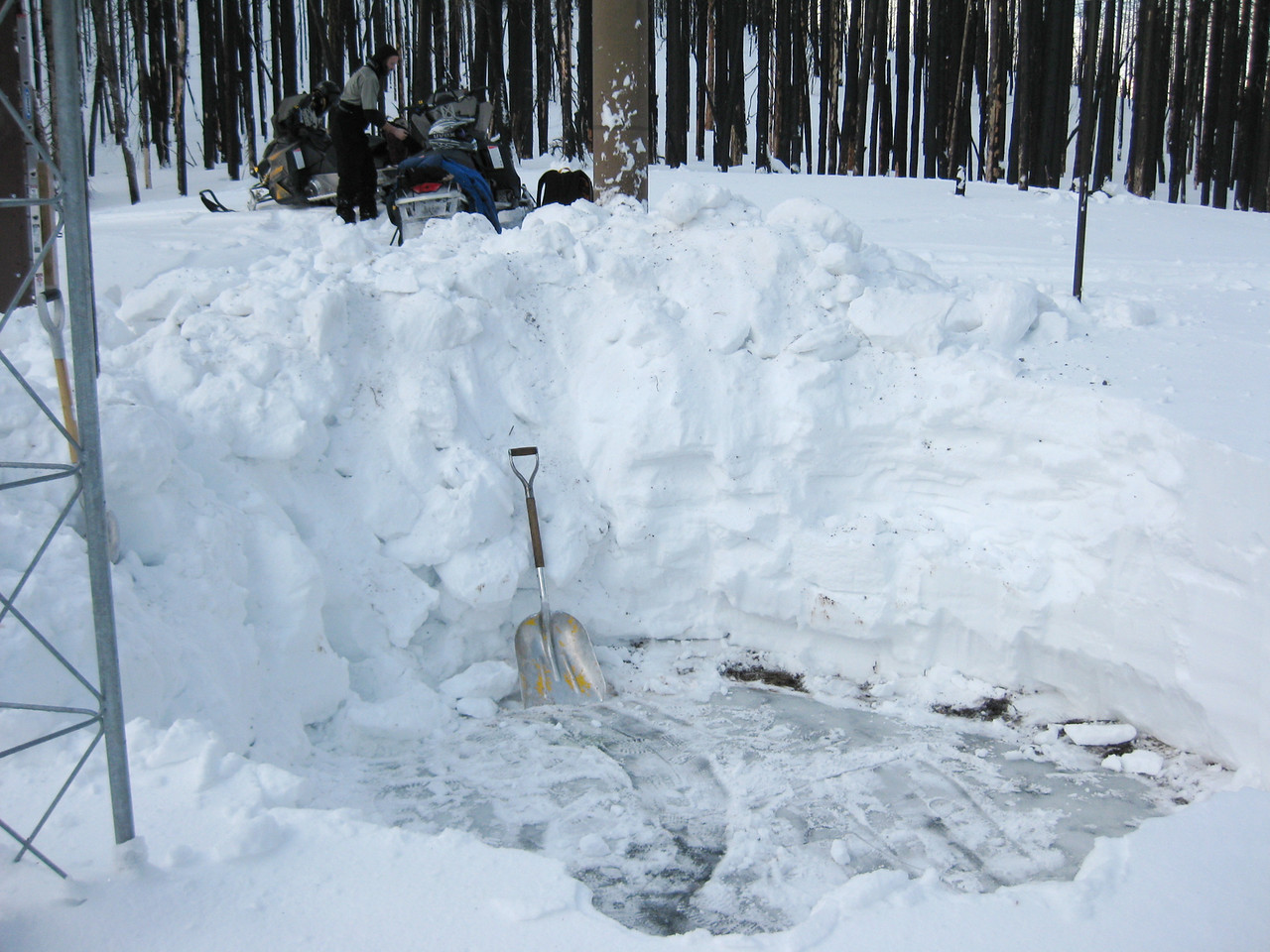
Even a dependable station represents a particular location. Wind can pile snow in one place and strip it from another; elevation, slope and forest cover also affect accumulation and melt. Scientists combine observations from many sites with models, remote sensing and local knowledge to estimate conditions across a much larger watershed. A single station is a valuable observation, not a complete picture of a mountain range.
Reading a snowpack report
Reports often compare current SWE with a historical median for the same date. Suppose a station reports 6 inches of SWE when its median for that date is 8 inches. The current reading is 75 percent of the date’s median: 6 divided by 8, multiplied by 100. It is not a statement that the station has received 75 percent of all the snow it will get that winter.
Look closely at the comparison. A percentage of the normal value for today’s date answers a different question from a percentage of the typical spring peak. Snow usually accumulates and melts over the season, so the denominator changes with the date in the first comparison. Early in winter, a small difference in inches can also make a large percentage difference when the historical median is small. Check the date, the location, whether the report uses an average or median, and the historical period behind it.
Also distinguish a station reading from a basin-wide estimate. A local measurement can be above normal while a regional summary is below normal, or the reverse. Averages over large areas combine sites with different climates, and the network may not capture every elevation equally. Neither a striking photograph nor one unusually deep measurement settles the condition of an entire watershed.
From stored snow to flowing water
In many mountain regions, snowpack acts like a seasonal reservoir. Precipitation falls during colder months and some remains frozen until warmer weather releases it. That delayed release can help feed streams and reservoirs when rain is less plentiful. A SWE measurement therefore gives forecasters a useful starting point for estimating how much water is stored before the melt season.
But stored water is not the same thing as water delivered to a reservoir. Some meltwater soaks into soil; some is taken up by plants or returns to the atmosphere. The condition of the soil, the timing and speed of melting, rainfall, temperature and the shape of the landscape all influence streamflow. USGS researchers emphasize that snow’s water content and melt timing are part of a larger set of factors connecting snow to rivers.
Timing can matter as much as the total. A gradual melt may sustain flow over a longer period, while rapid warming or rain on snow can produce a much faster response. The effects depend on local conditions and the capacity of channels and reservoirs; SWE alone cannot predict a flood or guarantee a particular water supply. Water managers use it with weather forecasts, soil conditions, stream gauges and reservoir observations.
What the number can and cannot promise
A healthy-looking snowpack is encouraging, but it is a snapshot of stored water, not a promise about the rest of the season. More storms may arrive, snow may melt early, and conditions downstream may differ from those at the measuring site. Comparing SWE with the appropriate historical value gives the number context; following it over time shows how that store is changing.
The next time a report lists both snow depth and water equivalent, read them together. Depth describes the winter landscape you can see. SWE adds the less visible part: how much water is held in that snow, before weather and the watershed decide where it goes.
Sources: U.S. Geological Survey, From Snow to Flow; USDA Natural Resources Conservation Service, Water and Climate Data Collection and Stewardship; National Snow and Ice Data Center, Snow water equivalent.