
 Akshay Dinesh
Stainless steel sounds almost magical the first time you think about it. It is mostly iron, and ordinary iron reacts readily with oxygen and water to form rust. Yet stainless steel can survive in kitchens, hospitals, factories, sinks, railings, watches, and cookware without turning flaky orange after every splash of water. The trick is not that stainless steel refuses to react. The trick is that it reacts in a more useful way.
What makes stainless steel different is a small but powerful ingredient: chromium. According to the Specialty Steel Industry of North America, stainless steels are iron-based alloys with at least 10.5 percent chromium. That chromium lets the metal build an extremely thin protective surface film, often called a passive layer. The film is too thin to see, but it changes the chemistry of the surface enough that oxygen and water have a much harder time attacking the iron underneath.
Ordinary Rust Is a Surface Reaction That Keeps Spreading
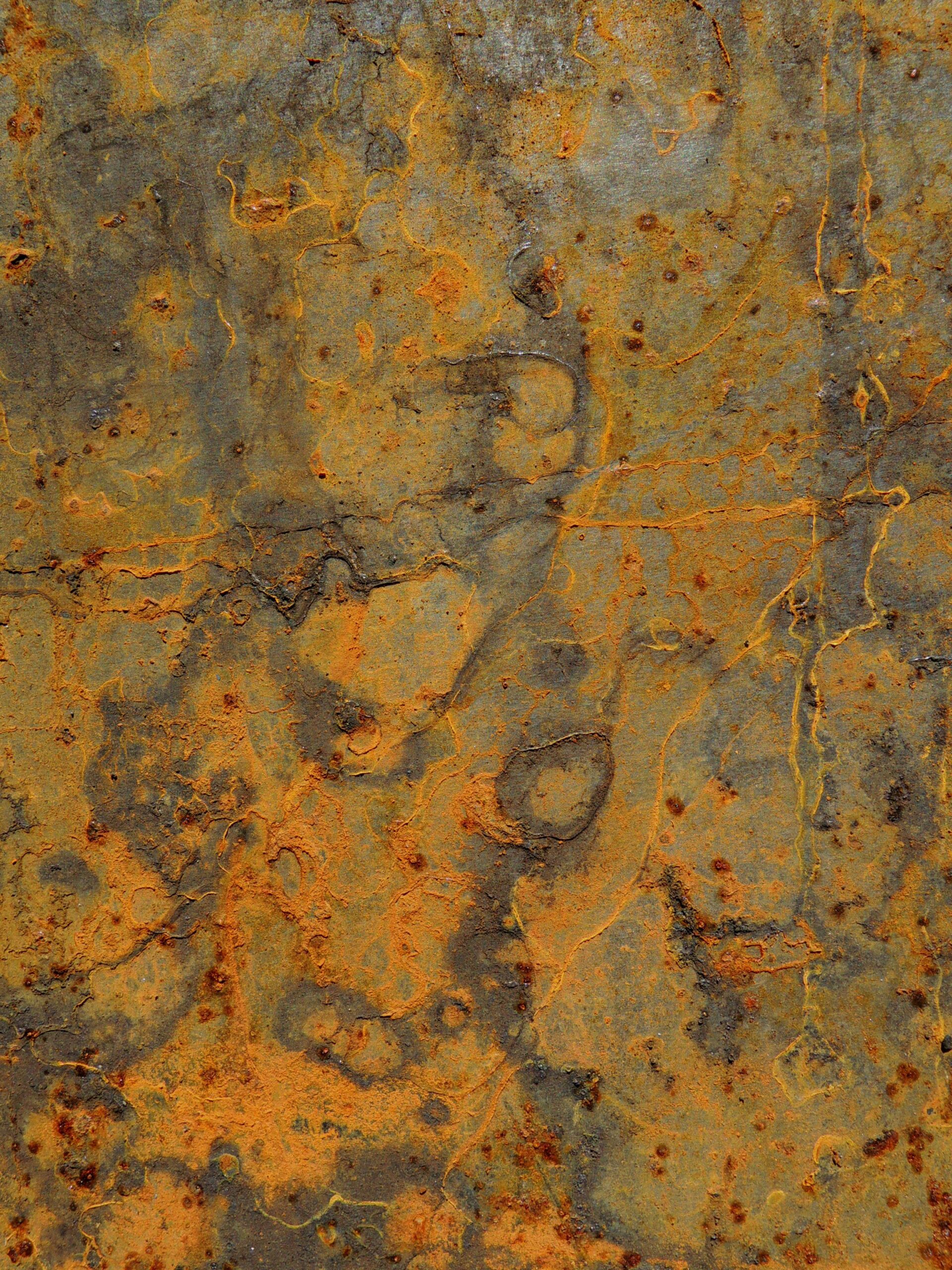
Rust begins when iron loses electrons in the presence of oxygen and water. The iron atoms become ions, oxygen is reduced, and the products gradually form hydrated iron oxides, the familiar reddish-brown material people call rust. Rust is not just a stain sitting politely on top of metal. It tends to be porous, crumbly, and uneven, so it does a poor job of sealing the surface below.
That is why ordinary steel can keep corroding after rust first appears. The rusty layer may flake away or crack, exposing fresh iron to more oxygen and moisture. If salts are present, especially in road spray or seawater, the process often speeds up because dissolved ions help electrical charge move through the thin layer of moisture on the metal. Corrosion is an electrochemical process, not simply a color change.
This is also why paint, oil, zinc coatings, and other barriers are so useful on regular steel. They try to separate iron from the water and oxygen that help drive rusting. Once the barrier fails, though, rust can begin underneath or around the damaged spot. Stainless steel takes a different route: instead of relying only on an added coating, it uses its own alloy chemistry to create a protective surface.
Chromium Changes What Happens at the Surface
In stainless steel, chromium atoms are mixed into the iron-based alloy. When the surface is exposed to oxygen, chromium reacts more helpfully than iron does. It forms a chromium-rich oxide layer that is tightly attached to the metal and much less porous than ordinary rust. ASM International describes this passive layer as adherent and protective, which is the key difference: it clings to the surface instead of crumbling away.
The layer is extraordinarily thin, but thin does not mean weak in the everyday sense. A clear plastic food wrap is thin, yet it can still separate food from the air. The passive layer on stainless steel is far thinner than wrap, but it plays a similar chemical role. It slows the movement of oxygen, water, and other reactive substances toward the iron-rich metal below.
That is why stainless steel can remain bright after daily use. A spoon, sink, or pan may be scratched lightly, washed, dried, and handled many times without obvious damage. If the surface has enough oxygen available and the alloy is appropriate for the environment, the passive film can reform over minor damage. Stainless steel is often called self-healing for this reason, but that phrase needs a careful reading. It means the oxide film can rebuild chemically under the right conditions, not that a dented or deeply damaged object repairs itself like new.
Why Stainless Steel Can Still Rust
The word stainless is a promise with limits. Stainless steel resists staining and corrosion better than ordinary steel, but it is not immune to chemistry. The passive film depends on the right alloy, a clean enough surface, and an environment that does not overwhelm the protective layer. When those conditions fail, corrosion can begin in small, stubborn places.
Chloride salts are one of the most common troublemakers. SSINA notes that pitting and crevice corrosion in stainless steels generally occur in the presence of halide ions, especially chlorides. Chlorides are found in seawater, road salt, some cleaners, and bleach-related compounds. They can help break down the passive film locally, creating tiny spots where corrosion becomes concentrated.
Pitting is especially frustrating because it may not look dramatic at first. Instead of forming a broad rusty sheet, the metal develops small holes or dark specks. The surrounding surface may still look shiny, while corrosion digs downward in a small area. Crevice corrosion works in a related way, often inside tight gaps where moisture and salts get trapped and oxygen is limited. Under a gasket, around a screw, along a seam, or beneath stuck debris, the local chemistry can become much harsher than the open surface nearby.
Heat, poor cleaning, contact with regular steel particles, and harsh chemicals can also create problems. If tiny bits of carbon steel from tools, steel wool, or workshop dust are rubbed onto stainless steel, those particles can rust and make the stainless surface look as if it is rusting everywhere. The underlying stainless steel may still be sound, but the contamination gives corrosion a place to start and confuses the diagnosis.
Grades Matter Because Environments Differ
Not all stainless steel is the same. The word describes a family of alloys, not a single material. Some grades are designed for kitchen appliances and indoor fixtures. Others are chosen for marine hardware, chemical plants, medical tools, food-processing equipment, or high-temperature parts. Changing the recipe changes the balance among corrosion resistance, strength, formability, cost, and heat performance.
Two common names are 304 and 316 stainless steel. Both are widely used, but 316 contains molybdenum, an element that improves resistance to chloride-related pitting in many environments. That does not make 316 invincible. It simply means it is often a better choice where salt exposure is expected, such as coastal railings, boat fittings, or equipment washed with chloride-containing solutions. In a mild indoor kitchen, 304 may perform very well. Near seawater or deicing salt, a more resistant grade may be worth the extra cost.
This is an important materials-science lesson: there is rarely one perfect material for every job. Engineers and designers match materials to real conditions. A stainless steel sink, a surgical tray, a bridge fastener, and a chemical tank may all need corrosion resistance, but they do not face the same temperature, cleaning chemicals, mechanical stress, or salt exposure. The right alloy is the one whose protective film can survive the environment it will actually meet.
Cleaning Helps When It Protects the Passive Film
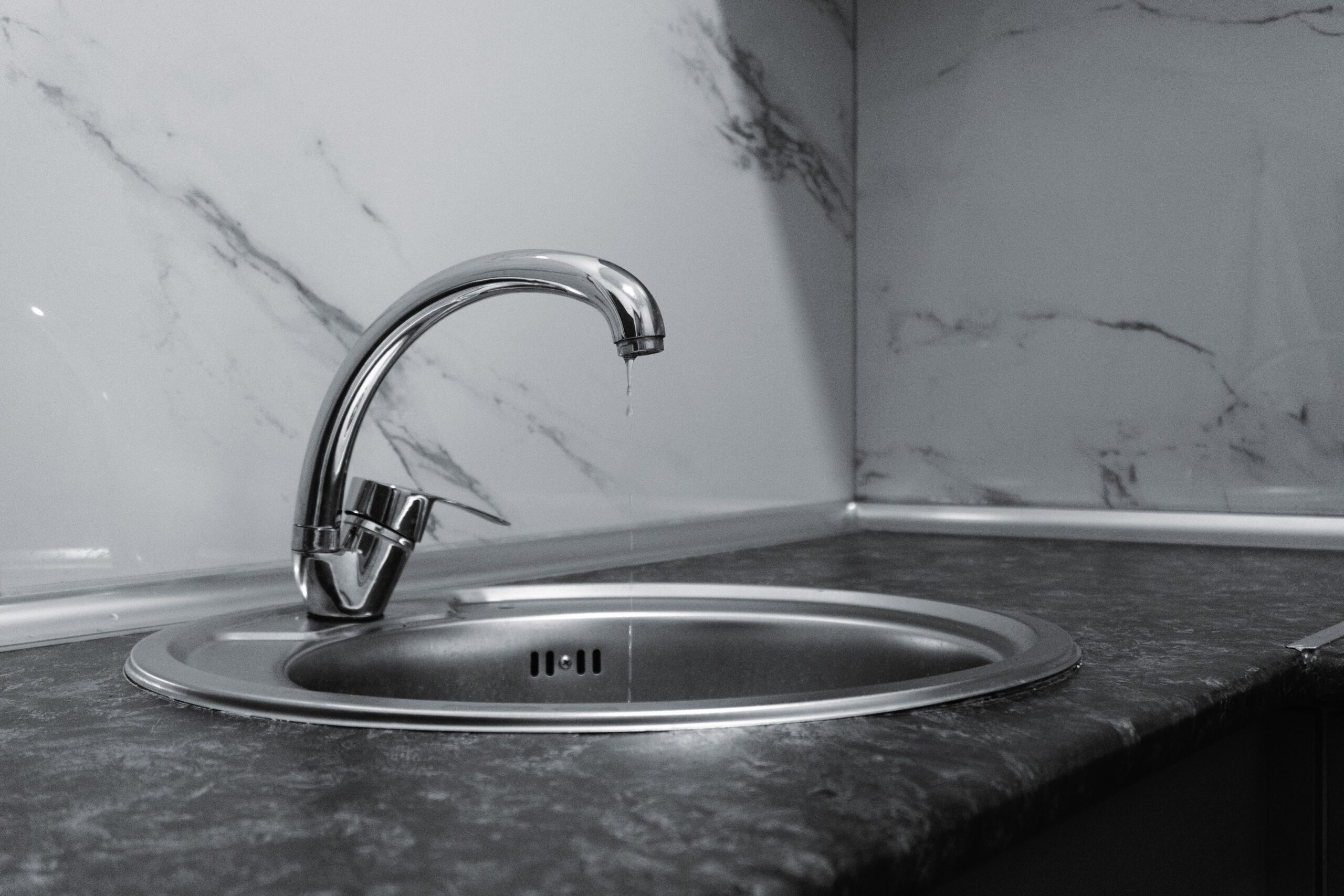
Good stainless steel care is mostly about protecting the passive layer and avoiding trapped corrosive chemicals. Gentle cleaning removes salt, food residue, fingerprints, and iron contamination before they can create local chemical trouble. For many household surfaces, mild soap, water, and a soft cloth are enough. Drying the surface afterward can help, especially where water spots, mineral deposits, or salty splashes might sit for a long time.
The risky habits are usually the ones that damage the surface or leave reactive substances behind. Steel wool can deposit ordinary iron particles. Abrasive powders can scratch polished finishes. Chloride-heavy cleaners, bleach left sitting on the surface, or salty water trapped in crevices can challenge the passive film. Even a strong stainless alloy can struggle if the same small area stays wet, salty, and oxygen-starved day after day.
Passivation, in an industrial sense, is a controlled cleaning and chemical treatment used to remove free iron from the surface and help the chromium-rich oxide film form properly. Everyday users do not need to think about industrial passivation every time they wash a pan. Still, the idea is useful: stainless steel works best when its surface is clean enough for chromium and oxygen to maintain the protective film.
The Real Lesson Is About Controlled Reactivity
Stainless steel is not special because nothing happens to it. It is special because the first reaction at the surface can protect the rest of the metal. Ordinary rust is loose and spreading. Chromium oxide is thin, attached, and blocking. That difference turns a vulnerable iron-based material into one of the most useful families of alloys in modern life.
The same idea appears in other parts of chemistry. Sometimes a reaction destroys a material; sometimes a reaction protects it. Aluminum, for example, also forms a protective oxide layer that helps explain why it does not behave like a highly reactive metal in everyday use. Materials scientists care deeply about these boundary layers because the surface is where an object meets the world.
So when stainless steel develops a small rust spot, the surprise should not be that chemistry happened. Chemistry is always happening at exposed surfaces. The better question is what changed around that spot: Was salt trapped there? Did a cleaner sit too long? Was the surface scratched with ordinary steel? Was the grade chosen for a harsher environment than it could handle? Those questions turn a simple household annoyance into a clear example of how alloy design, surface chemistry, and everyday conditions work together.
Stainless steel earns its name by resisting rust far better than ordinary steel, not by escaping corrosion forever. Its strength lies in a nearly invisible layer of chromium-rich oxide, constantly maintained by the right chemistry and the right environment. Keep that layer clean, give it conditions where it can reform, and choose the right grade for the job, and stainless steel becomes exactly what its name suggests: not flawless, but impressively resistant.




Add comment