
 Akshay Dinesh
Turkey does contain tryptophan, an amino acid the body can use to make serotonin and melatonin. That fact is real. The familiar claim that Thanksgiving turkey single-handedly causes the after-dinner slump, however, skips several important steps. Tryptophan must compete with other amino acids to enter the brain, and turkey supplies plenty of those competitors along with it. A large mixed meal, the body’s natural afternoon dip in alertness, a short night of sleep, and alcohol can all matter more than the turkey itself.
Why turkey gets the blame
The story sounds convincing because it joins a true ingredient to a true biological pathway. Tryptophan is one of the essential amino acids, meaning the body cannot manufacture it and must obtain it from food. Inside the body, some tryptophan contributes to the production of serotonin, a signaling chemical involved in many functions, and melatonin, a hormone closely tied to biological night and sleep timing.
Turkey is genuinely a source of tryptophan. The National Institutes of Health Office of Dietary Supplements estimates that a three-ounce serving of roasted turkey breast provides about 180 milligrams. Yet turkey is not unusual in containing it. Chicken, fish, milk, cheese, eggs, soybeans, nuts, seeds, and many other protein-rich foods supply tryptophan too. People eat these foods at lunch and dinner throughout the year without treating every serving as a sleep aid.
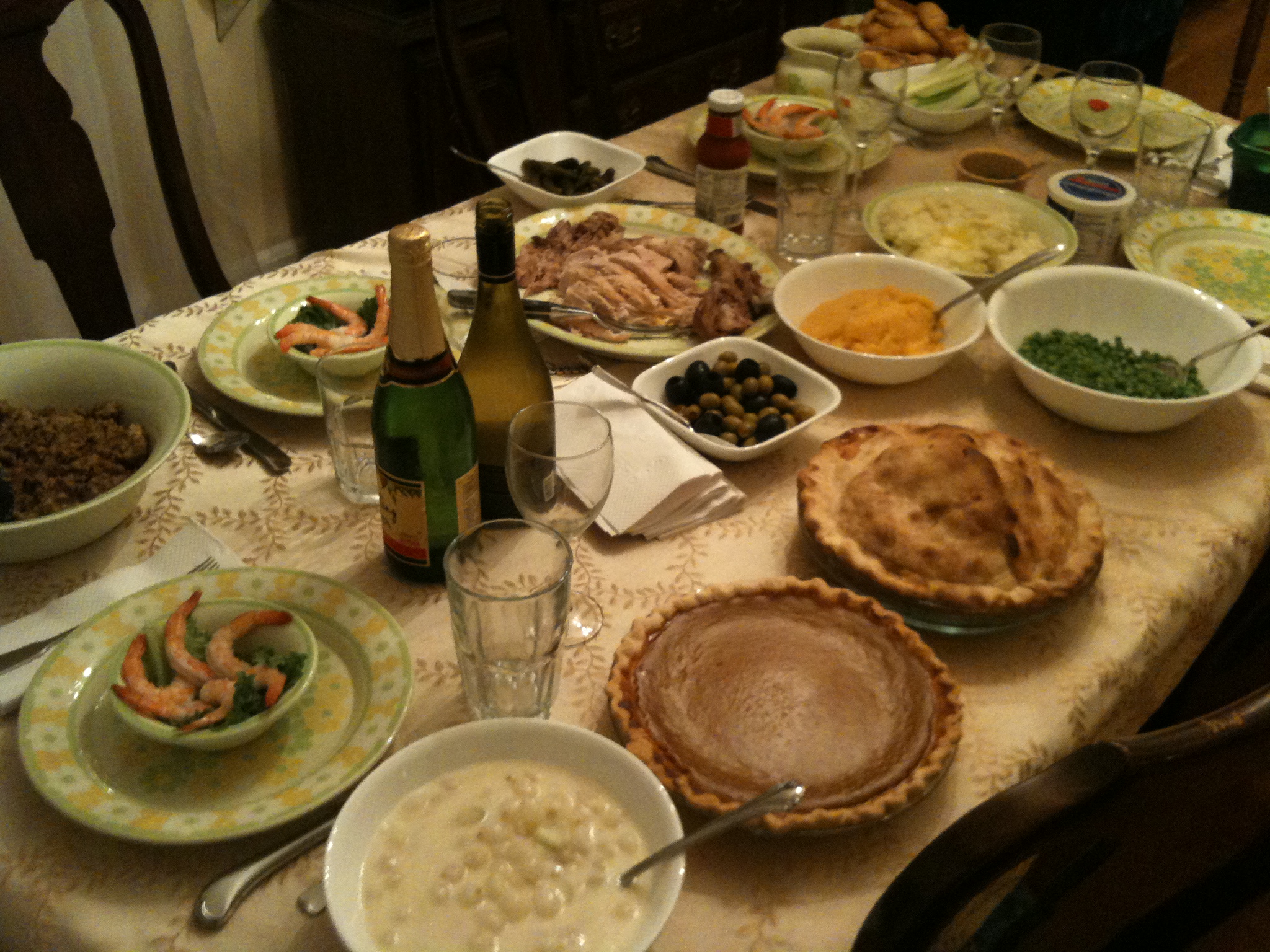
The holiday setting also makes turkey an easy suspect. A Thanksgiving plate often combines a larger-than-usual portion of food with stuffing, potatoes, rolls, desserts, and perhaps alcohol. The meal may arrive after travel, early cooking, a disrupted routine, or too little sleep the night before. When drowsiness follows, the centerpiece is more memorable than all of those surrounding conditions.
Getting tryptophan into the brain is the hard part
Eating tryptophan is not the same as delivering it straight to the brain. After digestion, amino acids enter the bloodstream. Tryptophan and several other large neutral amino acids then compete for the same transport system across the blood-brain barrier. Researchers therefore pay attention not only to the amount of tryptophan in the blood, but to its ratio relative to competing amino acids such as leucine, isoleucine, and valine.
A protein-rich food raises the supply of tryptophan, but it also raises the supply of its competitors. A review published in International Journal of Tryptophan Research compared this balance in common foods using nutrient data. Turkey light meat had a tryptophan-to-competing-amino-acid ratio of about 0.043, while chicken light meat was about 0.046. The numbers are close, and they do not support the idea that turkey has a uniquely powerful route into the brain.
Carbohydrate adds a twist. Rising blood glucose prompts insulin release, and insulin encourages muscle to take up several competing amino acids. In a meal that is almost entirely carbohydrate and extremely low in protein, that change can improve tryptophan’s relative position in the bloodstream. More of it may then cross into the brain. But ordinary holiday meals are not laboratory carbohydrate drinks. Once a meal contains a meaningful amount of protein, the neat carbohydrate-only effect becomes much less predictable.
That distinction is why a biochemical pathway should not be mistaken for proof that a serving of turkey causes immediate sleepiness. Serotonin and melatonin synthesis involve regulation, timing, transport, and competing metabolic uses. The body does not turn every milligram of dietary tryptophan into a rapid sedative signal.
What the whole meal can do
Meals can influence alertness even when no single food acts like a sleep medicine. Digestion triggers hormonal, nervous-system, and metabolic responses. The size and composition of a meal may change how energized or sluggish someone feels, but controlled studies have not produced a simple rule in which one nutrient always causes the effect.
In a 1998 Journal of Applied Physiology experiment, 16 adults ate two equal-calorie meals with very different proportions of fat and carbohydrate. Objective and subjective measures showed greater sleepiness after eating, yet the researchers found no difference in sleepiness between the two meal compositions. Their result suggested that eating itself increased sleepiness beyond the effect of time of day, while also warning against blaming one macronutrient.
Other small experiments have found differences after high-fat and high-carbohydrate meals, but the findings vary with the meal, timing, measurement, and participants. A 2022 review in Nutrients concluded that the popular carbohydrate-to-tryptophan explanation is most convincing under unusually low-protein conditions. Normal mixed meals are biologically messier.
Portion size also deserves a careful reading. Feeling extremely full can encourage people to sit still, dim the lights, and relax after a long social meal. That behavior makes drowsiness more noticeable, even though research has not established a universal calorie threshold that produces a “food coma.” The phrase describes a real experience, but it is not a precise medical diagnosis or a single chemical event.

The afternoon dip may already be waiting
Many Thanksgiving meals are served in the early or middle afternoon, close to a natural daily dip in alertness. Sleep researchers have observed this “post-lunch dip” even when people do not eat lunch. It reflects the interaction between accumulated sleep pressure and the circadian system, the internal timing process that helps organize periods of wakefulness and sleep across roughly 24 hours.
A meal can deepen or reveal that dip, but it does not create the entire rhythm. This helps explain why the same plate may feel more sedating at 3 p.m. than at 7 p.m. It also explains why someone who slept poorly, woke early to cook, or traveled across time zones may become drowsy sooner than another person at the same table.
Alcohol can add another layer. It may make people feel sleepy at first, while later disrupting the structure and quality of sleep. A warm room, a quiet couch, lower activity after dinner, and the end of a busy day all push in the same direction. None of these factors needs to be dramatic. Several modest influences arriving together can produce a strong slump.
What the evidence lets us say
Tryptophan can affect sleep under some conditions. A 2021 systematic review and meta-analysis examined tryptophan supplements and found that doses of at least one gram were associated with less wakefulness after sleep onset in the studies analyzed. The review did not find improvements across every measured part of sleep, and a concentrated supplement is not equivalent to eating turkey within a mixed meal. The result supports the biology of tryptophan without proving the holiday myth.
The most accurate explanation is therefore neither “turkey has nothing to do with sleep” nor “turkey knocks you out.” Turkey supplies a nutrient used in sleep-related pathways, but its other amino acids compete with tryptophan for entry into the brain. The rest of the plate, the timing of the meal, prior sleep, alcohol, and the shift from activity to relaxation provide a fuller account of post-dinner drowsiness.
That conclusion is useful beyond Thanksgiving. Nutrition claims often begin with a genuine molecule and then jump directly to a dramatic outcome. Asking about dose, competition, timing, and the difference between an isolated supplement and a whole meal can reveal what the claim leaves out. The sleepy feeling after a holiday dinner is real; the biology behind it is simply bigger than the bird.