

 Akshay Dinesh
When the power goes out, a closed refrigerator does not immediately become warm, but its contents do not stay safe indefinitely. The U.S. Centers for Disease Control and Prevention (CDC) says a closed refrigerator can keep food safe for up to four hours without power. A closed, full freezer can keep its temperature for about 48 hours, or 24 hours if it is half full. These are estimates, not guarantees: opening the doors and a warm room can shorten the time.
The most useful first steps are simple: note when the outage began, keep both doors closed, and arrange a cold source if the power may be out for longer. Once power returns, decisions depend on the kind of food, its temperature, and how long it may have been warm. The guidance below follows U.S. food-safety recommendations for a household outage.
What to do while the power is out
Keep the refrigerator and freezer closed as much as possible. Each opening lets cold air escape and allows warmer air in. The four-hour refrigerator estimate assumes the door stays closed; it is not a promise that every item will remain safe until the last minute regardless of conditions.
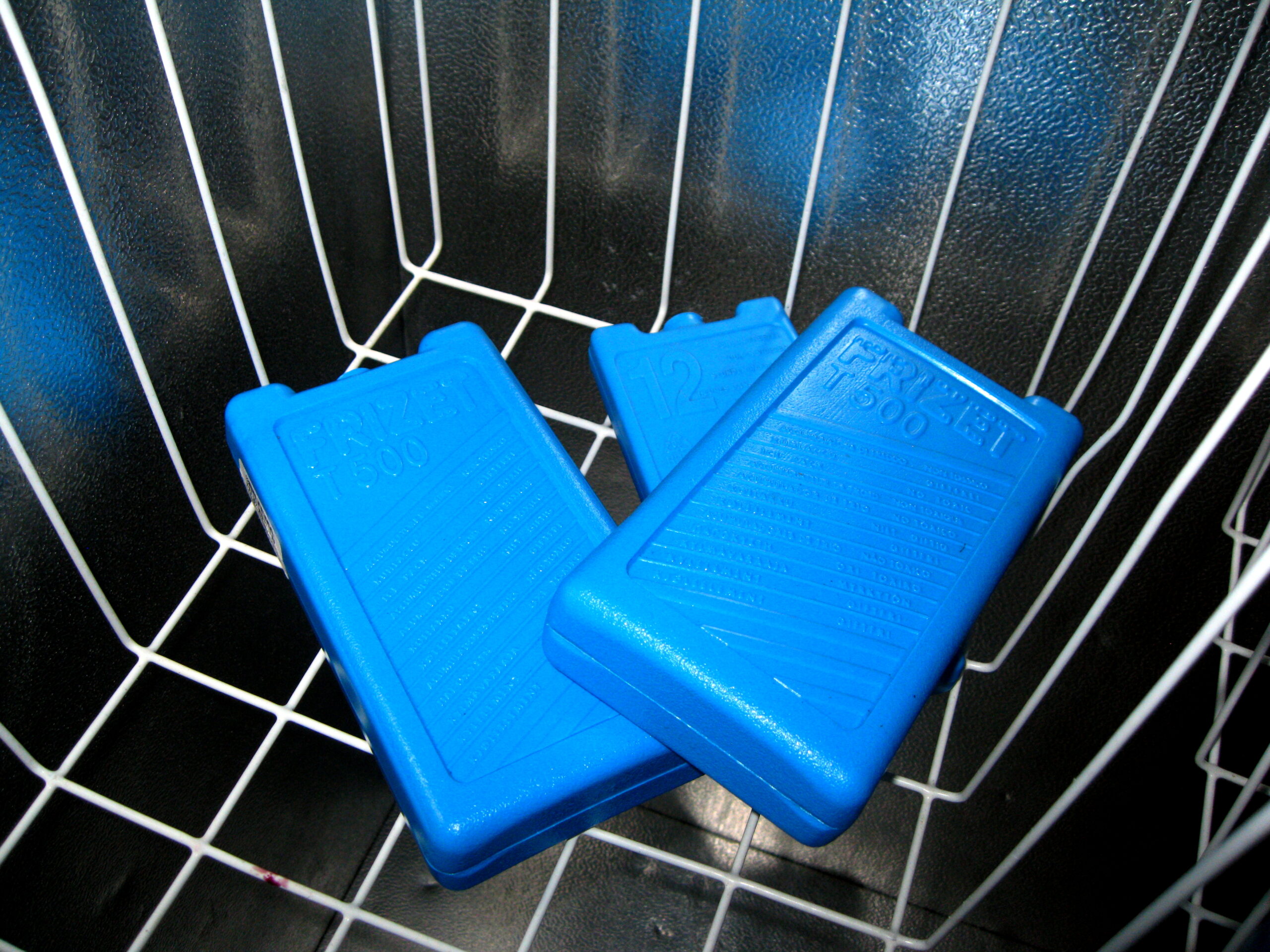
If the outage is approaching four hours, move perishable refrigerated foods to a cooler with ice or frozen gel packs if one is available. Use a thermometer to keep the cooler at 40°F (4°C) or below. Gather what you need first and make the transfer promptly, so the refrigerator is not left open while you decide. Do not count on a cooler alone: it needs enough ice or another cold source, and its temperature needs checking.
If an outage is expected, an appliance thermometer in each compartment can help you assess conditions. The FDA recommends keeping the refrigerator at or below 40°F and the freezer at 0°F (-18°C). A thermometer reading is useful evidence, but a single reading after the power returns cannot establish how warm food became earlier or how long it stayed that way.
Which refrigerated foods should you discard?
After four hours without power and without an added cold source, the CDC advises discarding refrigerated perishables such as meat, poultry, fish, eggs, milk, leftovers, and cut fruits and vegetables. Soft cheeses and other foods that require refrigeration for safety may also need to go. When you know a food has been held above 40°F, the FoodSafety.gov outage chart gives item-by-item guidance for food held above that temperature for more than two hours.
Not everything in the refrigerator belongs in the same pile. The federal chart distinguishes many shelf-stable condiments, whole uncut fruit, and some hard cheeses from highly perishable foods. Check the specific item and its condition rather than assuming that every jar or piece of produce must be discarded. Food exposed to floodwater needs separate assessment under FDA flood guidance; the outage chart alone is not enough.
Never taste food to decide whether it is safe. Bacteria that cause illness may not noticeably change a food’s smell, appearance, or flavor. Cooking is not a dependable rescue for food that has been kept too warm for too long, because some toxins can remain after heating. If the time or temperature is uncertain and the food is perishable, the safer decision is to discard it.
How to assess food in the freezer
A full freezer generally stays cold longer than a half-full one because the frozen contents help hold the temperature down. The CDC’s 48- and 24-hour estimates both assume that the door stays closed. They help with planning, but food and freezer temperatures are more useful than the clock alone when you can check them.
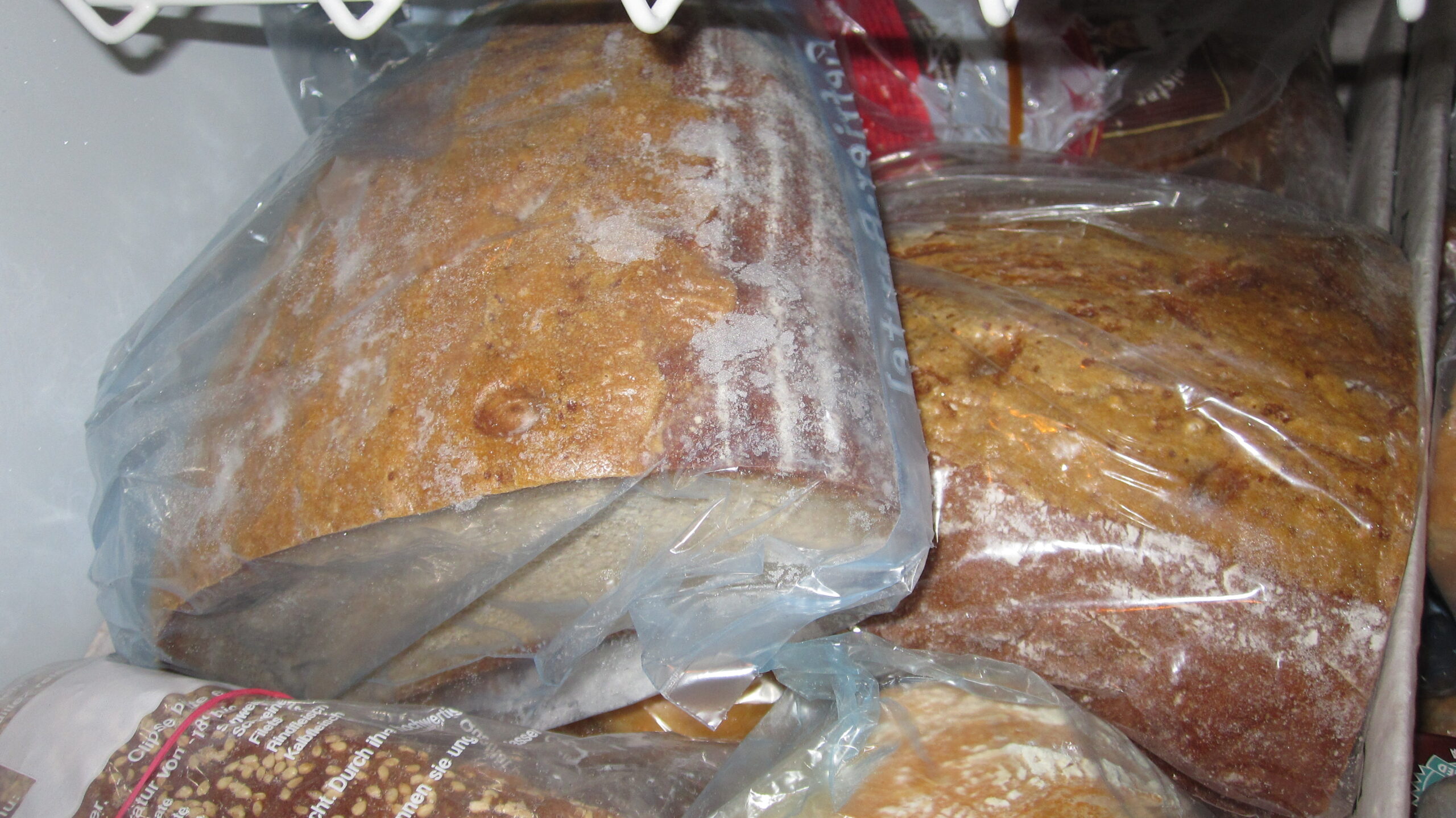
According to the CDC, thawed frozen food can be cooked or refrozen if it still contains ice crystals or is at 40°F or below. Refreezing may affect texture and quality, even when the food is safe. For items that are fully thawed and warmer than 40°F, use the FoodSafety.gov chart: the answer depends on the food and how long it has been above that temperature. If you cannot establish a safe history for a perishable item, do not guess.
For example, a package of frozen meat that still has ice crystals after an outage can be refrozen or cooked under the CDC guidance. A package found fully thawed and warm after an unknown number of hours is a different situation. A cold surface or a freezer that feels chilly is not a substitute for a food-temperature measurement and a reliable account of the time involved.
Prepare before the next outage
Keep appliance thermometers where they are easy to read, and check that the refrigerator and freezer are operating at their recommended temperatures. Have a cooler and a supply of ice or frozen gel packs ready when severe weather is forecast. Knowing where to find the outage chart before an emergency can also make decisions less stressful when phone service or internet access is limited.
It helps to record when the outage starts and when any food is moved to a cooler. If you are away when the power fails, a restored clock or a cold appliance may not tell you how long the food was warm. Treat unknown time and temperature cautiously, particularly for meat, dairy, eggs, and prepared meals.
These choices can be frustrating when groceries are expensive. The aim is not to throw away everything automatically, but to distinguish foods with a reliable cold history from perishables that may have spent too long warm. Use the clock as an initial guide, temperatures and the federal food chart for individual decisions, and discard perishable food when its safety cannot be established.
Sources: CDC: Keep Food Safe After a Disaster or Emergency; FDA: Food and Water Safety During Power Outages and Floods; FoodSafety.gov: Food Safety During Power Outage.





Add comment