 Akshay Dinesh
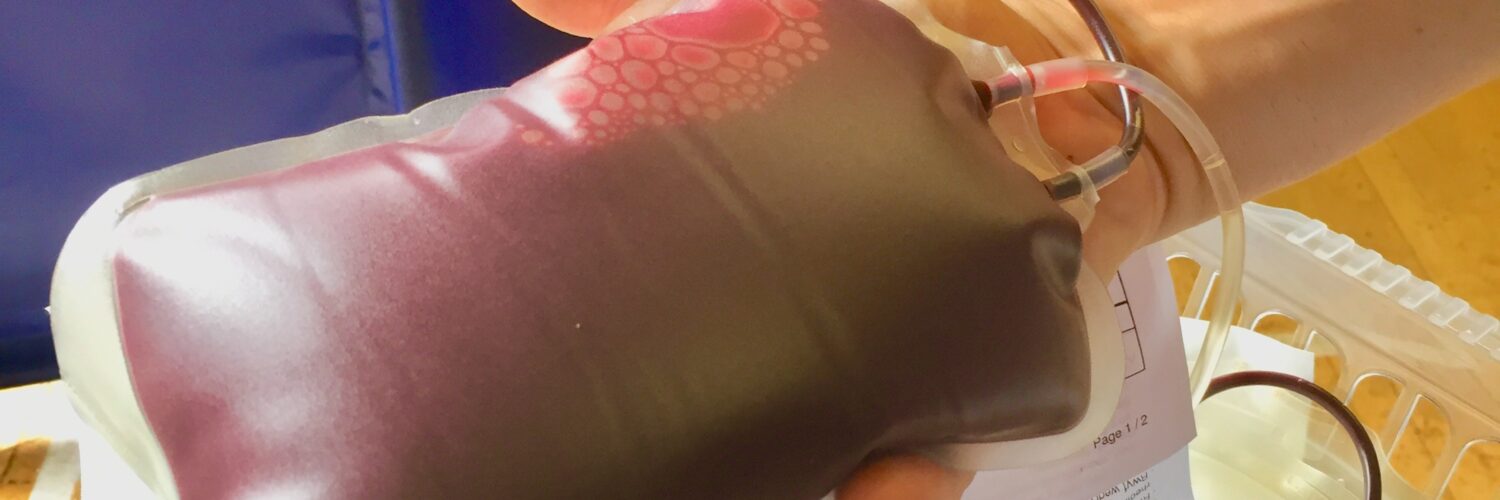
A blood transfusion can replace cells lost through injury, surgery, disease, or treatment, but donated blood cannot be chosen by color alone. Red blood cells carry molecular markers that the immune system can recognize, and a mismatch can turn a lifesaving transfusion into a dangerous immune reaction. The familiar labels A, B, AB, and O describe the most important set of those markers, while the plus or minus sign usually refers to another marker called RhD. Safe transfusion depends on knowing what is on the donor’s cells, what antibodies are in the recipient’s plasma, and whether the two can meet without conflict.
A blood type is an immune label
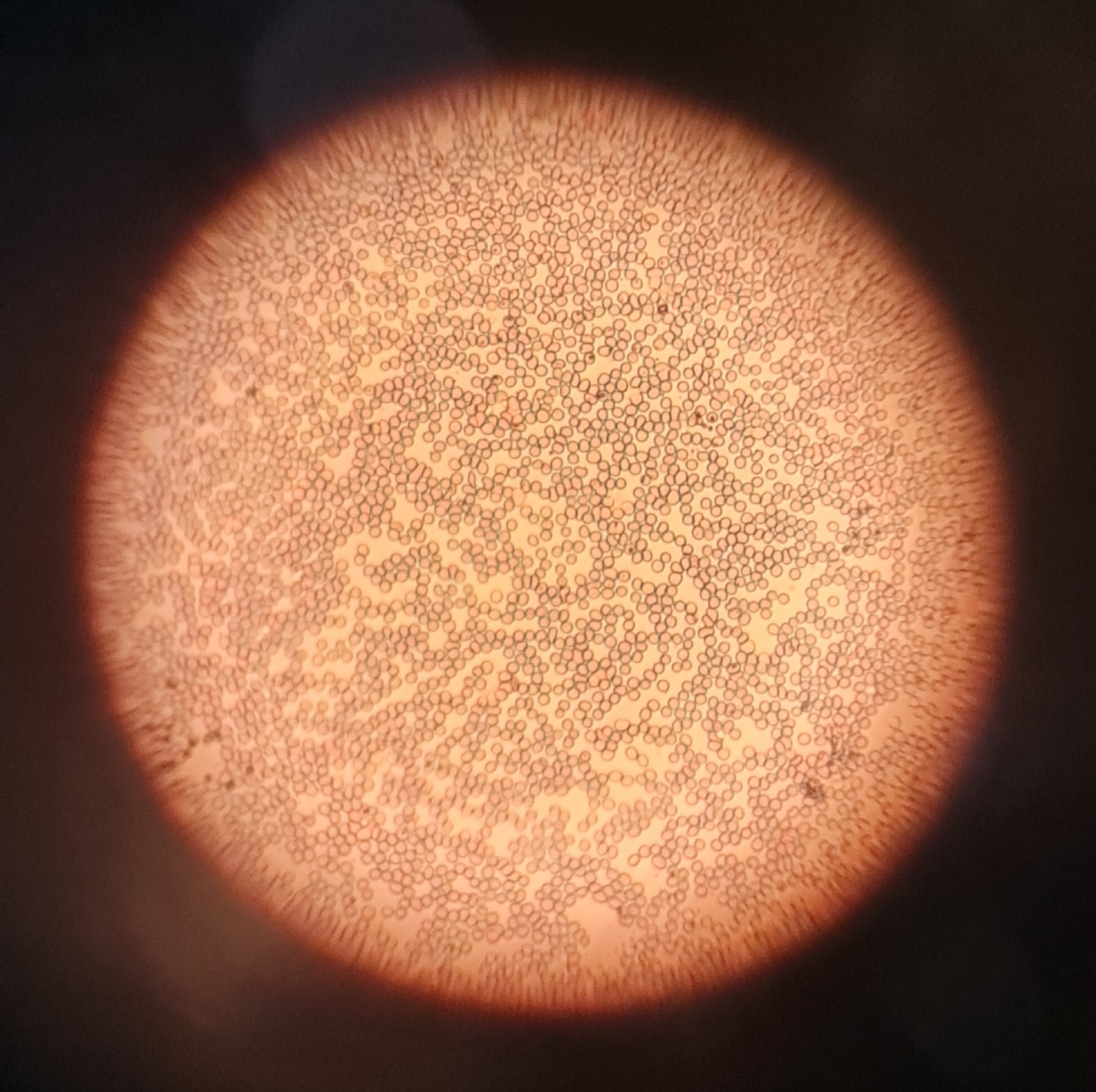
Red blood cells are flexible discs that move through tiny vessels while carrying oxygen. Their outer membranes are covered with proteins and carbohydrates. Some of these surface structures act as antigens: biological labels that antibodies can recognize. The ABO system focuses on two antigens called A and B. Type A cells carry the A antigen, type B cells carry the B antigen, type AB cells carry both, and type O cells carry neither A nor B.
The plasma surrounding those cells usually contains antibodies against the ABO antigen a person does not have. A person with type A blood normally has anti-B antibodies. Someone with type B has anti-A antibodies. Type O plasma contains both, while type AB plasma contains neither. This arrangement is why blood type cannot be understood by looking only at the red cells; the antibodies in the liquid part of blood matter just as much.
Karl Landsteiner identified the main ABO pattern around 1900 after noticing that blood from different people sometimes clumped when mixed. His work explained why early transfusions could succeed in one patient and fail catastrophically in another. The discovery later earned him the 1930 Nobel Prize in Physiology or Medicine and helped turn transfusion from a gamble into a laboratory-guided treatment.
How ABO type controls red-cell compatibility
For a red-cell transfusion, the central question is whether the recipient’s antibodies will attack antigens on the donor’s cells. Imagine that type B red cells enter a person with type A blood. The recipient’s anti-B antibodies can bind to those cells, make them clump, and help trigger their destruction. This rapid breakdown is called hemolysis. According to the World Health Organization and the U.S. National Library of Medicine’s blood-group reference, severe ABO-incompatible reactions can lead to shock, kidney injury, abnormal clotting, and death.
The basic compatibility pattern for red blood cells follows from that antigen-antibody rule:
- Type O recipients generally receive type O red cells because their plasma contains both anti-A and anti-B antibodies.
- Type A recipients can receive type A or type O red cells.
- Type B recipients can receive type B or type O red cells.
- Type AB recipients can receive red cells from any ABO group because they normally have neither anti-A nor anti-B antibodies.
This is the source of the common phrase “universal donor” for type O red cells and “universal recipient” for type AB. Yet those shortcuts need boundaries. They apply to ABO compatibility for particular blood components, not to every form of donated blood or every clinical situation. A unit of packed red cells contains far less plasma than whole blood, and blood banks still prefer an exact type match whenever possible.
Type O negative red cells are especially valuable in emergencies when there is no time to establish a patient’s type. Even then, hospitals conserve that limited supply and switch to type-specific or otherwise compatible blood as soon as testing allows. The American Red Cross also notes that compatibility rules differ by component, which is why “universal” should never be treated as meaning “safe in every circumstance.”
Why the Rh sign matters
The plus or minus after an ABO type usually indicates whether red cells carry the RhD antigen. A person whose cells have RhD is called Rh positive; someone without it is Rh negative. RhD is separate from the ABO system, so every ABO group can be positive or negative. That combination produces the eight familiar types: A positive, A negative, B positive, B negative, AB positive, AB negative, O positive, and O negative.
ABO antibodies are often present without a previous transfusion, but anti-D usually develops after an Rh-negative person is exposed to Rh-positive cells. Exposure can occur through transfusion or pregnancy. Once sensitized, the immune system may respond strongly during a later exposure. For that reason, Rh-negative patients are generally given Rh-negative red cells, especially when future pregnancy is possible. Rh-positive patients can often receive either Rh-positive or Rh-negative red cells if the ABO match and other compatibility checks are suitable.
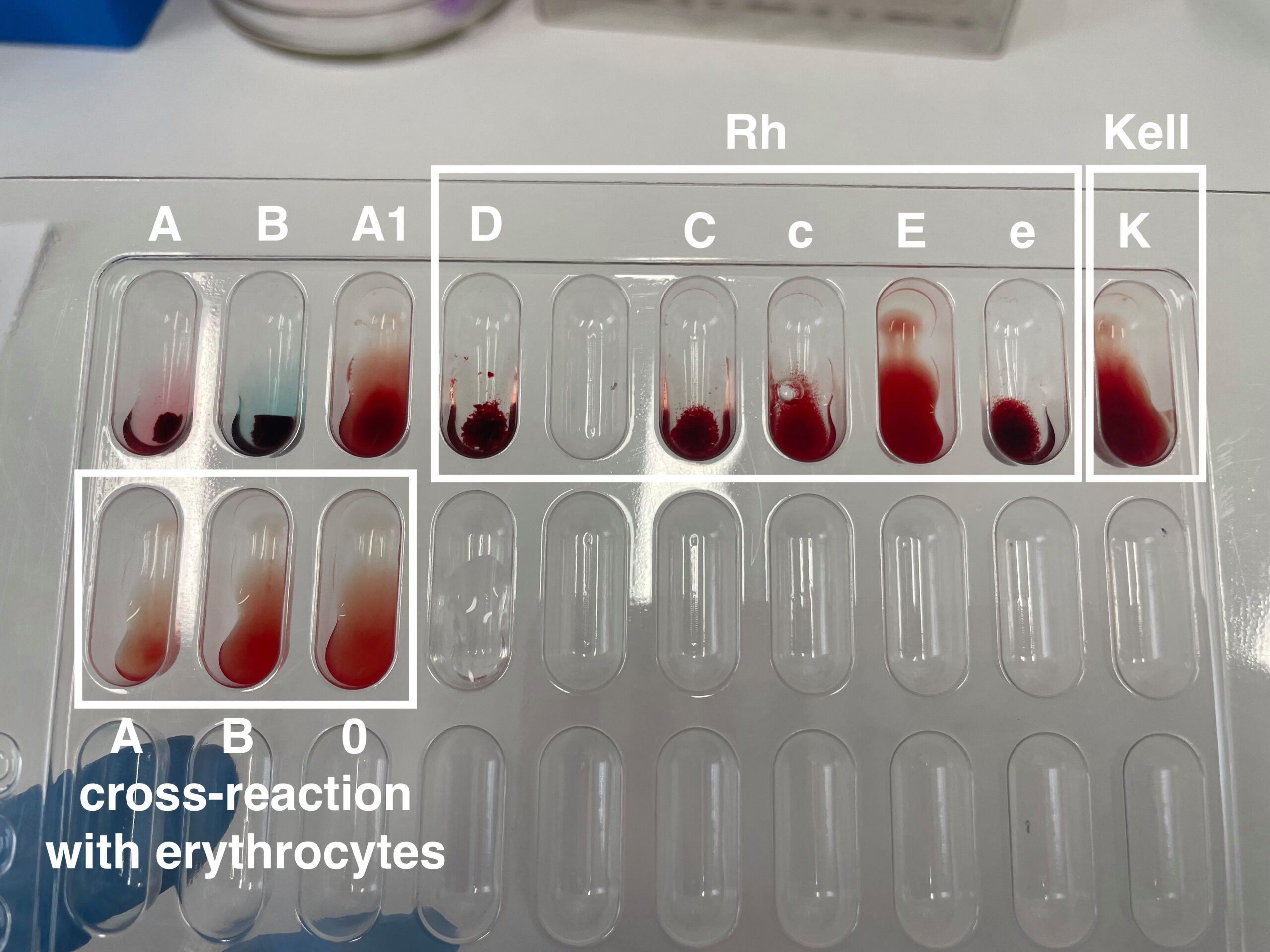
The Rh system is also more complex than one plus-or-minus marker. RhD gets the most attention because it is highly likely to provoke an immune response, but C, c, E, and e are other important Rh antigens. Beyond ABO and Rh, red cells carry many clinically significant markers in systems such as Kell, Kidd, and Duffy. A person who has formed antibodies to one of these antigens may need specially selected donor units even when the ABO and Rh labels appear to match.
Plasma follows the opposite ABO pattern
Most classroom compatibility charts describe red-cell transfusions, but plasma turns the logic around. Donor red cells bring antigens into the recipient. Donor plasma brings antibodies. A unit of type O plasma contains anti-A and anti-B antibodies, so it is not the universal plasma choice even though type O red cells are widely compatible. Those antibodies could attack A or B antigens on the recipient’s cells.
Type AB plasma contains neither anti-A nor anti-B, making it the broadly compatible plasma donor in the ABO system. Type A plasma is generally suitable for type A or O recipients, type B plasma for type B or O recipients, and type O plasma for type O recipients. From the recipient’s perspective, a person with type O red cells can receive plasma from any ABO group because those cells display neither A nor B antigens. A person with type AB red cells generally needs AB plasma because both antigens must be protected from donor antibodies.
Platelets add another layer. They can carry variable amounts of ABO antigen and are stored in plasma that may contain antibodies. Blood banks weigh the patient’s needs, inventory, antibody levels, and local protocols when choosing them. This is one reason a simple donor-recipient chart is useful for learning the principle but cannot replace clinical compatibility testing.
Typing and crossmatching check the real patient and unit
Before a routine red-cell transfusion, a laboratory first performs ABO and Rh typing. In forward typing, the patient’s red cells are mixed with known anti-A and anti-B reagents; visible clumping shows which antigens are present. In reverse typing, the patient’s plasma is tested against known A and B cells to confirm which antibodies it contains. The two results should tell the same biological story. If they disagree, the discrepancy must be investigated.
An antibody screen then looks for clinically important antibodies beyond ABO. People may develop these after an earlier transfusion or pregnancy, and the antibody level can later fall below easy detection even though immune memory remains. A careful transfusion history therefore matters. When an antibody is found, the laboratory identifies it and selects donor cells that lack the matching antigen.
The final check is a crossmatch, in which a sample of the recipient’s plasma is tested against cells from the actual donor unit. This can reveal incompatibility that the short label on the blood bag cannot show. Patient identification is checked repeatedly as well, because even perfectly tested blood becomes unsafe if a sample or unit is assigned to the wrong person. The World Health Organization’s transfusion guidance emphasizes this chain of identification, testing, selection, and bedside verification.
Emergency transfusion follows the same goal under tighter time pressure. Clinicians may begin with group O red cells when bleeding is immediately life-threatening, draw a sample for testing, and move to a more specifically matched product once results are ready. The decision depends on the patient, the component, available inventory, and established hospital protocols.
Blood-type compatibility is therefore not a memorized grid so much as an immune-system problem. Antigens sit on cells, antibodies travel in plasma, and the direction of the transfusion determines which pairings matter. ABO and Rh provide the first map, while antibody screening and crossmatching check the finer detail. Together, those steps allow donated blood to do what it is meant to do: restore circulation and oxygen delivery without becoming a target.