Akshay Dinesh
A spacecraft looks sealed off from nature, but it is not sterile. Every astronaut, food package, tool, and supply capsule brings microscopic passengers aboard. Most are harmless or useful, yet a small fraction can cause infections, and some carry genes that help them survive antibiotics. That makes the International Space Station a valuable place to ask a practical question: how do drug-resistant bacteria behave inside a closed habitat far from a hospital?
The question gained a fresh test on October 13, 2026, when NASA’s SpaceX CRS-35 resupply mission lifted off carrying the fourth and final planned station run of the Genomic Enumeration of Antibiotic Resistance in Space experiment, known as GEARS. Astronauts will sample station surfaces and analyze the organisms they find. The goal is not to hunt for alien microbes or prove that space creates unusually dangerous bacteria. It is to learn which resistant organisms are present, where they persist, and how quickly a crew can identify them.
The space station has a microbiome of its own
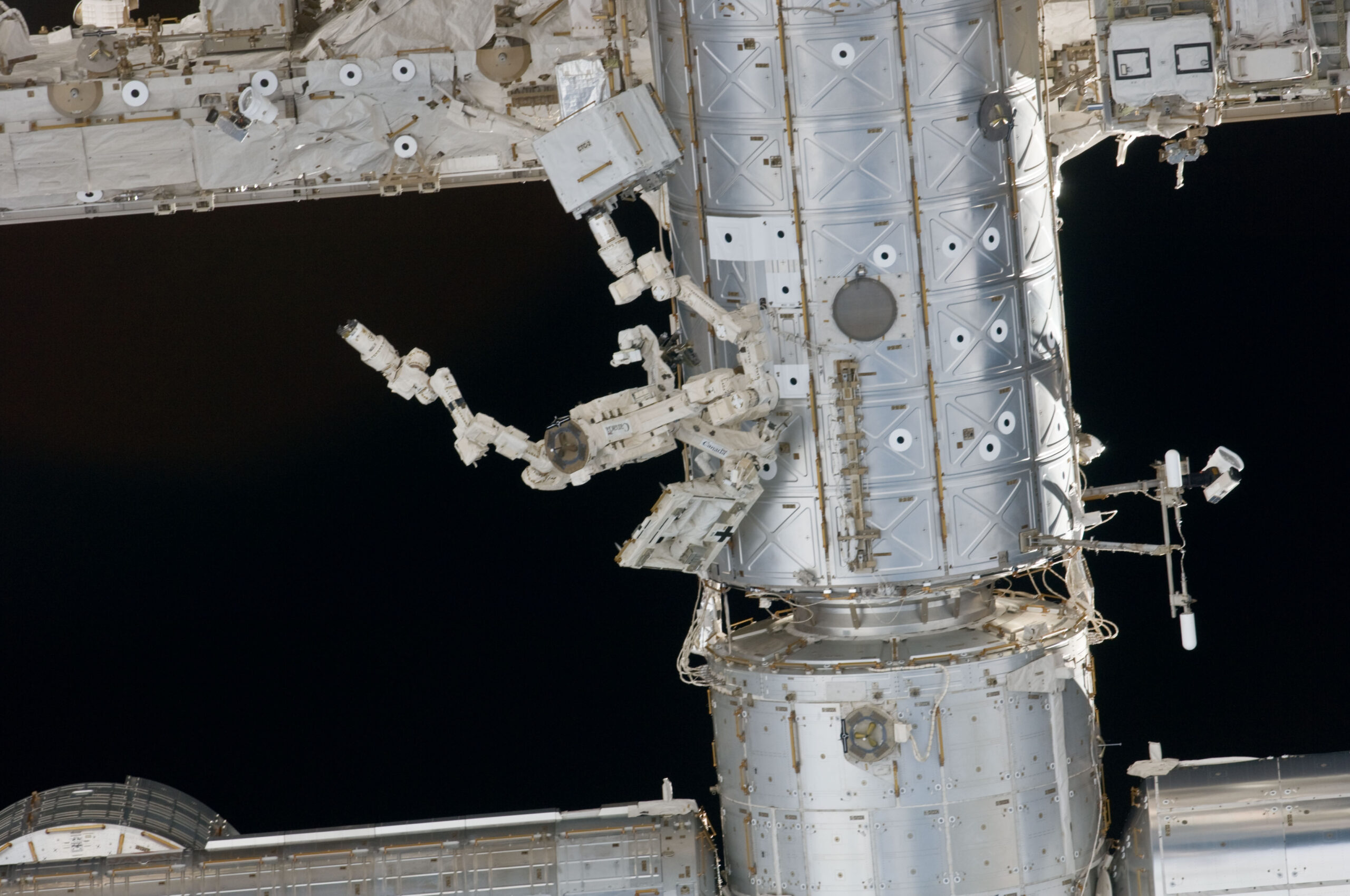
Microbes occupy nearly every environment where people live. They collect on skin, clothing, handles, vents, exercise equipment, and water systems. On the station, air is recirculated and surfaces are reused for years, so the habitat forms a distinctive microbiome: the community of bacteria, fungi, and other microorganisms sharing that built environment.
That community is not a sign of poor housekeeping. Humans constantly shed microbes, and eliminating every organism would be neither possible nor desirable. Regular cleaning keeps their numbers under control, while filters and environmental monitoring help crews watch for changes. The scientific challenge is to distinguish ordinary microbial residents from organisms or genes that could raise the risk of infection.
A 2018 survey of station surfaces found that their microbial diversity was comparable with the diversity found in homes. Other studies have identified bacteria associated with human skin and the gut, which is exactly what researchers would expect in a crewed habitat. The important question is not simply, “Are bacteria there?” It is whether potentially harmful strains remain viable, spread between locations, form hard-to-remove biofilms, or resist the limited medicines available during a mission.
What the GEARS experiment actually measures
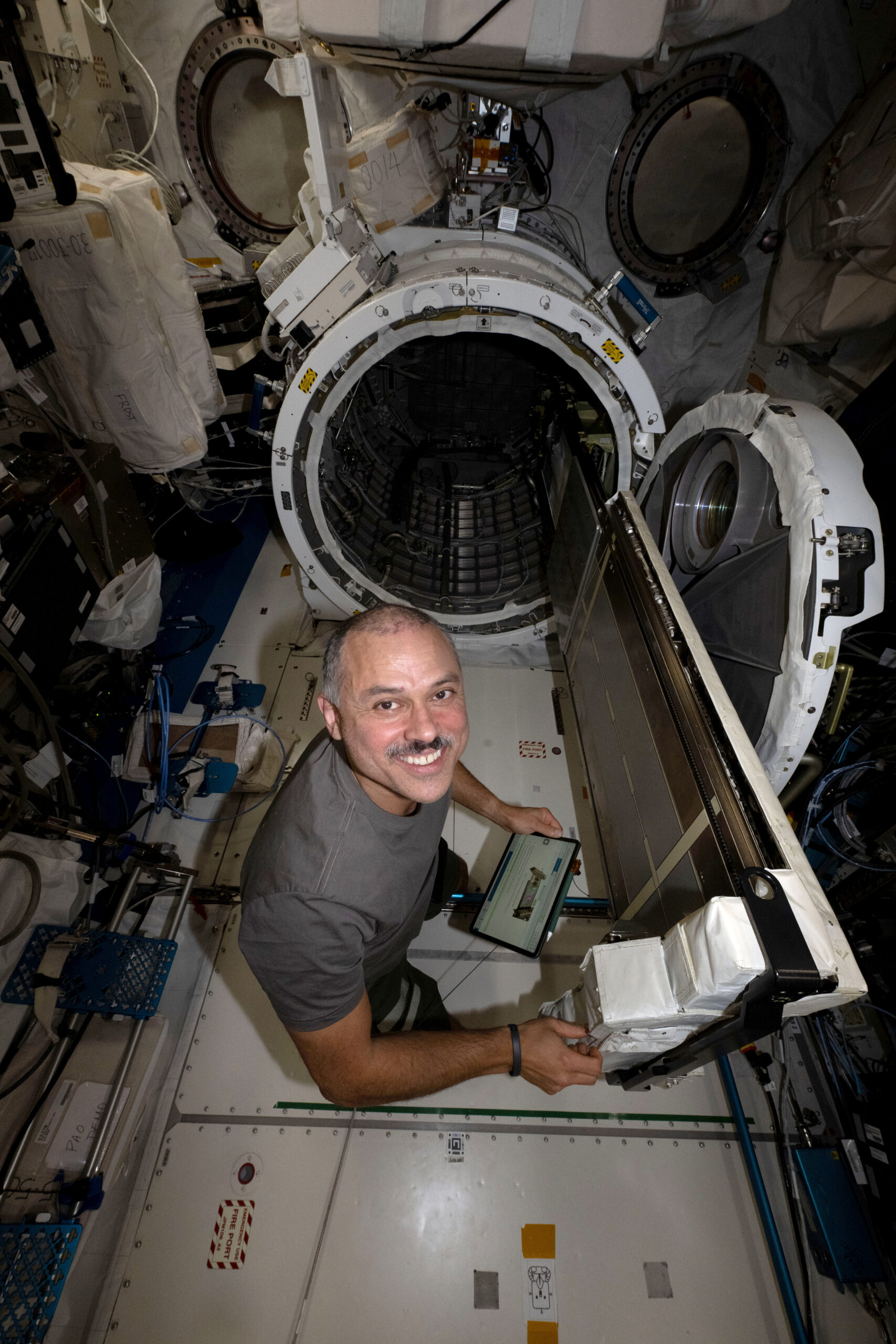
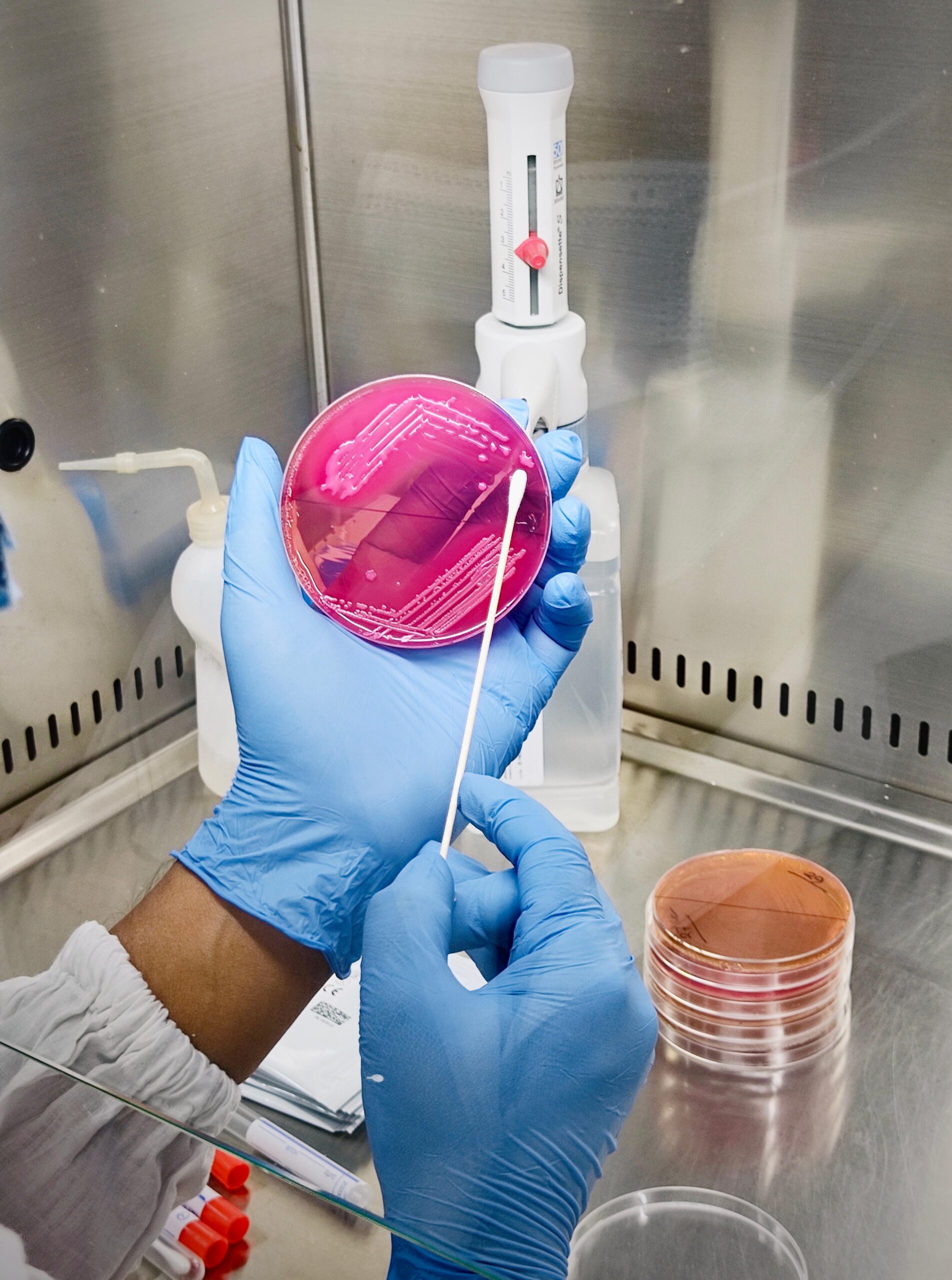
GEARS focuses on antibiotic resistance at the level where it matters most: living organisms collected from real station surfaces. Crew members swab selected locations, grow organisms from the samples, and expose the cultures to an antibiotic. They can then see which colonies continue growing and examine their genetic material to identify both the organisms and resistance-related genes.
One organism of particular interest is Enterococcus faecalis. It commonly lives in the human digestive tract without causing harm, but it can produce difficult hospital-acquired infections when it reaches vulnerable parts of the body. Some strains resist several antibiotics. Its ability to survive inside and outside a host makes it a useful organism for studying persistence in a built environment.
The first GEARS sampling run, launched in 2024, produced a reassuring result: NASA reported very few resistant colonies and no E. faecalis among them. Researchers also recognized an important complication. Cleaning had occurred before some surfaces were sampled, which may have removed organisms that the team hoped to measure. Later sampling briefly left selected high-touch areas uncleaned so scientists could observe a more representative microbial pattern without compromising crew safety.
The experiment also tests an operational skill that future crews will need. GEARS is NASA’s first study to perform metagenomic sequencing in space, examining the combined genetic material in a sample rather than waiting for it to return to Earth. The team aims to shorten the time from swab to useful result from days to hours. On a Mars mission, where a sample cannot be sent to a ground laboratory for rapid confirmation, that speed could guide treatment and cleaning decisions.
Microgravity changes the environment, not the rules of evolution
Headlines sometimes suggest that bacteria become “superbugs” simply because they enter orbit. The biology is more careful than that. Microgravity changes how fluids mix, how nutrients reach cells, how waste products move away, and how microbes interact with surfaces. Radiation, confinement, cleaning chemicals, and repeated contact with people add other pressures. Any of these conditions can affect growth, gene activity, biofilm formation, or competition between strains.
Antibiotic resistance still arises through familiar mechanisms. A bacterium may already carry a resistance gene, gain one from another organism, or acquire a mutation that improves survival. Antibiotic exposure then favors resistant cells because susceptible competitors die. Spaceflight can change the setting in which selection occurs, but finding a resistance gene aboard the station does not prove that microgravity created it.
That distinction matters because genetic potential and clinical danger are not the same thing. DNA from a resistance gene may come from a dead cell. A gene may be present but inactive. An organism may resist one drug in a laboratory test yet remain harmless to a healthy person. Researchers therefore combine several kinds of evidence: culture to show that organisms are alive, sequencing to identify genes, susceptibility tests to measure drug response, and repeated sampling to see whether a strain persists or spreads.
What earlier station studies have found
The station is not a blank slate. In 2018, a team led by researchers at NASA’s Jet Propulsion Laboratory reported resistance-related genes in samples taken from 24 surfaces across three sampling periods. A separate study in the journal Microbiome examined eight locations and found that some microbial species and resistance signatures persisted over time. These results justified closer monitoring, but they did not establish an outbreak or show that astronauts were being infected.
Later work has made the picture more precise. The Microbial Tracking-2 project detected 29 antimicrobial-resistance genes across its samples while documenting how bacteria and fungi changed over another 14 months. A 2026 comparison of bacterial isolates from the station and German schools found no detectable overall increase in antibiotic resistance among the space isolates under the conditions tested. Results like these push against a simple frightening story: the station contains resistance genes, yet its microbes do not automatically become more resistant merely by living in orbit.
Sampling design can strongly influence what scientists see. A recently disinfected handrail may yield almost nothing, while a frequently touched surface may reveal a richer community. Culture methods miss organisms that will not grow under the chosen laboratory conditions, while DNA sequencing can detect material from cells that are no longer alive. Repeating the same measurements across time and location is what turns a microbial snapshot into evidence about persistence and change.
Why the answer matters beyond low Earth orbit
On the station, crews can receive regular cargo deliveries, consult specialists on Earth, and return home relatively quickly. A lunar base would have fewer resupply opportunities, and a Mars crew could be months away from replacement medicines. Medical kits must be compact, drugs can lose potency over time, and the crew cannot carry every possible antibiotic. Rapid identification would help astronauts choose the treatment most likely to work instead of relying on trial and error.
The research may also improve infection control on Earth. Hospitals, nursing facilities, submarines, and remote research stations share part of the station’s challenge: people live or work in enclosed spaces where microbes can persist on high-touch surfaces. A faster workflow for detecting resistant organisms could help staff isolate a problem, select cleaning measures, and choose effective medicines sooner. Spaceflight makes the constraint obvious, but the diagnostic need is familiar.
GEARS is valuable precisely because its question is modest and testable. Researchers are mapping real organisms, checking whether they survive antibiotics, and learning how to perform sophisticated genetic analysis with limited equipment. The fourth sampling run will add another point in time rather than deliver a single dramatic verdict. That patient accumulation of evidence is how crews learn to manage an invisible part of their habitat before journeys take them much farther from Earth.