
 Akshay Dinesh
When cold weather settles over a pond or woodland, reptiles seem to vanish. Snakes leave the trails, turtles disappear below the water, and lizards no longer dart across warm stones. They have not migrated in the way many birds do, and most are not sleeping in the ordinary sense. Many have entered brumation, a cold-season slowdown that lets an ectothermic animal survive when heat and food are scarce.
Brumation is often called the reptile version of hibernation, but that shortcut hides the most interesting part. A reptile’s body temperature follows its surroundings much more closely than a mammal’s does. As the environment cools, movement, digestion, heart rate, and energy use all slow with it. The animal survives by choosing a protected place, reducing demand, and waiting for conditions that allow normal activity again.
Cold Changes a Reptile’s Entire Pace of Life
Reptiles are ectotherms: most of the heat that powers their bodies comes from outside sources such as sunlight, warm soil, water, and rock. That does not mean their bodies are always cold. A basking lizard can become quite warm, and reptiles often move between sun and shade to keep their temperature within a useful range. What they cannot do is hold a high, steady body temperature by burning food as birds and mammals do.
Temperature affects the speed of chemical reactions throughout a reptile’s body. When tissues cool, muscles contract more slowly, digestion stalls, and the nervous system responds less quickly. A meal that is useful in summer can become dangerous if cold arrives before it is digested. This is why many reptiles stop feeding before winter dormancy even begins.
The slowdown brings a major advantage: a cool reptile needs far less energy. Fat stored during the active season can last for weeks or months because the animal is barely moving and is not spending calories to heat itself. The National Park Service notes that brumating reptiles generally do not eat through the cold months, although some must still drink. Brumation is therefore not a trick for producing warmth. It is a way of making very little energy last.
Brumation and Hibernation Are Related, Not Identical
Both brumation and hibernation are forms of dormancy. In each case, metabolism falls and an animal lives on stored energy while food is difficult to find. The difference lies partly in how the slowdown begins and how body temperature is controlled.
A true mammalian hibernator actively regulates a dramatic drop in metabolism. Ground squirrels, for example, can lower body temperature to near freezing and later generate enough internal heat to warm themselves during brief arousals. A brumating reptile is more directly constrained by the temperature of its shelter. Its metabolism falls because the animal and its environment have cooled together.
The boundary is not perfectly tidy. Scientists use several terms, including hibernation, winter dormancy, torpor, and brumation, and older wildlife sources sometimes call reptile dormancy hibernation. Species also differ. A snake may become active during a mild winter spell and then retreat again, while an aquatic turtle may remain almost motionless underwater for months. Brumation is a useful biological category, not a claim that every reptile follows one identical schedule.
Day length and seasonal rhythms can help prepare an animal before the coldest weather arrives. Falling temperatures then limit activity more directly. The timing varies with latitude, altitude, local weather, species, age, and the quality of the winter shelter. A garter snake in northern Minnesota faces a different winter from a lizard in coastal California, even though both depend on environmental heat.
A Safe Winter Address Matters as Much as the Slowdown
Brumation works only if the animal avoids freezing, flooding, dehydration, predators, and sudden temperature swings. Terrestrial reptiles seek places where conditions remain more stable than the air above ground. Rock crevices, abandoned mammal burrows, spaces beneath roots, and deep cracks can reach below the frost line and buffer rapid changes in weather. Such a shelter is called a hibernaculum.
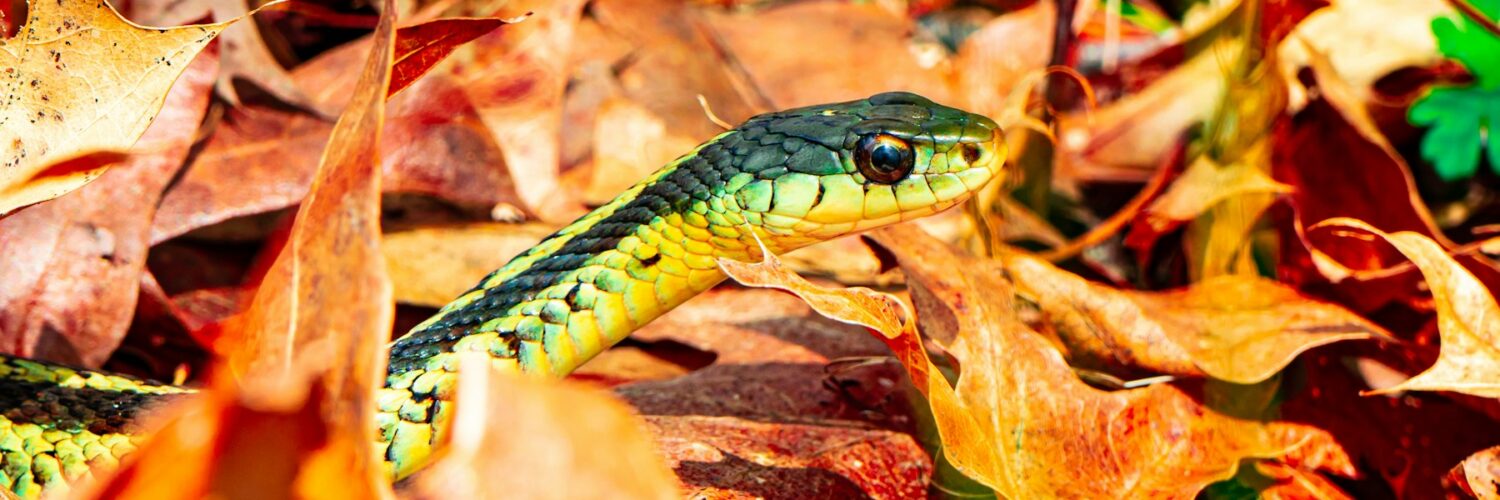
Some snakes return to the same hibernaculum year after year. The National Park Service reports that common garter snakes can gather in large numbers and may share winter quarters with snakes of other species. This does not necessarily mean the animals are keeping one another warm; as ectotherms, they do not produce enough heat for a mammal-like huddle. A good den is simply rare and valuable, so many individuals converge on the same reliable place.
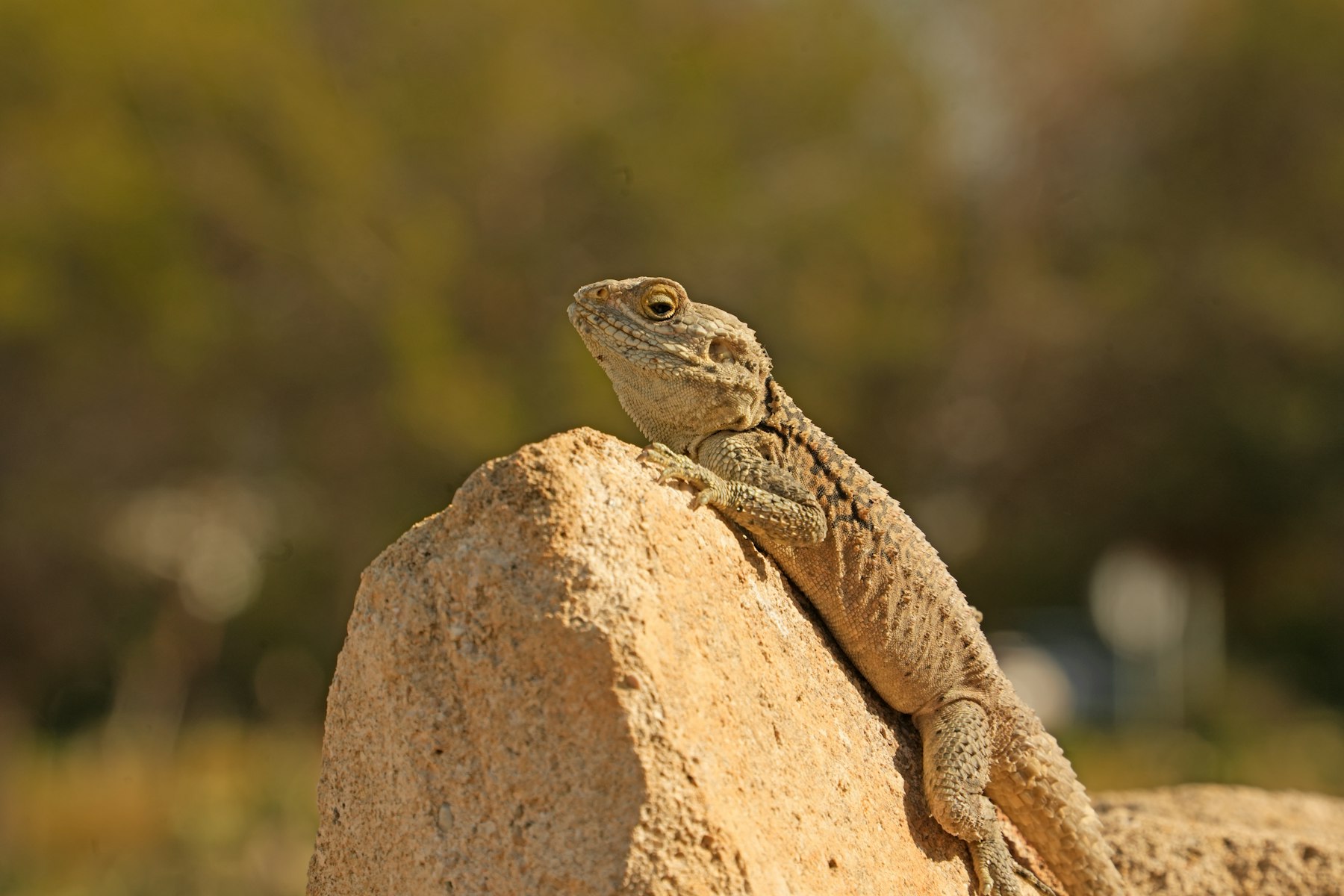
Not all winter shelters are deep underground. Lizards may use rock piles, woody debris, or existing burrows. Land-dwelling turtles can settle into loose soil and leaf litter. The correct depth is a balancing act: the refuge must be cool enough to keep metabolism low but protected enough to avoid lethal freezing and drying.
This dependence on particular sites makes disturbance costly. Moving rocks, sealing foundation gaps while animals are inside, or excavating a known den can destroy a shelter used by generations. Anyone who encounters a group of snakes or another wild reptile should keep a generous distance and avoid handling it. A warm winter day can bring a sluggish animal to the surface, but slow movement does not make a venomous species harmless.
Painted Turtles Can Wait Beneath an Icy Pond
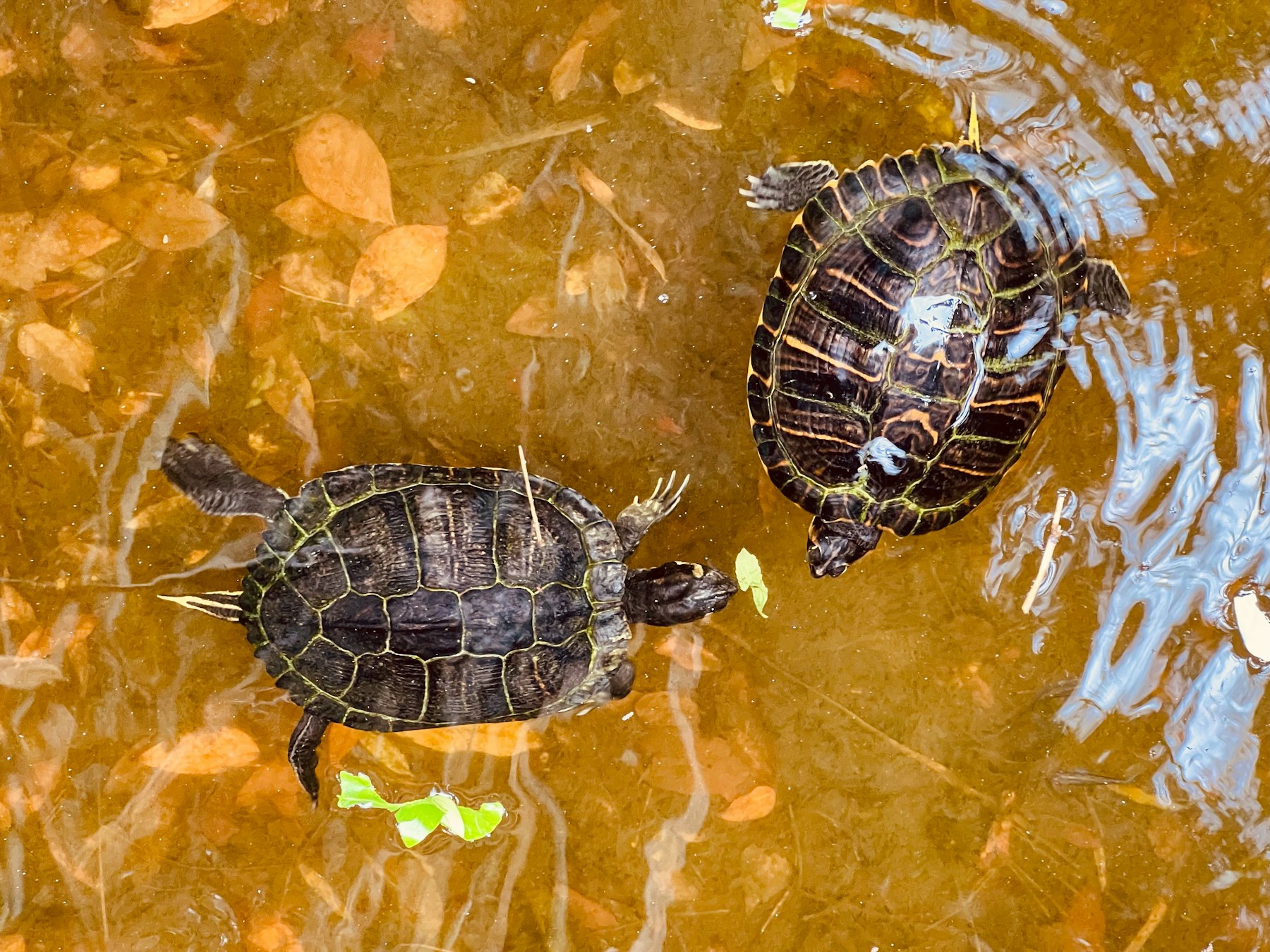
Aquatic turtles use a different winter refuge. Many settle into the mud or rest on the bottom of ponds where water remains liquid beneath surface ice. Water is densest at about 4 degrees Celsius, so a deep pond can preserve a cold but comparatively stable layer even when the air above it is far below freezing.
The central problem is oxygen. Early in winter, some turtles can absorb dissolved oxygen across thin, blood-rich tissues, including surfaces near the mouth and cloaca. As ice and snow block light and pond organisms consume oxygen, the supply may fall sharply. Painted turtles are exceptional because they can tolerate long periods with little or no oxygen while their cold bodies use energy at an extremely low rate.
Without oxygen, cells rely more heavily on anaerobic metabolism, which produces lactic acid. Too much acid would normally disrupt the body’s chemistry. A painted turtle’s mineral-rich shell and skeleton help buffer that acid and can store some of the resulting lactate. The shell is therefore more than armor: during an oxygen-poor winter, it becomes part of the animal’s chemical life-support system.
University of Illinois veterinary educators report that painted turtles can remain underwater without breathing air for periods measured in months. That ability should not be generalized to every turtle or every pond. Species differ in cold and oxygen tolerance, and a shallow pond that freezes solid offers no safe liquid refuge. Successful brumation depends on the match among the animal, the habitat, and the particular winter.
Winter Is a Pause, but It Is Not Risk-Free
A stretch of warm weather may temporarily rouse a brumating reptile. Snakes sometimes emerge to bask or find water, then return to shelter when temperatures fall. These brief appearances show why brumation should not be pictured as months of unbroken sleep. The animal remains capable of responding when the environment crosses a useful threshold.
That flexibility has limits. Repeated warm spells can raise energy use before prey is available. A sudden freeze after early emergence can catch an animal far from shelter. Flooding can drown reptiles in underground dens, while drought can dry out refuges. Climate change does not simply make winter easier for ectotherms; it can alter the timing and predictability on which their seasonal routines depend.
Spring emergence begins when the surrounding world can again support movement, digestion, and feeding. A lizard may bask before it hunts. Snakes leave communal dens and spread across their summer ranges. Turtles rise through the water column and return to logs or banks where sunlight warms their bodies.
The first basking reptile of spring is doing more than enjoying the sun. Heat is restoring the speed of muscles, nerves, and digestion after a season lived at minimum power. Brumation succeeds because the animal does not fight winter on winter’s terms. It finds a stable refuge, lets the cold slow nearly everything, and resumes active life only when the landscape can supply the heat it needs.






Add comment