

 Akshay Dinesh
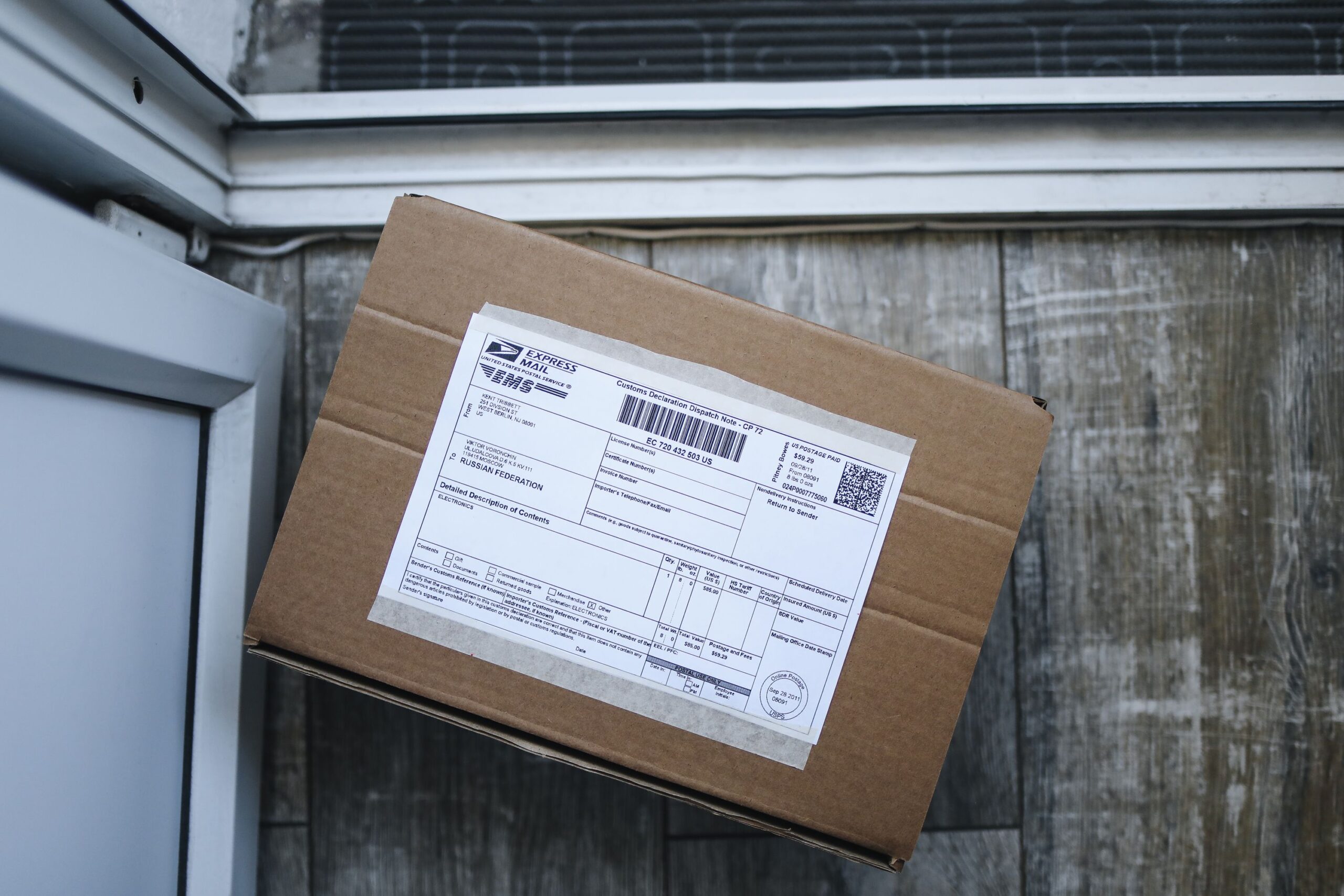
A package arrives with your name on it, but you cannot remember ordering what is inside. It could be a genuine gift, an old order, or a delivery mistake. It could also be part of a brushing scam: a seller sends an unsolicited item and uses the delivery to support a fake review. Before following any instructions in the box, check where it came from independently and look for unfamiliar activity in your accounts.
In a 2026 consumer alert, the Federal Trade Commission (FTC) described reports involving inexpensive, seemingly random goods. The item itself is not necessarily the main attraction for the sender. The delivery can help create the appearance of a real transaction, while a convincing review may influence the next shopper. Some packages also carry a separate risk: a QR code that leads to a fraudulent site.
How a brushing scam works
In a traditional brushing scheme, a seller sends merchandise to someone who did not order it and uses the recipient’s information to post a positive review. The U.S. Postal Inspection Service explains that the aim is to make the review look as though it came from a real buyer, improving the product’s apparent reputation and encouraging genuine sales. A cheap item and postage are costs the seller hopes to recover through later purchases.
Imagine a small gadget with dozens of glowing reviews. If some reviews were fabricated after unsolicited deliveries, the rating may give shoppers a false impression of satisfaction. A tracking record can show a parcel was delivered; it does not establish that the recipient chose the product, used it, or wrote a review. Nor does every package automatically produce a verified review: marketplaces have different systems for checking transactions and policing deceptive reviews.
A name and address can be obtained in different ways, including from information already available online. Receiving a parcel does not, by itself, prove that someone knows your password or has charged your card. It is nevertheless a reason to check, because the FTC notes that unsolicited merchandise can sometimes be associated with account misuse. The package is a clue, not a diagnosis.
First, rule out an ordinary delivery
Look at the label without using contact details or codes supplied inside the parcel. Is it actually addressed to you, or was a neighbor’s delivery left at your door? Ask members of your household whether they ordered it, and consider gifts, subscriptions, replacements, and purchases that may have been delayed or shipped separately. A surprising delivery is not automatically a scam.
Next, open your shopping accounts by typing the retailer’s known address or using its official app. Compare the item and tracking details with your order history, and check recent payment-card and bank transactions. If the package appears to come from a marketplace, contact that marketplace through its independently located support channel. Save the label and any order details for the report, but avoid sharing photographs that expose your address or tracking number publicly.
If the parcel was meant for someone else, contact the carrier through its official channel for instructions; do not assume merchandise addressed to another person is a free gift to you. And if a package or its contents seem physically suspicious, do not handle them further. The Postal Inspection Service advises following its suspicious-mail guidance; unknown liquids, substances, food, plants, or seeds may require specific handling. Do not plant mystery seeds.
Why an unexpected QR code changes the risk
A note may promise to reveal the sender or explain how to return the item if you scan a code. That invitation is a different mechanism from fake-review brushing. The FBI has warned that QR codes in unsolicited parcels can direct people to sites seeking personal or financial information, or to malicious software. A familiar logo or a polite gift message is not proof that the destination is trustworthy.
Do not scan a code from an unknown sender to solve the mystery. Instead, visit the retailer or carrier through a known website or app and use its normal support process. Similarly, do not call a number or follow a link from a note simply because it appears in the box. A request for a small return fee or urgent verification should be treated with particular caution.
If you already scanned, what you did next matters. Close the page and do not enter information or grant permissions. If you entered a password, the FTC recommends changing it immediately and turning on two-factor authentication; change it anywhere else you reused it too. If you supplied payment details, contact the card issuer or bank using a trusted number, explain what happened, and monitor transactions. If you downloaded something or approved unexpected access, disconnect as appropriate and seek help from the device maker’s official support.

Check accounts and report what you find
The FTC’s 2026 brushing alert recommends changing online-shopping passwords in case accounts were compromised and contacting the marketplace if the parcel appears to come from one. Use a unique password for each account and enable two-factor authentication where available. Look for orders, saved addresses, payment methods, or reviews you do not recognize, and report questionable activity to the platform.
Review card and bank statements for transactions you did not authorize. If you find one, contact the issuer promptly through the number on your card or its official app. You can also check your credit reports through AnnualCreditReport.com for unfamiliar accounts. A credit report can help reveal certain identity theft, although it will not show every kind of account misuse.
For suspected identity theft, IdentityTheft.gov provides a recovery plan tailored to the information involved. Report a suspected scam to the FTC at ReportFraud.ftc.gov, and tell the marketplace about any fake review you find. Keep a record of the order information and the people you contact. You do not need to prove exactly how a scam worked before raising a concern.
Do you have to pay for or return it?
In the United States, the FTC says a company cannot send you unordered merchandise and then demand payment. Its guidance on unordered merchandise says you generally do not have to return it and may keep it as a free gift. That does not settle every delivery situation: an item addressed to a neighbor, a mistaken delivery, an existing subscription, or an unauthorized charge calls for its own follow-up with the carrier, seller, or payment provider.
Even when an item is yours to keep, be cautious about using an unknown product. The Postal Inspection Service says an unopened USPS parcel with a return address may be marked “return to sender” and returned at no charge. For suspicious contents or organic material, follow the relevant authorities’ instructions rather than treating the item as ordinary trash.
An unexpected package is worth investigating calmly. Check the address and your own records, reach the company through a channel you found yourself, and treat any demand to scan, pay, or reveal information with skepticism. Those steps help distinguish an ordinary surprise from a scheme designed to turn a delivery into a misleading review or an opportunity for fraud.





Add comment