

 Akshay Dinesh
A gift card can look like an easy present, yet the recipient may discover that the balance is already gone. One possible explanation is gift card draining: someone obtains a card’s number and security code before the customer buys it, then uses those details after the card is activated. The buyer may have paid at a legitimate store and kept the card the whole time. A missing balance does not automatically prove theft, but it is a reason to contact the card issuer promptly.
Draining is different from a scam in which a stranger persuades someone to buy gift cards and read out the codes. Both involve protecting the numbers as carefully as cash. With a physical card on a store display, though, the buyer may never realize anyone else had access to them.
How a card can be drained before it is given
Many gift cards are displayed before they have any value. At checkout, the retailer activates the card and loads the amount paid. The Federal Trade Commission (FTC) warns that someone can tamper with a card on a display, obtain the card number and PIN, and wait until a customer adds money. The person can then use the captured details without holding the physical card.
Imagine buying a $50 card for a friend. The receipt shows a $50 purchase, but when your friend tries to redeem it, the issuer reports little or no balance. That could be draining, an activation problem, a transaction mistake, or another issue. The receipt and the card details give the issuer a starting point for investigating; they do not by themselves establish what happened.
The security code is meant to restrict use of the card, but a code cannot protect the balance if someone has already copied it. Some tampering may be concealed, so an intact-looking package is reassuring only to a point. It is not a guarantee that the card is safe.
What to check before buying
Buy from a retailer you know and trust. Look at the packaging and the card for torn or loose material, damaged protective stickers, or a PIN that is already exposed. Compare the card with others on the display for anything noticeably different, while remembering that packages can vary. Do not scratch off a code or open sealed packaging before buying it.
If a card looks suspicious, show it to a cashier or manager rather than putting it back. The FTC notes that cards may be tampered with in batches, so consider buying from a different store if you find signs of interference. A card kept behind a counter may have had less public access, although its location alone cannot guarantee its security.
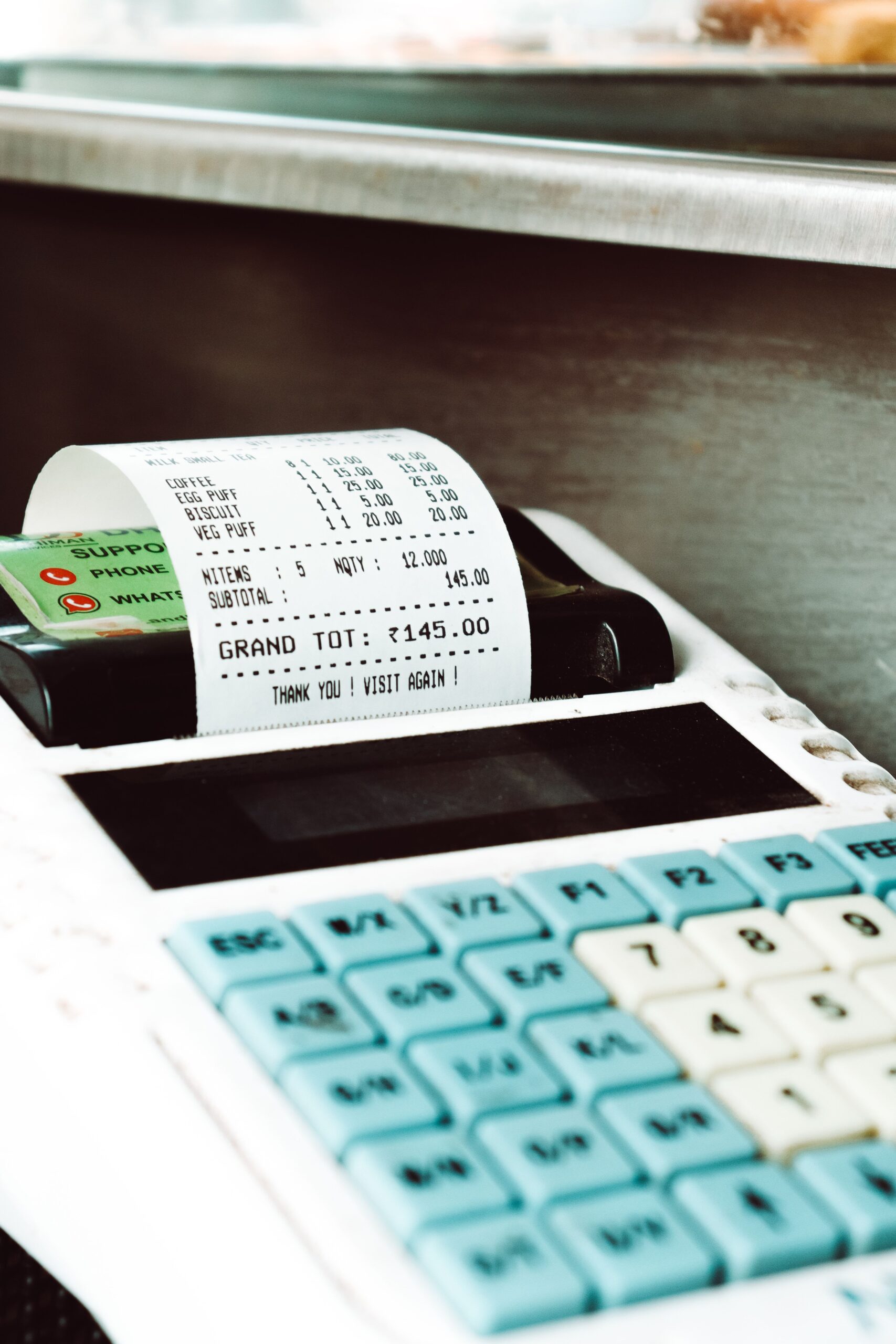
When available, ask the cashier for the activation receipt and check that the amount and card identifier on it correspond to your purchase. Keep the purchase receipt, activation receipt, packaging, and card information in a secure place. The FTC recommends retaining copies of the card and receipt because they can help when reporting a problem. Protect any photographs of the number and PIN: anyone who can see them may be able to spend the balance.
Are digital gift cards safer?
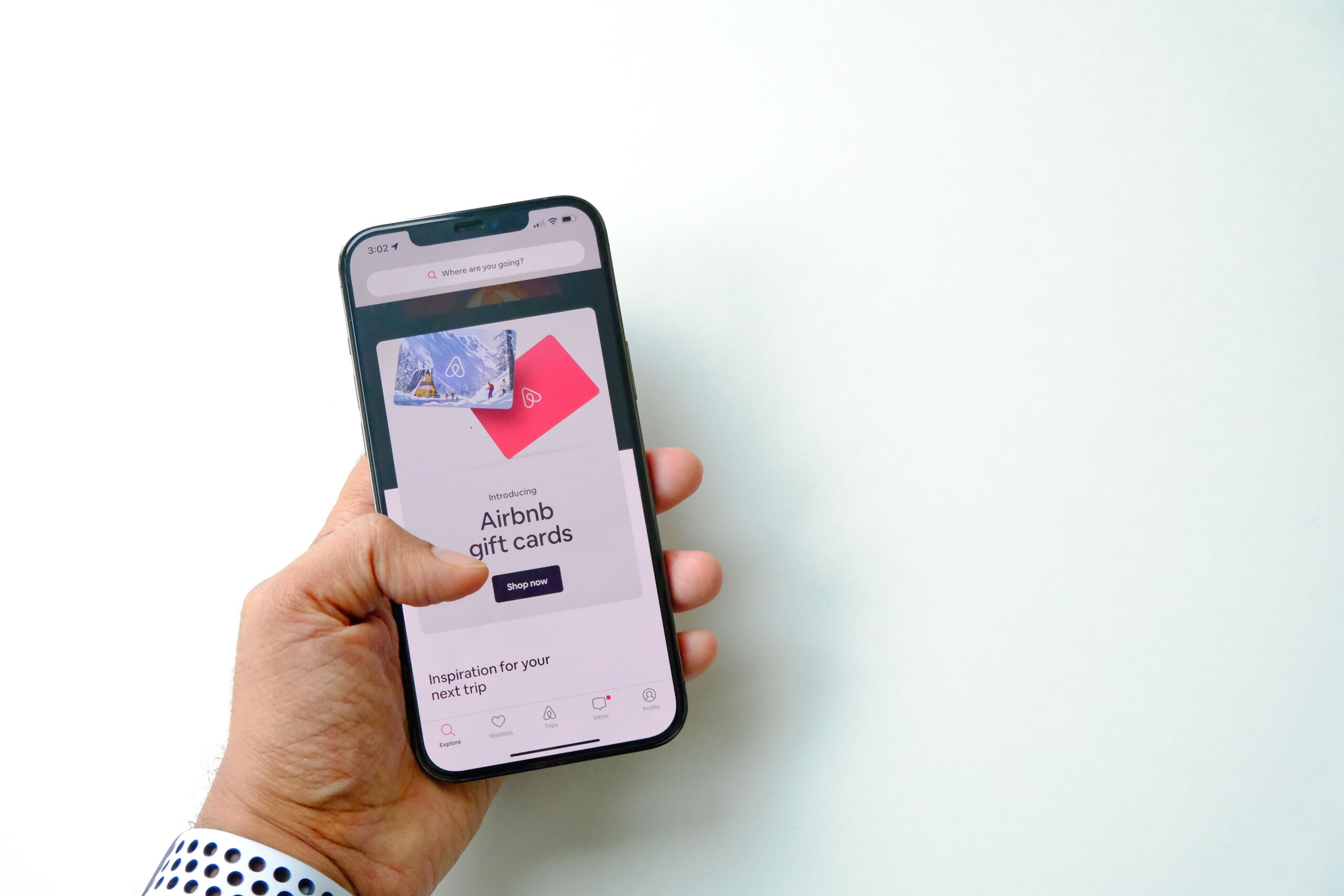
A digital gift card purchased directly from the retailer or issuer avoids the exposed physical rack. It does not remove every risk: an email account can be compromised, a message can be sent to the wrong address, or a lookalike site can collect payment details. Navigate to the seller’s known official website or app yourself, check the recipient’s address carefully, and treat the delivered code as private.
Be wary of unsolicited messages offering a free card or asking you to click a link to claim one. A genuine-looking message is not proof of a genuine offer. Separately, if someone claiming to be a government official, a technician, or a person in an emergency tells you to pay by buying gift cards and sharing the codes, stop. The FTC identifies demands for gift-card payment as a scam, regardless of the story used to create urgency.
What to do if the balance is missing
First, check the balance through the issuer’s official website, app, or telephone number from a trusted source. Make sure you are checking the right card and that the purchase was activated. Do not enter the code into a search result or message link without verifying the destination. If the balance is unexpected, contact the gift card company promptly, explain the problem, and ask it to investigate and refund or replace the value.
Have the card, its packaging, the purchase and activation receipts, the purchase date, and the amount available. Ask for a case number and keep a record of your communications. Notify the store where you bought it as well, particularly if the packaging looks suspicious. Do not throw away the card just because its balance appears empty; its identifying details may be needed.
If you paid with a credit card, contact the card issuer about your options and any applicable deadlines. The FTC says a card issuer may investigate a dispute, but a refund is not guaranteed. In the United States, you can also report suspected fraud at ReportFraud.ftc.gov; reporting does not itself recover the money. The FTC’s gift card guidance provides further reporting information.
A careful inspection, a retained receipt, and a quick report cannot eliminate every risk. Together, they make it easier to spot an obvious problem, protect the details after purchase, and give the issuer useful evidence if a gift does not arrive with the value intended.
Sources: Federal Trade Commission, Check out gift cards before you buy them; Federal Trade Commission, Avoiding and Reporting Gift Card Scams.






Add comment