

 Akshay Dinesh
Airplane mode can seem outdated the moment a plane advertises Wi-Fi before takeoff. If passengers can stream messages, use wireless headphones, and sometimes watch live television from 35,000 feet, why does the phone still need a special flight setting at all? The answer is that airplane mode is not really about making a phone harmless in every possible way. It is about turning off the cellular transmitter, the part of the phone designed to talk to ground-based mobile towers, while letting airlines control which short-range wireless systems are approved on board.
That distinction matters because modern flight rules are not built around one simple myth, such as “one phone can crash a plane.” They combine aviation caution, radio-frequency management, airline testing, passenger communication, and the practical limits of cellular networks. A phone in airplane mode can still be useful during a flight, but it is supposed to stop behaving like a fast-moving cellular device high above the ground.
What Airplane Mode Actually Turns Off
On most phones, airplane mode disables the device’s cellular connection first. That means the phone stops trying to place calls, send texts through the mobile network, or use cellular data. Many phones also turn off Wi-Fi and Bluetooth at the moment airplane mode is switched on, but those two can often be turned back on manually. This is why a passenger can put a phone in airplane mode, reconnect to the aircraft’s Wi-Fi network, and pair wireless earbuds without turning cellular service back on.
Cellular, Wi-Fi, and Bluetooth are all wireless technologies, but they are not the same kind of connection. A cellular signal is meant to reach towers spread across the landscape. Wi-Fi is usually a shorter-range connection to a nearby router or access point. Bluetooth is shorter still, designed for devices close together, such as a phone and headphones. Airplane mode is useful because it separates those systems instead of treating every radio signal as identical.
The Federal Aviation Administration has allowed airlines to expand passenger use of portable electronic devices during all phases of flight when the airline has determined that its aircraft can tolerate that use. That is why small devices such as phones, e-readers, and tablets are commonly allowed gate to gate. The rule is still conditional, though. The airline’s instructions matter, and larger devices still need to be stowed when they could become hazards during takeoff, landing, or turbulence.
Why Cellular Signals Are Treated Differently
The cellular part of a phone is the piece that creates the main rule problem. In the United States, airborne cellular phone use falls under Federal Communications Commission restrictions, while aircraft safety and portable electronic device guidance involve the FAA and airline operators. The two concerns overlap in passenger experience, but they are not the same job. The FAA focuses on whether devices could interfere with aircraft communication or navigation systems. The FCC also cares about how airborne phones interact with the ground cellular network.
A cell phone on the ground usually connects to a nearby tower and hands off from one tower to another as a person moves. A phone in an aircraft is in a very unusual position: high above many towers and traveling quickly. Instead of behaving like a normal ground user, it may see multiple towers over a wide area and keep searching for service. That can create network-management problems even if the phone never threatens the aircraft itself.
This is one reason the “will my phone crash the plane?” question is too narrow. Commercial airplanes are designed with shielding, certification, and safety margins, and airlines evaluate device use under FAA guidance. Still, aviation rules tend to avoid unnecessary radio transmissions in the cabin, especially when a simple setting can turn them off. Airplane mode is a low-effort way to remove a class of signals that passengers do not need while airborne.
How In-Flight Wi-Fi Fits the Rule
In-flight Wi-Fi works because it is part of a system the airline has installed and approved for use. The passenger’s phone is not trying to reach a cell tower on the ground. It is connecting to equipment on the aircraft, much like connecting to a router in a building. From there, the aircraft may use satellite links or air-to-ground systems to move data beyond the plane, depending on the airline and route.
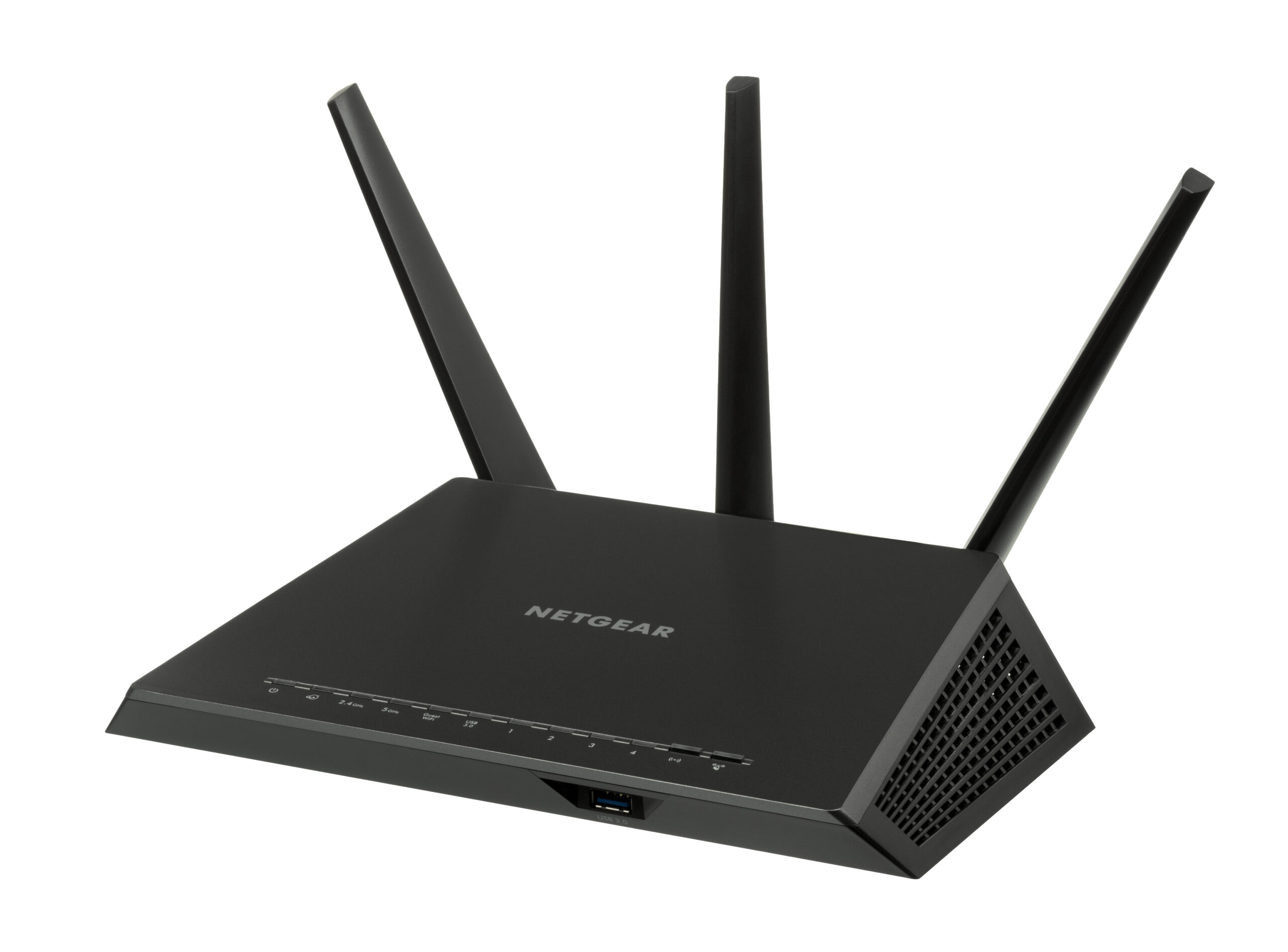
This is why flight attendants often say something like “make sure your device is in airplane mode, then connect to Wi-Fi if available.” The instruction may sound contradictory, but it is technically precise. Keep the cellular transmitter off. Use the aircraft’s Wi-Fi only when the airline permits it. Keep Bluetooth use within the airline’s policy. The goal is not to ban every useful signal; it is to keep passenger devices inside the systems that have been accounted for.
Airplane mode also helps prevent a more ordinary annoyance: battery drain. A phone that cannot find a stable cellular signal may raise its transmitting power and keep searching. During a flight, that search is mostly pointless. Turning on airplane mode stops the hunt for towers, saves battery, and reduces the number of active transmitters in the cabin.
What 5G Concerns Do and Do Not Mean
Recent 5G aviation concerns can make the airplane-mode question more confusing. The widely discussed issue in the United States involved certain 5G C-band signals near airports and aircraft radio altimeters, instruments that help measure an aircraft’s height above the ground. That concern was about ground-based 5G infrastructure operating near aviation equipment frequencies, especially during low-visibility operations. It was not the same as a passenger forgetting airplane mode on a phone.
The FAA said that after aircraft equipment upgrades and mitigation work, the risk of 5G interference for the U.S. commercial airline fleet had been addressed. That episode still teaches a useful lesson: aviation takes radio interference seriously because aircraft systems depend on reliable communication, navigation, and sensing. Even when a risk is specific and technical, the response tends to be cautious, documented, and coordinated across regulators, airlines, manufacturers, and wireless companies.
Passenger phones are much smaller transmitters than cell towers, and they operate in a different context. Still, the larger principle is similar. Radio systems work best when each device uses the right frequency, power level, timing, and location. Airplane mode is a passenger-level version of that discipline. It tells the phone to stop acting like a normal mobile-network device until it is back on the ground.
The Practical Rule for Passengers
For most travelers, the rule is simpler than the technology behind it. Put the phone in airplane mode when the crew asks. If the aircraft offers Wi-Fi, turn Wi-Fi back on and connect through the airline’s network. If Bluetooth is allowed, pair headphones or accessories without reactivating cellular service. If the crew gives a stricter instruction for a particular flight, follow that instruction.
The point is not fear. A forgotten phone is unlikely to create a dramatic emergency, and modern aircraft are built to handle a noisy electronic world. The point is that flight is a tightly managed environment. Thousands of devices, multiple communication systems, air traffic control instructions, aircraft sensors, and passenger safety procedures all have to coexist. A rule that seems small at the seat level can be part of keeping that environment orderly.
Airplane mode has also become more flexible than its name suggests. It no longer means a phone must be useless until landing. It means cellular service stays off while approved short-range connections may come back on. That is why the setting still matters on a Wi-Fi-equipped plane: the Wi-Fi is not proof that every transmitter is welcome. It is proof that some wireless connections are safe and useful when they are part of the aircraft’s approved system.
So the next time airplane mode feels like a leftover rule from an older era, it helps to read it more carefully. The setting is not mainly a panic button for fragile aircraft. It is a radio-management tool, a passenger habit, and a practical compromise. It lets people keep using their devices while respecting the difference between an aircraft network, a nearby Bluetooth accessory, and a phone searching for cell towers from the sky.




Add comment