

 Akshay Dinesh
A text message can feel more personal than an email. It arrives in a place people use for family updates, school reminders, delivery notices, bank alerts, and two-factor codes. That familiarity is exactly what makes smishing so effective. Smishing is phishing by text message: a scammer sends a message that tries to make someone tap a risky link, reply with information, call a fake support number, or pay money for a problem that is not real.
The danger is not only the link itself. The message is designed to create a quick emotional reaction before the reader has time to check the details. It may say a package cannot be delivered, a toll balance is overdue, a bank account has suspicious activity, or a job offer is waiting. The Federal Trade Commission reported that people lost $470 million to scams that started with text messages in 2024, more than five times the reported amount in 2020. That number almost certainly misses many cases, because many people never report fraud.
Why smishing works so quickly
Texting trains people to respond fast. A phone buzzes, the preview looks urgent, and the action seems small: tap a link, pay a few dollars, reply yes or no, confirm a delivery address. Scammers take advantage of that speed. They do not need every message to fool someone; they need enough people to react before checking whether the message makes sense.
Good smishing messages often borrow the shape of real notifications. A real bank may send fraud alerts. A real shipping company may send tracking updates. A real toll agency may collect payments online. The scam copies the situation, then adds pressure. A small unpaid fee may become a threat of late charges. A package delay may become a warning that delivery will fail. A fraud alert may ask for a reply that connects the victim to a fake support conversation.
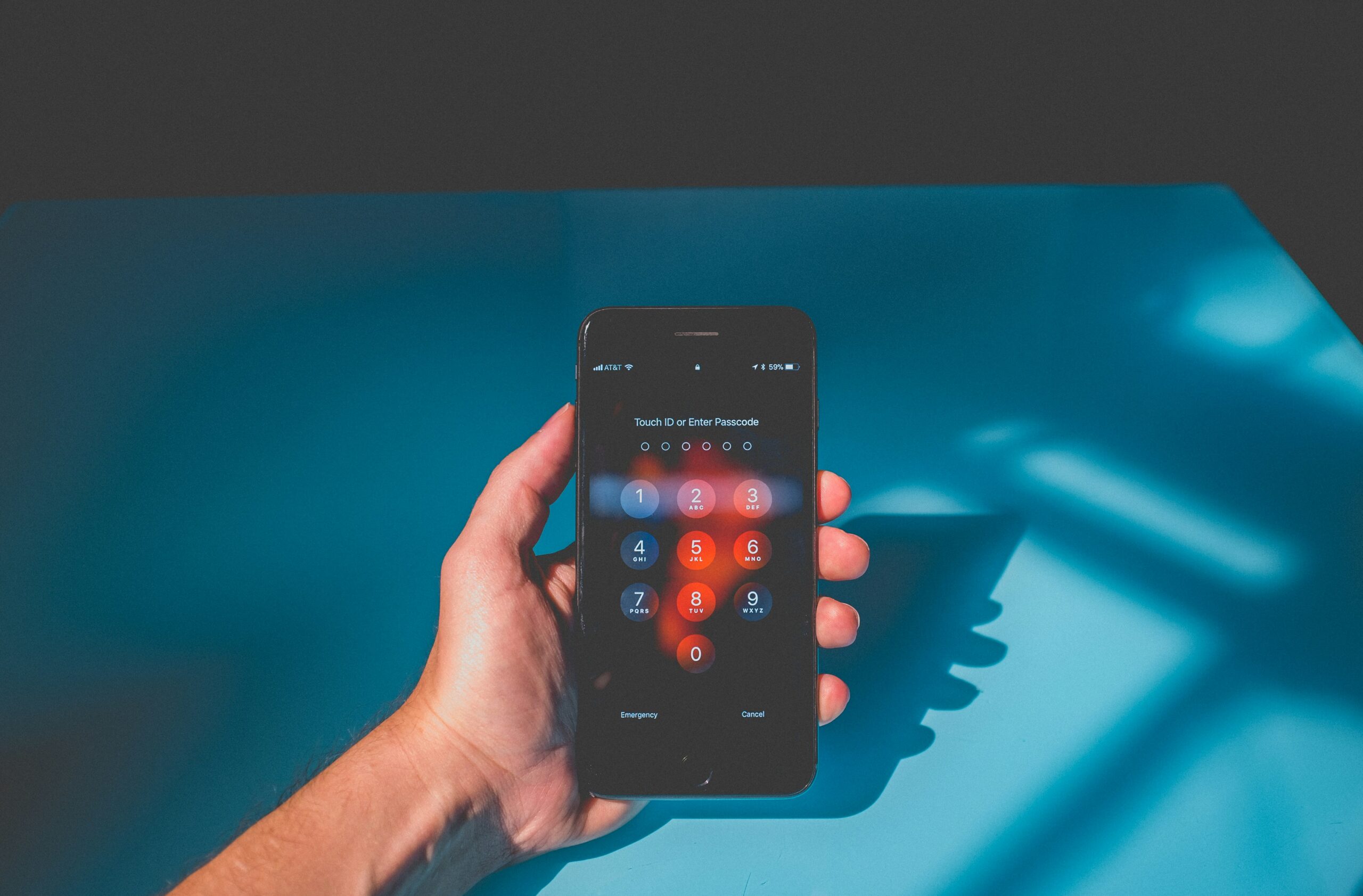
The phone also gives scammers a useful disguise. A short text leaves little room for context, and a sender name can be missing, spoofed, or replaced by an unfamiliar number. A link can be shortened, misspelled, or made to look close to a familiar brand. On a small screen, those differences are easy to miss, especially when the message is written to make the reader feel rushed.
The most common hooks are ordinary situations
Many smishing scams work because they do not sound dramatic at first. The FTC’s 2024 text-scam analysis found that fake package delivery problems were the most reported text scam pattern. These messages often claim to be from a mail carrier or delivery service and say there is a problem with an address, customs fee, or redelivery charge. The small fee is bait. Once a person enters card details, the scammer may have enough information to make charges or attempt broader identity theft.
Unpaid toll messages have become another common example. The FBI’s Internet Crime Complaint Center warned in 2024 that complaints about fake road-toll collection texts had appeared across multiple states. These messages may mention a local toll program or road authority, which makes them feel more believable. The scam is often not about the tiny toll amount; it is about collecting payment details and personal information.
Fake fraud alerts use a different kind of pressure. A message may claim there was a large purchase, suspicious login, or blocked transaction. Sometimes it asks the reader to reply yes or no. Sometimes it lists a phone number to call. Once the victim responds, the scammer can continue the conversation and pretend to be helping. That conversation may lead to passwords, verification codes, bank transfers, gift cards, or remote access to a device.
Job and task scams can begin with casual texts too. A message may offer flexible work, easy pay, or a vague recruiting opportunity. The first step may seem harmless, but the goal is to move the person into a longer exchange where the scammer asks for money, financial details, or identity documents. For students looking for summer work or remote side jobs, this pattern can be especially tempting because it connects to a real need.
What happens after the risky link
The link in a smishing text usually has one job: move the reader away from the safer pause they might take in a normal moment. It may lead to a page that imitates a company, agency, delivery service, or payment form. The page may ask for a name, address, phone number, card number, login, Social Security number, or verification code. Even when the first request looks small, the information can be combined with other data later.
Some links are built to steal account access. A fake sign-in page can collect a username and password. If the scammer also asks for a one-time code, they may be trying to pass a real login challenge while the victim is still on the fake page. That is why verification codes should be treated like keys, not like ordinary numbers. A real support worker should not need a code that was sent to prove control of your account.

Other links lead to payment forms. The amount may be low because a low amount feels safe. A two-dollar redelivery fee or a six-dollar toll balance sounds less suspicious than a large demand. The small payment can still expose a card number, billing address, and security code. It can also confirm that the phone number belongs to someone willing to interact, making the person a better target for future scams.
Not every smishing attempt depends on a link. Some messages ask the reader to call a number, reply to the text, or continue on a messaging app. That keeps the scam conversational. A person who would never type a password into a strange form may still reveal information slowly when someone claims to be from a fraud department, shipping office, school employer, or government program.
How to check a text before acting
The safest habit is to separate the message from the action. If a text says there is a bank problem, open the bank’s app directly or use the number on the back of the card. If a message says a package has a delivery issue, go to the carrier’s official tracking page through your own browser or the company’s app. If a toll notice looks real, search for the toll agency separately instead of using the link in the text. The important move is simple: do not let the message provide both the warning and the path to solve it.
Look closely at the wording, but do not rely only on grammar. Some scam texts have obvious errors, strange spacing, or awkward language. Others are clean and convincing. Better warning signs include unexpected urgency, a request for payment through a link, pressure to keep the issue secret, a demand for a verification code, or a message that asks for more information than the situation should require.
There is also a useful difference between information and action. A legitimate text may tell you that a statement is ready or that a package is on the way. A risky text often pushes you to do something immediately. That does not prove every action request is fake, but it does mean the next step should happen outside the text thread.
Reporting helps too. The FTC advises forwarding suspicious text messages to 7726, the number used by wireless providers for spam reports, and reporting fraud through ReportFraud.ftc.gov. The U.S. Postal Inspection Service asks people who receive USPS-related smishing messages to report them without clicking the link. For serious losses or cybercrime, the FBI’s Internet Crime Complaint Center is another reporting path.
If you tapped, slow the damage down
Tapping a link is not a reason to panic, but it is a reason to stop. Do not enter more information. Close the page, take screenshots if you may need to report it, and use a known safe route to check the account the message claimed to involve. If you entered a password, change it from the real app or official sign-in page. If that password was reused somewhere else, change it there too.
If you entered card information, contact the card issuer using the number on the card or inside the banking app. Watch for small test charges as well as larger ones. If you shared a Social Security number, account number, or identity document, the response may need to include fraud alerts, credit freezes, or identity-theft reporting. Acting quickly matters because stolen information can move from a single scam attempt into account takeover or identity fraud.
For students and families, the most useful defense is a shared pause rule. Any unexpected text asking for money, login information, personal details, or a verification code should be checked through a separate trusted route. That rule works whether the message claims to be about a package, a bank, a toll road, a job, a school form, or a government benefit.
Smishing succeeds when a tiny screen makes a big decision feel urgent. The better habit is to make the decision bigger again: pause, leave the text thread, find the real source yourself, and report the message when something feels wrong. A few seconds of checking can keep a risky link from becoming a stolen account, a drained card, or a much harder problem to unwind.






Add comment