
 Akshay Dinesh
A frozen turkey needs more time to thaw than most people expect. In a refrigerator kept at 40°F (4°C) or below, allow about 24 hours for every 4 to 5 pounds: roughly one to three days for a 4- to 12-pound bird and five to six days for one weighing 20 to 24 pounds. That slow schedule is a safety feature, not wasted time. It lets ice melt while the turkey’s surface stays cold enough to limit bacterial growth.
Why a large turkey thaws so slowly
Thawing begins at the surface and works inward. Heat from the surrounding air moves through the wrapping, skin, muscle, and ice toward the still-frozen center. The outer layers may soften long before the cavity and the thick meat near the breastbone finish thawing. A heavy bird is not simply a small turkey with a few extra pounds; it is thicker, so heat has farther to travel.
Ice also absorbs a large amount of energy as it changes into liquid water. During that phase change, added heat goes into melting the ice rather than raising its temperature very much. This helps explain why a turkey can sit in the refrigerator for days while an icy core remains. Turning up the room temperature would speed the outer layers, but it would not make heat reach the center evenly.
That unevenness creates the central food-safety problem. The middle can remain frozen while the surface warms above 40°F (4°C), the lower edge of the food-safety “danger zone.” Raw turkey can carry Salmonella, Campylobacter, and other germs. Freezing prevents them from multiplying, but it does not reliably remove them. A countertop-thawed bird can therefore look frozen in the center while bacteria multiply on the warmer outside.
Use the turkey’s weight to choose a start day
The U.S. Department of Agriculture’s refrigerator rule is about one day for each 4 to 5 pounds. The practical ranges below build in whole days because refrigerator temperature, bird shape, packaging, and shelf position can change the exact pace:
- 4 to 12 pounds: allow 1 to 3 days.
- 12 to 16 pounds: allow 3 to 4 days.
- 16 to 20 pounds: allow 4 to 5 days.
- 20 to 24 pounds: allow 5 to 6 days.
Count backward from the day you plan to cook, then add a little margin rather than aiming for the final hour. A refrigerator-thawed turkey can remain refrigerated for another one to two days before cooking, according to USDA guidance. That buffer is far more useful than discovering a frozen cavity on the morning of the meal.
For example, a 15-pound turkey needs about three to four days in the refrigerator. If dinner is on Thursday, moving it from the freezer to the refrigerator on Sunday is a sensible plan. A 22-pound bird may need to move on the previous Friday or Saturday. Use the weight printed on the package; a visual guess can be several pounds off.
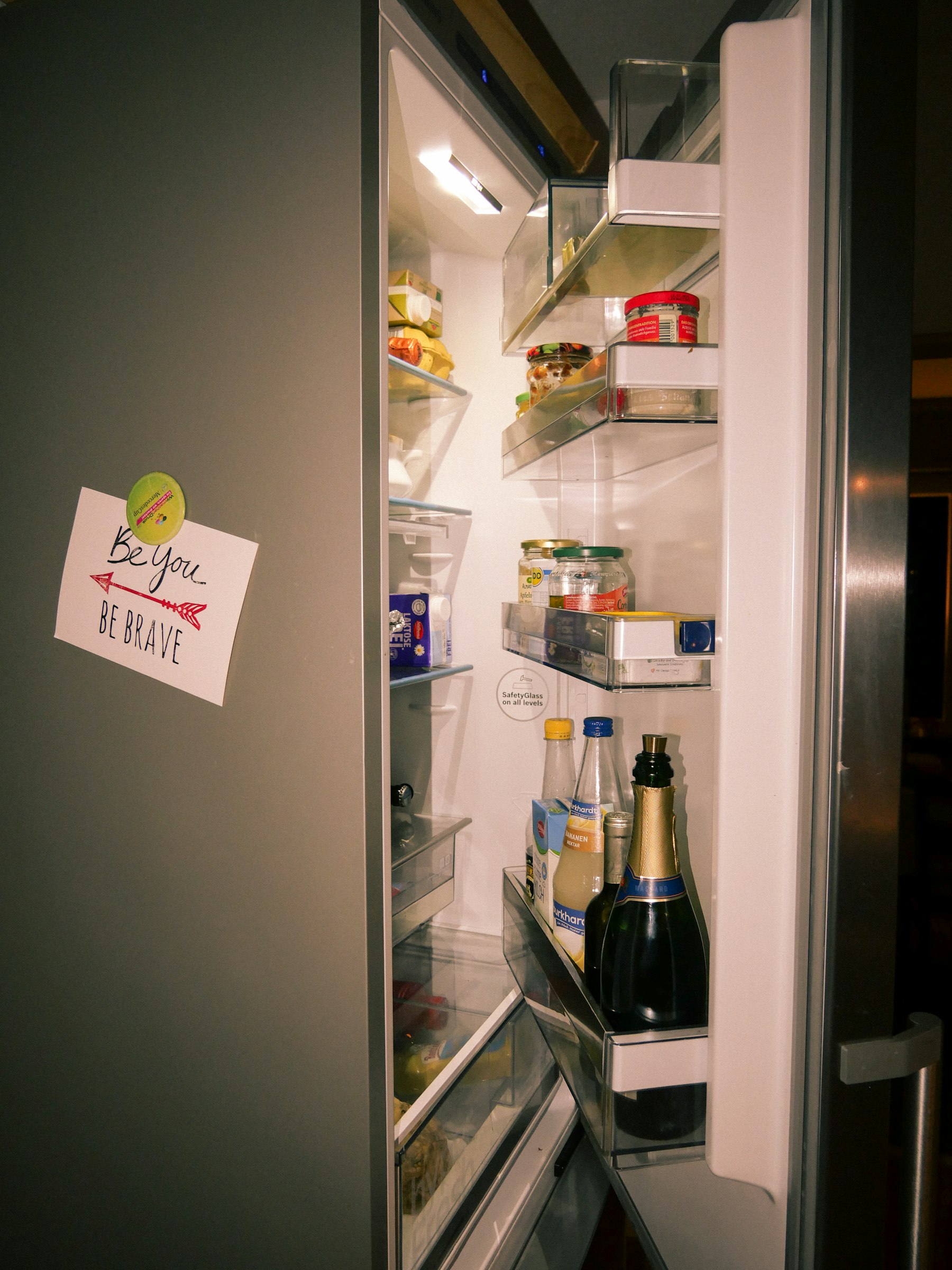
Keep the turkey in its original wrapping and set it in a rimmed tray or container on the lowest practical shelf. The container catches raw juices, while the low position reduces the chance that a leak will drip onto ready-to-eat food. Do not crowd the refrigerator so tightly that cold air cannot circulate, and use an appliance thermometer if you are unsure whether it stays at 40°F or below.
Cold water is faster, but it demands attention
The cold-water method cuts the wait to about 30 minutes per pound. A 12-pound turkey takes roughly six hours; a 16-pound bird takes about eight. The turkey must be inside a leakproof bag and completely submerged in cold tap water. Change the water every 30 minutes so it stays cold as it absorbs heat from the room and the bird.
Water transfers heat more effectively than still refrigerator air because its molecules make denser contact with the package and the water circulates around the turkey. That is why the method works in hours rather than days. Warm or hot water is not a useful shortcut: it can push the surface into the danger zone while the interior is still icy.

The sealed bag matters for two reasons. It helps keep raw juices from spreading around the sink, and it prevents the turkey from absorbing water that can affect texture. Once the bird is thawed this way, cook it immediately. The same immediate-cooking rule applies after microwave thawing because parts of the meat may have warmed or begun cooking.
A microwave can be a workable emergency option only if the turkey fits and the manufacturer’s instructions cover a bird of that size. Remove outside packaging that is not microwave-safe, use the recommended power and timing, and plan to transfer the turkey directly to the oven. Large whole birds often thaw unevenly or simply do not fit, so check the appliance before counting on this method.
How to check the bird and handle it cleanly
A thawed turkey should feel pliable rather than rock-hard at the breast, legs, and cavity. The legs and wings should move more freely, and the neck and giblet package should be removable without force. An icy spot deep in the cavity means the bird needs more time. Do not use running water to “finish” the cavity while leaving the rest of the turkey on the counter; return it to a safe thawing method.
Handle the package as if raw juices contain germs, because they may. Wash hands with soap and water for at least 20 seconds after touching the turkey or its wrapping. Clean the tray, sink, utensils, and counters that contact raw juices, and keep produce, bread, and other ready-to-eat foods away from the work area.
Do not rinse the raw turkey. Splashing water can carry droplets onto the sink, faucet, counter, and nearby food. The Centers for Disease Control and Prevention notes that federal agencies have advised against washing poultry since 2005. Proper cooking, not rinsing, is what destroys harmful bacteria.
Thawing is only the first temperature check. Cook the turkey in an oven set to at least 325°F (163°C), then use a food thermometer to verify 165°F (74°C) in the thickest part of the breast and at the thigh and wing joints without touching bone. Color, clear juices, and a pop-up timer cannot confirm the temperature in every important location.
What to do when the turkey is still frozen
If the refrigerator schedule has slipped, switch to cold-water thawing early enough to complete the full 30-minutes-per-pound process and cook immediately. Combine methods carefully: time spent safely thawing in the refrigerator can be followed by cold water, but time on the counter should not be treated as useful progress. If a turkey has remained at room temperature for more than two hours, CDC guidance says its temperature has become unsafe even when the center still feels frozen.
Partially frozen poultry cooks unevenly, so do not rely on a familiar recipe’s clock. Follow USDA guidance for the exact cooking method, allow extra time, and make the food thermometer the deciding test. Never put a frozen or partially frozen whole turkey into a slow cooker; the meat may spend too long warming through unsafe temperatures.
The simplest rescue plan is often the one made several days earlier. Check the turkey’s weight when you buy it, clear a low refrigerator shelf, place the wrapped bird in a tray, and count backward from cooking day. Slow thawing then becomes quiet preparation instead of a holiday emergency, and the turkey reaches the oven cold, flexible, and ready to cook evenly.