 Akshay Dinesh
Poll watchers may be present when Americans vote, but they are not extra poll workers, roaming investigators, or supervisors of the people casting ballots. Their basic job is narrower: observe an election process and report concerns through the channels allowed by law. The details matter because nearly every rule about who may watch, where that person may stand, and what the watcher may do comes from state or local law.
That variation can make the role confusing. A person authorized in one state might not qualify in another, and the word watcher may refer to a different set of powers than challenger or observer. The U.S. Election Assistance Commission describes the common principle clearly: observation should increase transparency without violating voter privacy or disrupting voting.
Watching is not the same as running the polling place
Poll workers administer the election. They check voters in, issue ballots, explain equipment, maintain the line, protect ballot materials, and follow procedures set by local election officials. Poll watchers stand outside that chain of command. They may take notes and observe permitted parts of the process, but they do not replace trained election staff or decide how a polling place operates.
The people who become watchers also differ by jurisdiction. Political parties and candidates often appoint them. Some states authorize representatives of ballot-question campaigns, nonpartisan organizations, academics, or members of the public. Credentials, advance registration, residency, training, and limits on the number of watchers can all apply. Simply arriving at a polling place and declaring an intention to observe does not create a legal right to remain inside.
A watcher should not be confused with a challenger. A challenger may be allowed to question a voter’s eligibility or a ballot under tightly defined procedures. In some jurisdictions the same credentialed person can both observe and make a challenge; elsewhere the roles are separate. Even when challenges are permitted, they generally must be directed to election officials rather than argued with the voter.
What authorized poll watchers can usually observe
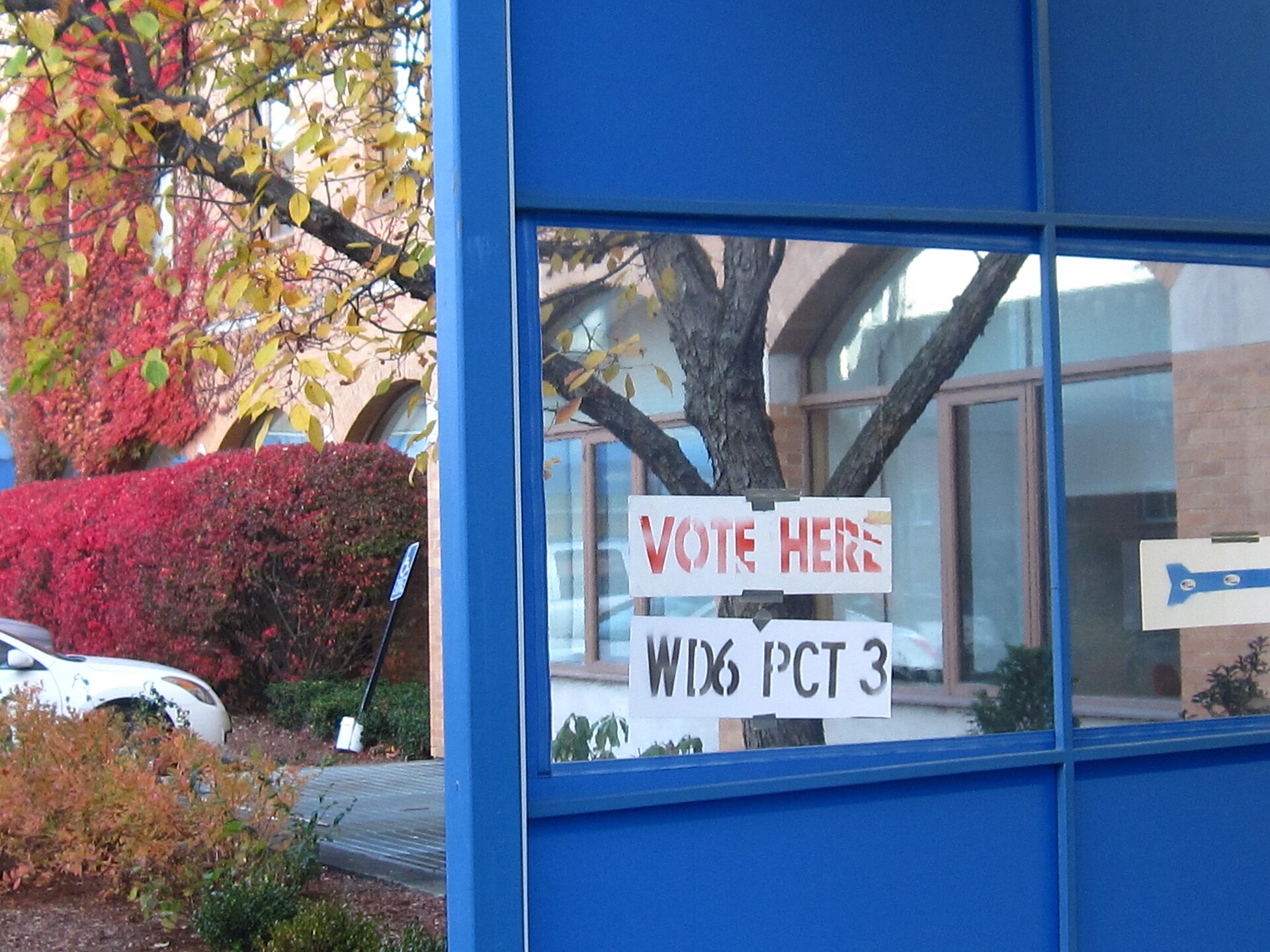
The view is broader than a single voting booth. Depending on local rules, observation may begin before polls open, when workers inspect equipment, confirm that ballot containers are empty, and prepare voter check-in stations. It can continue through voting, the closing of the polls, the reconciliation of ballots and voter records, and the transfer or counting of results. Mail-ballot processing, equipment testing, canvassing, audits, and recounts may offer separate observation opportunities.
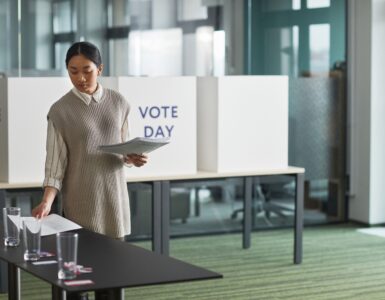
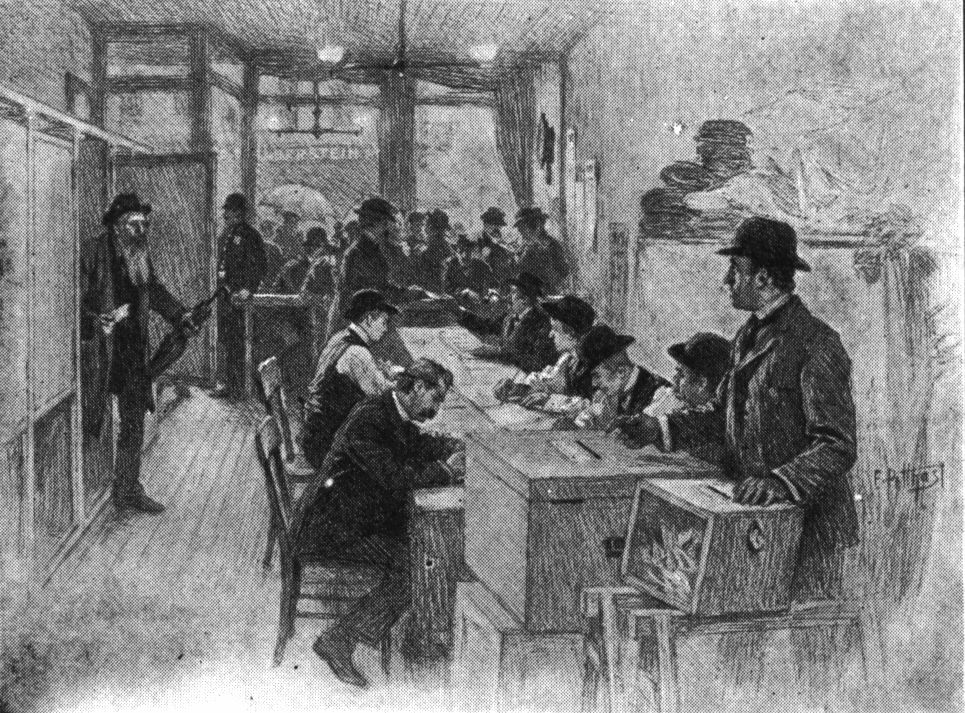
Within the polling place, a watcher may be allowed to see check-in activity, the handling of ballots, and whether prescribed procedures are being followed. Officials may designate an observation area that provides a meaningful view while keeping the watcher away from private information and busy workspaces. A watcher who notices a possible problem normally records it and raises it with a designated election official or the organization that appointed the watcher.
Observation is useful precisely because it creates a record without transferring control. A trained observer can notice whether the same rule is applied consistently, whether equipment problems are documented, or whether required steps occur at closing. The observer can then report what was actually seen, including the time and place, instead of relying on rumor or a fragment of video removed from context.
What crosses the line
Voter privacy is the firmest boundary. A watcher cannot inspect a marked ballot, learn how someone voted, or position a camera or body so that choices become visible. States may also restrict photography, video, audio recording, phone use, and access to voter lists. Rules that allow note-taking do not automatically allow recording.
Interference is another boundary. Watchers generally may not handle ballots or equipment, direct poll workers, block entrances, slow the check-in line, campaign inside a protected zone, or speak with voters in ways that disrupt voting. They cannot demand documents from a voter merely because they want to conduct their own investigation. When a jurisdiction allows formal challenges, the watcher must use the stated procedure and the legally permitted grounds.
Federal law supplies an additional floor. Section 11(b) of the Voting Rights Act prohibits intimidation, threats, and coercion, as well as attempts to intimidate, throughout registration, voting, and ballot counting. The U.S. Department of Justice says context matters, but examples may include targeted surveillance or harassment, invasions of privacy, discriminatory challenges, and frivolous challenges made without a good-faith basis. That protection covers voters and people who help administer or facilitate voting.
Conduct does not need to become a physical confrontation to damage a polling place. Repeatedly hovering near one group of voters, photographing license plates, making accusatory comments, or spreading false information about voting procedures can create fear and confusion. Election officials may warn, relocate, or remove a watcher who breaks the applicable rules, and more serious conduct can be referred to law enforcement.
Why the rules differ from state to state
American elections are highly decentralized. States write the main election laws, while counties, cities, towns, and other local jurisdictions carry out much of the work. That is why a national description can explain the role but cannot answer every practical question. The National Association of Secretaries of State released an updated state-law survey in September 2026, and its comparisons show differences in who appoints watchers, whether challengers are distinct, how many representatives may be present, and which parts of the process are open to observation.
Terminology changes too. One state may use watcher, another observer, and another poll agent. Some rules focus on Election Day voting, while separate guidance covers early voting, mail-ballot verification, counting centers, or post-election audits. A credential for one setting may not provide access to every other stage.
Federal observers and monitors are another category. They may be deployed under federal voting-rights authority or other legal arrangements, but they are not ordinary partisan poll watchers. Their assignment, access, and reporting structure come from federal law and agreements with election jurisdictions. News reports that use monitor, observer, and watcher loosely can blur these legal distinctions.
How voters can respond without escalating confusion
Most voters will never need to interact with a watcher. If an observer has a question about a procedure, the conversation should ordinarily be with an election official, not with the person receiving a ballot. A voter who feels watched, photographed, questioned, obstructed, or pressured can calmly alert the chief poll worker or another official at the site.
The most reliable source for local rules is the state or local election office. Its guidance can explain who is authorized, where observers may stand, whether recording is allowed, and how complaints are handled. The Election Assistance Commission maintains links to many of these official state and local resources, but the relevant jurisdiction’s current instructions control the details.
Immediate threats or violence call for emergency help. Other concerns can be documented with the location, approximate time, a factual description, and the name or title of the election official who received the report. Avoiding confrontation helps officials address the issue without further disrupting the line or drawing attention to individual voters.
Poll watching works best as a disciplined form of transparency. Proper observation gives parties, candidates, civic groups, and the public a clearer view of a complex process. The guardrails are just as important: voters keep their privacy, trained workers keep control of election operations, and concerns move through established channels. A watcher can help people trust what happened, but only by observing the rules along with the election.