 Akshay Dinesh
Tribal nations govern lands, citizens, and public institutions within the United States, yet they are neither states nor ordinary local governments. Their authority comes from a political existence that predates the United States itself. The federal government recognizes that authority through the Constitution, treaties, statutes, and court decisions. That is the core of tribal sovereignty: the inherent power of a tribal nation to govern itself, limited and shaped by its relationship with the United States.
The phrase is easy to misunderstand. Sovereignty does not mean that tribal nations possess exactly the same powers as independent countries, and it does not mean every reservation is legally separate from the United States. It means tribes retain a distinct governing authority that was not created by a state. Understanding that status helps explain questions about tribal courts, fishing rights, taxation, policing, land, citizenship, and why federal agencies consult tribal leaders as representatives of governments rather than interest groups.
Sovereignty began before the United States
Long before European colonization, Indigenous nations had their own territories, political systems, diplomatic relationships, laws, and ways of resolving disputes. When European powers and, later, the United States made treaties with tribal nations, they were dealing with political communities capable of negotiation and agreement. The first treaty between the United States and a tribal nation was signed with the Delaware Nation in 1778. Hundreds of treaties followed.
The U.S. Constitution placed relations with tribes mainly at the federal level. Its Commerce Clause gives Congress authority to regulate commerce “with the Indian Tribes,” while the treaty power gave the president and Senate a way to make binding agreements. In the 1832 case Worcester v. Georgia, the Supreme Court rejected Georgia’s attempt to extend its laws into Cherokee territory. Although the federal government failed to protect the Cherokee Nation from removal, the decision became a foundation of federal Indian law by recognizing tribes as distinct political communities with territorial authority.
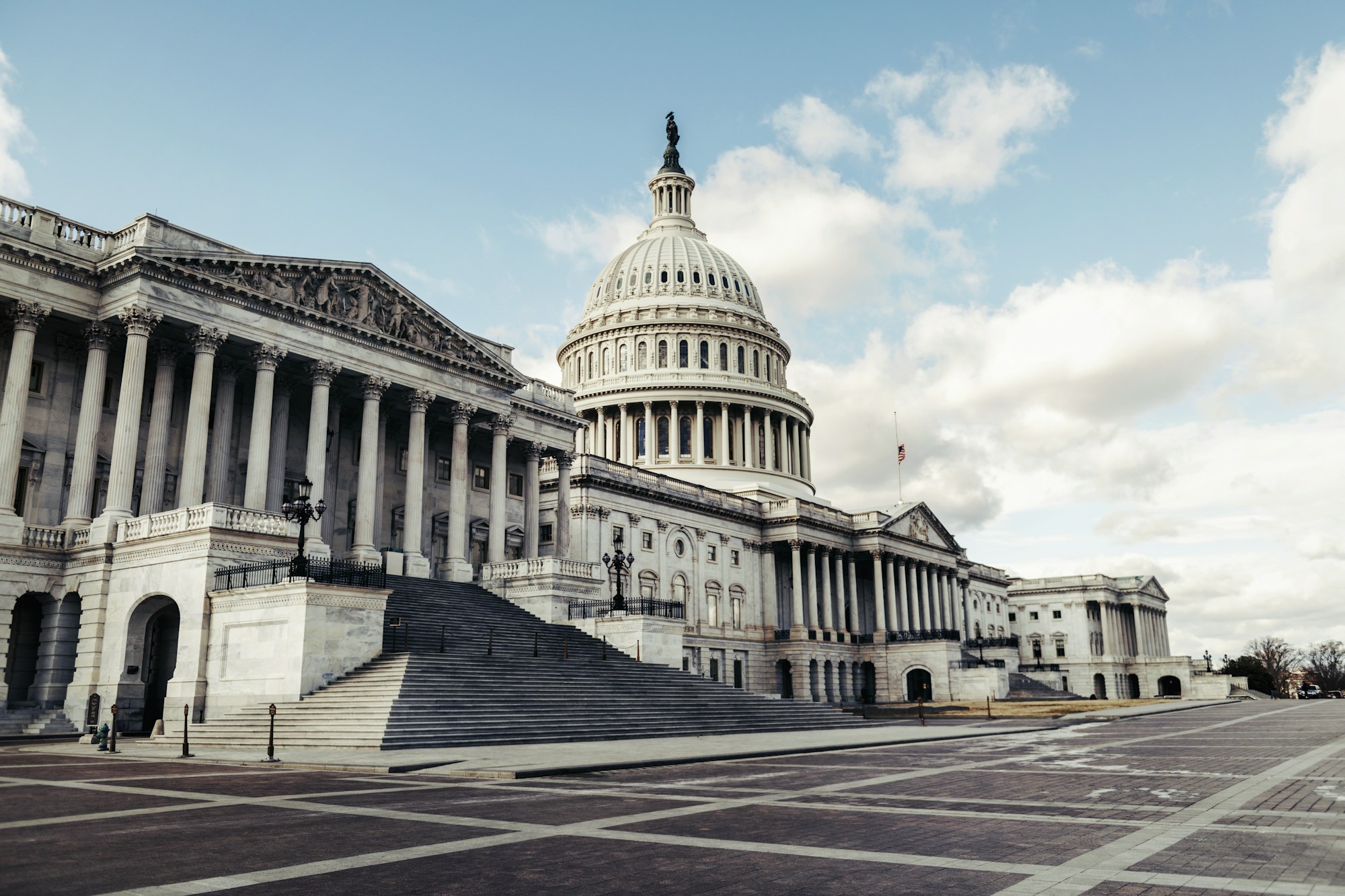
Courts later described tribal sovereignty as unique and limited. Tribes retained powers of self-government, but Congress claimed broad authority over Indian affairs. That tension still runs through the law. A tribal nation’s governing power is inherent rather than a gift from a state, yet treaties and federal statutes can define or restrict how that power operates.
Treaties reserved rights rather than simply granting them
A common mistake is to treat treaty rights as benefits that the United States voluntarily handed to tribes. In many treaties, tribes ceded vast areas of land while reserving specific lands or rights they already possessed. Those retained rights might include hunting, fishing, gathering, water access, or continued use of places beyond reservation boundaries. A treaty can therefore protect a right even when the activity occurs on land a tribe no longer owns.
Treaty making with tribes ended in 1871 when Congress changed the method for formalizing federal-tribal relations. Existing treaties did not disappear. The Constitution’s Supremacy Clause places ratified treaties alongside the Constitution and federal statutes as the supreme law of the land, and courts continue to interpret and enforce tribal treaties. Because the agreements were often drafted in English by U.S. negotiators, courts have developed rules that generally resolve ambiguous language as tribes would reasonably have understood it at the time.
Pacific Northwest fishing disputes show why this history remains practical. Nineteenth-century treaties secured fishing at “usual and accustomed” places for several tribal nations. Later court decisions held that states could not treat those promises as historical leftovers. The rights affect modern harvest management, habitat protection, and cooperation among tribal, state, and federal agencies. The fish are a natural resource, but the authority surrounding them comes from political agreements between governments.

Federal policy repeatedly tried to weaken tribal government
Recognition on paper did not prevent the United States from pursuing policies that took land and disrupted Native governments. The General Allotment Act of 1887, often called the Dawes Act, divided communally held reservation land into individual parcels. Land deemed “surplus” was opened to non-Native ownership. The policy fractured tribal land bases and made jurisdiction more complicated by creating reservations where tribal, federal, state, and private interests could be mixed together.
Federal policy shifted again with the Indian Reorganization Act of 1934, which ended allotment as a general policy and supported the rebuilding of tribal governments. Then, during the 1950s and 1960s, Congress pursued “termination,” ending the federal recognition of selected tribes and withdrawing parts of the federal relationship. Termination caused major losses of land, services, and political authority. Some affected nations later regained recognition, but restoration could take decades.
A different direction emerged during the modern self-determination era. The Indian Self-Determination and Education Assistance Act of 1975 allowed tribes to administer many programs that federal agencies had previously run for Native communities. The Tribal Self-Governance Act of 1994 expanded that approach. Rather than assuming a distant agency should make every decision, these laws gave participating tribal governments greater control over funding and services such as health, education, infrastructure, and social programs.
What tribal governments do today
There is no single tribal government model. Depending on a nation’s own law and history, its government may include an elected council, a chairperson or president, traditional leadership, a judiciary, administrative departments, or a combination of these. Tribal governments may determine citizenship under their own rules, conduct elections, operate courts, enact civil and criminal laws, license businesses, levy certain taxes, manage natural resources, and provide public services.
Jurisdiction is one of the hardest parts to summarize because the answer can depend on several facts at once: where an event occurred, whether the land is legally “Indian country,” whether the people involved are tribal citizens, and which federal statutes apply. Tribal, federal, and sometimes state authorities may each have a role. Public Law 280, for example, transferred portions of federal criminal and civil jurisdiction to certain states, while later laws have restored or recognized particular tribal powers in defined circumstances.
This complexity does not make tribal sovereignty symbolic. It makes the boundaries of authority legally specific. A tribal court deciding a family or contract dispute, a natural-resources department managing a watershed, or a council adopting a building code is exercising government power. When federal agencies conduct formal tribal consultation, they are supposed to engage in a two-way government-to-government process before decisions that may substantially affect tribes.
Why sovereignty matters beyond reservation boundaries
Tribal sovereignty shapes issues that reach far beyond a map of reservation land. Water settlements can affect farms and cities across an entire river basin. Tribal wildlife management can protect species that move across multiple jurisdictions. Economic enterprises can support government services and regional employment. Tribal courts and public-safety departments work with neighboring governments, while intergovernmental agreements can address roads, emergency response, taxation, and environmental protection.
It also changes how Native identity should be discussed. A tribal nation is not simply an ethnic or cultural association. For citizens of federally recognized tribes, membership has a political and legal dimension tied to a government-to-government relationship. At the same time, Native peoples are extraordinarily diverse, and federal recognition is not a measure of cultural authenticity. State-recognized tribes and Native communities without federal recognition have their own histories and continuing political struggles.
The clearest way to understand tribal sovereignty is to start with continuity. Tribal nations did not receive governments from the United States; they retained governing powers through colonization, land loss, forced removal, allotment, termination, and other attempts to suppress them. Those powers are not unlimited, and the legal boundaries can be contested. Still, sovereignty remains a working part of American government, visible whenever a tribal nation makes law, protects a treaty right, manages public resources, or speaks to another government on behalf of its citizens.