Akshay Dinesh
By the time the first voter walks into a polling place, a temporary team has already turned an ordinary room into a controlled election site. Ballots have been counted, equipment has been checked, signs have been posted, and private voting spaces have been arranged. The people doing that work are usually called poll workers, although states may use titles such as election judge, inspector, clerk, or precinct officer.
Poll workers do not write election rules or decide which candidates should win. They carry out detailed procedures set by state and local election officials, and they are trained to treat eligible voters consistently while protecting every ballot. The U.S. Election Assistance Commission notes that the country has more than 10,000 election jurisdictions, so job titles and exact steps vary. The basic responsibility is remarkably consistent: make in-person voting orderly, accessible, private, and accountable from opening to closing.
Before the First Voter Arrives
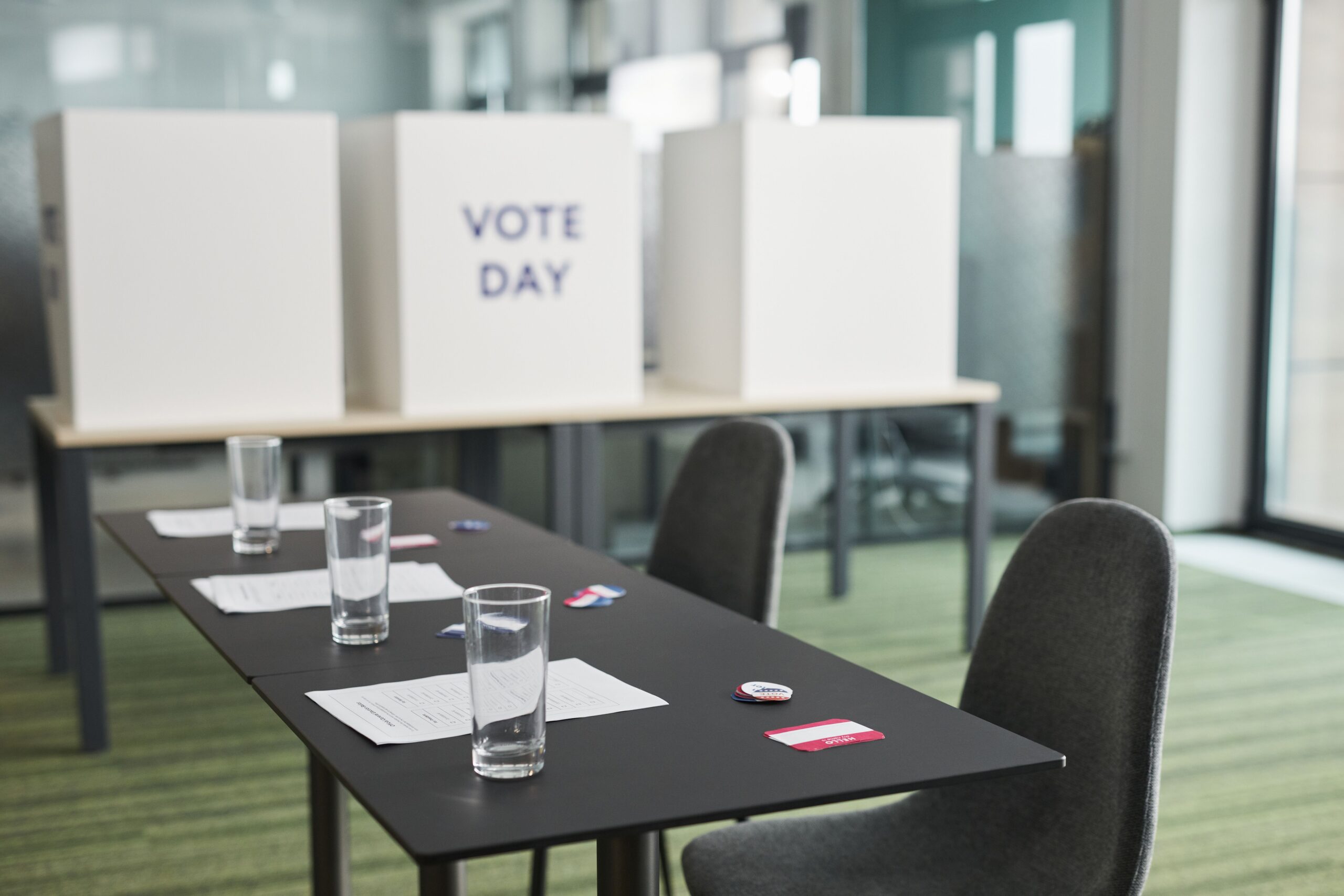
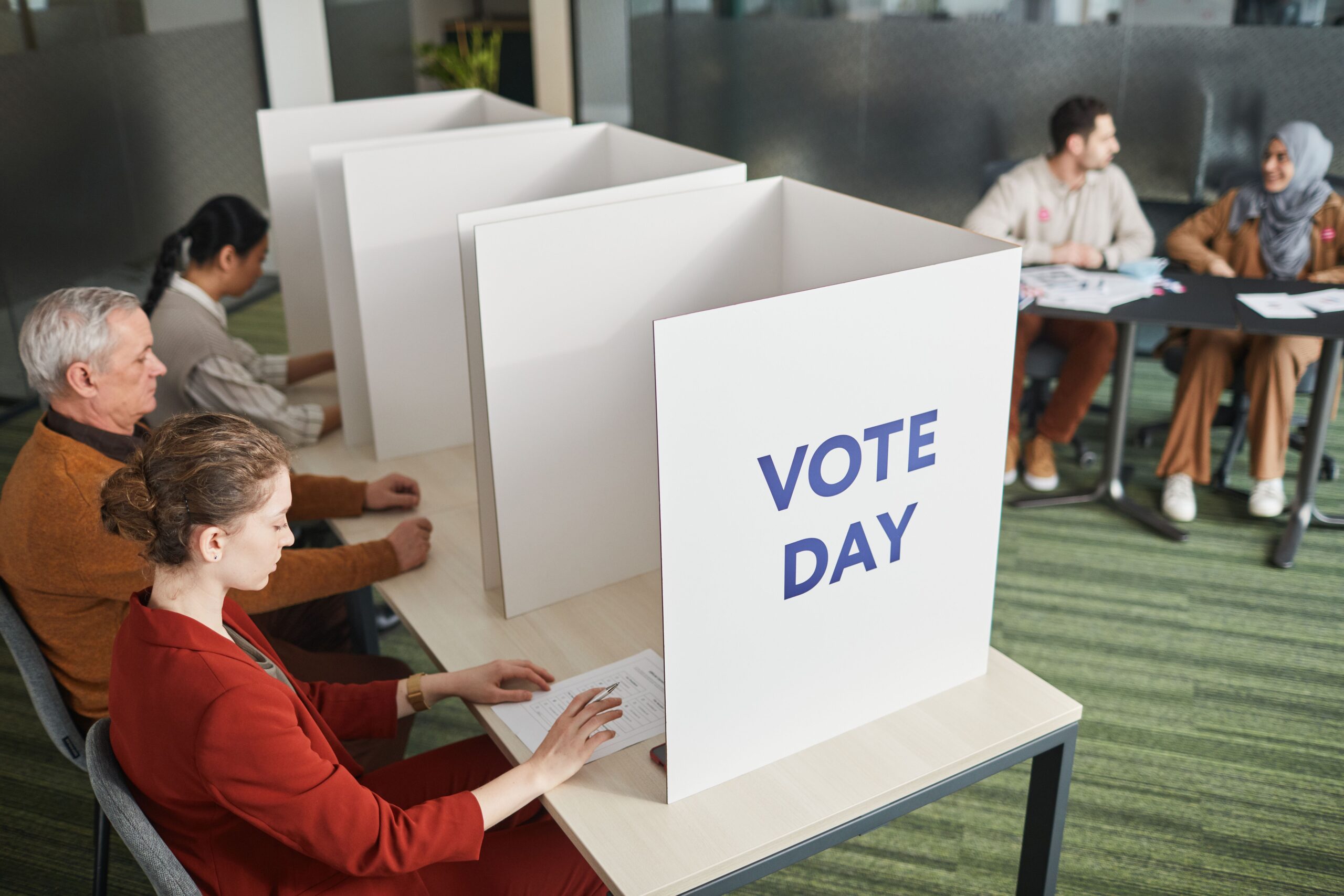
Election Day often starts well before sunrise. Workers may take an oath, review assignments, inspect the room, and confirm that required supplies arrived under the proper seal. They arrange check-in tables, privacy booths, ballot-marking devices, scanners, signs, and accessible paths. Many locations also post sample ballots and notices explaining voter rights, identification rules, or instructions for asking for help.
Equipment checks are documented rather than left to a quick glance. Workers may verify seal numbers, confirm that ballot boxes are empty, print a report showing that a scanner begins with zero votes, and record the number of blank ballots on hand. Those steps create a starting record that can be compared with the closing record later. Local procedures often divide sensitive tasks among multiple workers so that no single person controls the entire process.
Checking In Voters Is a Rules-Based Process
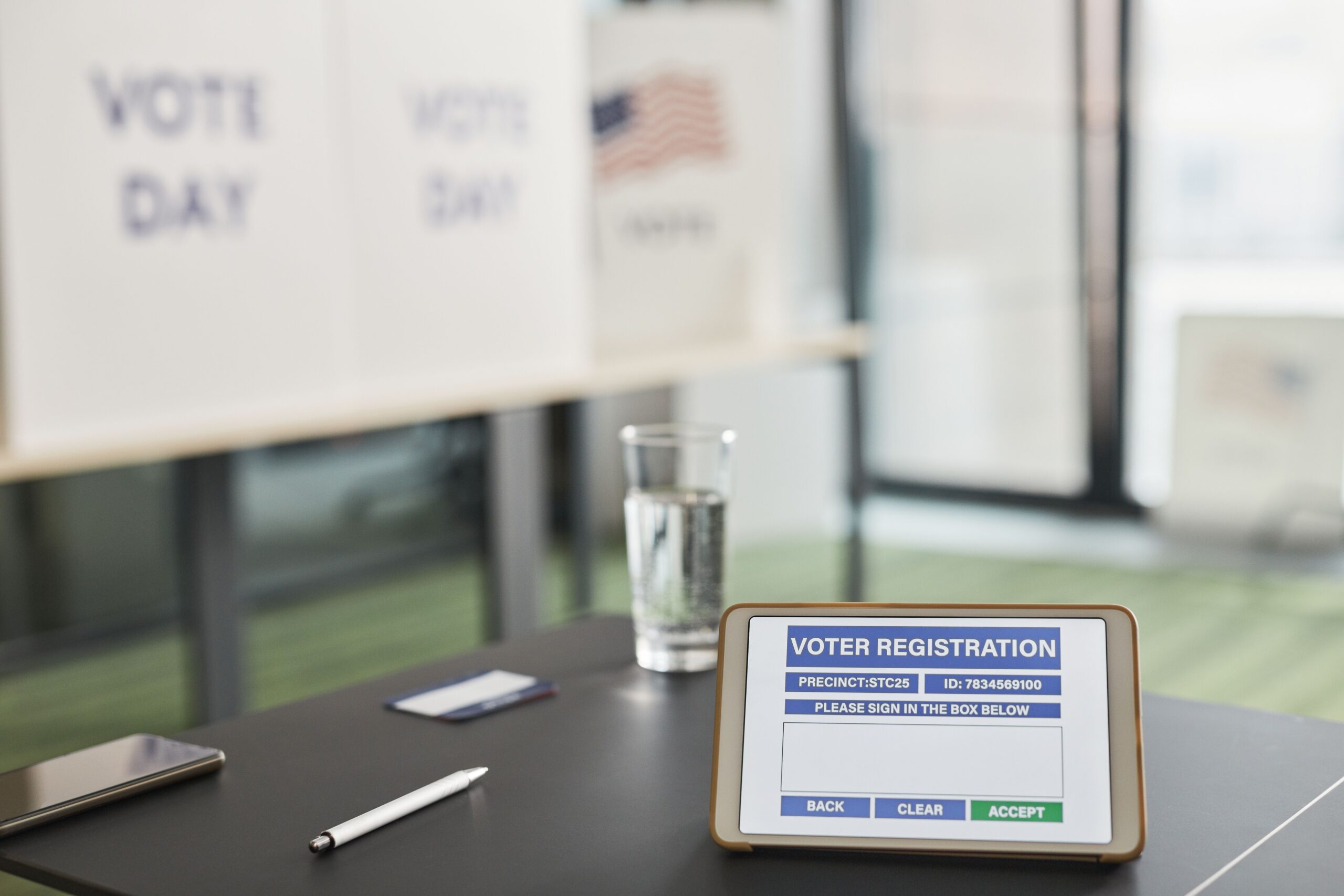
At the check-in table, a poll worker searches a paper or electronic poll book for the voter’s record. Depending on local law, the worker may ask the voter to state a name and address, show an accepted form of identification, sign the poll book, or complete another required step. The worker then issues the correct ballot style, which matters because contests can differ by precinct, school district, ward, or other boundary. Giving a voter the wrong style could leave out a local race or present a contest the voter is not eligible to vote in.
A missing name does not give a worker permission to guess about eligibility. The worker checks approved sources, confirms whether the voter is at the correct location, and calls a supervisor or election office when the procedure requires it. If the question cannot be resolved immediately, federal law and state procedures may allow the voter to cast a provisional ballot. That ballot is kept separate until election officials can verify eligibility and make sure the person has not already voted.
Ballot control continues alongside check-in. Workers track how many ballots are issued, spoiled, surrendered, or left unused, while preserving the secrecy of each voter’s choices. A spoiled ballot is not simply thrown away; it is marked and secured according to local rules before a replacement is issued. The records created at this desk become part of the later reconciliation.
Helping Voters Without Influencing Their Choices
Poll workers explain process, not politics. They can show where to sign, demonstrate how voting equipment works, explain how to correct a marked ballot, or point out where a completed ballot goes. They cannot recommend a candidate, interpret a ballot measure for the voter, or signal approval of a choice. Even casual political conversation can undermine the neutral setting that a polling place is meant to provide.
Accessibility is part of the operation, not a favor added when someone asks. Workers may clear an accessible route, operate an accessible ballot-marking device, provide a chair, arrange curbside voting where local law permits it, or follow rules for a voter who brings a person to assist. The goal is for voters with disabilities to cast a private and independent ballot whenever possible. Language assistance, magnifiers, headphones, lowered voting stations, or other tools may also be available, depending on the jurisdiction.
The difficult moments are usually procedural rather than dramatic: a scanner rejects a ballot, a poll book loses its connection, a voter appears at the wrong precinct, or a line grows unexpectedly. Training teaches workers whom to call and which written procedure to follow. The Election Assistance Commission has even developed scenario exercises for shortages, equipment trouble, natural disasters, and other disruptions. A good response is rarely improvisation; it is a calm handoff to the correct process.
Closing the Polls Is an Accounting Exercise
When voting ends under local rules, the public-facing work slows and the accounting begins. Workers secure voting equipment, close ballot containers, print required reports, and count unused and spoiled ballots. They compare the number of people checked in with the number of ballots issued or cast. Those totals may not always match on the first attempt, so the team reviews paperwork and records the reason for any explainable difference.
This reconciliation is one reason a polling place does not simply lock its doors and send everyone home. Ballots, memory devices, poll books, forms, and seal logs must be packaged and transferred through a documented chain of custody. Many jurisdictions require workers from different political parties or designated teams to complete or witness these steps. The local election office then receives the materials for canvassing, verification, and any later audit required by law.
Poll workers generally do not certify the election, investigate every disputed ballot, or announce the final winner. Those responsibilities belong to election officials and canvassing authorities after Election Day. The workers’ closing records give those officials a traceable account of what happened at one location, from the first seal checked to the last container returned.
Who Can Become a Poll Worker?
Requirements differ across states and sometimes across counties. A worker may need to be a registered voter, live in the jurisdiction, belong to a particular political party balance, attend mandatory training, or meet a minimum age. Many places run programs for high school or college students, and compensation ranges from an hourly rate to a flat amount for training and Election Day. The Election Assistance Commission’s Help America Vote directory connects prospective workers with state and local signup information.
The commitment is larger than the hours when polls are open. The federal commission’s preparedness checklist warns that Election Day shifts often last more than 12 hours, with arrival before voting begins and departure only after closing work is complete. Patience, accuracy, and comfort following written instructions matter more than political knowledge. Workers must be ready to repeat the same explanation respectfully, protect private information, and ask a supervisor instead of inventing an answer.
That combination of routine service and careful recordkeeping is what keeps a polling place functioning. Voters usually see only a greeting, a check-in, and a ballot, but each of those moments sits inside a chain of documented steps. Poll workers make that chain work in real time, one voter and one precinct record at a time.