 Akshay Dinesh
Every September, the United Nations General Assembly becomes one of the most crowded stages in world politics. Presidents, prime ministers, foreign ministers, diplomats, and observers gather in New York to make speeches that are sometimes ceremonial, sometimes tense, and often carefully watched far beyond the chamber. The 81st session opened on September 8, 2026, with the high-level general debate scheduled for September 22 through September 26 and September 28. That timing gives the annual meeting a familiar rhythm: a new session begins, world leaders arrive, and countries use the same room to explain what they want the world to notice.
The General Assembly is often misunderstood because it is powerful and limited at the same time. It does not work like a world government, and most of its resolutions do not force countries to act the way a domestic law might. Yet it gives all 193 member states a formal place to speak, vote, negotiate, approve budgets, elect members to other UN bodies, and signal where international opinion is moving. Its influence comes less from commanding armies or issuing binding orders and more from visibility, numbers, repetition, and legitimacy.
Why the General Assembly Exists
The United Nations was created after World War II with several main organs, each meant to handle a different kind of international problem. The Security Council was given primary responsibility for international peace and security, with permanent members holding veto power. The General Assembly was built around a different idea: every member state, large or small, would have a seat. That makes it the UN’s broadest representative body.
This design matters because countries are not equal in population, wealth, military power, or diplomatic influence. A country with a small population does not have the same global weight as a major power in most negotiations. In the General Assembly, however, the formal voting rule begins from equality. The UN Charter’s Article 18 says that each member of the General Assembly has one vote. That principle gives small and medium-sized countries a visible role they might not have in forums dominated by economic or military strength.
The Assembly’s job is not only to debate. Under the UN Charter, it can discuss questions within the scope of the Charter, make recommendations, approve the UN budget, and help choose members of other bodies. It elects the non-permanent members of the Security Council, members of the Economic and Social Council, and, together with the Security Council, judges of the International Court of Justice. It also plays a role in admitting new UN members, although that process depends on a Security Council recommendation first.
What Happens During the General Debate
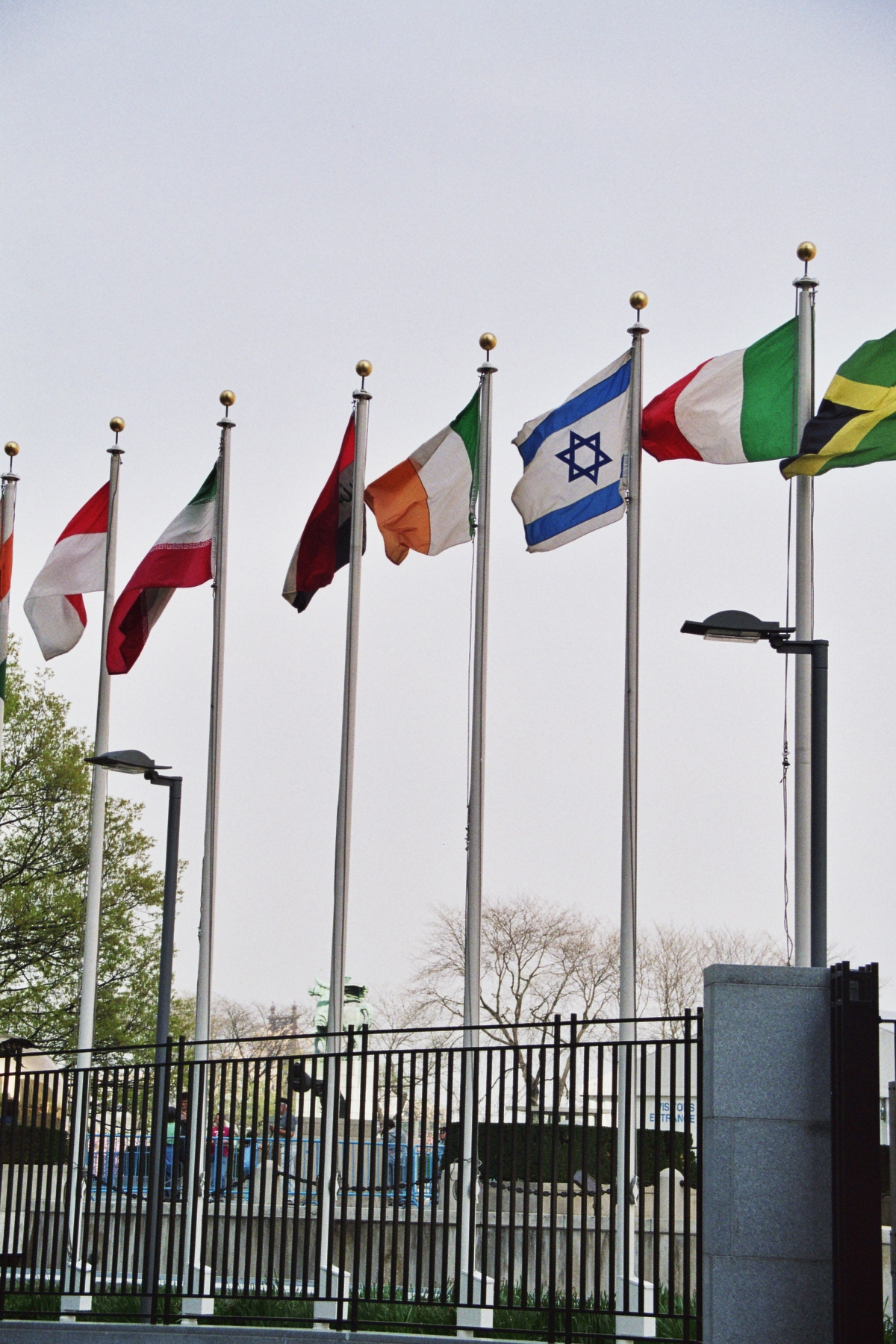
The September general debate is the part of the General Assembly most people recognize. Leaders and senior officials address the Assembly from the same podium, often using the speech to frame national priorities, criticize rivals, call attention to conflicts, or build support for proposals. The word debate can be slightly misleading. The speeches do not usually work like a classroom debate in which one speaker immediately answers another. They are more like a global record of positions, delivered in a sequence that lets each country place its concerns before the wider membership.
The opening week matters because timing changes attention. A speech about war, climate finance, debt, food security, migration, or technology regulation can land differently when many governments, journalists, advocacy groups, and international organizations are already focused on the same place. Countries may also hold side meetings during the same period, using the gathering to talk privately while making public statements in the Assembly hall. The speech is the visible part; the corridor diplomacy around it can be just as important.
The general debate also helps reveal what governments want to emphasize. A country facing a border dispute may use its speech to describe the conflict in legal and historical terms. A small island state may focus on sea-level rise, disaster risk, and climate finance. A country under sanctions may challenge the fairness of the system. A donor country may highlight humanitarian aid or development goals. Because the speeches are public and archived, they create a diplomatic trail that researchers, journalists, and other governments can compare over time.
How One Country, One Vote Works
The General Assembly’s voting system is simple at first glance but more nuanced in practice. Each member state has one vote. Ordinary questions are generally decided by a majority of members present and voting. Important questions require a two-thirds majority of those present and voting. The UN Charter lists important questions to include matters such as recommendations on peace and security, admission of new members, suspension or expulsion of members, elections to certain bodies, and budgetary questions.
This voting structure can produce results that would be impossible in a council controlled mainly by great powers. If a large group of countries agrees on a resolution, the Assembly can show that consensus even when powerful states object. That is why General Assembly votes are often read as a measure of world opinion. The vote does not always settle the issue, but it can show whether a position is isolated, broadly supported, or sharply divided.
Abstentions also matter. A country may abstain because it dislikes part of a resolution, wants to avoid angering an ally, questions the wording, or believes the issue belongs in another UN body. A long list of abstentions can show hesitation even when a resolution passes. A small number of votes against a resolution can show diplomatic isolation. The final numbers become part of the political meaning of the vote, not just a procedural result.
Why Nonbinding Resolutions Still Matter
Many General Assembly resolutions are recommendations rather than binding law. That limit is real. A resolution may condemn an action, call for negotiations, support humanitarian principles, or ask states to cooperate, but it usually cannot force a government to comply by itself. This is one reason people sometimes dismiss Assembly votes as symbolic.
Symbolic does not mean useless. In international politics, repeated public signals can shape pressure over time. A resolution can clarify language that later appears in treaties, national laws, court arguments, advocacy campaigns, or diplomatic negotiations. It can give smaller states a way to organize around shared concerns. It can also make it harder for governments to claim that an issue is too obscure or too local to deserve attention.
The Assembly’s influence is especially visible when the Security Council is blocked. The Security Council can adopt binding decisions in some situations, but permanent-member vetoes can prevent action. The General Assembly cannot simply take over all Security Council powers, yet it can keep an issue in public view, call emergency special sessions, request reports, recommend steps, and show how the wider membership views the dispute. That pressure may not end a crisis, but it can affect diplomacy around it.
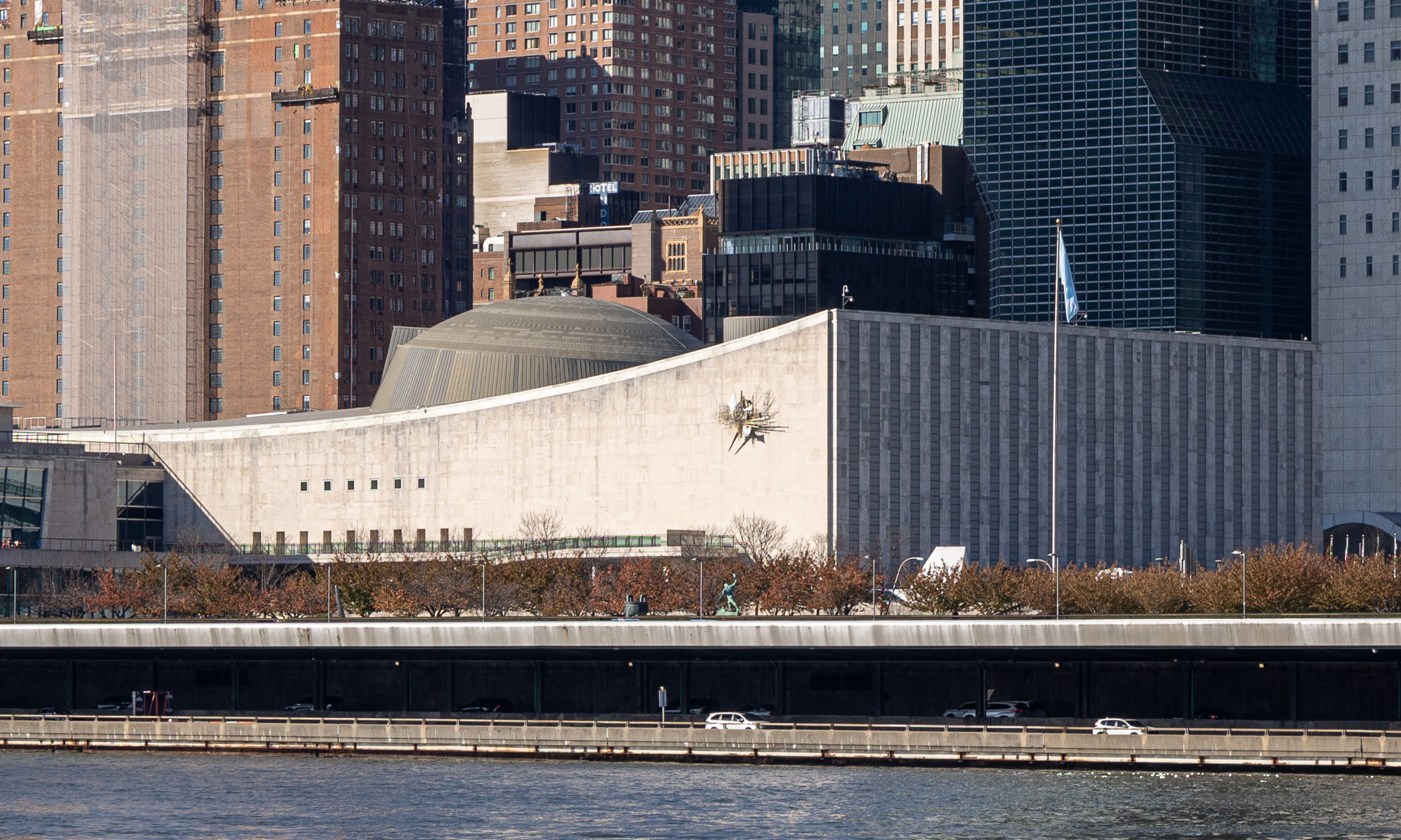
Where Its Power Is Real and Where It Stops
The General Assembly’s strongest formal powers are not always the ones that receive the most attention. Budget authority is one of them. Under Article 17 of the UN Charter, the Assembly considers and approves the UN budget. That role affects the practical work of the organization because programs, offices, missions, and administrative systems need money to operate. Budget debates may sound technical, but they reveal what member states are willing to fund and how they want the organization to set priorities.
Elections are another area where the Assembly’s power is concrete. When countries compete for non-permanent seats on the Security Council, they campaign among the wider UN membership. Winning a seat gives a country a temporary role in decisions about peace and security. The Assembly’s votes also help fill other UN bodies, which means its choices can shape committees, councils, and courts that influence international work long after a September speech fades from the news.
The Assembly’s limits are just as important to understand. It cannot turn every recommendation into a binding rule. It cannot override the Security Council’s veto system by ordinary vote. It cannot make countries obey simply because most members prefer a certain outcome. International cooperation still depends on state consent, political pressure, resources, alliances, and the willingness of governments to carry out promises.
That mixture of reach and restraint is what makes the General Assembly worth studying. It is not a parliament for the world, but it is more than a stage. It is a place where countries count votes, test arguments, form coalitions, defend reputations, and decide which problems deserve global attention. When the speeches begin each September, the room does not solve the world’s conflicts by itself. It does something quieter and still important: it shows how the world’s governments want to be heard, where they disagree, and which ideas have enough support to keep moving.