 Akshay Dinesh
A hill can make a bicycle feel completely different from one minute to the next. On flat ground, a rider may turn the pedals smoothly and cover a lot of distance with each rotation. Then the road tilts upward, the same gear suddenly feels heavy, and every push seems to demand more leg strength. Shifting to an easier gear does not remove the hill, but it changes the job your muscles are doing.
Bike gears work by trading one kind of motion for another. A high gear moves the bicycle farther with each turn of the pedals, which is useful when speed is already easy to maintain. A low gear moves the bicycle a shorter distance with each pedal turn, but it lets the rider apply force in smaller, quicker pushes. That tradeoff is the same basic idea behind many simple machines: a machine cannot create energy from nothing, but it can change how force and distance are arranged.
The Chain Carries Your Pedaling to the Wheel
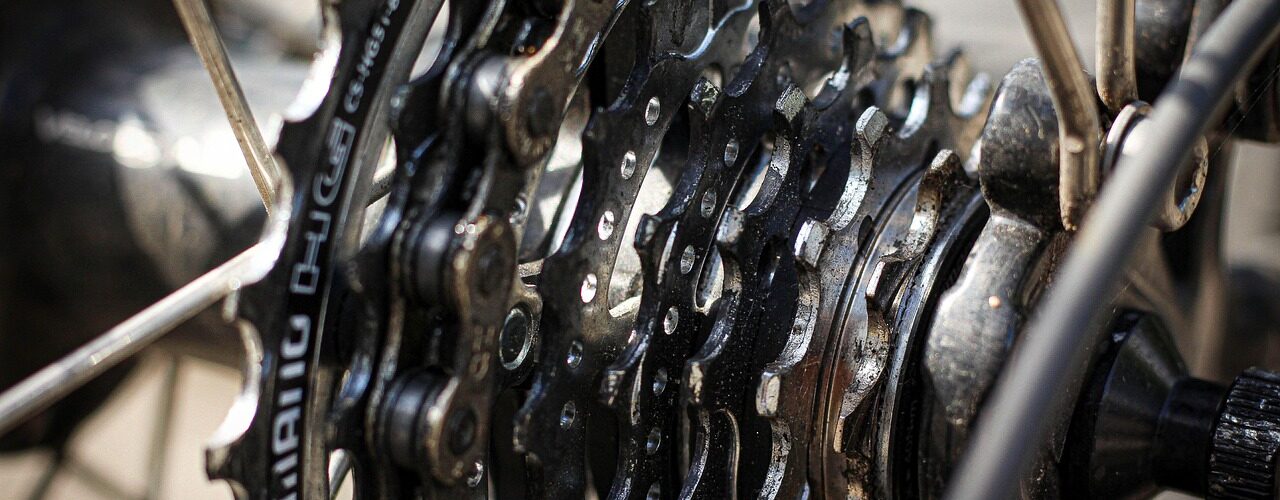
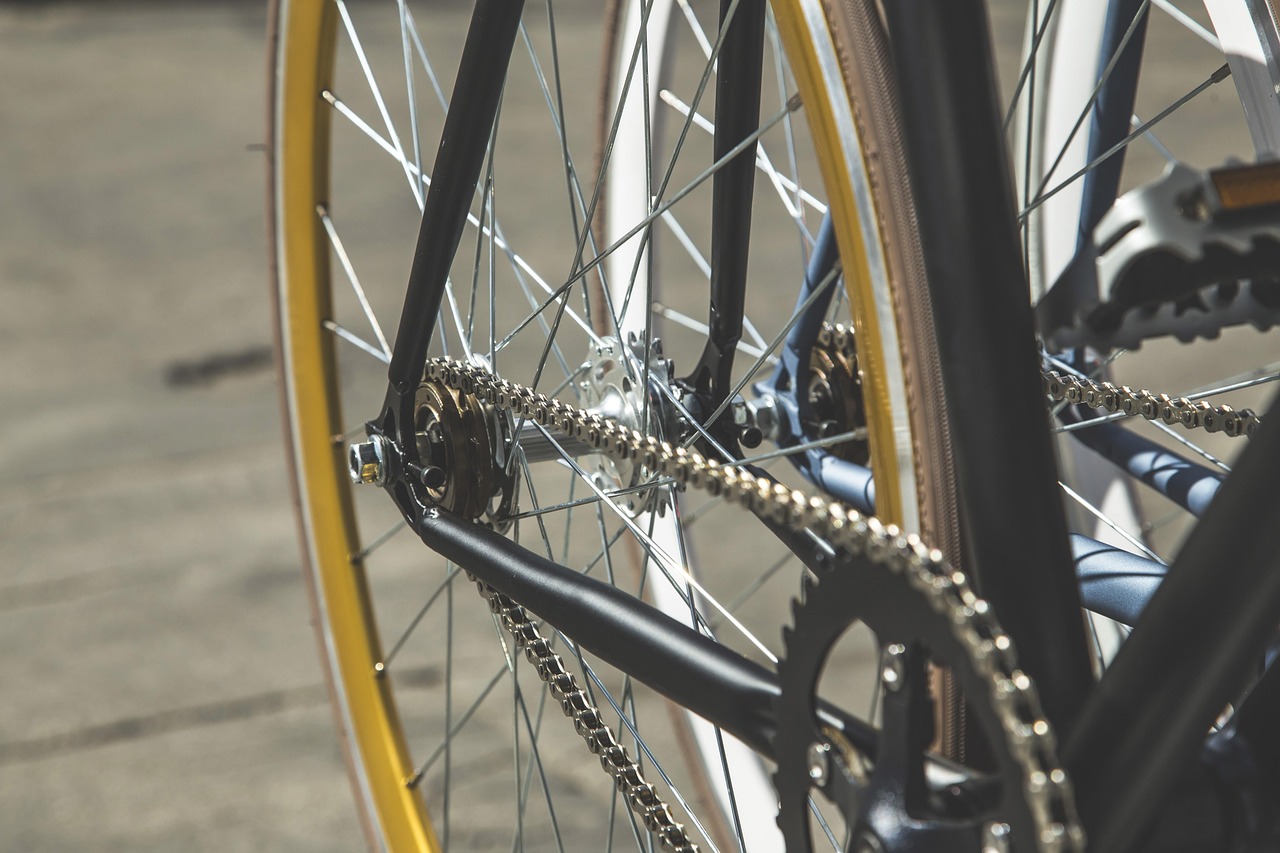
When a rider pushes down on a pedal, the crank turns the front chainring. The chain pulls on the rear sprocket, often called a cog, and the rear wheel turns with it. The tires then push backward against the ground, and the ground pushes the bicycle forward. A gear system is really a careful connection between your legs, the chain, the sprockets, and the wheel.
The key measurement is the gear ratio. On a simple chain-driven bike, a useful version is: gear ratio = front chainring teeth divided by rear sprocket teeth. If the front chainring has 40 teeth and the rear sprocket has 20 teeth, the ratio is 2:1. That means one full turn of the pedals turns the rear sprocket, and usually the rear wheel, about two full turns.
A 2:1 gear can feel efficient on level ground because the wheel covers more distance for each pedal rotation. But that same ratio can feel punishing on a steep climb. The bicycle is asking the rider to move a lot of road with each push, and gravity is pushing back the whole time. Shifting changes that ratio so the wheel turns less for each pedal turn.
Why Low Gear Feels Easier
A low gear usually means a smaller chainring in front, a larger sprocket in back, or both. Suppose a bike uses a 24-tooth front chainring and a 32-tooth rear sprocket. The gear ratio is 24 divided by 32, or 0.75:1. One pedal rotation turns the rear wheel less than once. That sounds slower, and it is, but it also lets the rider produce more useful turning force at the wheel.
This is where torque matters. Torque is turning force: the kind of force that rotates a crank, a wheel, a wrench, or a doorknob. Climbing requires more torque at the rear wheel because the bike and rider must keep moving upward against gravity. A low gear helps the rider create that wheel torque without needing one huge, slow push on the pedals.
The cost is distance. In low gear, the rider has to pedal more times to travel the same stretch of road. That is why climbing in an easy gear may look busy: the legs spin faster, but the bike moves forward more slowly. The trade is usually worth it because muscles often work better with repeated manageable efforts than with slow, grinding pushes that are too heavy to sustain.
High Gear Trades Comfort for Speed
A high gear does the opposite. A larger front chainring and smaller rear sprocket make the rear wheel turn many times for each pedal rotation. For example, a 48-tooth chainring with a 16-tooth rear sprocket gives a 3:1 ratio. One turn of the pedals can turn the rear wheel about three times, so the bicycle covers much more ground per pedal stroke.
That is useful when the road is flat, the bike already has momentum, or the rider is going downhill. The wheel does not need as much help overcoming gravity, so the rider can afford to use a gear that asks for more force per pedal turn. High gear lets a steady cadence become higher road speed.
On a hill, the same gear can become inefficient. If the rider cannot turn the pedals smoothly, cadence drops, balance can feel awkward, and each pedal stroke becomes a struggle. Shifting down before the pedals bog down keeps the motion round and steady. Good shifting is less about proving strength and more about keeping the bike in a range where the rider can continue producing power.
Cadence Explains Why Spinning Can Be Smart
Cadence is how fast the pedals turn, usually measured in revolutions per minute. A rider grinding up a hill at a very low cadence may be pushing hard, but each push can tire the legs quickly. A rider spinning in a lower gear makes more pedal rotations, yet each rotation requires less force. The total work of climbing the hill is still there, but it is spread across more manageable movements.
The difference is similar to carrying books up stairs. Taking two books at a time may require fewer trips, but each trip feels heavy. Taking one book at a time means more trips, but each trip is easier. Neither choice makes the staircase shorter. The better choice depends on strength, time, fatigue, and what can be repeated without breaking rhythm.
Cyclists use gears to keep cadence from swinging too far in either direction. If cadence is too slow, the rider may waste effort fighting the pedals. If cadence is too fast, the legs may spin without adding much useful push. The best gear for a moment is the one that lets the rider keep pressure on the pedals while staying smooth.
The Same Physics Shows Up in Other Machines
Bicycle gears are a familiar example of a larger physics idea: machines often exchange force, distance, and speed. A long ramp makes lifting something easier because the force is spread over a longer path. A wrench helps loosen a bolt because its length increases torque. A bicycle gear system does something similar through rotating parts instead of a straight-line path.
There is no magic gain in energy. If a hill requires a certain amount of work to climb, the gear system cannot erase that work. Friction in the chain, bearings, tires, and road also means some energy is lost along the way. What gears can do is help the rider choose a more useful pattern of effort: smaller force over more pedal turns, or larger force over fewer pedal turns.
This is why the “right” gear depends on the situation. A loaded bike, a steep hill, a headwind, loose gravel, or tired legs may all call for a lower gear. A smooth road, strong tailwind, or downhill stretch may make a higher gear feel natural. The gear is not just a speed setting. It is a way of matching the machine to the rider and the road.
How to Read a Gear Shift in Real Life
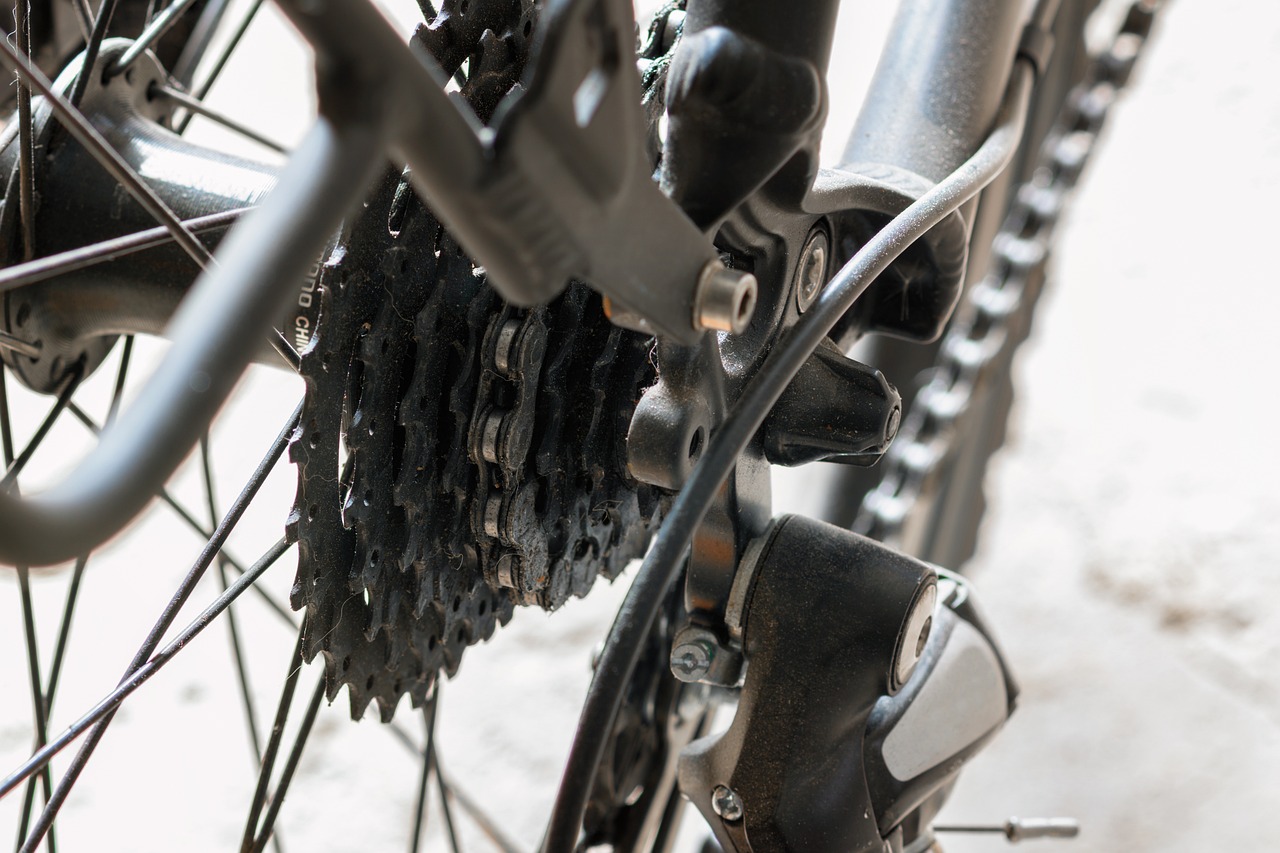
A simple way to understand shifting is to watch what happens at the back wheel. Moving the chain to a larger rear sprocket usually makes pedaling easier and slower. Moving it to a smaller rear sprocket usually makes pedaling harder and faster. At the front, the pattern reverses: a smaller front chainring is easier, while a larger front chainring is harder.
That may feel confusing at first because the shifters do not always look like the gears they control. Instead of memorizing every combination, listen to the pedals. If each push feels too heavy and the bike is slowing, shift easier before the climb becomes a grind. If the pedals spin too quickly and the bike is not gaining much speed, shift harder so each rotation moves the wheel farther.
The most useful lesson is that gears do not make a rider weak or strong. They make the bicycle adjustable. A hill asks for force; a flat road rewards speed; a long ride rewards rhythm. Shifting lets the same pair of legs handle all three by changing the relationship between pedal turns and wheel turns. Once that tradeoff makes sense, the gears stop feeling like mysterious numbers and start feeling like a clear physics tool under your hands.