 Akshay Dinesh
Late summer can feel like a strange time for allergies. Spring flowers are long gone, lawns may be past their fastest growth, and many trees have already finished releasing the pollen that bothers people earlier in the year. Then, just as school routines and cooler evenings begin to return, sneezing, itchy eyes, congestion, and scratchy throats show up again. One of the biggest reasons is ragweed, a green, easy-to-overlook weed whose tiny pollen grains can fill the air from August until the first hard frost in many parts of the United States.
Ragweed is not dramatic-looking. It does not need bright petals or a strong fragrance because it is not trying to attract bees or butterflies. Its strategy is quieter and more effective for allergies: release huge amounts of lightweight pollen into the wind. The Asthma and Allergy Foundation of America notes that a single ragweed plant can produce up to a billion pollen grains in a season. That helps explain why a plant growing along roadsides, fields, vacant lots, or disturbed soil can affect people who never knowingly walk past it.
Ragweed Is Built for Wind, Not Show
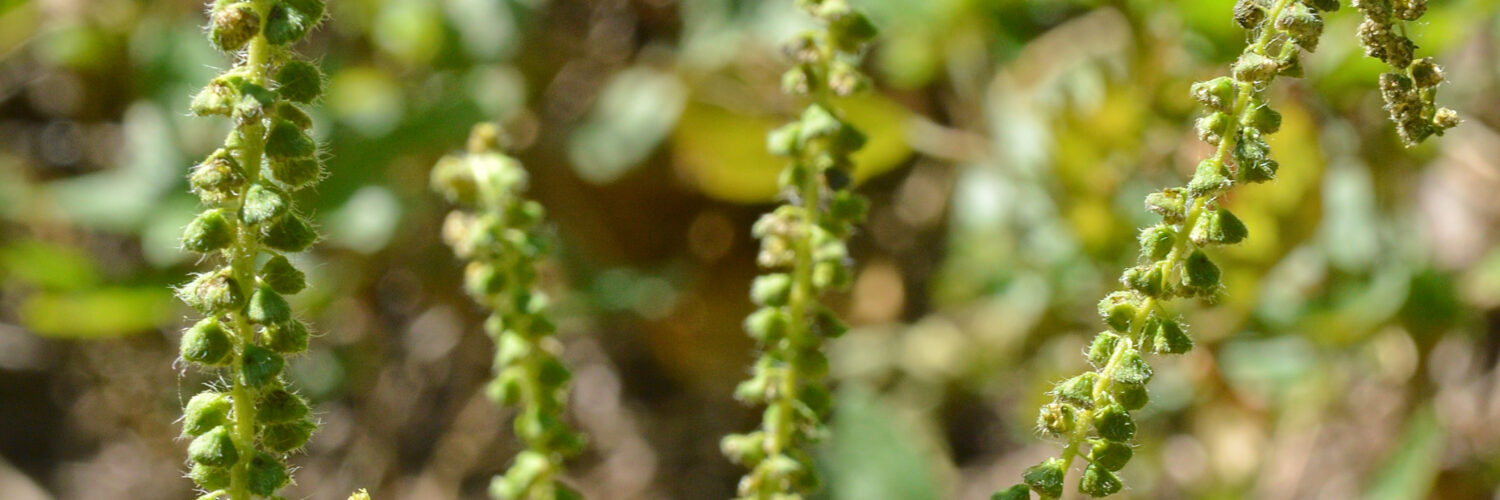
Many people blame goldenrod for late-summer allergies because goldenrod is bright yellow and blooms at about the same time. Ragweed is usually the more likely airborne trigger. Goldenrod pollen is heavier and is mostly carried by insects, which is why the plant advertises itself with showy flowers. Ragweed flowers are small and greenish, arranged in spikes that can release pollen without needing a pollinator to land on them.
That difference matters because wind pollination changes the scale of exposure. A plant that depends on insects can make pollen that is sticky enough to cling to bodies and legs. A plant that depends on moving air benefits from pollen that is dry, light, and easy to scatter. Ragweed pollen can travel far from the plant that released it, so a person may feel symptoms even in a neighborhood where no obvious ragweed is visible.
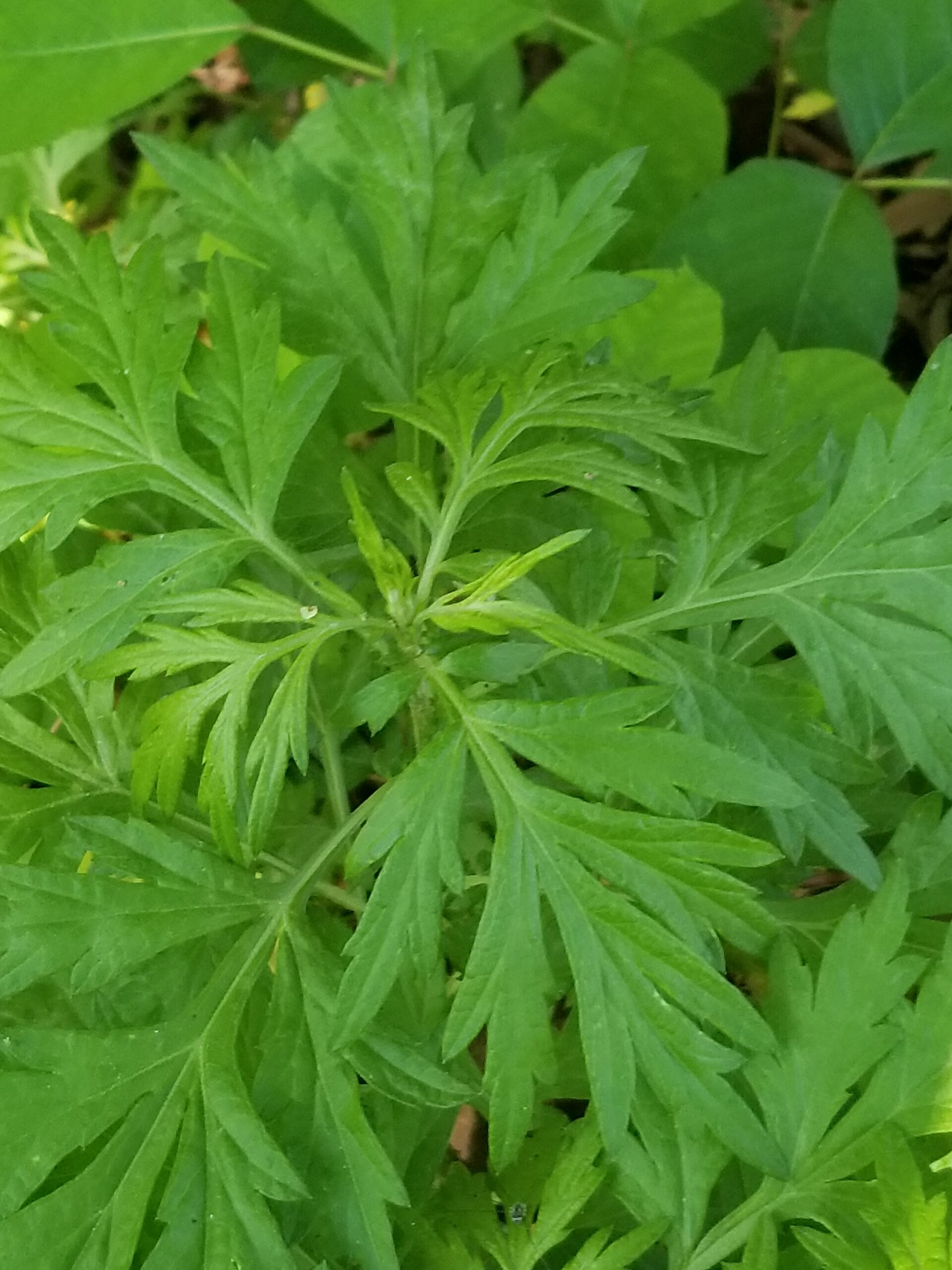
Common ragweed and related species often thrive in disturbed places. Roadsides, construction edges, fields, riverbanks, empty lots, and scraped soil give annual weeds a chance to grow quickly before perennial plants shade them out. The timing also fits the plant’s life cycle. Ragweed seedlings emerge in warm months, grow through summer, then flower as day length shifts and nights grow longer. By late summer, the plant is ready to send pollen into the air.
Why the Season Starts Late and Peaks Hard
Seasonal pollen does not come from one source all year. Tree pollen tends to dominate spring allergy season in many regions. Grass pollen is more common in late spring and early summer. Weed pollen, especially ragweed, becomes more important in late summer and fall. AAFA describes ragweed season in many U.S. areas as beginning around August, peaking in mid-September, and lasting six to ten weeks, often continuing until frost kills the plant.
The peak can feel abrupt because the plant’s biology and the weather often line up. Warm days help ragweed grow and mature. Breezes can lift pollen away from flower spikes and move it through neighborhoods. Dry air lets pollen stay airborne longer than heavy rain does. The American College of Allergy, Asthma and Immunology notes that late-summer and early-fall ragweed pollen levels are often highest in the morning, which is one reason symptoms may feel strong soon after the day begins.
Rain can briefly clean pollen out of the air, but the story is not as simple as rainy days being allergy-free. A steady rain may lower pollen levels for a while. A storm with gusty winds can stir particles around before and after the rain, and damp conditions may bring mold spores into the picture. Weather changes also affect how people spend their time. A cool morning after a hot week may invite open windows, outdoor practice, or yardwork just when ragweed pollen is active.
How Tiny Pollen Grains Set Off Big Symptoms
Pollen itself is part of plant reproduction, not an infection. For a person who is allergic to ragweed, the problem begins when the immune system treats harmless pollen proteins as if they were a threat. Cells in the nose, eyes, throat, and airways can release chemical signals, including histamine, that produce inflammation. The result can be a runny or stuffy nose, sneezing, watery eyes, itching, coughing, poor sleep, or fatigue.
That immune reaction is called seasonal allergic rhinitis when it mainly affects the nose. It is often called hay fever, even though it is not caused by hay and does not usually involve a fever. The name survives from older descriptions of seasonal symptoms during harvest time. The biology is clearer now: airborne pollen lands on moist tissues, the immune system recognizes specific proteins, and the body overreacts in a way that can make ordinary breathing feel difficult and draining.
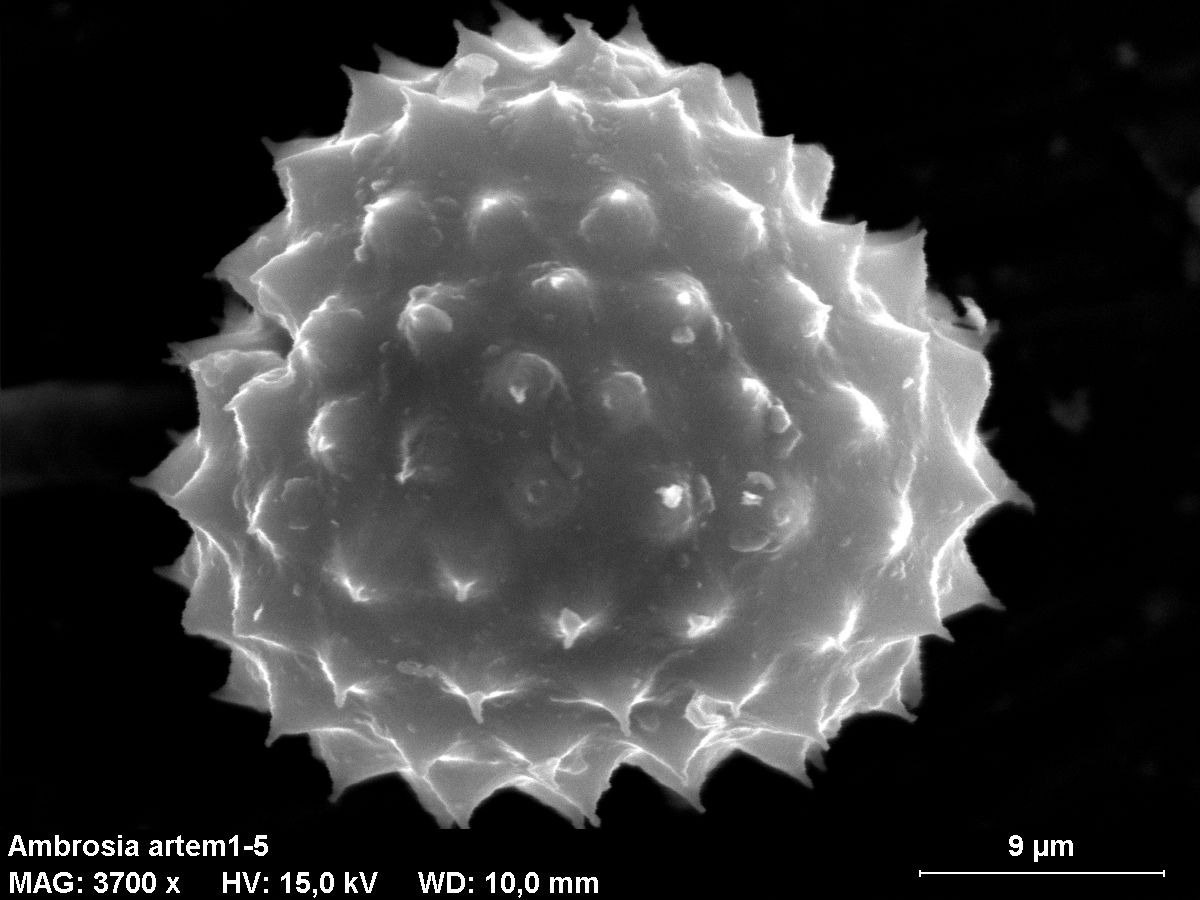
For some people, ragweed pollen can also worsen asthma symptoms. The CDC describes pollen as a climate-related health concern because exposure can trigger allergy symptoms and asthma attacks in susceptible people. That does not mean every sneeze in September is ragweed, or that every person needs the same response. It does mean the timing, local pollen counts, and a person’s own pattern of symptoms can offer useful clues. Someone with asthma, wheezing, shortness of breath, or severe symptoms should rely on medical guidance rather than guesswork.
Why Cities and Climate Can Make Ragweed Worse
Ragweed is already well suited to late summer, but human environments can give it extra advantages. Roads, parking lots, buildings, and bare soil create disturbed habitats where fast-growing weeds can establish themselves. Cities also tend to be warmer than nearby rural areas because pavement and structures absorb and re-radiate heat. That urban heat island effect can extend growing conditions for plants that flower late in the season.
Climate change can add another layer. The Environmental Protection Agency has explained that warmer fall temperatures can lengthen the growing season for ragweed, while higher carbon dioxide levels can help some plants produce more pollen. AAAAI describes a similar pattern: fall allergies, largely driven by ragweed, can worsen as ragweed grows faster and makes more pollen per plant under warmer conditions. The result is not the same everywhere, but the direction is important. A longer warm season can mean a longer pollen season.
This is one reason ragweed is more than a backyard nuisance. It connects plant biology, land use, weather, public health, and climate. A roadside weed can become a citywide air-quality concern because its pollen does not stay neatly where the plant grows. The grains are small enough to travel, abundant enough to matter, and biologically active enough to bother immune systems that have learned to react to them.
Reading Pollen Season More Clearly
Understanding ragweed makes late-summer allergies less mysterious. The symptoms may feel personal and unpredictable, but the pattern often follows a recognizable chain: ragweed grows in disturbed ground, flowers as summer shifts toward fall, releases lightweight pollen into dry moving air, and triggers immune reactions in people who are sensitive to it. Watching that chain can help people make sense of why one week feels fine and the next feels miserable.
Local pollen counts can be useful, especially when they are checked over several days instead of treated as a perfect single-day forecast. So can simple observation. Symptoms that appear outdoors on dry breezy mornings in late summer, ease after rain, and return near fields or unmowed lots may point toward weed pollen. Symptoms that happen year-round or indoors may involve other triggers such as dust mites, pets, indoor mold, or irritation from smoke and pollution.
Small habits can reduce exposure without turning the season into a project. Closing windows on high-pollen mornings, changing clothes after outdoor work, rinsing hair before bed, drying laundry indoors during heavy pollen days, and using well-maintained air filtration can all lower the amount of pollen carried into sleeping spaces. These steps do not change the immune system, but they can reduce how much pollen reaches the nose and eyes.
The larger lesson is that allergy season is not only a calendar label. It is a biological event shaped by plants, weather, soil disturbance, and the way human bodies read the air. Ragweed succeeds by being ordinary: small flowers, fast growth, disturbed ground, and wind-borne pollen. That ordinary success is exactly why late summer can suddenly feel so hard on the eyes, nose, throat, and lungs.