 Akshay Dinesh
Some autumns feel unusually loud under oak trees. Acorns tap against roofs, scatter across sidewalks, crunch under shoes, and collect in such thick patches that the ground seems to have changed texture overnight. Then another year arrives and the same trees may produce only a modest crop, or hardly any acorns at all. That uneven rhythm is not a mistake in the tree’s life cycle. It is part of a larger pattern called a mast year, when many trees in an area produce an unusually heavy crop of seeds, nuts, or fruit at roughly the same time.
For oaks, mast years turn acorns into a visible lesson in plant reproduction and forest ecology. They show that a tree is not simply making seeds whenever it can. It is balancing energy, weather, timing, and the animals that eat nearly everything it drops. Scientists still debate exactly how trees coordinate these heavy crops across neighborhoods and forests, but the broad pattern is clear: boom-and-bust seed production can give oaks a better chance of sending at least a few seedlings into the future.
What a mast year means
Mast is an old word for the nuts, seeds, and fruits that fall from forest trees and feed wildlife. Hard mast includes acorns, hickory nuts, beechnuts, and similar high-energy foods. Soft mast includes fleshy fruits such as berries and persimmons. A mast year is a season when a plant population produces far more of that food than usual.
Oaks are among the best-known mast producers because acorns are easy to notice. Purdue Extension describes masting as a periodic event in which oaks and other trees occasionally produce enormous seed crops. In many oak species, a large mast event may happen every two to five years, though the pattern varies by species, region, weather, and individual tree. One year may be heavy, the next moderate, and another surprisingly poor.
The pattern also differs between oak groups. White oak acorns usually mature in one growing season, while many red oak acorns take two growing seasons to develop. That means spring weather, summer stress, and conditions from the previous year can all matter, depending on the species. A single explanation rarely fits every oak in every place.
Making acorns takes energy
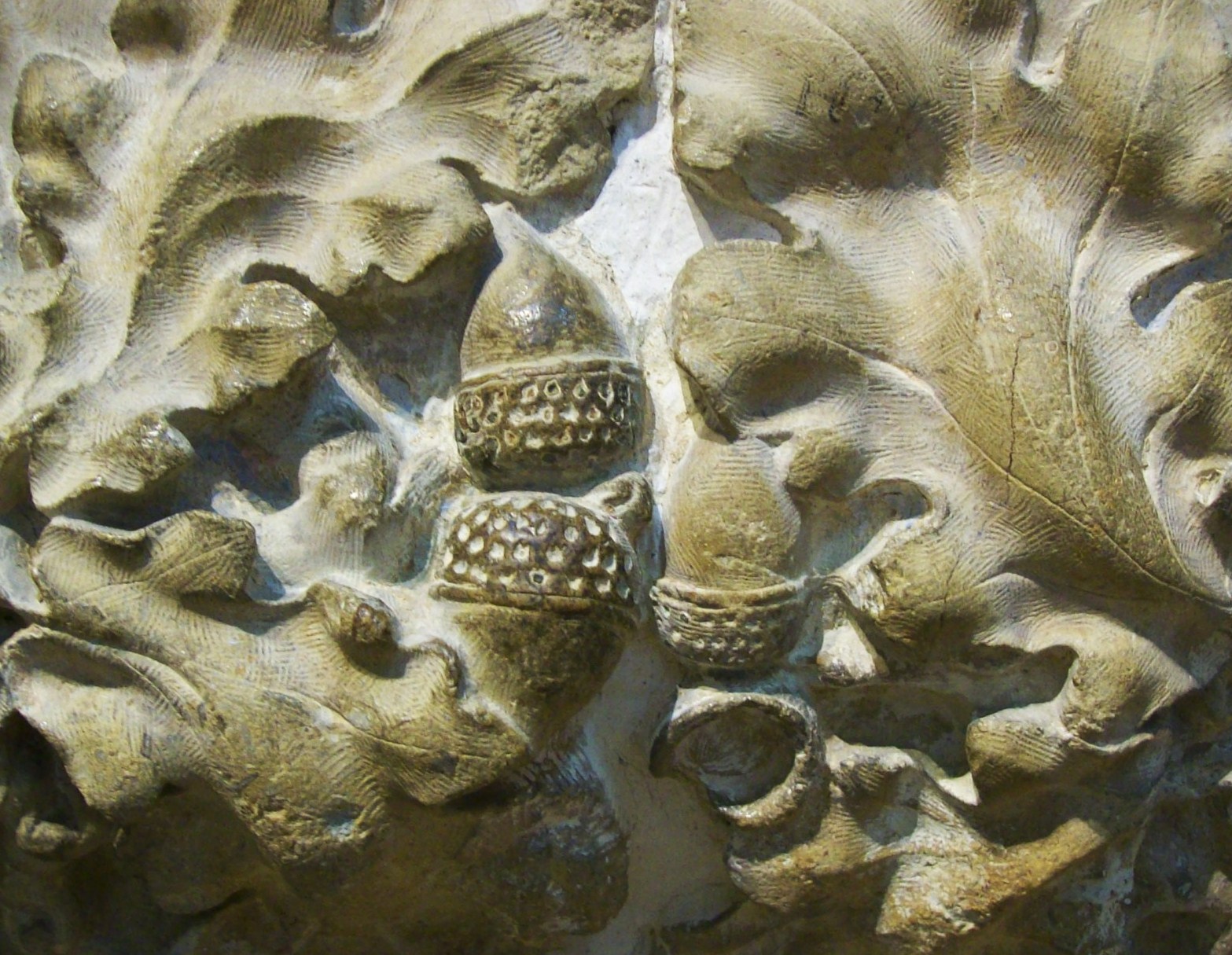
An acorn is small in a person’s hand, but it is a serious investment for a tree. It contains a seed, protective tissue, and enough stored food to give a young oak a start before its own leaves can feed it. Producing thousands of acorns requires water, sugars from photosynthesis, minerals from the soil, and living tissue that could have supported other jobs.
That tradeoff helps explain why steady, heavy acorn production every year would be difficult. A tree must also grow roots and leaves, repair damage, resist pests, survive drought, and prepare for winter. Purdue Extension notes that putting large amounts of energy into seed production can mean less energy for other functions. A boom year may be followed by a smaller crop partly because the tree needs time and resources to recover.
Age and structure matter too. The USDA Forest Service summarized research on five common eastern oak species using 10 years of acorn data from 475 trees. The researchers found that acorn production varied by species, tree, year, and location, and that larger trees often produced more acorns because they had larger crowns. More branches and leaves can support more flowers and developing seeds, but even large trees do not produce the same crop every year.
Weather can make or break the crop
Before acorns carpet the ground in autumn, oaks have to flower, pollinate, and carry developing seeds through months of changing conditions. A warm spell at the wrong time, a late freeze, heavy spring rain, summer drought, or extreme heat can interrupt that process. Some stress may reduce pollination. Other stress may cause the tree to abort part of the developing crop before the acorns mature.
Weather also helps explain why mast years can look regional. If many oaks in an area experience similar spring and summer conditions, many of them may respond in similar ways. That does not mean every tree acts identically. One oak may drop heavily while another nearby tree is quieter, especially if they are different species, different ages, or growing in different soil and light conditions.
This is one reason a mast year is easier to recognize after it happens than to predict perfectly in advance. Foresters and ecologists can watch flowering, weather, and past production, but acorn crops remain uneven. University of Missouri Extension notes that mast crops are extremely variable and can be affected by poor pollination, late spring frost, drought, insects, and genetic differences among individual trees.
Too many acorns can overwhelm seed eaters
An acorn on the ground enters a crowded food web. Squirrels, chipmunks, mice, deer, turkeys, jays, bears, insects, and other animals can eat acorns before they have any chance to sprout. In an ordinary year, seed eaters may consume nearly all of them. From the oak’s point of view, a seed crop is only successful if some acorns escape that pressure.
One leading explanation for mast years is predator satiation. The idea is simple: if oaks produce modest crops every year, animal populations can keep pace and eat most of the seeds. If many oaks suddenly produce a bumper crop, animals eat well, but they cannot eat everything. The leftovers have a better chance of being buried, hidden, or overlooked long enough to germinate.
University of New Hampshire Extension gives a vivid picture of that boom. During strong bumper crop years, acorn density can rise dramatically across a woodland, creating far more food than usual for wildlife. The same abundance can echo into the next year by helping some animal populations survive winter or raise more young. A mast year is not just a tree event; it can briefly change the rhythm of the whole forest community.
Some animals eat acorns, and some accidentally plant them
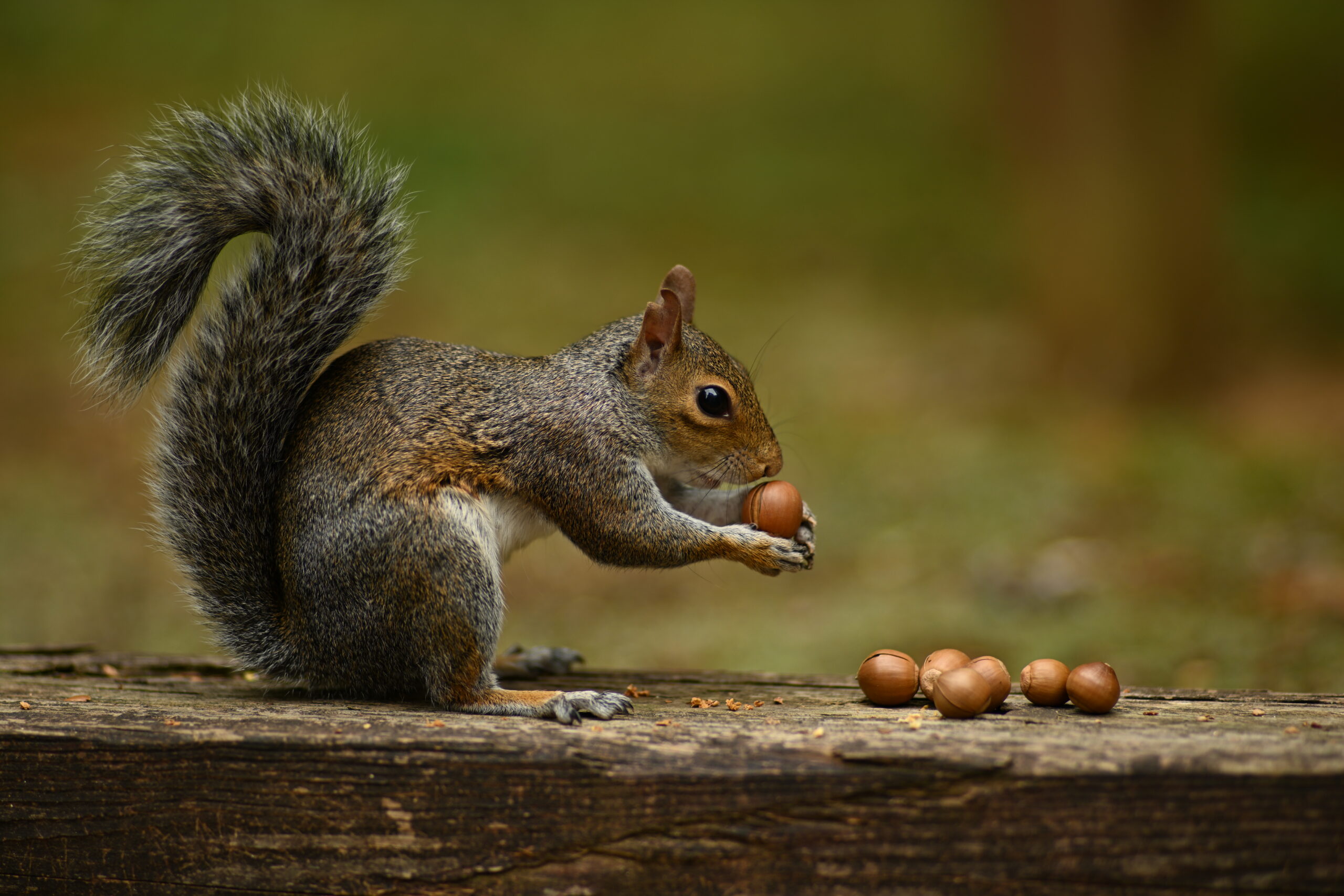
The relationship between oaks and acorn-eating animals is more complicated than a simple contest. Many animals destroy acorns by eating them, but some also move acorns to better places. Squirrels and blue jays often carry acorns away and bury or cache them for later. When a hidden acorn is forgotten or left uneaten, it may end up planted in soil with a better chance of germination than it had lying exposed under the parent tree.
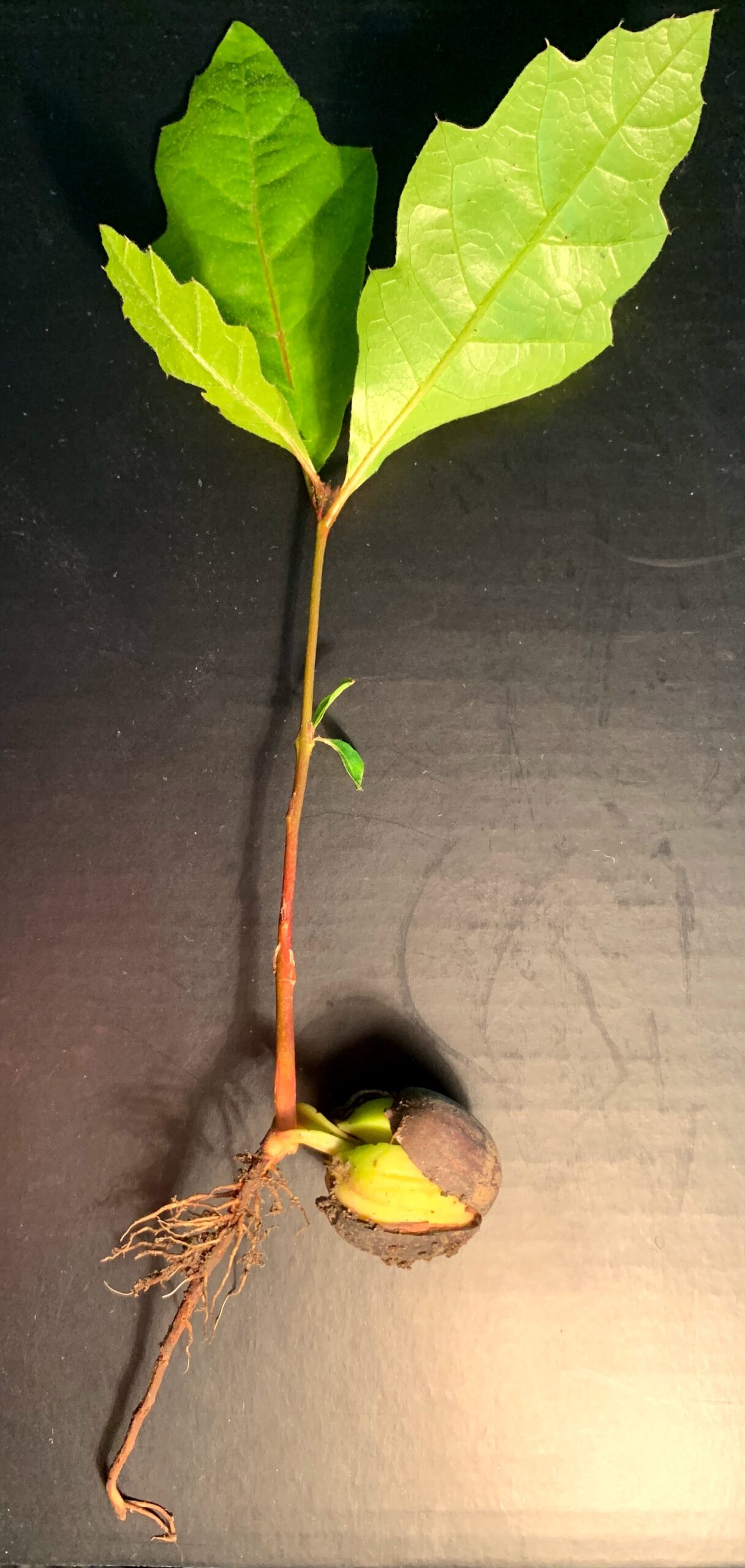
This accidental planting matters because young oaks need light, moisture, space, and a bit of luck. An acorn that lands on pavement, dries out on compacted ground, or gets eaten immediately is finished. One that is tucked into soil may survive winter, send out a root, and begin the slow work of becoming a sapling.
Mast years increase the number of chances. Most acorns still fail, even in a heavy year. That may sound wasteful, but plants often reproduce by producing many more seeds than will ever grow. The forest only needs a small fraction of those acorns to succeed over time.
Why the pattern matters beyond a messy yard
For people, a mast year may look like a cleanup problem. Driveways become slippery, lawns fill with small brown shells, and acorns seem to roll everywhere. For a forest, the same crop is food, habitat pressure, and future tree growth wrapped into one seasonal event.
Wildlife managers pay attention to acorns because they influence animal movement and survival. A strong crop can keep some animals closer to oak woods because food is abundant. A poor crop can push animals to search more widely. Forest managers also care because acorn production affects oak regeneration, especially in places where young oaks struggle to compete with other plants or where deer browsing removes many seedlings.
Mast years also remind readers that nature is often rhythmic without being perfectly regular. Oaks do not follow a simple calendar that says every third autumn must be heavy. Their seed crops emerge from stored energy, weather windows, species differences, wildlife pressure, and perhaps signals among nearby trees that researchers are still working to understand. The uncertainty is part of the science, not a weakness in it.
The next time acorns seem to cover every step, the scene is bigger than a busy oak tree. It is a forest strategy playing out in public: save energy, wait for the right conditions, release more seeds than animals can finish, and let a few hidden acorns become the next generation.