
 Akshay Dinesh
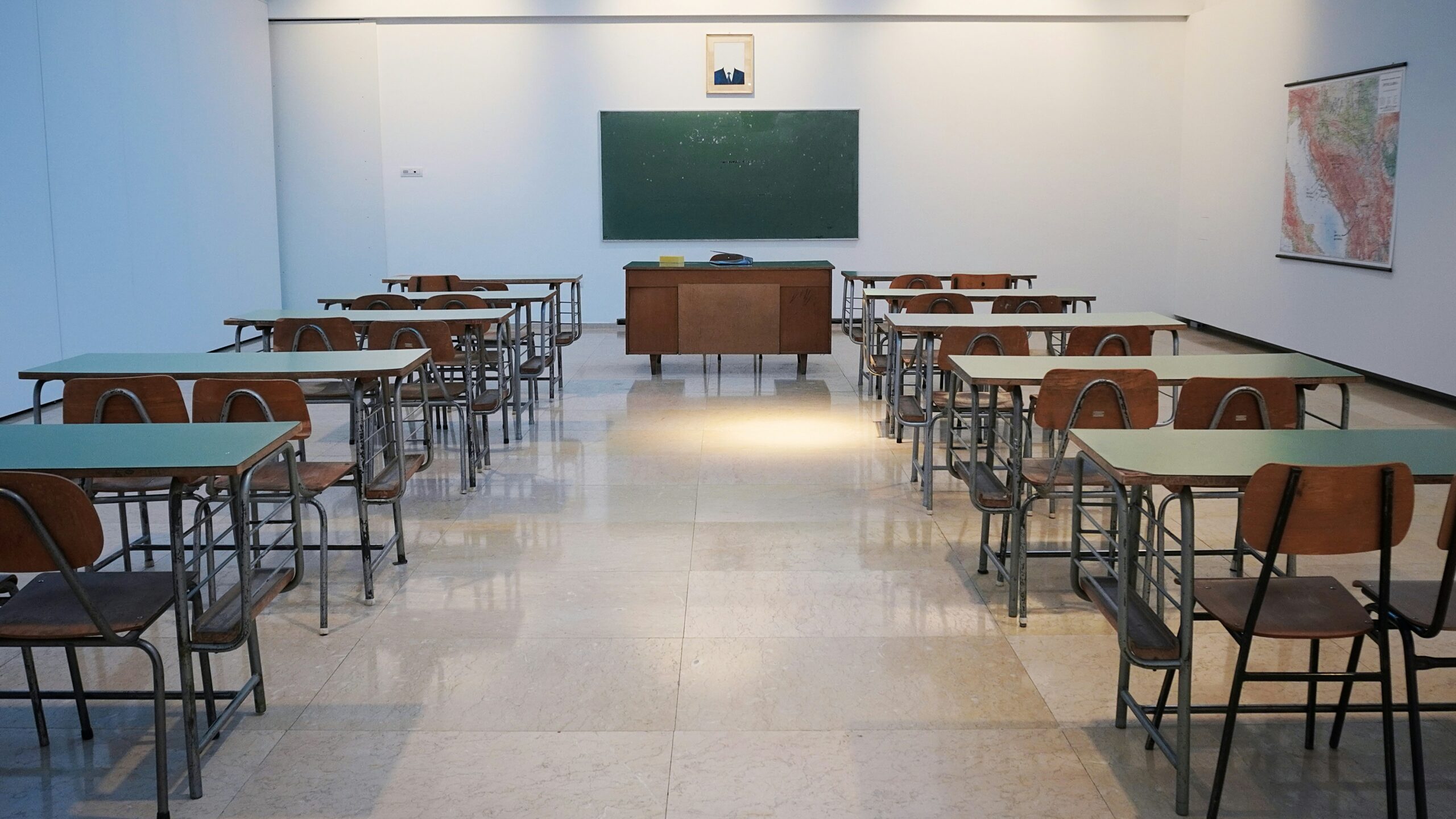
A thermostat can make a classroom seem simple: one room, one number, one answer. Yet students in the same room can have completely different reactions. One person keeps a sweatshirt in a backpack, another pushes sleeves up, and someone near the vent feels a steady blast of cold air even though the wall display looks reasonable.
That mismatch is not just complaining or personal preference. A thermostat usually measures air temperature at one spot on one wall. Human comfort is built from several moving pieces at once: air temperature, air movement, humidity, nearby surface temperatures, clothing, activity level, and where a person happens to sit. ASHRAE Standard 55, a widely used thermal-comfort standard for buildings, treats comfort as a combination of environmental and personal factors rather than a single temperature reading. Classrooms make that lesson especially visible because many people share one room while doing different kinds of work.
The Thermostat Only Reads One Small Part of the Room
Most thermostats are mounted where they can sense the room without being bumped, covered, or constantly adjusted. That location is convenient for the heating and cooling system, but it may not represent every desk. A thermostat on an interior wall might read 72 degrees Fahrenheit while the seat under a supply vent feels cooler, the sunny window side feels warmer, and the back corner feels still and stuffy.
Air does not spread through a classroom like perfectly mixed food coloring in water. It enters through vents, rises or sinks depending on temperature, moves around furniture, and leaves through returns or door gaps. Bookshelves, lab tables, high ceilings, window glass, and clusters of students can all change the pattern. A room can have pockets of slightly different temperature even when the thermostat is working correctly.
The time of day matters too. A classroom may still hold heat from afternoon sunlight, or it may feel chilly first thing in the morning after the system has been running in a setback mode overnight. When students arrive, their bodies and movement add heat. Computers, projectors, lights, and chargers add more. The thermostat responds to the air near it, but students experience the small climate around their own seats.
Moving Air Can Make the Same Temperature Feel Cooler
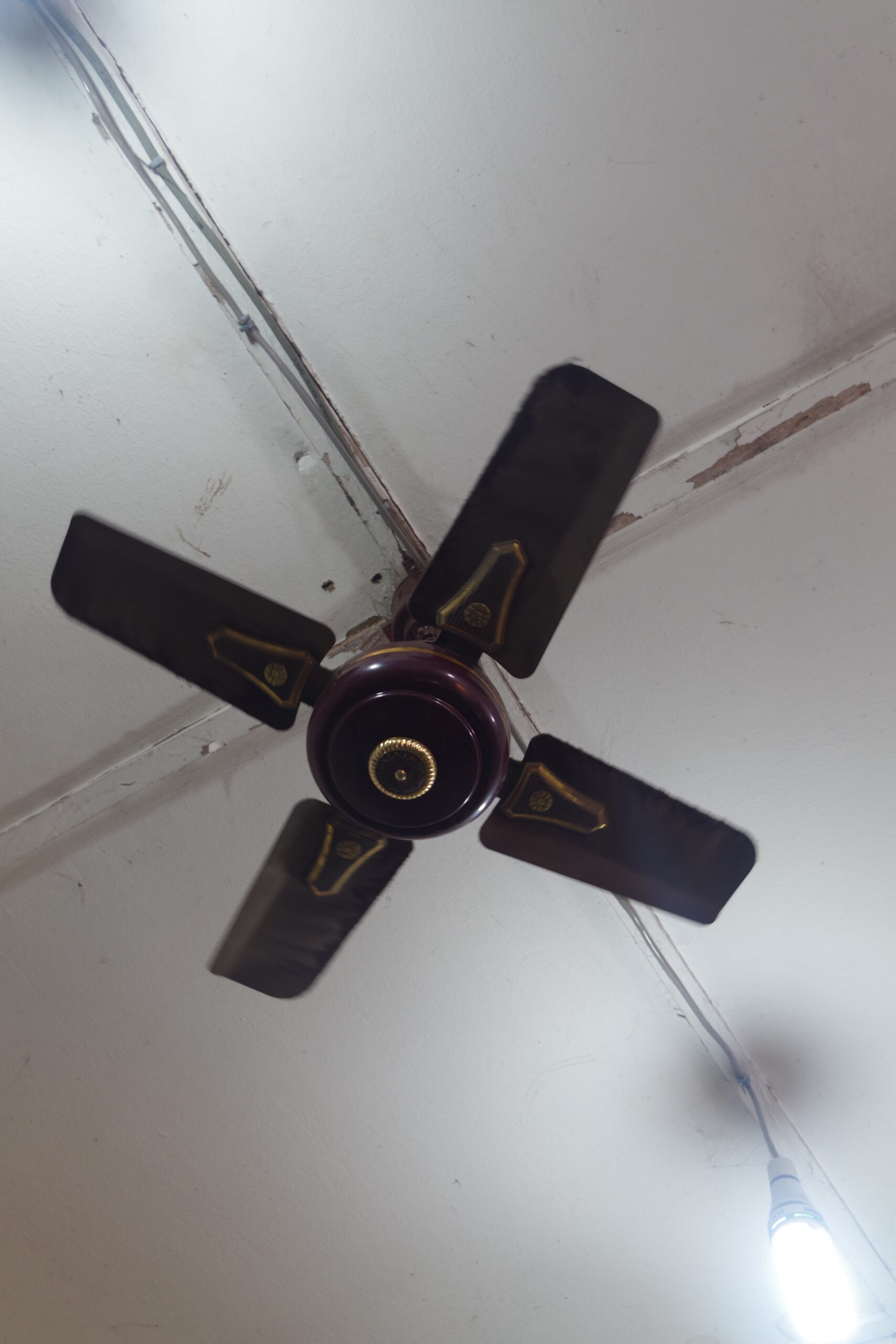
Air movement is one of the biggest reasons a room feels different from its displayed temperature. A cool draft from a vent speeds up heat loss from skin and clothing. Even if the air is not extremely cold, moving air carries away the thin layer of warmer air that normally sits close to the body. That is why a fan can make people feel cooler even when it does not lower the actual room temperature.
In a classroom, this effect can be uneven. A student directly below a supply diffuser may feel chilled, while a student across the room may feel warm because air movement is weak there. A teacher walking around the room may feel comfortable because movement raises body heat, while students sitting still for a long reading period may cool down. The number on the thermostat has not changed, but the experience has.
Airflow also depends on how the room is arranged. A tall cabinet placed near a vent can redirect air. A stack of materials on a return grille can reduce circulation. Closed blinds may stop radiant heat from sunlight, but they can also change how air moves near windows. Small layout choices sometimes have larger comfort effects than people expect.
Humidity Changes How Heat Leaves the Body
Humidity affects comfort because the body is always managing heat. When air is humid, sweat evaporates more slowly, so warm rooms feel heavier and harder to cool down in. When air is very dry, the air can feel sharper, skin may feel cooler, and people may notice dry eyes or throats. Humidity does not need to be extreme to change how a classroom feels.
The U.S. Environmental Protection Agency notes that temperature and relative humidity are part of indoor air quality in schools, and that comfort complaints often overlap with concerns about indoor air. That connection makes sense. A room that feels too humid may also feel stale. A room that is too dry may feel uncomfortable even if the temperature looks normal. People often describe the result as bad air, but part of the problem may be the way moisture, airflow, and temperature work together.
Humidity can also vary during the school year. Early fall classrooms may be cooled on humid days while outdoor doors open and close often. Winter classrooms may feel dry when heating systems run for long periods. Science labs, gyms, cafeterias, and rooms with many people can feel different from a quiet classroom because moisture and heat sources vary.
Walls, Windows, and Floors Also Trade Heat With People
People do not exchange heat only with the air. They also lose or gain heat through radiation, which means warm and cool surfaces nearby matter. A student sitting next to a cold window can feel chilled even if the air at the thermostat reads comfortably. The body is exchanging heat with the cooler glass and wall. On a sunny afternoon, the same seat might feel too warm because sunlight and heated surfaces add radiant heat.
This is why older classrooms with single-pane windows, leaky doors, or poorly insulated walls can be hard to keep comfortable. The HVAC system may heat or cool the air, but cold surfaces still pull heat from nearby bodies in winter. Hot surfaces can do the opposite in late summer. A thermostat does not always capture that surface effect because it is measuring air, not how the whole room is exchanging heat.
Floors and furniture can play a smaller role too. A tile floor may feel colder than carpet because it conducts heat away from shoes and feet more quickly. A metal chair can feel cool at first contact, while a padded chair feels less abrupt. These details are ordinary physics, but they shape whether a room feels comfortable enough for sustained attention.
People Bring Different Heat Needs Into the Same Room
Even if every part of a classroom had exactly the same air temperature, students would not all feel the same. Clothing changes insulation. A student wearing shorts after gym class may feel different from a student in a hoodie. Activity level matters as well. Writing, testing, reading, presenting, and setting up lab equipment all produce different amounts of body heat.
Age, body size, health, sleep, hydration, and stress can also change temperature perception. A room that feels fine during a discussion may feel cold during a quiet test because students are sitting still and moving less. A room that feels comfortable at the start of class may feel warmer after thirty people have been inside for half an hour. Comfort is partly physical and partly situational.
That is why classroom temperature debates rarely have one perfect setting. Building standards aim for conditions acceptable to most occupants, not identical comfort for everyone. The practical goal is not to make every person feel exactly the same. It is to reduce obvious problems: strong drafts, blocked vents, large hot and cold spots, excessive humidity, stale air, and temperature swings that distract from learning.
Better Comfort Starts With Better Clues
When a classroom feels wrong, the thermostat is only the first clue. A better question is where and when the discomfort happens. Is the coldest seat under a vent? Does the room feel worse near windows? Does it become stuffy after lunch? Does the problem happen only on humid days, only in the morning, or only when the door stays closed?
Those details help separate a thermostat setting from a comfort pattern. A facilities team can do more with a clear description such as “the front-left desks feel cold during first period when the supply vent runs” than with “the room is freezing.” Teachers and students can also avoid easy mistakes, such as covering vents with posters, pushing furniture against returns, or judging the whole room from one desk.
Some fixes are simple. Moving a desk away from a strong draft, keeping vents and returns clear, using blinds thoughtfully, reporting unusual humidity, and checking whether the room changes across the day can all help. Larger problems may require balancing airflow, checking sensors, improving insulation, repairing dampness, or adjusting building schedules. The EPA’s school indoor-air guidance emphasizes that ventilation, temperature, and humidity interact, so comfort problems often deserve a building-level look rather than a quick argument over one number.
A thermostat is useful, but it is not the whole story. A classroom feels cold or warm because air, moisture, surfaces, movement, and people are all exchanging energy at the same time. Once that is clear, the room becomes easier to read. The question shifts from “What does the thermostat say?” to “What is the room actually doing to the people inside it?” That better question leads to better fixes.