

 Akshay Dinesh
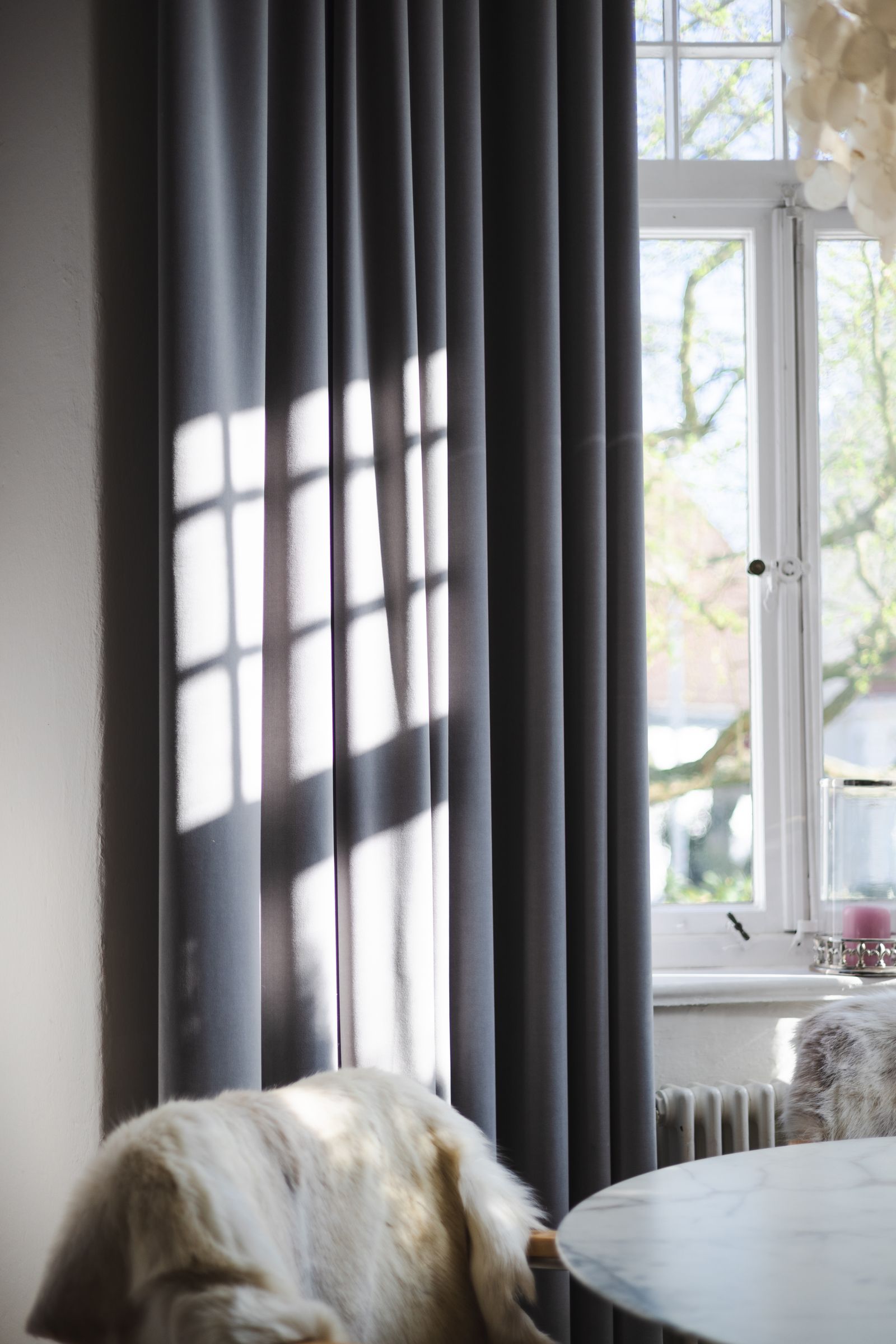
A hot room often starts warming long before it feels uncomfortable. The morning or afternoon sun reaches a window, passes through the glass, lands on the floor, furniture, or wall, and turns into heat inside the room. By the time the air feels stuffy, the surfaces have already been absorbing energy for hours. Closing curtains, blinds, or shades before direct sun arrives works because it interrupts that heat gain early, while the room still has a chance to stay closer to its cooler starting point.
The idea is simple, but the physics is easy to underestimate. A window is not just a clear wall. It is a pathway for sunlight, a weak spot for heat flow, and a surface that can make one side of a room feel warmer than another. Curtains do not work like an air conditioner, and they cannot remove heat that is already in the room. Their main advantage is prevention: they reduce how much solar energy gets inside in the first place.
Sunlight Becomes Indoor Heat
Sunlight carries energy. When it passes through a window, some of that energy remains visible light, which is why the room brightens. Some is infrared radiation, which is already associated with heat. Much of the visible light that reaches darker floors, rugs, sofas, bookshelves, or countertops is absorbed by those surfaces. After absorbing it, the surfaces warm up and release energy back into the room as heat.
This is why a sunny patch on the floor can feel warm under your hand even if the thermostat still shows a reasonable air temperature. The air warms partly because those surfaces are warming it. A room with large east-facing windows may heat quickly in the morning; a west-facing room may become uncomfortable late in the afternoon, when the sun is lower and shines more directly into living spaces.
Glass lets a useful amount of daylight in, but that same openness creates solar heat gain. Building scientists use the term solar heat gain coefficient, or SHGC, to describe how much solar radiation a window admits. The U.S. Department of Energy explains that a lower SHGC means less solar heat is transmitted indoors, which can reduce cooling loads in warm weather. Curtains and shades are not the same as choosing a different window, but they change the path between sunlight and the room.

Why Timing Matters More Than People Expect
Closing curtains after a room is already hot can still help a little, especially if the sun is still shining through the glass. But it is not the most effective timing. Once sunlight has spent hours heating the floor, furniture, and walls, those materials keep releasing heat even after the window is covered. The room may continue to feel warm because the heat has already been stored in the surfaces around you.
That stored warmth is one reason summer rooms can lag behind outdoor conditions. A room may keep getting warmer for a while even after the sun moves away, especially if the surfaces are dense, dark, or poorly shaded. Curtains work best when they are closed before the sunny period begins: east-facing windows before morning sun, south-facing windows through the bright middle of the day, and west-facing windows before the late-afternoon sun hits.
The Department of Energy’s warm-weather window guidance gives a practical version of the same idea: close curtains on south- and west-facing windows during the day, and use white shades, drapes, or blinds to reflect heat away. The advice is not about making a room dark all summer. It is about matching the covering to the sun’s path so the room does not gain heat when sunlight is strongest.
What Curtains, Blinds, and Shades Actually Do
Window coverings help in a few different ways. First, they can reflect some sunlight back toward the window instead of letting it strike interior surfaces. Lighter-colored coverings usually do this better than dark ones. A white shade or pale curtain may look modest, but it can reduce the amount of energy absorbed by the room.
Second, coverings diffuse light. Diffuse light spreads around the room instead of concentrating into a hard, hot patch on one surface. That does not make the energy disappear, but it can reduce intense local warming and glare. A sheer curtain may soften light while still admitting quite a bit of heat, while a tightly woven or lined curtain blocks more.
Third, some coverings add a small insulating layer near the glass. Air does not move as freely when a shade or curtain fits close to the window, so heat transfer between the warm window area and the rest of the room slows. Cellular shades are designed around this principle. Their honeycomb pockets trap air, which is why the Department of Energy notes that tightly installed cellular shades can reduce unwanted solar heat through windows by up to 60 percent in cooling seasons when the fit is tight.
The fit matters. A curtain that hangs far from the window with wide gaps at the top, sides, and bottom allows warm air behind it to mix more easily with room air. A shade mounted close to the glass, side tracks on a cellular shade, or a curtain that covers the whole window opening reduces that mixing. The same covering can perform differently depending on how it is installed.
The Best Windows to Cover First
Not every window deserves the same attention. In many homes, the biggest summer gains come from east, south, and especially west-facing windows. West-facing windows can be difficult because they receive low, direct sun late in the day, often after outdoor temperatures have already climbed. A west-facing bedroom or living room can become warm just when people want to use it.
South-facing windows receive a long stretch of sun in many parts of the Northern Hemisphere, especially when overhangs, trees, or nearby buildings do not provide shade. East-facing windows matter most in rooms that warm quickly after sunrise. North-facing windows usually receive less direct sun, so covering them may be less important for cooling unless they are large, poorly insulated, or exposed to reflected sunlight from pavement, walls, or water.
A simple test is to notice where the sun lands during the hottest part of the day. If a bright patch of sunlight sits on a floor, desk, bed, or couch for an hour or more, that window is a strong candidate for daytime covering. The goal is not to block every window automatically. It is to block the ones that are doing the most heating.
Why Color and Material Change the Result
A dark curtain may block light well, but it can also absorb a great deal of solar energy. If that curtain hangs inside the room, some of the absorbed energy becomes indoor heat. A light-colored or reflective backing often works better for summer cooling because it sends more radiation back toward the glass before it is absorbed indoors.
Material also matters. Thin sheer fabric reduces glare but may not stop much heat. Heavier lined drapes, roller shades with reflective backing, and cellular shades can do more because they block or reflect more incoming energy and slow air movement near the glass. Blinds can help too, especially when their slats are tilted to bounce sunlight upward or outward rather than letting it fall directly onto the floor.
Exterior shading is often even stronger because it stops sunlight before it reaches the glass at all. Awnings, shutters, shade screens, trees, and overhangs reduce the energy at the outside surface of the window. Interior curtains still help, but they are working after sunlight has already crossed the glass. That is why the same Department of Energy guidance notes that exterior shades are best when possible.
How to Use Window Coverings Without Living in the Dark
The most useful approach is targeted, not extreme. Close the coverings on the windows that receive direct sun, then leave less exposed windows open for daylight. If a room has both north-facing and west-facing windows, the north-facing window may provide comfortable light while the west-facing window stays covered during the afternoon.
Timing can also be adjusted across the day. Open coverings early when the sun is not hitting the window directly, close them before the bright period begins, and open them again after the sun moves away if outdoor conditions allow. In a dry climate with cooler nights, nighttime ventilation may help release stored heat. In a humid climate, opening windows may not feel helpful, but blocking direct sun during the day can still reduce the work an air conditioner has to do.
Small choices add up. A room with shaded windows may not become cold, but it can warm more slowly. That slower rise can mean the difference between a room that is comfortable into the afternoon and one that needs cooling much earlier. It can also reduce glare on screens, protect fabrics and wood from fading, and make a home feel steadier through the hottest part of the day.
Closing curtains before the sun hits is not a magic cooling trick. It is a timing strategy based on heat transfer. Keep the strongest sunlight from becoming indoor heat, and the room has less warmth to fight later. The best results come from watching the sun’s path, covering the right windows early, and choosing materials that reflect, block, or trap heat before it spreads through the room.






Add comment