

 Akshay Dinesh
Wind is invisible, but its effects are not. A flag snapping straight out, leaves trembling on a tree, whitecaps spreading across a lake, or palm fronds bending in a storm all give clues about how fast the air is moving. Weather instruments can measure wind more precisely, but people often notice wind first through motion, sound, and damage. The Beaufort scale gives those observations a shared language.
The scale is especially useful because wind numbers can feel abstract. A 10 mile-per-hour breeze and a 40 mile-per-hour wind are both just numbers until they are tied to something a person can picture. The Beaufort scale connects wind speed with visible signs on land and water, from smoke drifting gently to whole trees moving and waves throwing spray. It does not replace forecasts or warnings, but it helps readers understand what those forecasts are describing.
Where the Scale Came From
The Beaufort wind force scale is named for Francis Beaufort, a British naval officer who developed an early version in 1805. Sailors needed a practical way to describe wind before modern instruments were common on ships. Instead of relying only on vague words like light, fresh, or strong, the scale connected wind force to what wind did to sails and the sea.
That practical origin still matters. The scale was not invented as a classroom chart. It was built for people who had to make decisions in moving air and changing weather. Over time, it was adapted beyond sailing, and modern versions include land-based clues such as smoke movement, leaves, flags, branches, and tree motion.
Today, weather agencies still publish Beaufort tables because the scale remains easy to understand. The National Weather Service describes it as a way to estimate wind speed when measuring equipment is not available. The Royal Meteorological Society also notes an important detail: Beaufort values usually refer to mean wind speed, often averaged over about 10 minutes, not the strongest brief gust.
How Wind Becomes Something You Can See
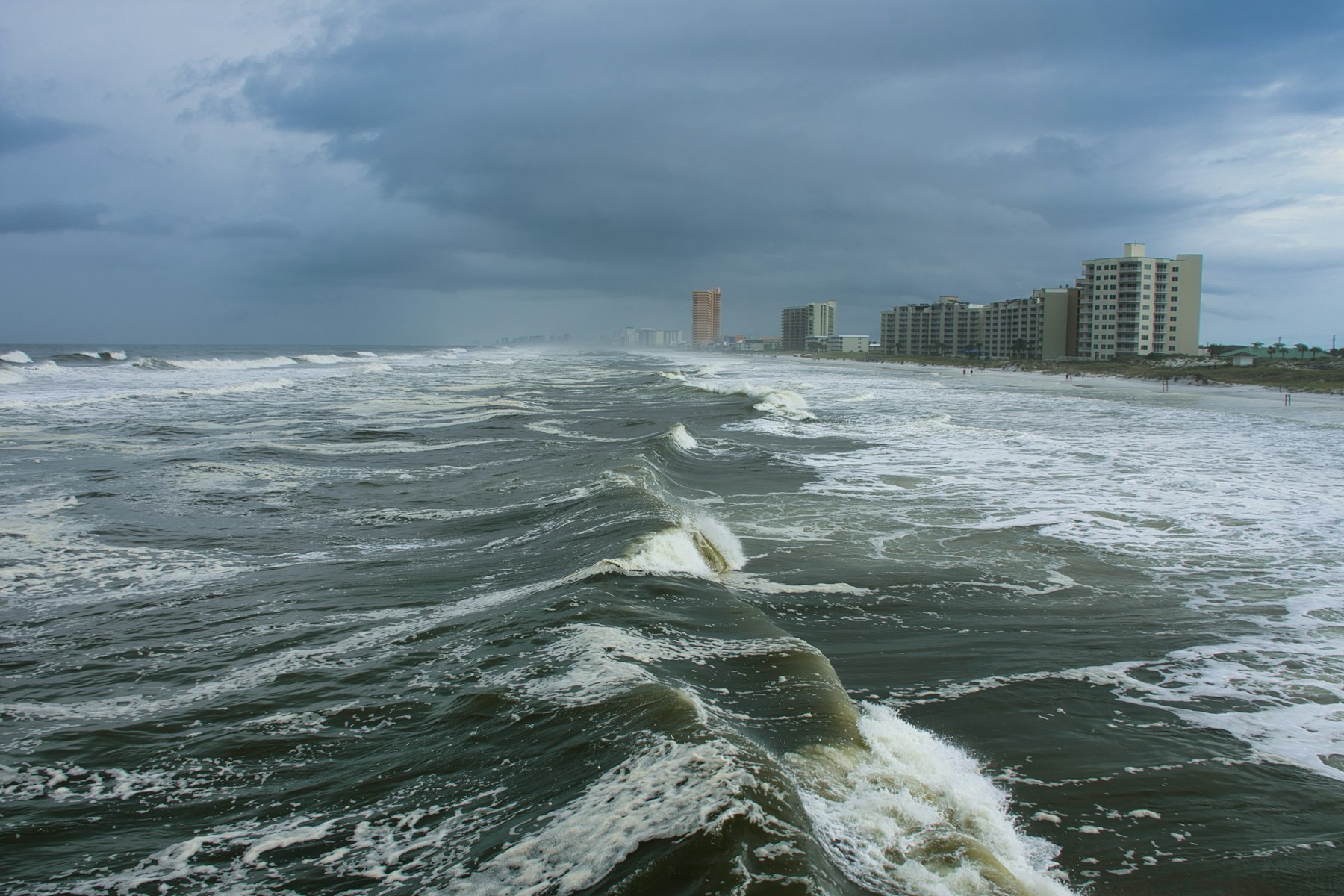
The Beaufort scale works because wind transfers energy to objects and surfaces. At the low end, the signs are small. Calm air may let smoke rise nearly straight upward. A light air can push smoke sideways without moving leaves much. A light breeze can stir leaves and make weather vanes respond.
As wind strengthens, the signs become harder to miss. Small branches begin to move, dust and loose paper may lift from the ground, and flags extend more fully. On water, ripples become wavelets, then whitecaps. At higher forces, large branches sway, walking against the wind becomes difficult, and damage can begin. The scale turns those everyday observations into a rough estimate of wind force.
This is not magic, and it is not perfectly precise. Trees differ in size, health, leaf cover, and root strength. A sheltered street can feel calm while a nearby open field is windy. Ocean waves depend not only on current wind speed but also on how long the wind has been blowing and how much distance it has had to push across open water. The scale is best read as a practical guide, not a measuring instrument.
Why Gusts Can Feel Stronger Than the Scale Suggests
One common confusion comes from the difference between sustained wind and gusts. A forecast may describe wind at 20 miles per hour, but short bursts can be much stronger. Those gusts are often what people remember: the sudden shove against a car door, the trash bin sliding down the driveway, or the branch that snaps during a squall.
The Beaufort scale is usually tied to sustained or average wind, while warnings often focus on gusts because gusts can cause damage quickly. In the United States, the National Weather Service uses 58 miles per hour as the wind threshold for a severe thunderstorm warning. That number is not a Beaufort category by itself; it is a public-safety threshold based on damaging thunderstorm wind potential.
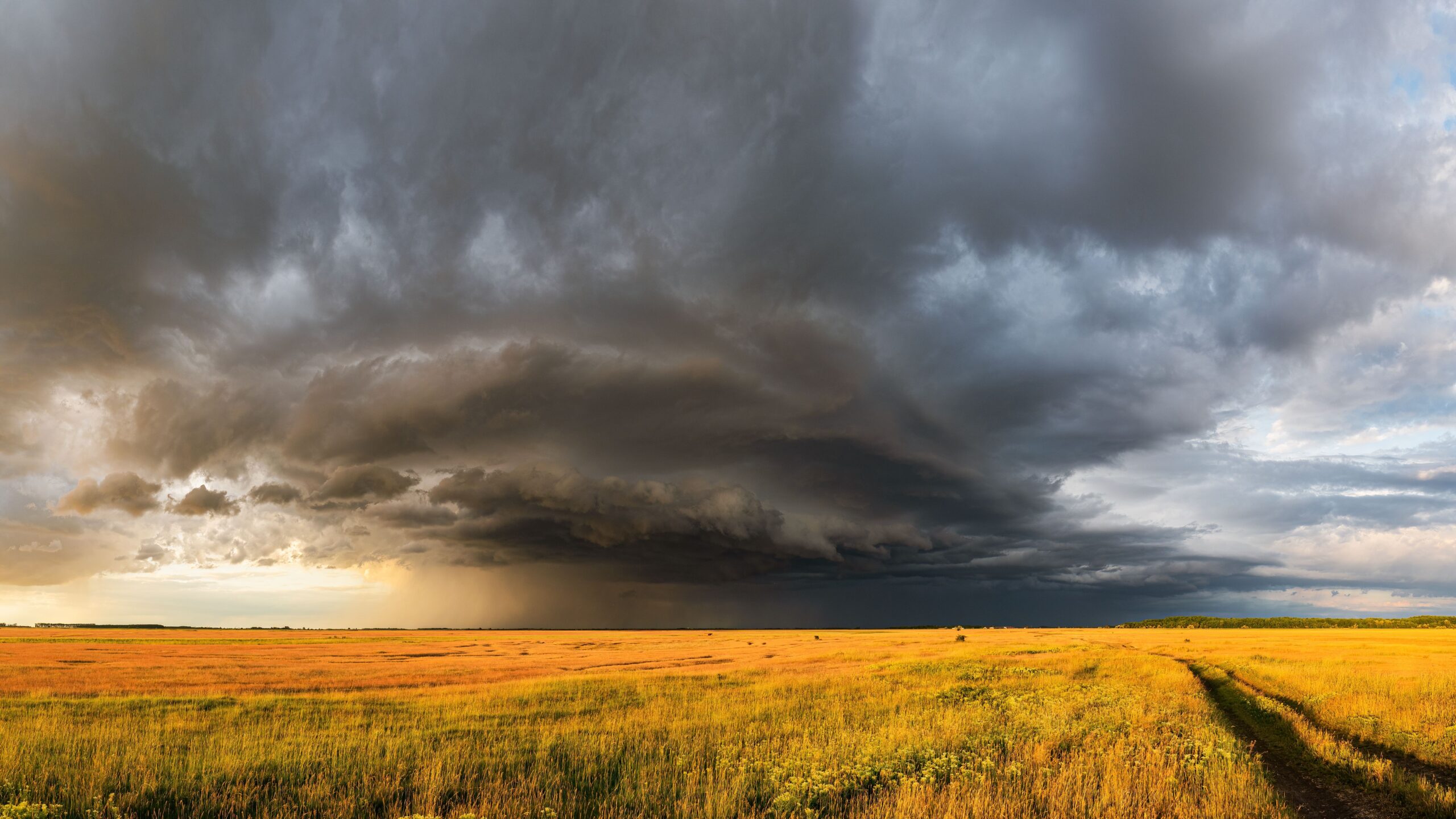
This distinction matters during summer storms and tropical systems. A moderate sustained wind can still produce dangerous gusts if a thunderstorm downdraft, squall line, or rain-cooled outflow suddenly reaches the ground. That is why a simple visual scale should never be used to second-guess an official warning. If forecasters warn of damaging wind, the hidden risk may be in the gusts, not just in the average wind a person feels between them.
What the Scale Teaches Better Than a Single Number
The Beaufort scale is strongest as a bridge between measurement and experience. It helps explain why a few extra miles per hour can matter. Wind pressure rises quickly as wind speed increases, so the difference between a fresh breeze and a near gale is not just a slightly stronger push. The physical strain on trees, signs, waves, and loose objects grows much more noticeably.
The scale also shows why wind affects different places in different ways. On open water, a force that mainly feels brisk on land can build uncomfortable chop. In a city, the same general wind can accelerate between buildings, swirl around corners, or hit pedestrians unevenly. In a forest, wind may be partly blocked near the ground but still place heavy stress on upper branches.
For learners, the scale is a useful example of observational science. Before a number appears on a screen, someone had to notice repeatable patterns in the world: smoke, leaves, flags, waves, branches, and damage. Good science often begins that way, with careful description. Instruments improve precision, but observation gives the numbers meaning.
How to Read Wind Clues Without Overreading Them
A careful observer can use the Beaufort idea without memorizing every category. Start with what is moving. Smoke, leaves, flags, small branches, large branches, whole trees, and loose objects each suggest a different level of wind. Then consider the setting. A flag in an open parking lot may show stronger wind than leaves beside a sheltered wall. Waves on a large lake may grow more dramatically than ripples on a small pond.
It also helps to separate normal movement from damage. Leaves rustling or small twigs moving are ordinary signs of a breeze. Large branches moving continuously, difficulty using an umbrella, or loose objects being pushed around suggest a stronger and less comfortable wind. Broken limbs, downed trees, damaged roofs, or power-line problems belong in a different category of concern. At that point, the practical question is no longer what Beaufort number fits best, but how to get away from falling or flying hazards.
The scale is most useful before conditions become dangerous. It can help a sailor, hiker, coach, parent, or student notice that the wind is shifting from background weather into something that deserves attention. If whitecaps are spreading, tall trees are swaying, and loose objects are moving, the environment is giving information even before a phone alert arrives.
Why an Old Scale Still Belongs in Modern Weather Learning
Modern forecasts use satellites, radar, automated weather stations, aircraft observations, and computer models. Compared with that system, the Beaufort scale may seem old-fashioned. Its lasting value is that it teaches weather as something visible and local. It reminds people that conditions are not only data points. They are also patterns in the world around them.
That kind of awareness is useful in ordinary life. A person who understands wind clues is more likely to bring in lightweight outdoor items before a storm, treat a lake or beach forecast seriously, notice when a sports field is becoming unsafe, or understand why a forecast mentions gusts separately from sustained wind. The scale also makes weather language less mysterious. Terms such as breeze, gale, and storm force are not just dramatic words; they point to different ranges of wind behavior.
The Beaufort scale is not a warning system, and it should not be used as one. Official forecasts and alerts matter because they draw on instruments and regional context that a single observer cannot see. Still, the scale gives a valuable habit: look closely. Wind may be invisible, but it writes itself across trees, flags, water, dust, and clouds. Learning to read those signs turns a weather number into something real.




Add comment