
 Akshay Dinesh
Lithium-ion batteries power much of modern life because they can store a lot of energy in a small, rechargeable package. That is why the same basic battery family appears in phones, laptops, power tools, electric scooters, e-bikes, and many electric vehicles. Most of the time, these batteries work quietly and safely, protected by careful design, electronics, and manufacturing controls. When they fail badly, though, the failure can look very different from an ordinary household fire. A damaged or poorly controlled lithium-ion cell can heat itself, vent smoke and gas, ignite, and sometimes push nearby cells into the same failure.
The key idea is called thermal runaway. UL Research Institutes describes it as an uncontrollable, self-heating state inside a lithium-ion cell. The U.S. Consumer Product Safety Commission has used the same idea in its proposed safety rule for micromobility batteries, published in the Federal Register on June 24, 2026, because thermal runaway can lead to fires, explosions, gas release, burns, overheating, and smoke inhalation. That regulatory attention is not about every battery being dangerous. It is about understanding why a rare failure can become severe so quickly when a compact energy source loses control of its own chemistry.
A Battery Stores Energy by Separating Materials That Want to React
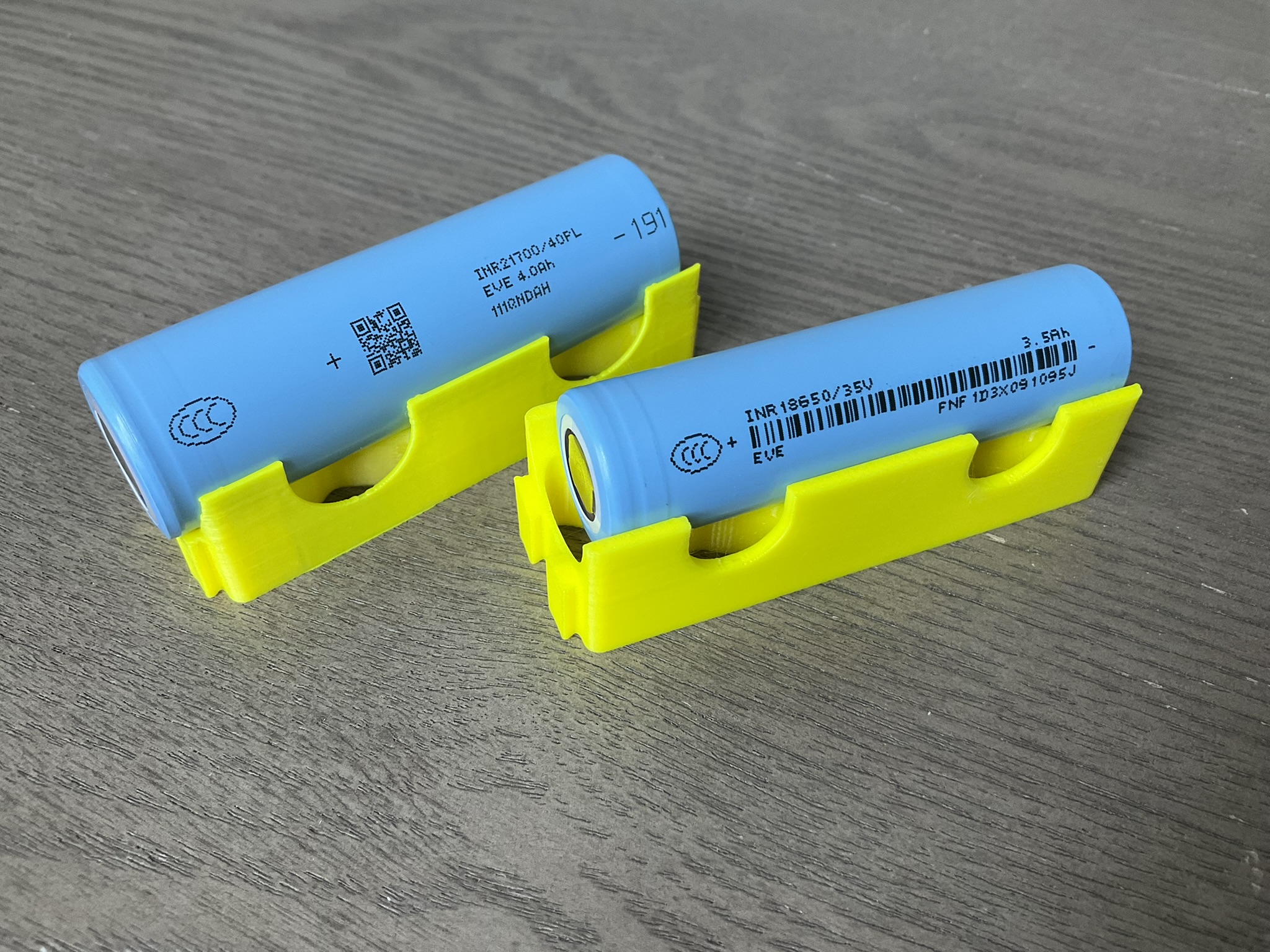
A lithium-ion cell has several main parts. The anode and cathode hold lithium ions in different chemical settings. The electrolyte lets lithium ions move between them, and the separator keeps the two electrodes from touching directly. During discharge, ions move one way and electrons move through the outside circuit, powering the device. During charging, an outside power source pushes ions back so the battery can store energy again.
That arrangement is useful because the battery keeps chemical energy organized instead of releasing it all at once. The separator is especially important. It is thin enough to let ions pass through the electrolyte, but it must keep the electrodes apart so the cell does not short-circuit internally. A good cell also depends on matching the charger, battery management system, wiring, temperature limits, and pack design. A battery pack is not just a box of cells; it is a controlled system that has to watch voltage, current, heat, and balance across many cells.
Energy density is the tradeoff. Lithium-ion batteries became popular partly because they store more energy for their size and weight than many older rechargeable batteries. That makes a phone slim and an e-bike practical. It also means a damaged pack can contain enough stored energy to make a failure intense. The same feature that makes the battery convenient leaves less room for error when heat, electrical faults, poor quality parts, or physical damage defeat the protections.
Thermal Runaway Is a Chain Reaction, Not Just Overheating
Overheating by itself does not fully explain a lithium-ion battery fire. Many objects get hot and then cool once the heat source is removed. Thermal runaway is different because the cell begins producing more heat from internal reactions. Once the internal temperature rises far enough, materials inside the cell can break down, release gas, damage the separator, or trigger short circuits. Those changes release still more heat, which pushes the cell deeper into failure.
That feedback loop is why the word runaway matters. The process feeds itself. A small cell may vent hot gas and smoke. A larger pack can allow one failing cell to heat its neighbors until failure spreads from cell to cell. Fire Safety Research Institute work on e-scooter battery fires has emphasized this propagation problem: a battery pack is made of many cells placed close together, so one failing cell can become a pack-level event if heat is not contained.
The visible signs can lag behind the internal damage. A battery may look ordinary while its temperature is rising inside. Then smoke, popping sounds, flame jets, or sudden ignition may appear quickly. This does not mean every warm battery is about to fail. It does mean severe lithium-ion failures can move from hidden chemical trouble to obvious danger faster than people expect, especially in a large pack used for transportation.
What Can Push a Cell Toward Failure
Thermal runaway usually needs a trigger. UL Research Institutes lists several broad causes, including internal short circuits, overcharge, repeated overdischarge followed by charging, external short circuits, and extreme temperature conditions. Physical damage matters too. A crushed, punctured, or dropped pack may have hidden separator damage or weakened connections even if the outside casing still looks usable.
Overcharging is one reason compatible equipment matters. A charger is supposed to deliver the right voltage and current for a particular battery system. A battery management system is supposed to stop charging when limits are reached, keep cells balanced, and prevent unsafe operating conditions. If the charger is mismatched, the battery management system is poorly designed, or the pack has degraded, the protective chain becomes weaker. The problem is not simply that electricity is going into the battery; it is that the battery may be pushed beyond the chemical and thermal limits it was built to handle.
Low-quality cells and poorly built packs raise the risk because tiny design details carry real safety weight. The separator, cell spacing, wiring, fuses, sensors, and protective electronics all affect what happens when something goes wrong. In a certified, well-designed pack, the system may stop charging, isolate a fault, or limit heat spread. In a poorly designed pack, one weakness can line up with another until the battery has fewer ways to interrupt the chain reaction.
Why E-Bikes and Scooters Get So Much Attention
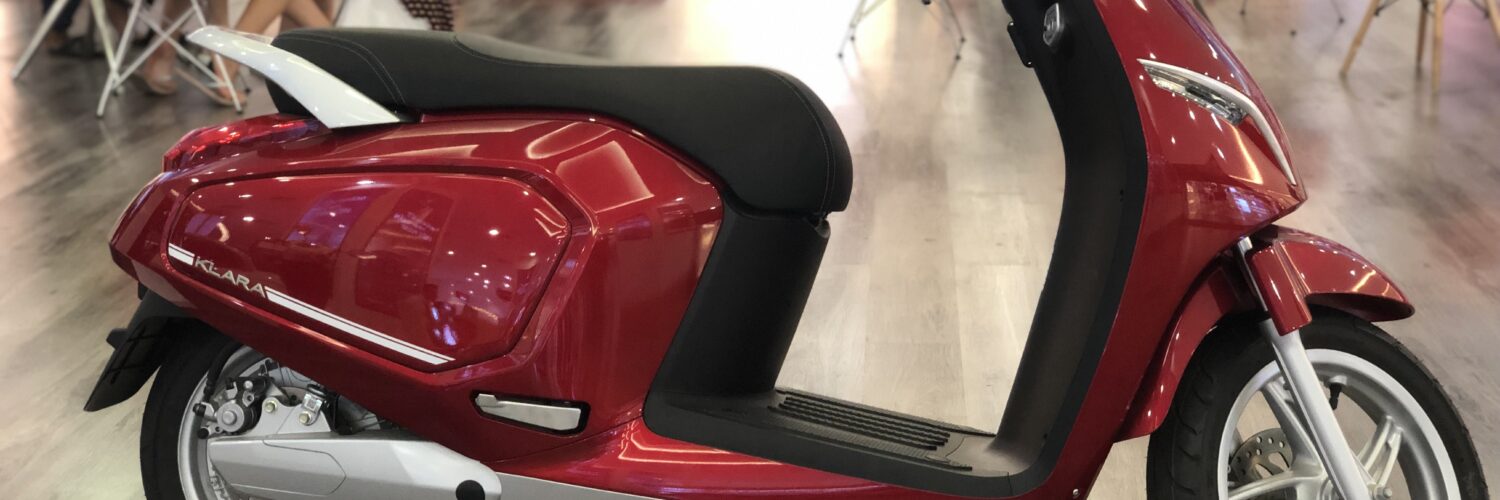
Phones and laptops can fail too, but e-bikes and e-scooters bring several risk factors together. Their battery packs are larger than a phone battery. They may be charged indoors, sometimes in apartments, hallways, garages, dorm rooms, or small storage spaces. They can also be exposed to bumps, rain, curb impacts, vibration, aftermarket chargers, replacement packs, and heavy daily use. A delivery rider who depends on an e-bike may charge often, sometimes under time pressure, which makes reliability and clear safety standards more important.
That is why micromobility batteries have become a regulatory focus. In its 2026 proposed rule, the CPSC described risks tied to lithium-ion batteries used in micromobility products and their electrical systems, including battery management systems and chargers. The agency’s concern is not limited to the cells alone. It includes the whole electrical system because a safe pack depends on the parts working together.
Fire research has shown why indoor location matters. FSRI’s e-scooter experiments examined battery packs and whole-device fires in residential settings, including rooms meant to resemble living spaces. The concern is not only flame. Smoke, hot gases, and toxic combustion products can fill a room quickly, and a battery fire may be difficult to handle without proper protective equipment. For readers, the practical lesson is simple but serious: battery design, certification, charging equipment, and storage location are not minor details when a device contains a large rechargeable pack.
Why Water, Heat, and Smoke Make These Fires Complicated
A lithium-ion battery fire can involve several hazards at once. Heat from burning materials is one part of the problem. Venting gases are another. Cells can eject hot particles or flames, and nearby plastics, seats, flooring, furniture, or packaging can add fuel. The battery may also keep reacting internally after the first flames appear, which makes the fire harder to understand than a single object catching fire and burning down steadily.
Firefighters often focus on cooling, containment, and preventing spread, but battery fires can require more water and more monitoring than people expect. A pack may appear calmer and then reignite if cells remain hot inside. That is one reason official safety messages often emphasize evacuation and emergency response rather than amateur firefighting. The chemistry is happening inside a sealed or partly sealed pack, and the visible flame is only one sign of what the cells are doing.
Smoke is also a major part of the danger. Battery fires can release irritating and toxic gases along with smoke from burning device materials. In a small room, that can reduce visibility and breathing safety quickly. The risk is not limited to the person who owns the device. In dense housing, a battery failure can affect neighbors, stairwells, and escape routes, which explains why cities and safety agencies pay close attention to where and how large battery-powered devices are charged.
Good Battery Design Is About Interrupting the Chain
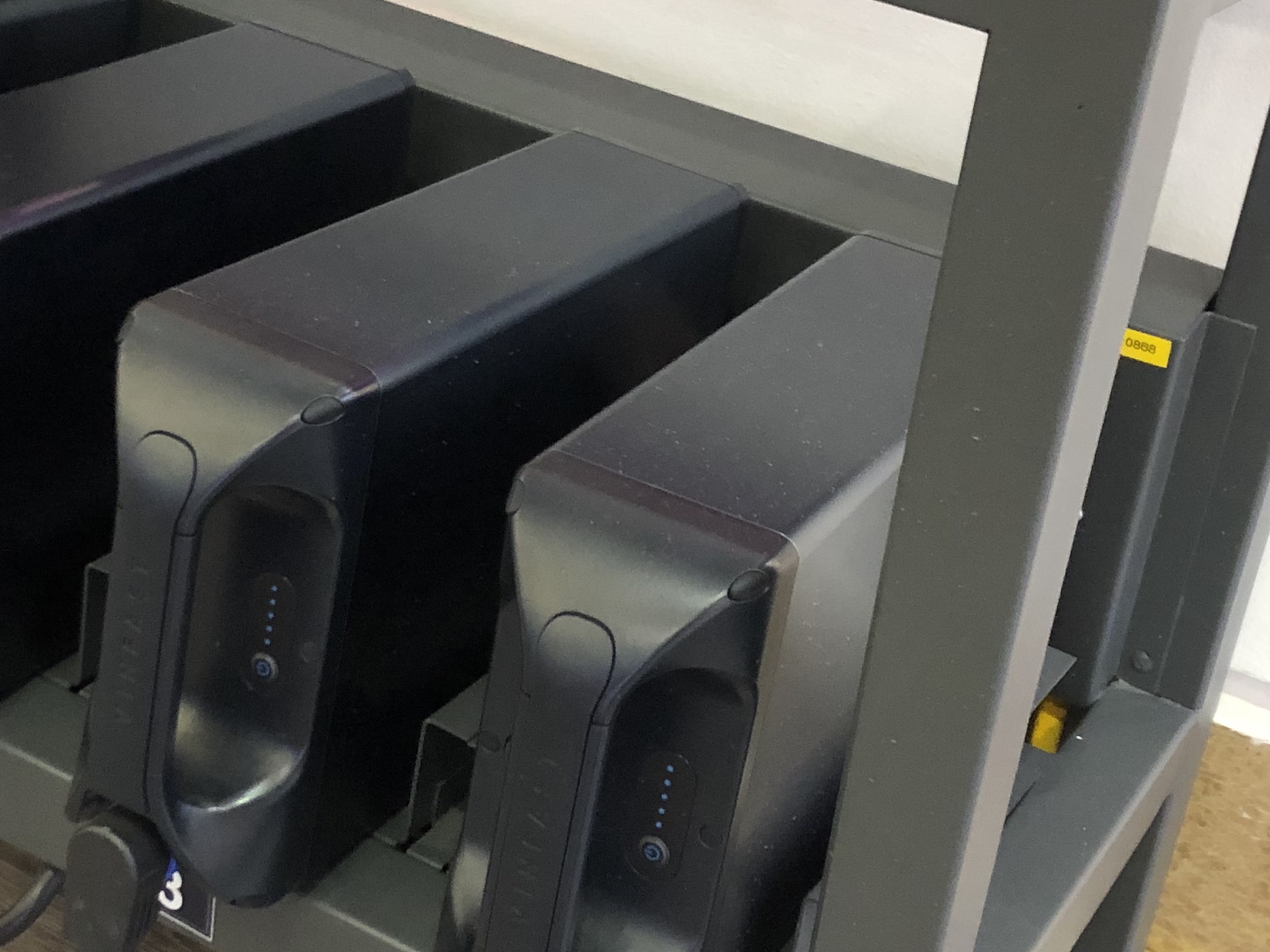
The safest lithium-ion systems are designed with failure in mind. They monitor voltage, current, and temperature. They use separators and cell formats intended to reduce internal short-circuit risk. They include electronics that stop charging or discharging outside safe limits. Larger packs may also use spacing, barriers, vents, fuses, and pack layouts that reduce the chance that one failing cell will force its neighbors into the same reaction.
Standards matter because buyers cannot inspect most of those details by sight. A shiny case does not reveal separator quality, cell matching, charger behavior, wiring protection, or battery management logic. That is why voluntary standards, certification marks, manufacturer accountability, and product recalls can matter as much as everyday habits. The CPSC’s proposed micromobility rule points in that direction by focusing on complete electrical systems rather than treating the battery as an isolated part.
Lithium-ion batteries remain useful because they solve a real energy problem: they let portable devices and small vehicles carry power without constant fuel or cords. The goal is not to fear the technology, but to respect the amount of energy it stores and the controls needed to manage that energy. When those controls work, ions move quietly through a carefully separated cell. When they fail, heat can become chemistry, chemistry can become more heat, and one cell’s trouble can spread through a pack. That is the central lesson behind thermal runaway, and it is why battery safety is as much about design and systems as it is about the battery cell itself.






Add comment