
 Akshay Dinesh
A battery that jumps from 20 percent to 70 percent can feel impressively fast. Then the last stretch seems to crawl. The same pattern shows up on phones, laptops, tablets, and electric cars: charging is usually quickest when the battery is partly empty and noticeably slower as it approaches full. That slowdown is not just a charger being weak or a company trying to be annoying. It is one of the ways modern rechargeable batteries protect themselves while squeezing energy into a very small chemical system.
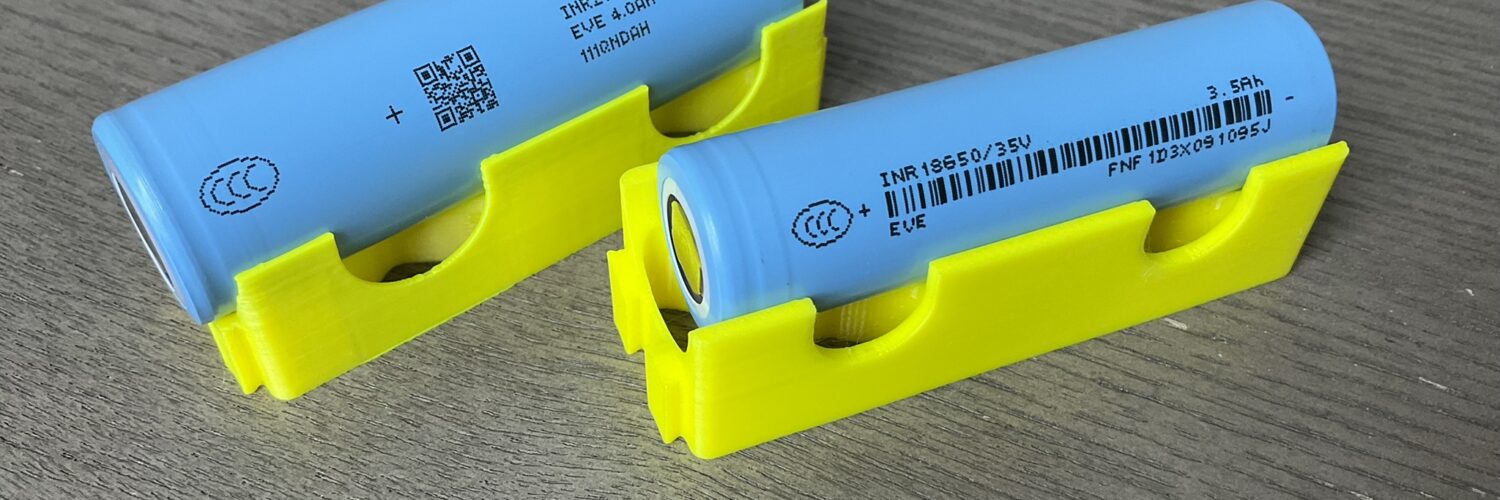
Most of these devices use lithium-ion batteries, a family of rechargeable cells valued because they store a lot of energy for their size and can be charged many times. The U.S. Department of Energy explains the basic motion simply: during discharge, lithium ions move one way inside the battery while electrons travel through the outside circuit; during charging, the process is pushed in the opposite direction. That sounds tidy, but the inside of a battery is not an empty tank. It is more like a crowded structure where ions have to move into the right places without overheating, forming unwanted deposits, or damaging the materials that make the battery useful.
Fast charging works best when the battery has room
Early in a charge, a lithium-ion battery can usually accept energy at a higher rate because there is more room, chemically speaking, for lithium ions to settle into the anode. Chargers and battery management systems take advantage of that. They often use a method called constant-current, constant-voltage charging. In the first part, the charger supplies a steady current, which means energy flows into the battery at a strong, controlled pace. This is the part that makes a device race upward from a low percentage.
As the battery fills, its voltage rises. Voltage is not the same as percentage, but it is one of the important signals a charger watches. Every lithium-ion cell has a safe upper voltage limit set by its chemistry and design. Once the battery reaches that voltage ceiling, the charger cannot simply keep pushing the same current without risking stress inside the cell. At that point, charging changes character. The charger holds the voltage steady and lets the current taper down.
That taper is the reason the last 10 or 20 percent feels slower. Keysight, which makes battery-test equipment, describes this shift as the move from the constant-current phase to the constant-voltage phase. The cell may have reached its voltage limit before it is completely full, so the remaining charge has to enter more gently. The battery is not refusing energy; it is accepting it in smaller and smaller amounts until the charger decides the current has dropped low enough to stop.
Percentages hide the chemistry underneath
The battery icon on a screen makes charging look simple: empty on one side, full on the other. Real batteries are less neat. The displayed percentage is an estimate based on voltage, current, temperature, battery history, and models built into the device. It is useful for everyday decisions, but it can hide how uneven the charging process really is. A battery may gain the first half of its displayed percentage quickly because conditions are favorable, then slow down when the cell reaches the voltage region where caution matters more.
Think of filling seats in a theater. When the room is mostly empty, people can move quickly into open places. Near the end, they have to squeeze past others, search for remaining gaps, and avoid blocking aisles. In a lithium-ion battery, ions are not people, but the broad idea helps: the closer the cell gets to full, the more carefully movement has to be managed. If charging is pushed too hard at the wrong time, the result can be extra heat, accelerated wear, or in some conditions lithium plating, where metallic lithium forms where it should not.
Battery engineers are especially cautious because damage may not show up immediately. A phone may still turn on. A car may still drive. But repeated stress can gradually reduce the amount of charge the battery can hold, increase internal resistance, or make heat harder to manage. The Department of Energy notes that rechargeable battery processes do not reverse perfectly forever; over time, changes in battery materials can reduce performance and safety. Slowing down near full is one small part of keeping those changes under control.
Heat changes the charging decision
Charging is not only about moving ions. It also produces heat, especially when current is high. Heat matters because battery chemistry is sensitive to temperature. A battery that is too cold may accept charge poorly, while a battery that is too hot may age faster or need protection from further stress. That is why a device may charge quickly in one situation and slowly in another, even with the same charger.
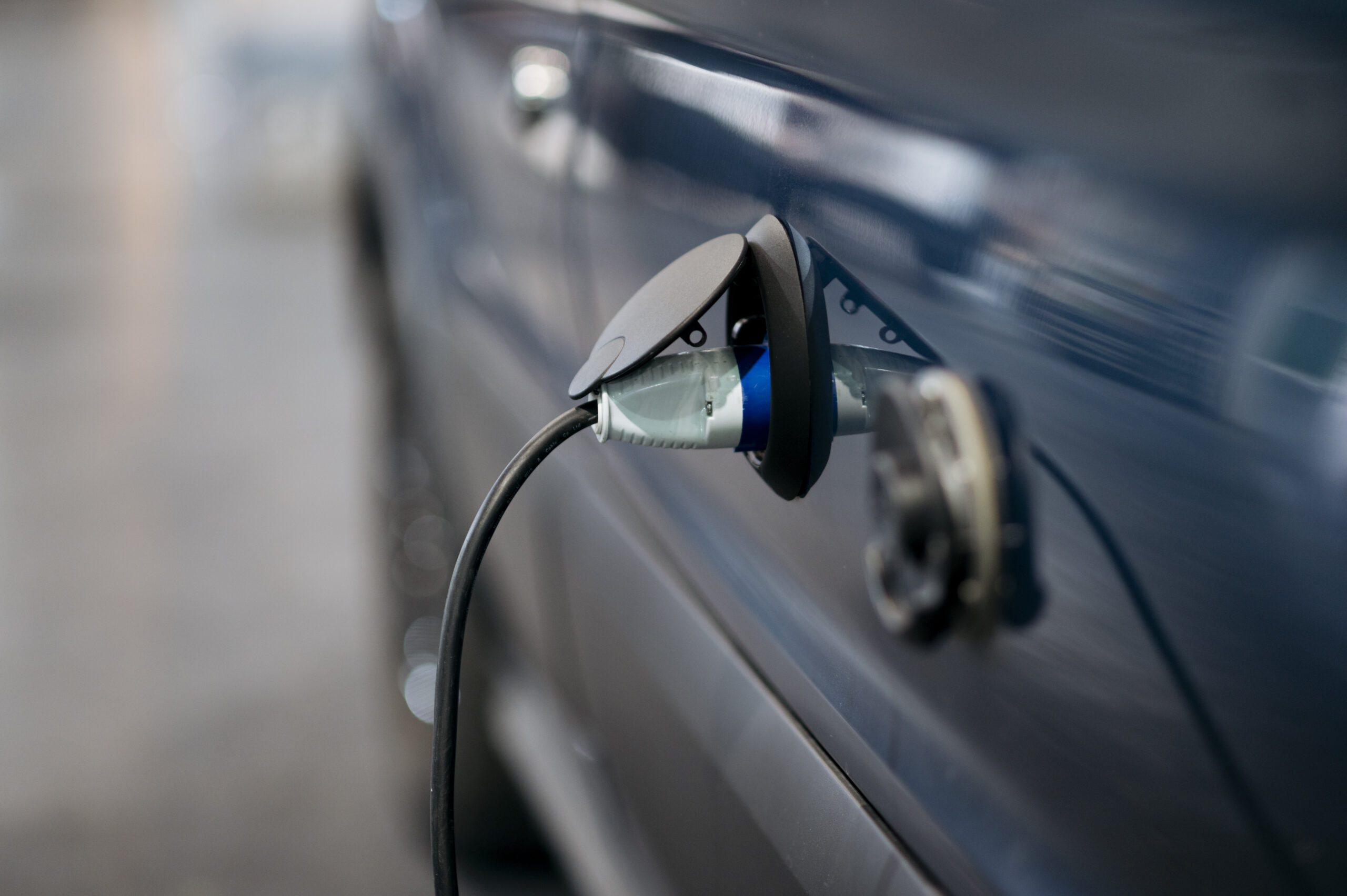
Electric vehicles make this easy to notice. Many EVs can add range quickly at a DC fast charger when the battery is warm, partly empty, and within a favorable state-of-charge range. But as the pack approaches a high percentage, the charging curve drops. The car’s battery management system is watching cell temperatures, voltages, current, and balance across many cells. It is not trying to win a race to 100 percent; it is trying to charge the pack without letting any cell drift into a risky condition.
The same idea applies to smaller devices, though the systems are less dramatic. A phone sitting in direct sun may slow or pause charging. A laptop working hard while plugged in may manage its battery differently because the computer itself is generating heat. Some devices also learn daily charging habits and delay charging past a high level until closer to the time the user usually unplugs. Apple describes this kind of optimized charging as a way to reduce time spent fully charged, which can lower battery wear over the long term.
Why 80 percent gets mentioned so often
The number 80 appears often in battery advice because it sits near a practical dividing line for many lithium-ion systems. It is not a magic border, and different devices use different chemistries and limits. Still, charging from a low level to around 80 percent often happens during the faster part of the curve, while charging from 80 to 100 percent spends more time in the slower, higher-voltage region. That is why EV trip planners often suggest charging enough to reach the next stop rather than waiting for a full battery at every station.
This does not mean 100 percent is forbidden. Devices are designed to be used, and a full charge is useful before a long school day, a flight, a road trip, or a work session away from outlets. The better lesson is that 100 percent is not always the fastest or gentlest target. If a battery is going to sit plugged in for hours, or if an EV only needs enough range for the next leg, stopping earlier can save time and reduce time spent at high voltage.
Battery care advice can become exaggerated, so it helps to keep the principle modest. Occasional full charges are normal. Deeply worrying over every percentage point is unnecessary. What matters more is the pattern: avoid repeated high-heat charging, do not expect the final few percent to be as fast as the middle, and understand why many devices offer charge limits or optimized charging settings. These features are usually there because battery lifespan depends not only on age, but also on temperature history and charging pattern.
Chargers, cables, and devices all share control
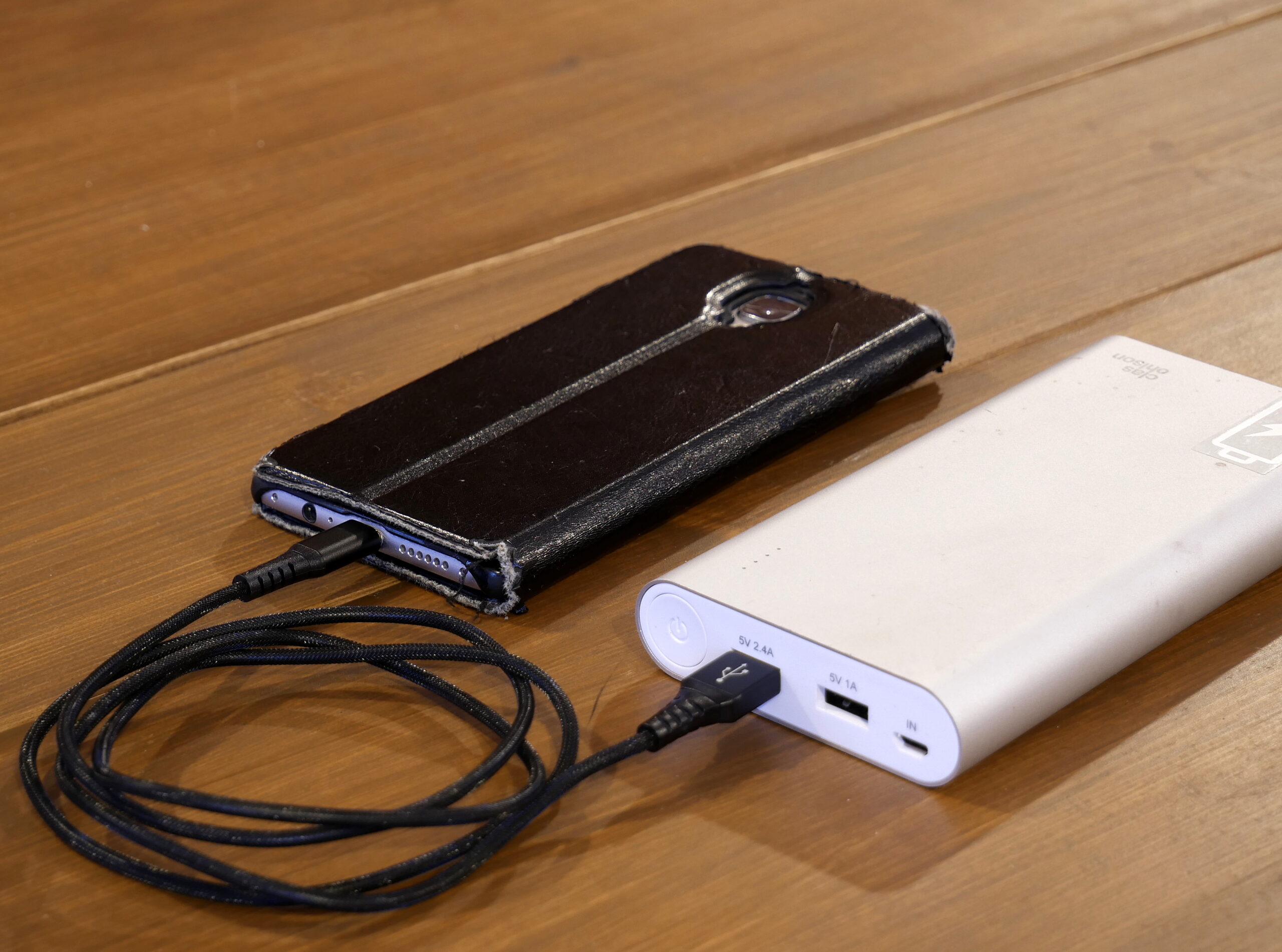
When charging slows, the wall adapter is only one piece of the system. The cable, charging port, device electronics, battery temperature, and software all help decide the real charging rate. A powerful charger cannot force a battery to accept more power than the device allows. This is why using a higher-wattage adapter may speed up the early part of charging but do little near full. Once the battery reaches the voltage-controlled stage, the device sets the pace.
That shared control also explains why two devices with similar battery percentages may charge differently. A newer phone may have a better charging circuit, a larger battery, or a different thermal design. An EV battery pack may precondition itself before a fast charger, warming or cooling the cells so they can accept energy more efficiently. A laptop may slow charging while running demanding software because the system is managing both battery health and processor heat. The percentage on the screen is the visible tip of a much larger control system.
For everyday users, the practical takeaway is simple. Fast charging is most useful when a battery is low or moderately charged. The last stretch is slower because the battery is nearing chemical and electrical limits that should not be rushed. If time matters, charging to a comfortable middle range may be enough. If maximum runtime matters, waiting for full can still make sense. The slowdown near full is not a flaw in the battery. It is a sign that the charger and battery management system are doing the careful part of the job.






Add comment