
 Akshay Dinesh
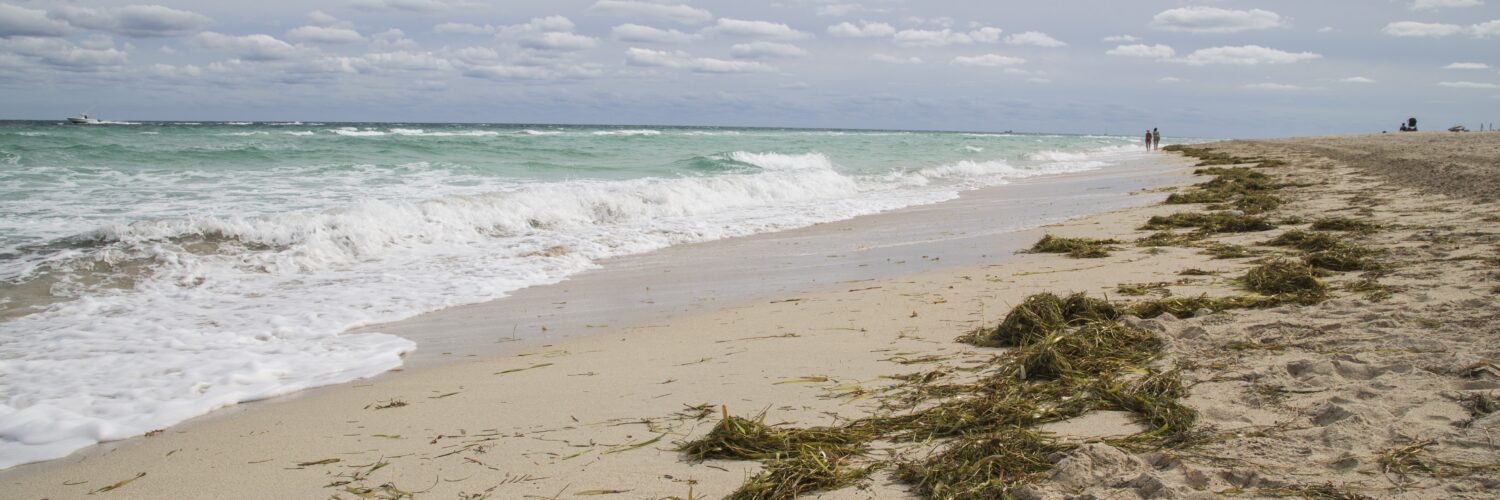
A beach can look peaceful for a long time before the ocean suddenly reaches a place that seemed safely dry. That is what makes sneaker waves so dangerous: they do not always arrive with dramatic warning. A person may see several minutes of ordinary surf, step closer to the foam line, turn toward a camera, sit on driftwood, or walk near rocks, and then be caught by a wave that runs much farther up the beach than the waves before it.
The National Weather Service uses the term sneaker waves for potentially deadly waves that surge farther up the beach than expected and overtake people who are not ready for them. They are most often discussed along rugged Pacific coastlines, but the basic lesson applies anywhere surf can send unexpectedly strong water onto shore. The danger is not only the height of the wave. It is the speed, the surprise, the pull of the retreating water, the cold water in some regions, and the sand, gravel, and debris that can move with the surge.
What Makes a Wave a Sneaker Wave
A sneaker wave is not simply a normal wave with a scary nickname. The name points to the way the wave arrives after a quieter stretch of water, catching people who have started to trust the pattern they are seeing. The National Weather Service warns that there can be 10 to 20 minutes of smaller waves before a sneaker wave strikes. That quiet period is part of the problem because people often judge a beach by the last few waves, not by the larger pattern offshore.
Ocean waves usually arrive in groups, or sets. Some sets are larger than others because waves generated by wind and storms offshore do not all travel with the same spacing, direction, or energy. When longer-period swell reaches shore, more water can push up the beach with each breaking wave. On a steep beach, against rocks, near headlands, or along a coast where the surf zone changes quickly, that extra energy may appear as a sudden rush of water into places that looked safe a moment earlier.
The word sneaker can make the wave sound mysterious, but the practical idea is straightforward: do not treat a calm-looking stretch of surf as proof that the next wave will behave the same way. A wave does not need to be a tsunami or an offshore rogue wave to be dangerous at the shoreline. It only needs to run farther than expected, arrive when people are distracted, and carry enough force to knock someone down.
Why Calm Water Can Be Misleading
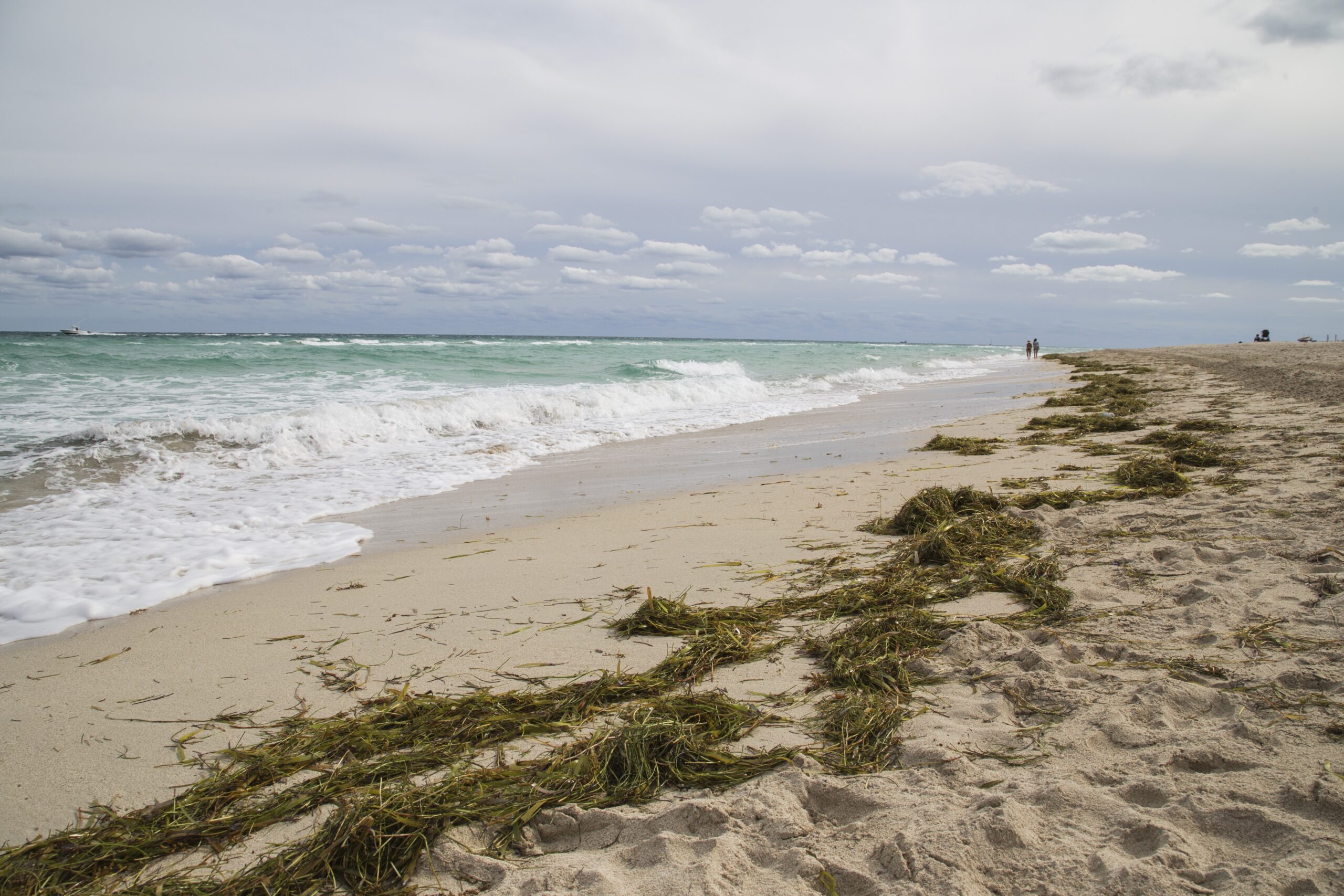
People are good at spotting obvious danger: dark storm clouds, crashing surf, or waves already pounding a seawall. Sneaker waves are harder because the beach may not look threatening when someone arrives. A family might see gentle water, dry sand, and other visitors nearby. A fisherman might step onto wet rocks. A student taking photos might move closer because the last few waves stopped short.
That short observation window can be misleading. NOAA’s Ocean Today safety guidance recommends watching the water from a safe, dry area before getting comfortable near the shore. The National Weather Service gives similar advice: study the ocean for at least 20 minutes, listen for changes, and notice whether waves are reaching farther up the sand. The point is not to predict every wave. It is to avoid making a decision based on only the calmest part of the cycle.
Wet sand is one useful clue. If an area looks freshly wet, water has recently reached it, even if the last few waves did not. Rising tide can make the hazard worse because each new surge starts from a higher water level. A beach backed by cliffs, rocks, or logs can also remove easy escape routes. The safest-looking spot may become a trap if water cuts off the path back to dry ground.
Where the Risk Gets Worse
Sneaker waves can be discussed anywhere surf reaches a coast, but some shorelines make the consequences harsher. The National Weather Service especially warns about remote and rugged parts of the Northwest, Northern California, Oregon, and Washington, where cold water, steep beaches, logs, and limited lifeguard coverage can combine. A person knocked into cold Pacific water may lose strength and coordination quickly, even before full hypothermia develops.
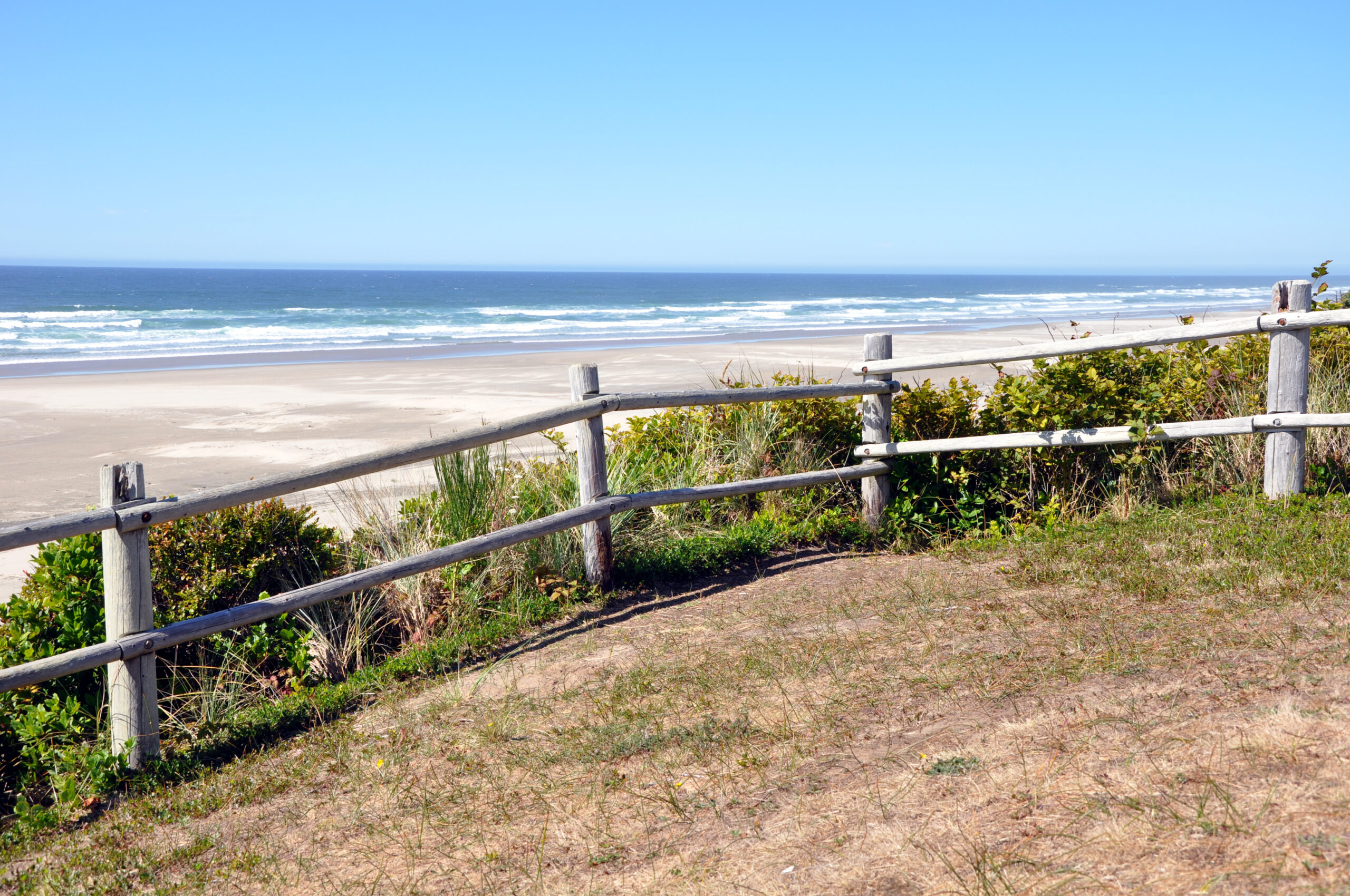
Beach shape matters too. Broad, gently sloping beaches often spread wave energy over a wider area, while steep beaches can let water rush farther and faster. Rocky points, jetties, headlands, and narrow coves can create confusing wave behavior. These places are often beautiful, which is exactly why people step closer for photos, tide pools, fishing, or a better view of the surf.
Driftwood and beach logs deserve special attention. A large log may look stable because it is heavy and partly buried, but water changes the equation. The National Weather Service warns that even a few inches of moving water can lift or roll a water-soaked log weighing hundreds of pounds. Someone sitting, standing, or playing on a log near the surf line can be thrown, pinned, or dragged when a wave reaches it.
How Sneaker Waves Differ From Rip Currents
Sneaker waves and rip currents can both turn a beach visit dangerous, but they are not the same hazard. A sneaker wave is mainly a sudden incoming surge that runs farther up the beach than expected. It can knock someone down, push water into clothing, move sand and gravel, roll debris, and then pull back toward the ocean.
A rip current is a narrow, fast-moving channel of water flowing away from shore. It usually becomes dangerous after someone is already in the water or near the surf zone and tries to fight the current directly. The escape strategy is different: people caught in a rip current are generally taught to float, stay calm, avoid swimming straight against it, and move parallel to shore when possible.
The hazards can overlap. A sneaker wave can sweep a person off dry sand or rocks into the surf, and the same beach may also have rip currents. That is why beach hazard statements often mention several risks at once: high surf, sneaker waves, rip currents, cold water, and dangerous logs. The safest plan starts before anyone enters the water: check local conditions, choose guarded beaches when possible, and give the ocean more space than feels necessary.
How to Read the Beach Before You Relax
The most useful habit is simple: pause before settling in. Look up the local beach forecast, surf forecast, tide timing, and any beach hazard statement before leaving or when cell service is still reliable. At the beach, stay in a safe, dry area and watch how far the waves run. If the foam line occasionally jumps much farther up the sand, that is information, not a coincidence.
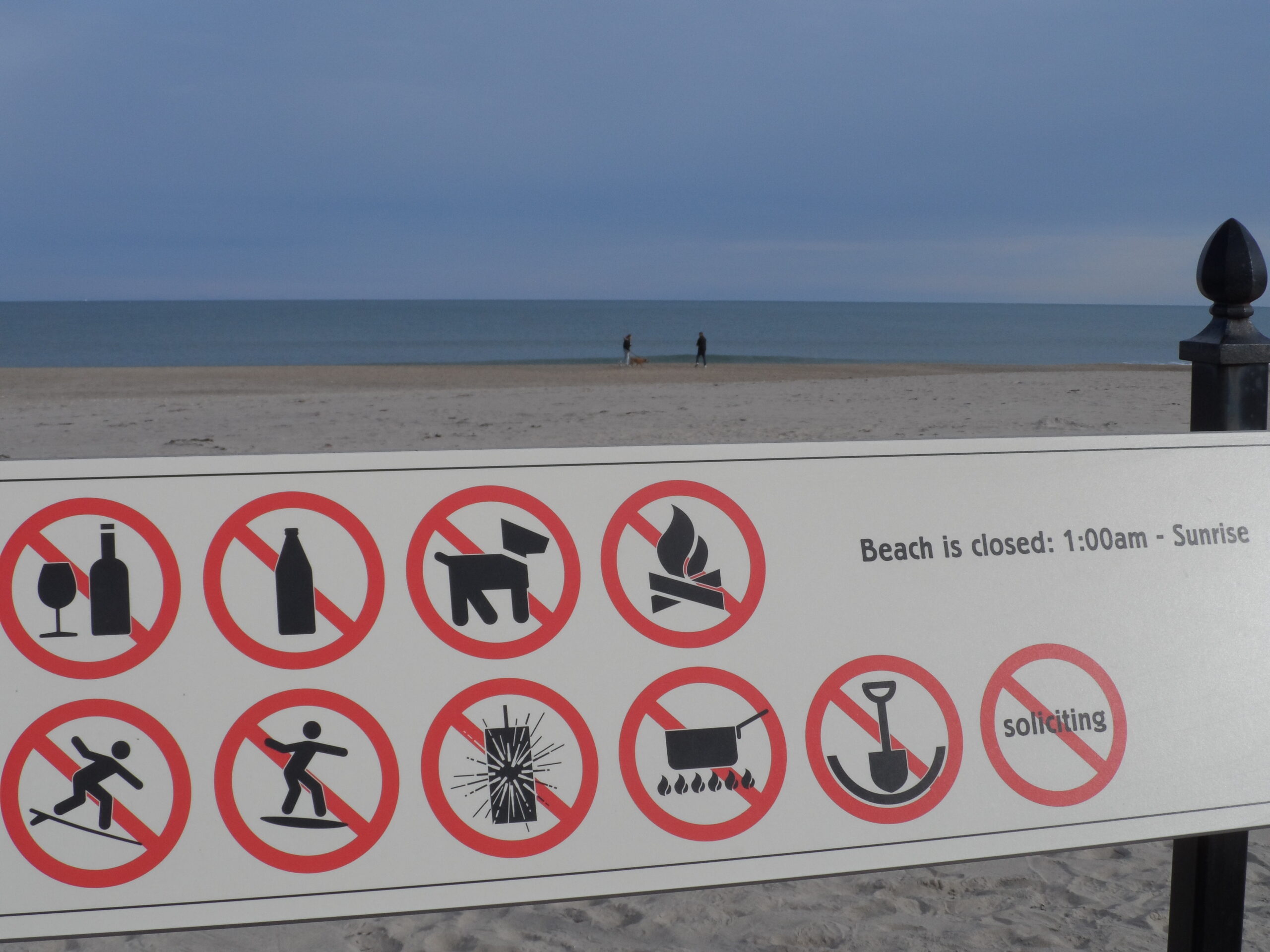
Keep children, pets, and anyone carrying heavy gear well back from the water’s edge. Avoid turning your back on the ocean, especially when taking photos or walking near rocks. Stay off large logs and keep away from debris fields near the surf line or below the high-water mark. If signs warn about hazardous surf, sneaker waves, unstable cliffs, or dangerous currents, treat those warnings as local knowledge from people who know that beach in conditions you may not have seen yet.
If someone is swept into the water, the instinct to rush in can put two people in danger. NOAA’s safety guidance encourages a pause-and-alert approach: call for professional help, alert lifeguards or bystanders, and look for something that floats or something that can reach the person from shore. The goal is to help without becoming another victim. Cold water, waves, rocks, and currents can overpower even strong swimmers when the conditions are wrong.
The Larger Lesson Hidden in One Wave
Sneaker waves are a reminder that natural hazards are often about timing, not just appearance. A shoreline can look calm during the exact minutes when people are deciding where to sit, fish, walk, or take a picture. The ocean is still moving through longer cycles than a quick glance can reveal.
That does not mean beaches should be feared. It means they should be read with patience. Watch the water before moving close. Notice wet sand, rising tides, logs, rocks, and escape routes. Check forecasts and warning signs. Give the surf extra room, especially on exposed coasts where waves can arrive with more energy than the beach seems to show. A few minutes of attention can turn a surprising wave from a disaster into a lesson remembered from a safe distance.






Add comment