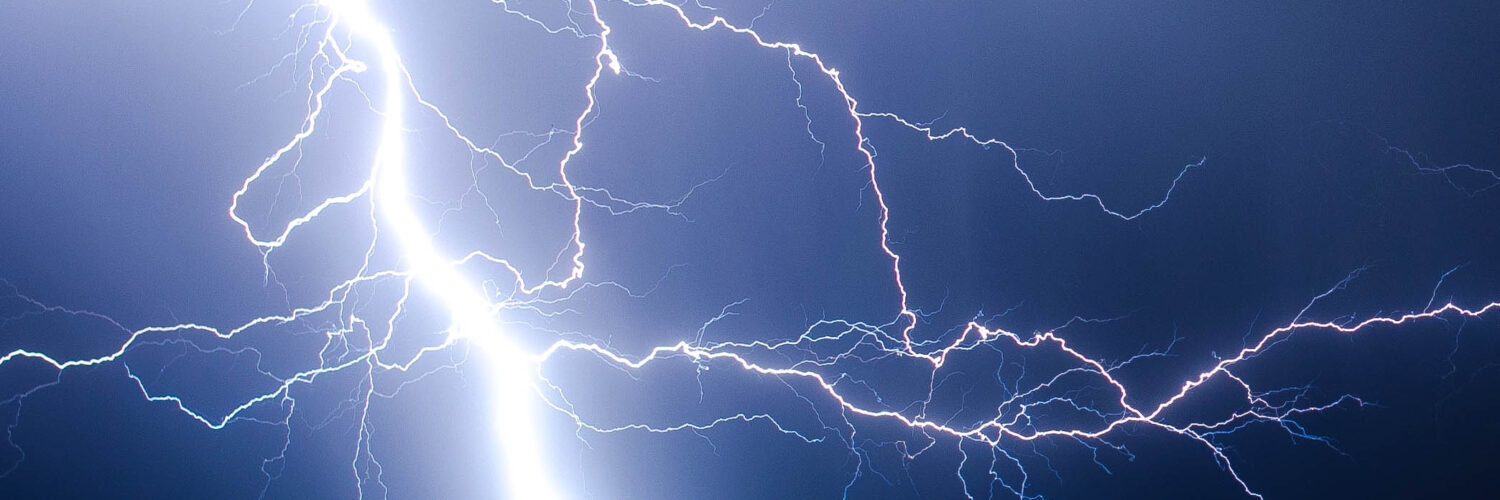
 Akshay Dinesh
A thunderstorm does not have to be directly overhead to be dangerous. Lightning can reach out from the side of a storm, travel through clear air, and strike the ground before rain has arrived where people are standing. That is why a bright flash on the horizon or a low rumble of thunder should not be treated as background noise. It is the storm announcing that its electrical field is already close enough to matter.
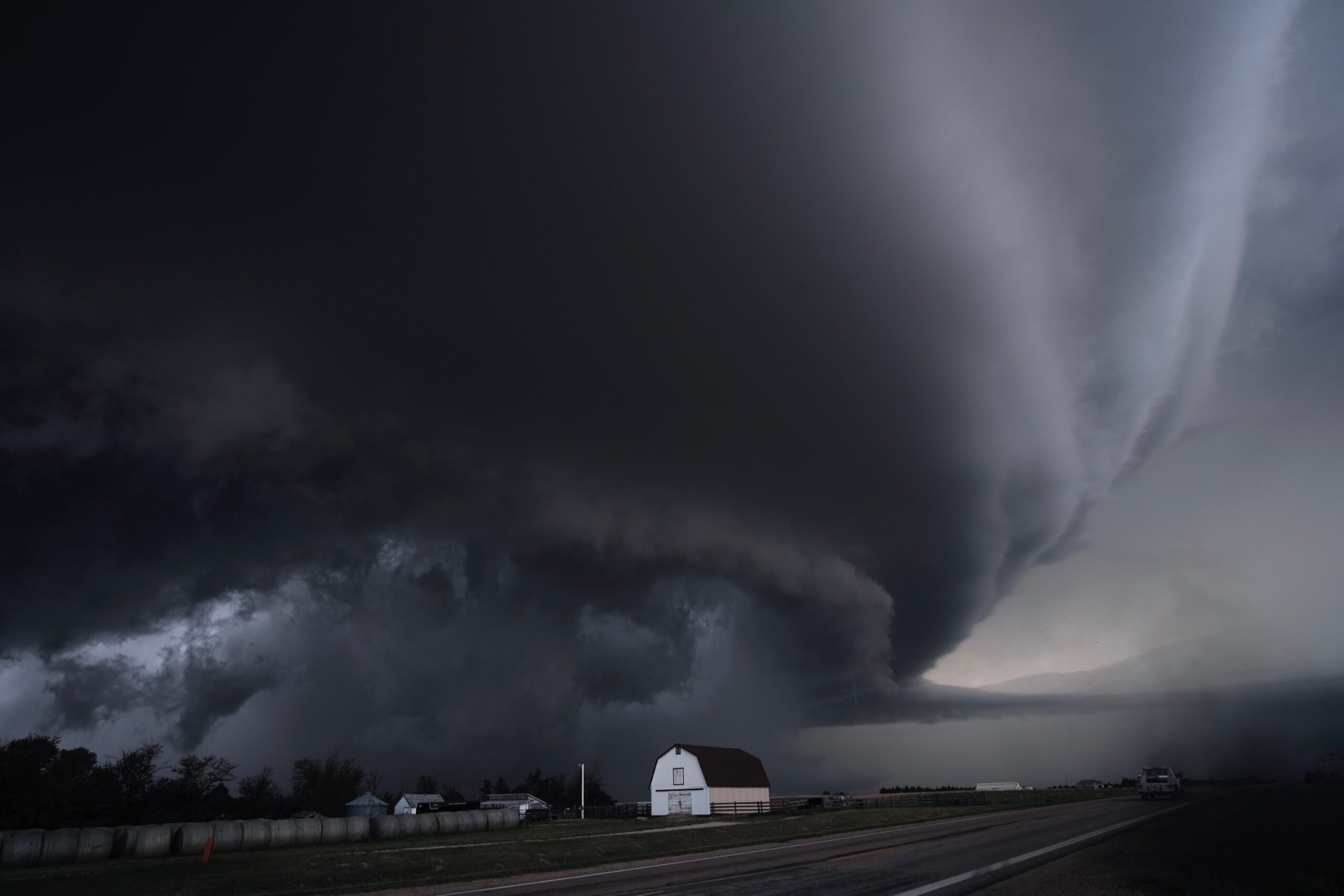
The surprising part is that the sky can still look partly open. A baseball game may still be dry, a beach may still have sunlight, or a neighborhood may only see dark clouds in the distance. But lightning does not follow the same neat boundary as rainfall. Rain falls from the storm’s precipitation core; lightning forms inside a much larger electrical system that can stretch outward through the cloud and surrounding air.
Rain Is Not the Edge of a Thunderstorm
People often judge storm danger by rain because rain is easy to feel. If the pavement is dry, the danger can seem distant. Meteorology is less convenient than that. A thunderstorm is a tall, moving engine of warm rising air, cold sinking air, water droplets, ice particles, hail, and strong winds. Its rain shaft may cover one area while its upper cloud spreads miles away in another direction.
Lightning forms when electric charges separate inside the storm. Collisions among ice crystals, graupel, and supercooled water droplets help organize positive and negative charge regions. The lower part of the cloud often becomes negatively charged, while other regions become positive. The ground below can respond with an opposite charge. When the electrical difference grows large enough, air that normally acts like an insulator begins to break down, and a lightning channel forms.
That channel does not need to drop straight down under the heaviest rain. It can branch through the cloud, move sideways, and connect with the ground outside the rain area. NOAA’s National Severe Storms Laboratory describes a “bolt from the blue” as a cloud-to-ground flash that begins inside a thunderstorm, exits the side of the cloud, travels away from the storm, and then turns toward the ground. The phrase sounds almost poetic, but it describes a real hazard: blue sky overhead does not prove that lightning cannot reach you.
How Lightning Reaches Beyond the Rain
The path of a lightning flash is not a simple line drawn from cloud to ground. It grows in steps through air, searching for a route where electrical resistance has weakened enough for the channel to keep moving. Many flashes stay inside the cloud. Some jump between clouds. Some connect cloud and ground. A single storm can produce many kinds of flashes as its charge pattern changes.
A bolt that lands outside the rain core often begins high in the storm, where the cloud spreads outward into an anvil shape. From there, the channel may travel horizontally before descending. To someone on the ground, the strike may seem to come out of a calmer part of the sky, because the loudest rain and wind are still several miles away. The storm is not absent; its electrical reach is simply larger than its visible rain curtain.
The National Weather Service warns that lightning can strike several miles from a thunderstorm, and some NWS safety materials describe bolts from the blue reaching 10 to 15 miles or more from the parent storm. One NWS Lightning Safety Awareness Week page notes that such strikes can occur as far as 25 miles away. The exact distance depends on the storm, but the lesson is simpler than the number: being dry is not the same as being safe.
Modern satellite lightning detection has made the scale of some flashes even harder to ignore. In July 2025, the World Meteorological Organization certified a record single lightning flash that stretched 829 kilometers, or 515 miles, across the United States during an October 2017 Great Plains storm complex. That kind of megaflash is not the everyday danger at a park or pool, but it shows why lightning is better understood as a storm-scale electrical event, not just a nearby spark under a rain cloud.
Thunder Is a Distance Clue
Thunder is the sound made when lightning rapidly heats the surrounding air. The air expands suddenly, creating a shock wave that reaches the ear as a rumble, crack, or boom. Light travels so quickly that the flash appears almost instantly. Sound travels much more slowly, so the delay between seeing lightning and hearing thunder can give a rough sense of distance.
The old counting method works because sound travels about one mile in five seconds under ordinary conditions. If five seconds pass between the flash and thunder, the lightning was roughly one mile away. If 30 seconds pass, it was about six miles away. That is why the 30-30 rule became popular: if the time between lightning and thunder is 30 seconds or less, the storm is close enough to be dangerous, and people should seek shelter. After the last thunder, wait 30 minutes before returning outside.
Many current National Weather Service messages use an even simpler version: when thunder roars, go indoors. NOAA’s JetStream lightning safety guidance makes the reason plain. If thunder is audible, the storm is within striking distance. Waiting for rain to start is a bad test, because lightning can arrive before the first drops. Leaving shelter as soon as rain ends is also risky, because trailing flashes can occur after the heaviest part of the storm has moved on.
Why Outdoor Places Become Risky So Quickly
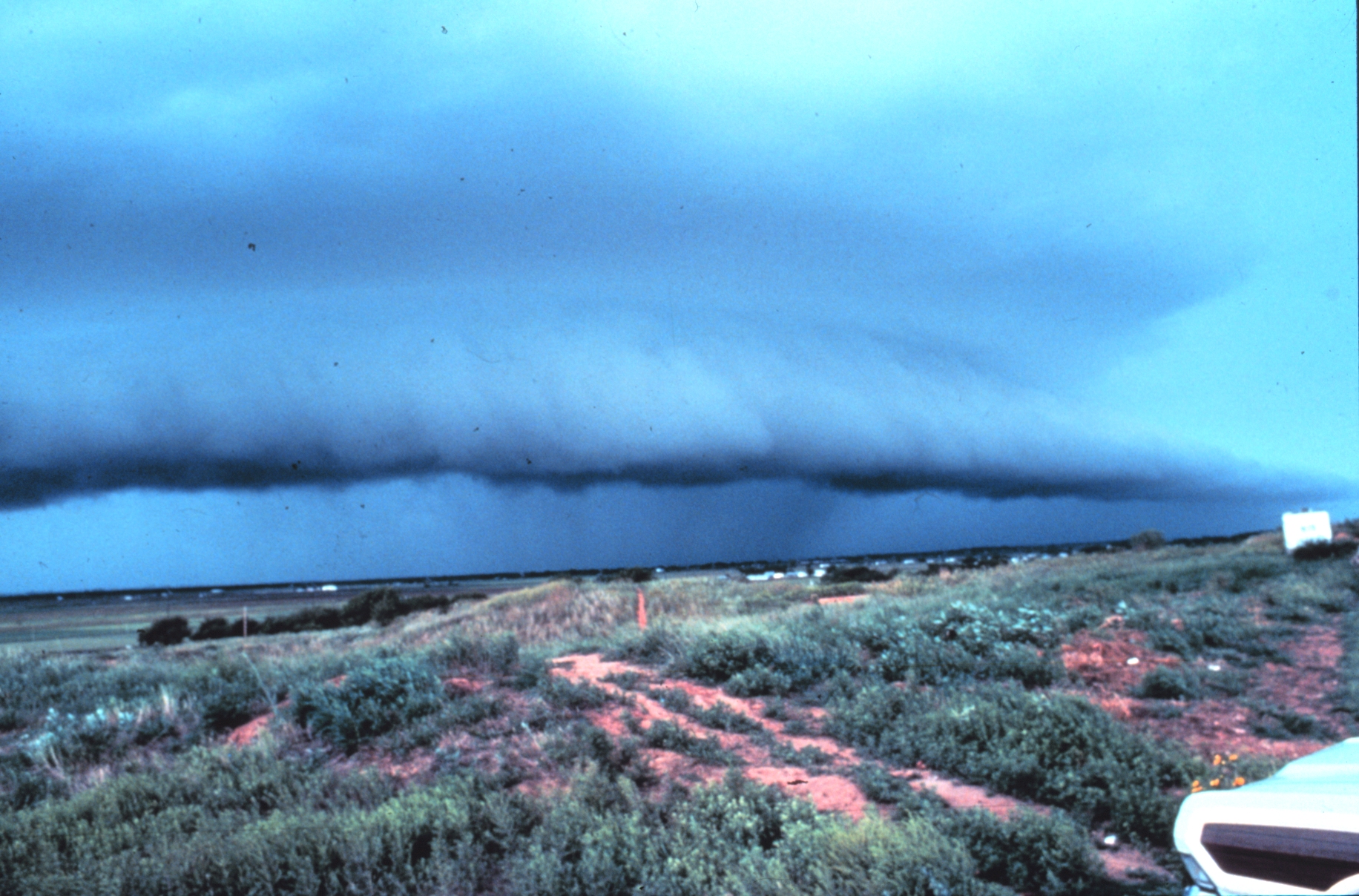
Lightning risk rises in open places because people and objects can become part of the easiest path for electric charge to reach the ground. Tall isolated trees, metal fences, open fields, water, beaches, golf courses, sports fields, and exposed ridgelines all create problems. The danger is not limited to a direct hit. A nearby strike can spread electrical current through the ground, jump through side flashes, or travel along metal and wet surfaces.
That is why a pavilion, dugout, picnic shelter, open garage, porch, or beach umbrella is not real lightning shelter. Those structures may block rain, but they do not reliably separate people from the storm’s electrical paths. A substantial building with wiring and plumbing gives lightning a better route around people. A fully enclosed hard-topped vehicle can also reduce risk because its metal frame helps conduct current around the occupants, though people should avoid touching metal surfaces inside during the storm.
Water deserves special caution. Swimming pools, lakes, rivers, and beaches are poor places to wait and see what happens. Water conducts electricity, and people in or near it are often exposed, wet, and far from enclosed shelter. Lifeguards and coaches often clear pools and fields before rain begins because the decision is based on thunder and lightning distance, not on whether the first heavy shower has arrived.
Indoor safety also matters. During a nearby thunderstorm, the National Weather Service advises avoiding corded phones, plumbing, windows, doors, and electrical equipment. Most people think of lightning as an outdoor problem, but current from a strike can enter a building through wiring, pipes, or other conductive paths. The safest indoor behavior is boring on purpose: wait, stay away from conductive systems, and let the storm move farther away.
The Safer Habit Is to Act Early
The hardest part of lightning safety is not usually understanding the science. It is changing the timing. People want one more inning, one more lap, one more swim, one more errand before the storm becomes obvious. Lightning punishes that delay because the first dangerous strike near a location can happen before the rain feels serious.
A better habit is to decide in advance where shelter is and how long it will take to reach it. At a park, that might mean knowing the closest permanent building or car before a game begins. On a hike, it may mean watching the forecast and turning around early when storms are expected. At a beach, it means treating thunder as a reason to leave the water immediately, not as a sign to glance at the sky and negotiate with the weather.
Phones, radar apps, and lightning alerts can help, but they should not replace the simplest field clue. If thunder can be heard, the storm is already close enough. If lightning is seen, the decision should already be made. The goal is not to calculate the perfect distance while standing outside; it is to avoid being outside when the atmosphere is showing that charge is finding paths to ground.
Lightning feels sudden because a strike lasts only a fraction of a second. The safer decision has to happen earlier than that. Rain may be late, scattered, or never arrive at all, but thunder is enough warning. A dry sidewalk under a stormy sky can still be inside the reach of a dangerous electrical system, and the smartest move is to get under real shelter before the storm proves the point.