 Akshay Dinesh
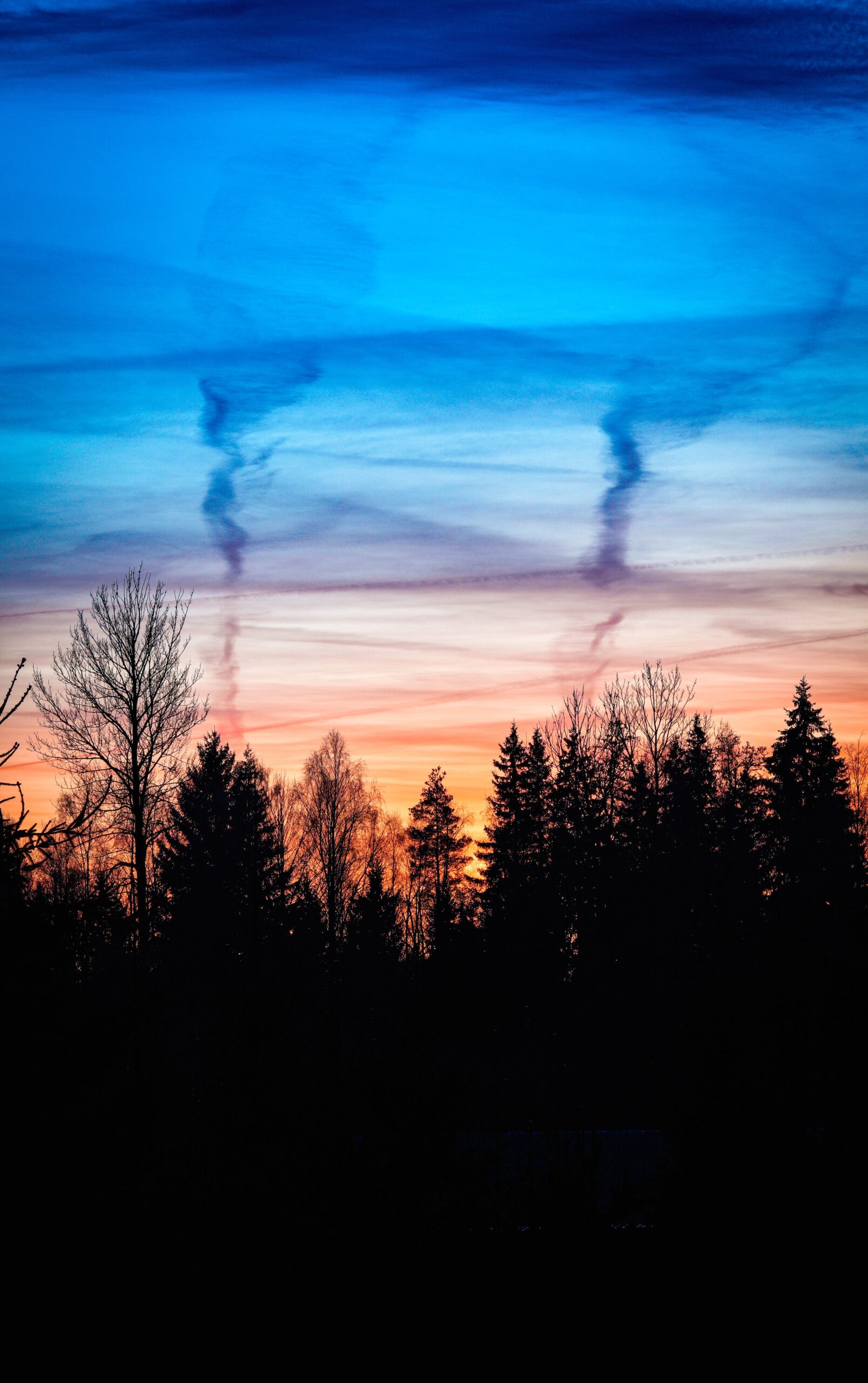
On some summer evenings, sunset does not feel like a clean switch from day to night. The Sun drops below the horizon, streetlights may come on, and yet the sky keeps glowing. A western edge of orange fades into blue. The first bright planet appears. Even half an hour later, the yard, sidewalk, or lake may still be visible without a flashlight.
That lingering light is twilight, and it is not just a poetic name for a pretty sky. It is the result of sunlight scattering through the atmosphere after the Sun itself has set. Twilight often feels longer in summer because the Sun’s path below the horizon is more slanted, so it takes more time to sink through the same twilight zones. The effect becomes stronger at higher latitudes, which is why summer evenings in places such as Seattle, Edinburgh, Stockholm, or Anchorage can seem to stretch far beyond the clock time listed for sunset.
Twilight Begins After Sunset, Not at Darkness
Sunset means the Sun has disappeared below the horizon. It does not mean sunlight has stopped reaching the sky above you. Earth’s atmosphere still catches sunlight from below the horizon and scatters part of it back toward the ground. Molecules, aerosols, thin clouds, and dust can all shape the color and brightness of that scattered light, which is why twilight can look pale blue one evening and deep orange or violet on another.
The National Weather Service and the U.S. Naval Observatory describe twilight using the Sun’s angle below the horizon. This is helpful because human impressions of darkness vary. A city street with lights, a rural field, a cloudy evening, and a clear mountain sky can all feel different even when the Sun is in the same geometric position. The angle gives a shared way to measure the stages of fading light.
- Civil twilight lasts while the Sun is less than 6 degrees below the horizon. There is usually enough natural light for many outdoor activities, though artificial lights may begin to matter.
- Nautical twilight runs from 6 to 12 degrees below the horizon. The horizon may still be visible at sea, which is why the term has a navigation history.
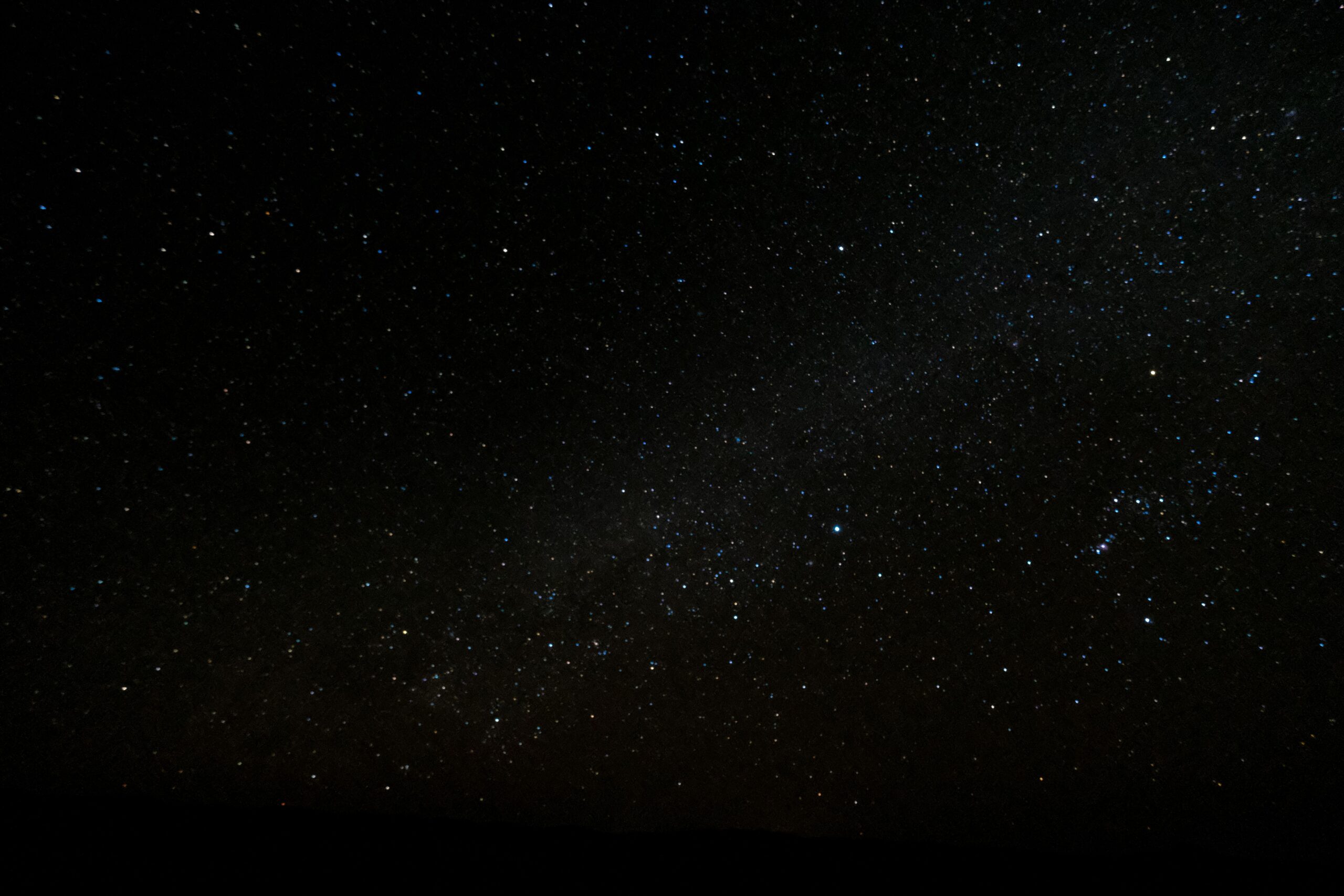
- Astronomical twilight runs from 12 to 18 degrees below the horizon. After that, the sky is considered fully dark for many observing purposes, although moonlight, city lights, and weather can still brighten it.
Those numbers explain why sunset and night are not the same event. If the Sun slips quickly downward, twilight is short. If the Sun moves below the horizon at a shallow angle, twilight stretches out.
The Sun Slides Below the Horizon at an Angle
The key idea is not how fast Earth rotates. Earth always turns at the same steady rate, making the Sun appear to move across the sky from east to west. What changes is the angle of the Sun’s path as it meets the horizon. Near the equator, the Sun’s path is steep for much of the year. It drops below the horizon more directly, so it crosses the twilight zones faster.
Farther from the equator, especially around the summer solstice, the Sun’s daily path tilts more sideways relative to the horizon. Instead of diving downward, it glides below the horizon at a slant. The Sun still appears to move, but less of that motion is straight down. More of it is sideways along the horizon. That means it takes longer for the Sun’s center to move from 0 degrees below the horizon to 6 degrees, then to 12 degrees, then to 18 degrees.
A simple picture helps. Imagine walking down a steep staircase versus walking down a long ramp. You may cover distance in both cases, but the staircase changes height quickly while the ramp changes height slowly. Summer twilight lasts longer when the Sun’s apparent path behaves more like the ramp. The Sun is moving, but its height below the horizon changes gradually.
This is also why two places with the same sunset time can feel different afterward. A tropical sunset can turn dark quickly, while a northern summer sunset can leave a long wash of light. The clock time of sunset marks one moment. The geometry of the Sun’s path controls what happens next.
Latitude Makes the Difference Easier to Notice
Latitude is one of the strongest reasons twilight differs from place to place. The farther north or south you are from the equator, the more seasonal the Sun’s path becomes. In summer, the Sun stays higher in the sky for longer during the day and dips below the horizon more slowly after sunset. In winter, the pattern changes, and twilight may feel different because the Sun follows a lower daily arc.
At middle latitudes, the difference is noticeable but still familiar. A summer evening may offer a long golden hour followed by a blue twilight, while a winter evening can feel as if darkness arrives more abruptly after sunset. Farther north, the summer effect becomes dramatic. In parts of Alaska, Canada, northern Europe, and Russia, the Sun may not get far enough below the horizon for full astronomical darkness during part of the summer. The night may be dim, blue, or dusky rather than truly dark.
This does not happen because the Sun stops setting everywhere. It happens because the Sun does not sink deep enough below the horizon before curving back toward morning. The higher the latitude, the shallower that nighttime dip can become near summer. Some places experience a version of all-night twilight, sometimes called white nights, when the evening glow blends into morning dawn.
Even within one country, the difference can be easy to feel. Summer twilight in Miami is much shorter than in Minneapolis or Seattle. The Sun’s angle below the horizon is steeper in Miami, so the sky darkens faster. In Seattle, the same stages of twilight take longer because the Sun’s path is shallower near the June solstice.
The Solstice Helps, But It Is Not the Whole Story
The summer solstice matters because it is when the Northern Hemisphere is tilted most toward the Sun. Around that time, the Sun takes its highest and longest path across the sky for the year. Long daylight and long twilight are related, but they are not identical. Daylight is about how long the Sun is above the horizon. Twilight is about how long sunlight still scatters through the atmosphere after the Sun is below it.
The same tilt that gives long summer days also makes the Sun’s evening path shallow at many latitudes. That is why late June often brings evenings that seem to keep glowing. The effect does not disappear immediately after the solstice either. Day length changes slowly around solstice time, so twilight patterns change gradually too. A few days before or after the solstice, most people would not notice much difference without checking a table.
Earth’s atmosphere adds another layer. Clean, dry air may make twilight fade differently from humid or hazy air. Thin clouds can catch sunlight from below the horizon and glow long after the Sun has set. Volcanic particles, wildfire smoke, dust, and high clouds can intensify colors, although they can also make the sky duller depending on conditions. The geometry sets the timing, while the atmosphere shapes the look.
Why Darkness Depends on What You Are Trying to Do
One reason twilight can be confusing is that people use darkness for different purposes. A runner may think it is dark when the path is hard to see. A driver may notice glare and low contrast before full night arrives. A photographer may still see useful color after sunset. An astronomer may wait until astronomical twilight ends, because faint stars and deep-sky objects are easier to see when scattered sunlight has faded as much as possible.
That is why the three twilight categories are more useful than a single yes-or-no idea of night. Civil twilight describes the part most people notice in daily life. Nautical twilight belongs to a dimmer stage when the horizon and brighter stars can both matter. Astronomical twilight marks the last stage before the sky becomes as dark as the Sun’s position allows. Even then, darkness is not absolute. A full Moon, nearby city lights, snow cover, haze, or clouds can change what the night looks like from the ground.
NOAA’s solar calculators and the U.S. Naval Observatory’s rise, set, and twilight tables use these geometric definitions because they can be applied to any date and location. They do not promise exactly how bright your backyard will look. They tell you where the Sun is, which is the starting point for understanding the light you see.
A Long Twilight Is a Clue About Earth’s Shape and Motion
Summer twilight feels gentle, but it reveals a lot. It shows that sunset is only one part of a longer transition. It shows that Earth’s atmosphere does not simply block sunlight when the Sun drops below the horizon. It also shows that latitude, season, and the tilt of Earth’s axis are not abstract facts from a diagram. They shape the ordinary experience of walking outside after dinner and realizing the sky is still glowing.
The next time a summer evening seems to last longer than expected, the reason is not only mood or memory. The Sun is sliding below the horizon on a shallow path, and the atmosphere is still scattering its light. The farther you are from the equator, the more obvious that slow descent can become. Twilight is the visible pause between day and night, stretched by geometry, softened by air, and most noticeable when summer gives the Sun a long way to leave.