

 Akshay Dinesh
Lead in drinking water is especially unsettling because the problem usually does not announce itself. The water may look clear, taste normal, and come from a public system that has already been treated. The risk often begins after water leaves the treatment plant, when it travels through older service lines, solder, faucets, or fixtures that contain lead. That makes lead contamination a chemistry problem, an infrastructure problem, and a household awareness problem all at once.
The basic idea is simple: lead-containing plumbing can release tiny amounts of metal into water when conditions allow corrosion. The details matter because some homes on the same street can have different risks, and two samples from the same faucet can give different results depending on how long the water sat in the pipe. The U.S. Environmental Protection Agency’s Lead and Copper Rule Improvements, finalized in 2024, require water systems to identify and replace lead pipes within 10 years, with stronger testing and public communication requirements. That rule reflects a hard lesson from decades of water-quality work: lead is not something to manage casually while old pipes remain in place.
Why lead was used in plumbing
Lead is soft, dense, and easy to shape. For a long time, those traits made it useful in plumbing because workers could bend lead pipes around obstacles and seal joints without the same tools needed for harder metals. The word plumbing itself comes from plumbum, the Latin word for lead, which is why the chemical symbol for lead is Pb.
The problem is that convenience came with a serious cost. Lead is toxic, and it can affect the nervous system, blood, kidneys, and development. The Centers for Disease Control and Prevention says no safe blood lead level has been identified for young children. Because children are still growing, even low exposure can matter, especially when it adds to lead from paint, dust, soil, or other sources.
Modern rules have sharply reduced the use of lead in drinking-water materials, but older parts of the system remain. A home may have a lead service line, which is the pipe connecting the water main in the street to the building. It may also have older brass fixtures, galvanized pipes that once connected to lead, or solder installed before lead restrictions became stricter. A building does not have to be visibly old or neglected for one of these pieces to be present.
How corrosion releases lead into water
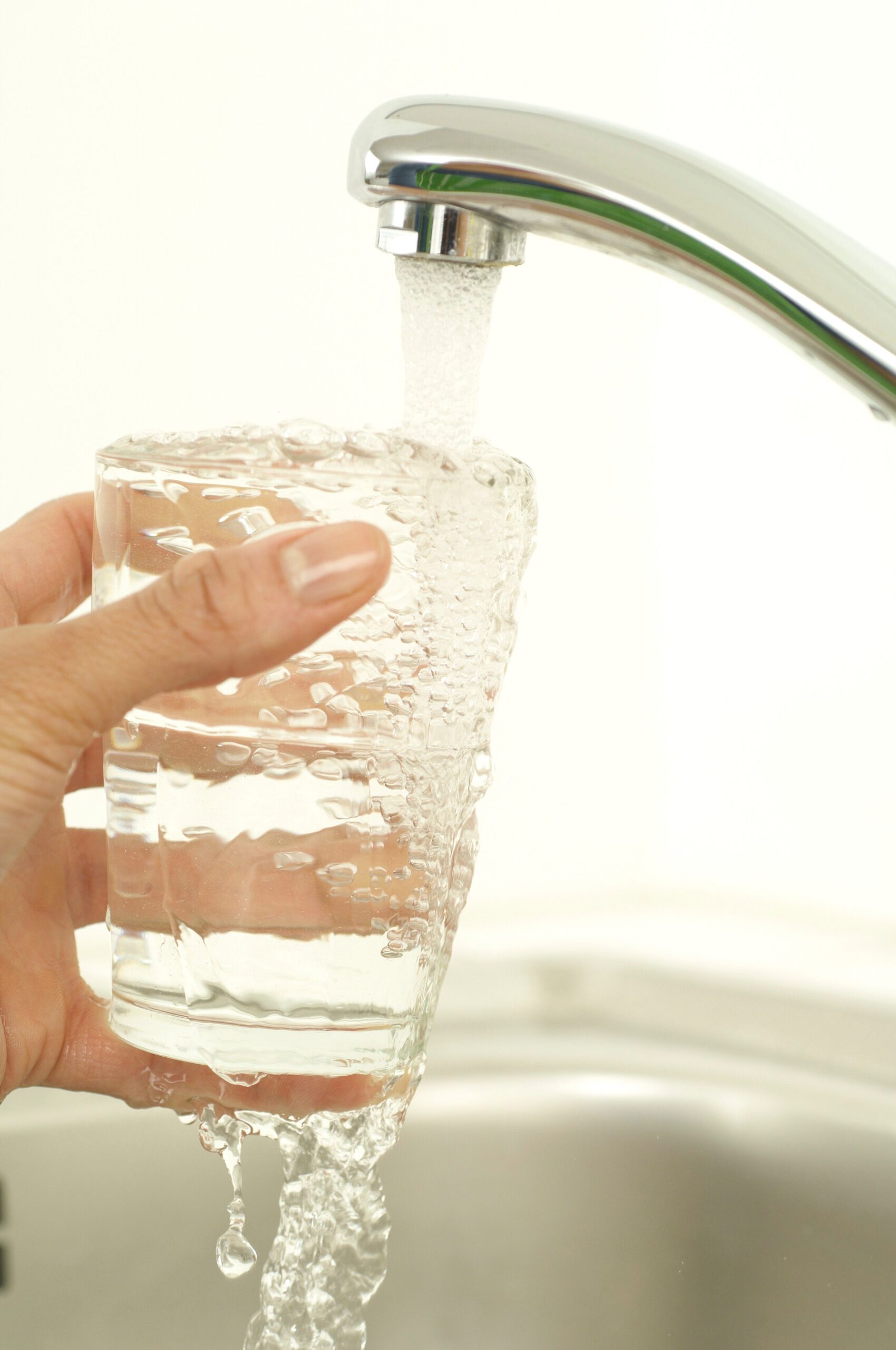
Lead does not usually pour into water like a dye. It enters through corrosion, the slow wearing away or dissolving of metal from plumbing materials. When water touches lead-containing metal, chemical reactions at the surface can move lead into the water. The amount released depends on the water and the plumbing, not just on whether a pipe contains lead.
Water chemistry is the main reason one system can have more trouble than another. Water that is more acidic can dissolve metals more easily. Water with low mineral content may form less protective scale inside pipes. Changes in disinfectants, chloride levels, alkalinity, or treatment chemistry can also affect whether a stable coating forms on pipe walls. That coating is not a perfect solution, but it can reduce how much metal moves into the water when corrosion control is working well.
Time matters too. Water that sits overnight in a lead service line or older fixture has more contact time with the metal. That is why a first draw sample, taken after water has been still for several hours, may show more lead than water collected after the tap has run. Temperature matters as well. Hot water can dissolve metals more readily, which is why cold water is the better choice for drinking, cooking, and preparing formula when lead is a concern.
Lead can also appear in particles, not only as dissolved metal. Small flakes from pipe scale or solder can break loose, especially after construction, water-main work, service-line replacement, or changes in flow. That makes lead testing more complicated than simply checking a steady concentration in a tank. The sample has to represent what people might actually drink from a specific tap.
Why boiling water does not solve the problem
Boiling is useful against some biological hazards, such as certain germs during a boil-water advisory. It does not remove lead. In fact, because boiling turns some water into steam while leaving metals behind, it can make the remaining water more concentrated if lead is already present. This is one reason lead guidance is different from many common water-safety messages.
Filtering can help when the filter is the right kind and is used correctly. CDC guidance points people toward point-of-use filters certified by an independent testing organization for lead reduction, especially NSF/ANSI Standard 53 for lead removal and Standard 42 for particulate reduction. A filter that improves taste or removes chlorine odor is not automatically a lead filter. The certification, cartridge schedule, and installation details matter.
Flushing a tap can also reduce exposure in some situations by moving out water that has been sitting in contact with lead-containing plumbing. It is not a cure, and the needed flushing time can vary by building. Still, it shows the larger pattern: lead risk is tied to contact time, plumbing material, and water chemistry. The most reliable long-term answer is removing lead-bearing plumbing from the path drinking water takes.
Why one test may not tell the whole story
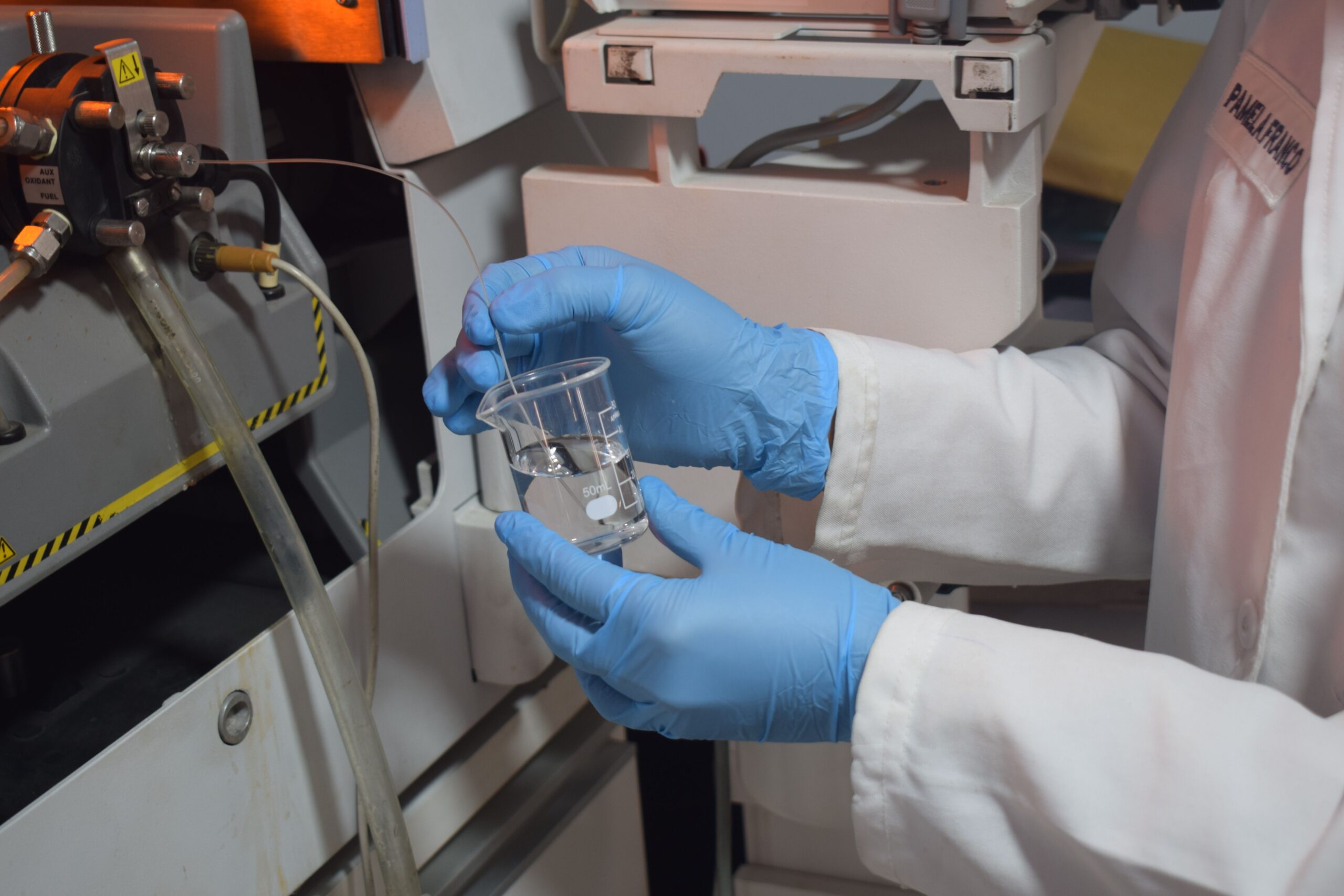
Testing for lead in water is important, but a single result should be read carefully. Lead levels can change with the season, the sampling method, recent water use, pipe disturbance, and how long water has been standing. Two neighbors may receive water from the same utility and still have different results because one has a lead service line and the other does not.
This is why public water systems use tap sampling rules rather than only testing water at the treatment plant. The question is not simply whether treated water leaves the plant in good condition. The question is what happens after water moves through the distribution system and into buildings. Lead is unusual among drinking-water contaminants because so much of the risk can come from the last stretch of pipe.
EPA rules use an action level rather than a simple maximum contaminant limit at each individual tap. Under the 2024 Lead and Copper Rule Improvements, the lead action level is lowered to 0.010 milligrams per liter, commonly described as 10 parts per billion, for system action. That does not mean lead below that level is desirable. EPA’s health goal for lead in drinking water is zero because there is no known safe exposure level. The action level is a regulatory trigger for steps such as corrosion control, public education, and follow-up.
For a household, the practical takeaway is to ask specific questions. Does the home have a lead service line or unknown service-line material? Are there older brass fixtures, galvanized pipes, or lead solder? Has the local water system published an inventory or offered testing? A clear answer about plumbing materials can be more useful than a vague reassurance that the water looks fine.
What pipe replacement changes
Corrosion control can reduce lead release, but it does not turn a lead pipe into a safe material. It works by adjusting water chemistry so the pipe surface releases less lead. That can be very helpful while old infrastructure is still in use, but it depends on careful treatment and monitoring. If water chemistry changes, protective scales can become less stable.
Replacing lead service lines changes the source of risk more directly. It removes one of the main places where drinking water can pick up lead on the way to a tap. Full replacement matters because replacing only part of a lead service line can temporarily disturb pipe scale and may leave lead-bearing material behind. That is why communication, filters, testing, and follow-up can be important around construction work.
The scale of the task is large. Many older communities still have lead service lines or service lines of unknown material. Some lines are partly on public property and partly on private property, which can make replacement harder to organize. The EPA’s 2024 rule pushes water systems toward inventories, public information, and a replacement schedule, but local planning still affects how quickly a specific neighborhood sees change.
The chemistry lesson inside a public problem
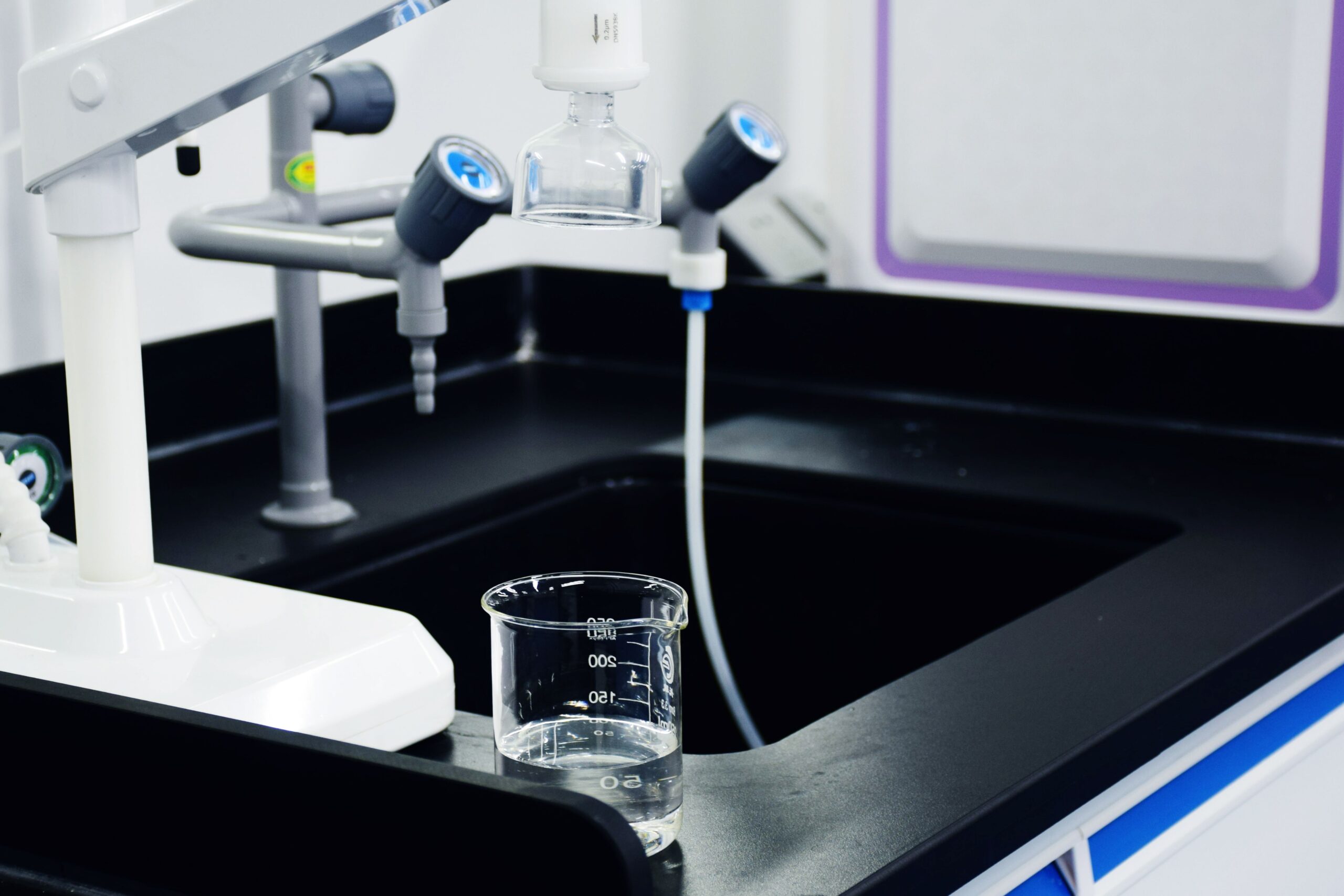
Lead in drinking water shows why chemistry is not only about beakers and formulas. A small change in pH, mineral content, treatment chemicals, temperature, or contact time can affect what happens inside a pipe hidden behind a wall or buried under a street. The water reaching a faucet carries the history of the system it passed through.
It also shows why invisible problems need careful evidence. You cannot see, smell, or taste lead in water. Testing, pipe inventories, and transparent public reports are the tools that make the hidden system visible. For families and schools, that visibility can shape practical decisions about filters, flushing, fixture replacement, and follow-up testing. For communities, it points toward the bigger repair: replacing the lead-bearing parts of the system instead of asking water chemistry to compensate forever.
The safest drinking-water system is not one that depends on luck at the tap. It is one that knows where its old materials are, controls corrosion while they remain, communicates clearly with the people using the water, and steadily removes lead from the route water takes home.





Add comment