
 Akshay Dinesh
A runway does not change length when the temperature rises, but an airplane can act as if the runway has suddenly become shorter. On a cool morning, the aircraft may accelerate, lift off, and climb with plenty of room to spare. On a very hot afternoon, the same airplane, carrying the same people and bags, may need more distance before the wheels leave the pavement. The difference is not the pilot’s imagination. It is physics hiding in plain sight.
The key idea is air density. Warm air is less dense than cool air, which means a moving wing meets fewer air molecules in each second of flight. Engines and propellers also have less air to work with. The National Weather Service calls this problem high density altitude: the airplane performs as if it were operating at a higher elevation than the airport’s actual height. That matters most during takeoff and early climb, when an aircraft is heavy, low, and trying to gain speed and altitude quickly.
Hot Air Gives Wings Less to Push Against
A wing creates lift by moving through air and turning some of that air downward. The details are more subtle than the usual classroom shortcut, but the practical result is simple: the wing needs enough airflow to support the airplane’s weight. When air is dense, many molecules pass over and under the wing each second. When air is hot and thin, fewer molecules are available for the wing to redirect.
One common lift relationship is written as L = 1/2 rho v^2 S C_L, where rho stands for air density, v is airspeed, S is wing area, and C_L represents how effectively the wing is producing lift at a given angle. The formula is not something a passenger needs to calculate at the gate, but it explains the tradeoff. If air density drops, the airplane must make up for it in another way. Since the wing area cannot grow and the aircraft should not rotate at an unsafe angle, the airplane usually needs more speed before it can lift off.
More speed takes more runway. During takeoff, the aircraft begins at rest and must accelerate until the wings can carry the airplane. Hot air stretches that acceleration process because the target true airspeed is higher for the same lift. The airplane may still be perfectly capable of taking off, but the margin is smaller, especially at airports with short runways, high elevations, obstacles near the departure path, or heavy aircraft loads.
Density Altitude Makes a Low Airport Feel Higher
Pilots use several kinds of altitude, and density altitude is one of the most useful on a hot day. It is not simply the airport’s height above sea level. It is a way of describing how the air feels to the airplane. The Federal Aviation Administration defines density altitude as pressure altitude corrected for nonstandard temperature. In everyday language, it tells a pilot what altitude the aircraft thinks it is operating at, based on the density of the air.
Imagine a small airport at 1,000 feet above sea level. On a cool standard day, the airplane’s performance may be close to what the airport elevation suggests. On a hot afternoon, the air may be thin enough that the aircraft performs more like it is taking off from several thousand feet higher. The runway is still at 1,000 feet, but the airplane’s lift, thrust, and climb response resemble conditions at a much higher elevation.
This is why airports in hot or high places require special attention. Denver, Mexico City, Addis Ababa, and other high-elevation airports already begin with thinner air because altitude reduces pressure. Add heat, and the effect becomes stronger. Even lower-elevation airports can feel the problem during heat waves. A sea-level airport on a mild day gives an aircraft more dense air than the same airport during extreme heat.
Humidity can make the picture a little worse, though temperature and pressure usually dominate the density altitude calculation. Water vapor is lighter than the nitrogen and oxygen it displaces, so humid air can be slightly less dense than dry air at the same temperature and pressure. The effect is smaller than many people expect, but in aviation small margins can matter. That is why flight planning takes the whole weather picture seriously.
Engines and Propellers Also Lose Performance
Wings are only part of the story. Airplanes also need thrust to accelerate down the runway and climb after liftoff. In thinner air, engines and propellers have less to work with. A piston engine depends on oxygen for combustion, so less dense air can reduce the amount of oxygen entering the cylinders. A propeller, which is really a rotating airfoil, has fewer air molecules to push backward. Jet engines also move mass through the engine, so air density affects how much thrust can be produced under some conditions.
The National Weather Service lists the main high density altitude hazards plainly: reduced power, reduced thrust, reduced lift, a longer takeoff roll, a smaller rate of climb, and a longer landing roll. Those effects arrive together, which is why the problem deserves respect. The airplane may accelerate more slowly, need a higher true airspeed to lift off, and climb away more gradually once airborne.
For passengers, this can show up in several ways. A flight may be scheduled for early morning rather than the hottest part of the day. A crew may need a longer runway than usual. In more demanding conditions, an airline may limit weight by reducing cargo, fuel, or in rare cases the number of passengers. NASA’s Technical Reports Server describes research showing that rising extreme temperatures can create payload restrictions at some airports, especially where runways are short, airports are hot, or elevations are high.
None of this means hot-weather flying is unsafe by default. It means performance has to be calculated instead of assumed. Pilots use aircraft performance charts, runway data, temperature, pressure, wind, weight, and obstacle information before departure. Large commercial operations use detailed performance planning systems. General aviation pilots use the aircraft’s operating handbook and weather data to decide whether the takeoff has enough margin.
Weight, Wind, and Runway Length Change the Answer
Temperature is powerful, but it does not act alone. Aircraft weight is one of the biggest factors in takeoff distance. A heavier airplane needs more lift, and more lift usually means more speed. It also takes longer to accelerate. That is why a short regional flight with light fuel may face a different performance calculation than a long international flight carrying more passengers, baggage, and fuel.
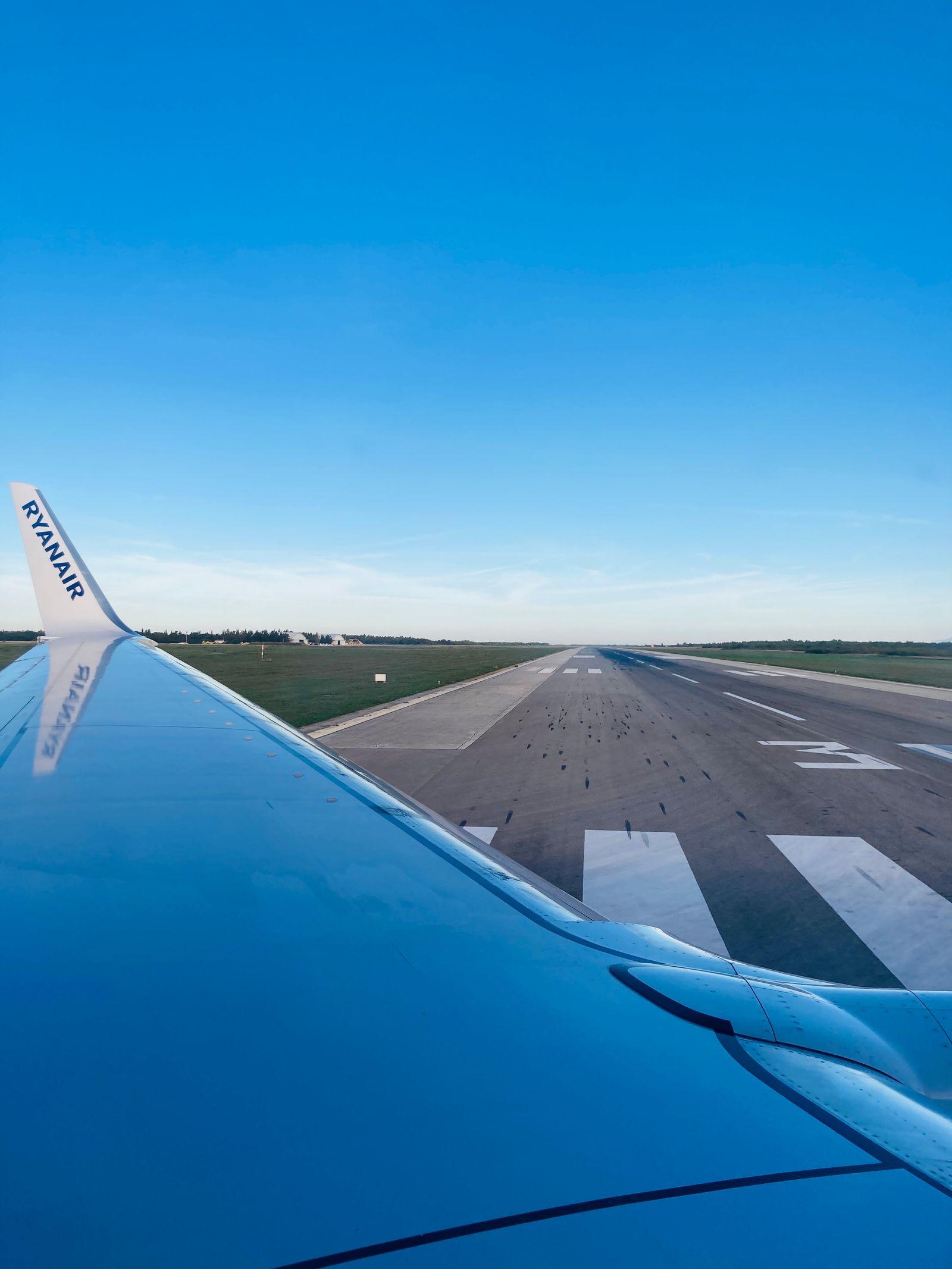
Wind matters too. A headwind helps because the wing cares about airflow, not only ground speed. If an airplane rolls into a 15-knot headwind, the wing already has 15 knots of air moving over it before the aircraft even begins accelerating across the ground. That can reduce ground roll. A tailwind does the opposite, making the aircraft cover more runway before reaching the same airspeed. Pilots prefer taking off into the wind whenever runway layout and air traffic allow it.
Runway slope and surface condition also change performance. An uphill runway slows acceleration, while a downhill runway can help the ground roll but may complicate other safety considerations. Wet or contaminated runways affect braking and acceleration. Obstacles near the departure end, such as trees, terrain, or buildings, can matter as much as the distance needed to leave the ground. Lifting off is not the final goal; the aircraft must also climb safely.
This is why two airports with similar temperatures can lead to different decisions. A long runway at a low-elevation coastal airport may provide plenty of margin on a hot day. A short runway at a mountain airport may not. A light aircraft may depart safely in conditions that would be challenging if fully loaded. The physics is universal, but the practical answer depends on the whole situation.
Why Flight Planning Builds in Margins
Aviation treats takeoff performance as a calculation because guessing is not good enough. The pilot or flight planning system needs to know how much runway is required, how quickly the aircraft can climb, and whether it can clear obstacles safely. The FAA emphasizes checking aircraft performance charts because published numbers depend on specific conditions. When real weather is hotter, higher, heavier, or more humid than the reference conditions, performance changes.
Morning departures often help because air is usually cooler and denser. Reducing weight can help because the wing has less to lift and the aircraft accelerates more easily. Choosing a longer runway helps because it gives more distance for acceleration and more room if something does not feel right. Waiting for better conditions may be the safest choice in small-aircraft flying, especially when the runway is short or terrain rises nearby.
The larger lesson reaches beyond aviation. Many machines interact with the atmosphere, and the atmosphere is not a fixed background. Temperature, pressure, and humidity change how air behaves. A bicycle tire, a weather balloon, a baseball, a wind turbine, and an airplane all reveal some part of that truth. Air may feel empty, but it has mass, density, and motion. Flight depends on those invisible properties every second.
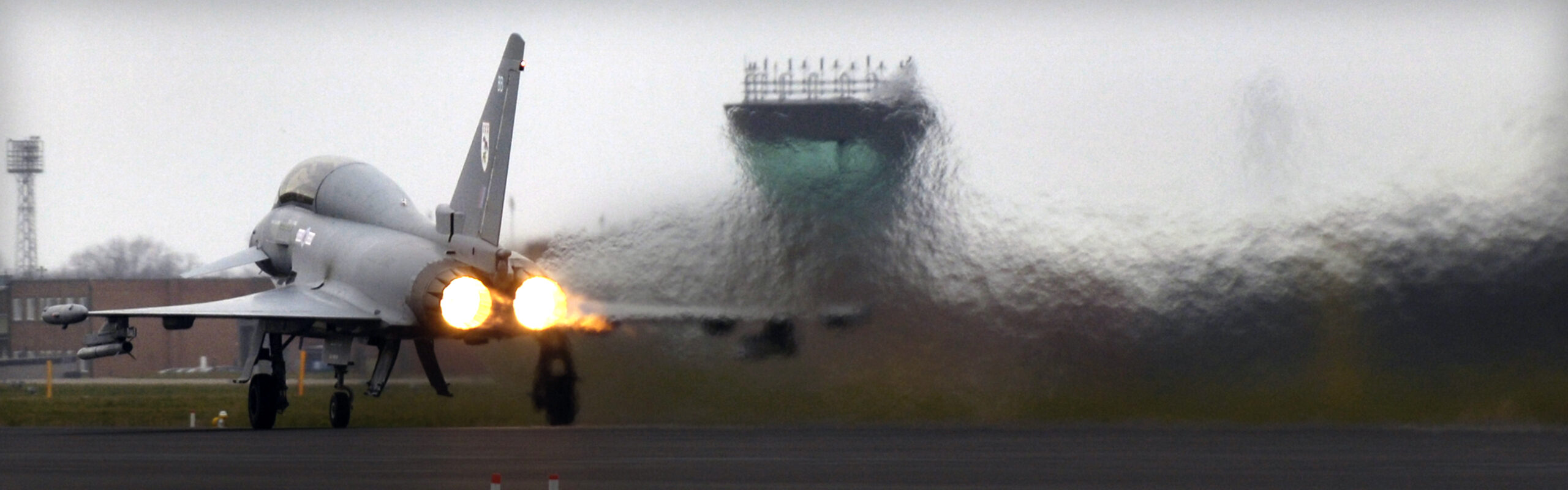
Hot-weather takeoffs make that invisible physics visible. The shimmer above a runway is more than a summer image; it is a clue that the air near the surface has changed. When the air thins, wings need more speed, engines may produce less thrust, and pilots protect the margin by adjusting weight, timing, runway choice, or flight planning. A longer takeoff roll is not just an inconvenience. It is the airplane responding honestly to the air it has been given.




Add comment