
 Akshay Dinesh
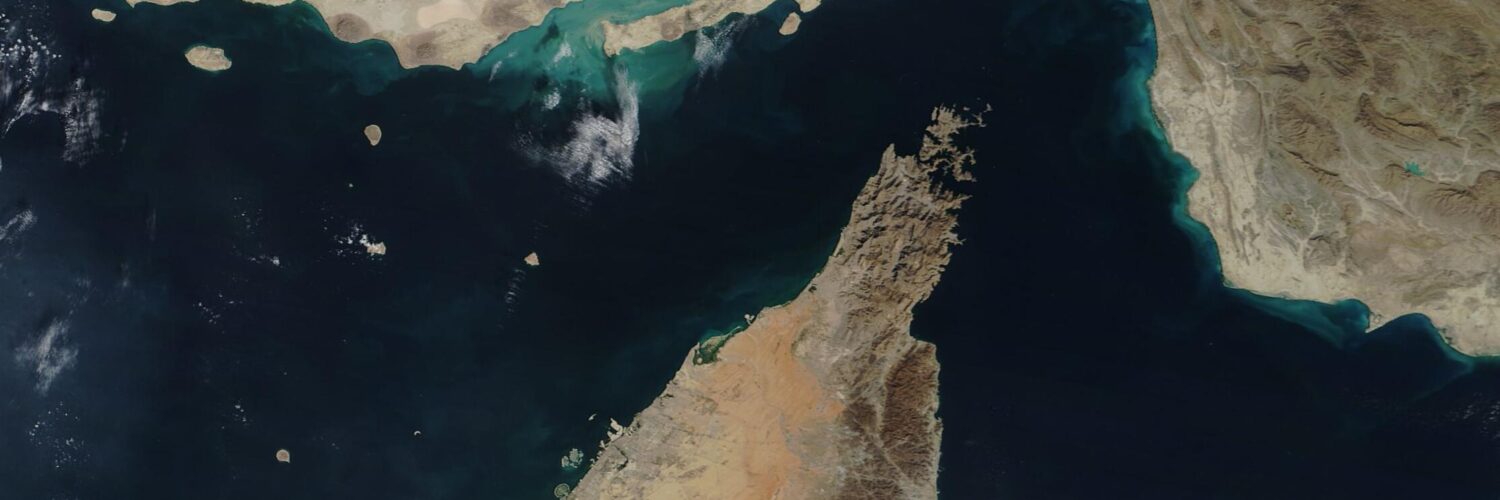
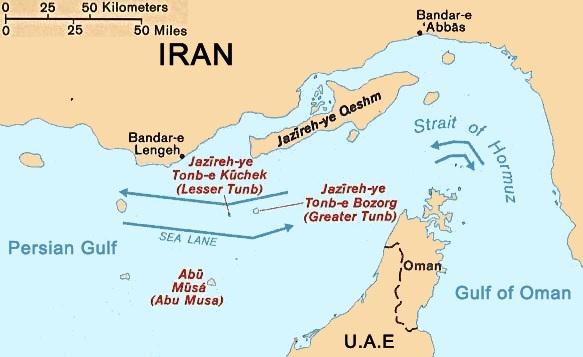
A narrow waterway can seem small on a map and still shape decisions made thousands of miles away. The Strait of Hormuz is one of those places. It sits between Iran to the north and the Musandam Peninsula of Oman and the United Arab Emirates to the south, connecting the Persian Gulf with the Gulf of Oman and the Arabian Sea beyond it. Ships leaving ports in Saudi Arabia, Kuwait, Iraq, Qatar, Bahrain, Iran, and the United Arab Emirates often have to pass near this narrow exit before reaching open ocean routes.
That geography explains why the strait appears so often in discussions of oil prices, shipping security, and global trade. The waterway is not just a line between two bodies of water. It is a chokepoint, a place where many routes squeeze through a limited space. When a chokepoint works normally, it can make trade efficient. When people worry that it might be blocked, delayed, or made unsafe, markets react quickly because there are few easy substitutes.
A small passage with a large map behind it
The Strait of Hormuz is often described by its narrowness, but its real importance comes from what lies behind it. The Persian Gulf is bordered by countries that produce large amounts of oil and natural gas. Some of those countries have ports inside the gulf, so ships carrying energy exports must pass through the strait before they can move toward South Asia, East Asia, Europe, Africa, or the Americas.
At its narrowest, the strait is only about 21 miles, or 34 kilometers, across. That does not mean ships travel in a single crowded line from shore to shore. Tankers follow organized shipping lanes, and international navigation rules help separate traffic moving in opposite directions. Still, compared with the scale of the global ocean, the route is tight. A local disruption near the strait can affect many ships because there is so little room to reroute within the same area.
The word chokepoint is useful because it turns geography into a trade idea. A chokepoint is not automatically dangerous, and many of them operate smoothly every day. The concern is dependence. If a large share of trade relies on one narrow passage, a delay in that passage can spread through supply chains, prices, schedules, and political decisions. The Strait of Hormuz is one of the clearest examples in the world because the cargo is not ordinary merchandise; much of it is energy that economies use every day.
Why oil and gas make the strait globally significant
The U.S. Energy Information Administration reported that oil flows through the Strait of Hormuz averaged about 20 million barrels per day in 2024, roughly equal to 20 percent of global petroleum liquids consumption. In the first half of 2025, the EIA estimated an even slightly higher average, about 20.9 million barrels per day. Those figures include crude oil, condensate, and petroleum products, so they capture more than one type of liquid fuel moving through the route.
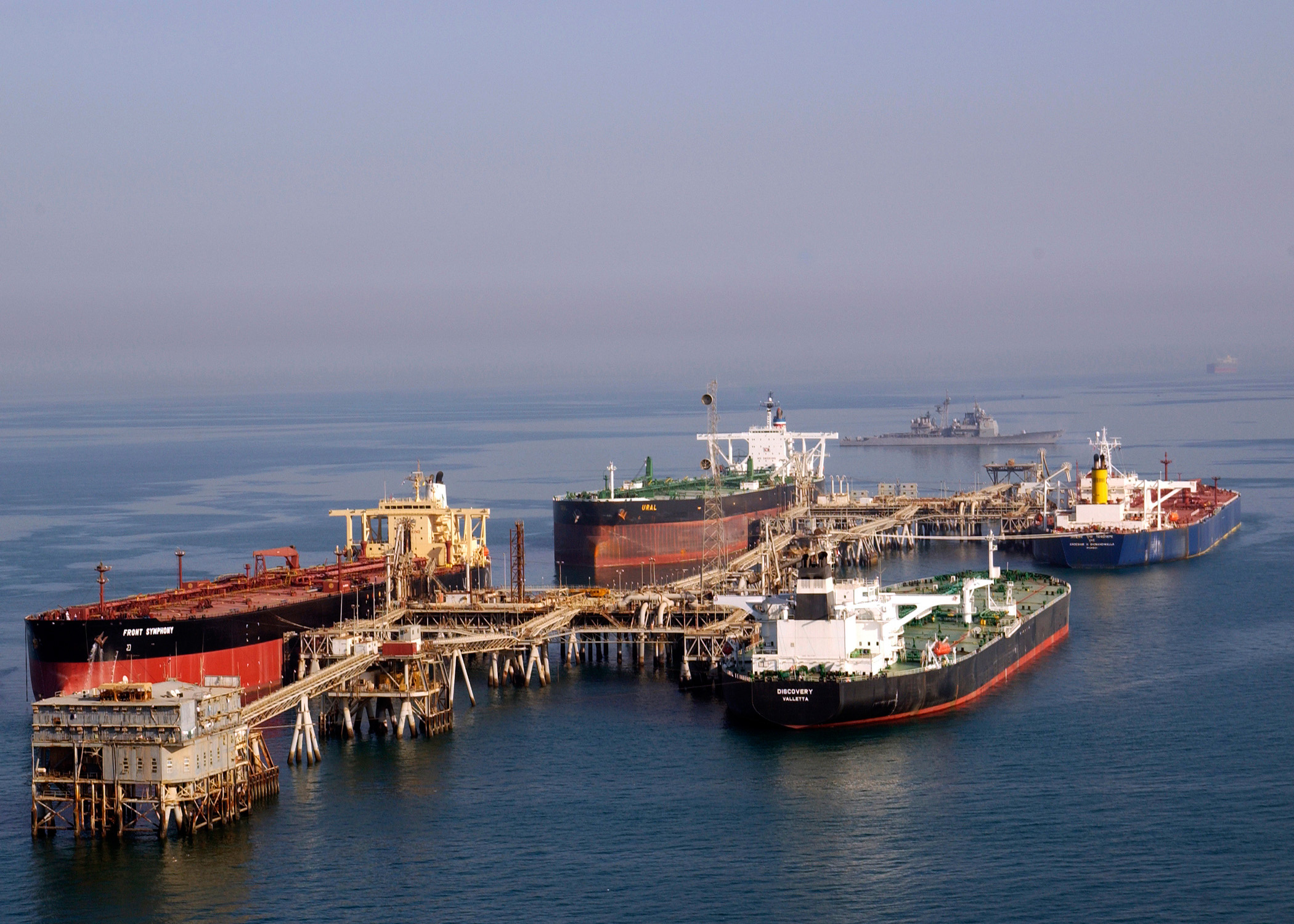
Another way to see the scale is through seaborne trade. The EIA describes Hormuz flows as more than one-quarter of total global seaborne oil trade. That matters because oil is not consumed where it is produced in equal amounts. Some countries produce more than they use, while others import large volumes to run vehicles, factories, power systems, and petrochemical industries. Tankers connect those unequal places. The Strait of Hormuz is one of the points where that connection becomes visible.
Natural gas adds another layer. Qatar is a major exporter of liquefied natural gas, or LNG, which is gas cooled into liquid form so it can be carried by specialized ships. The EIA has estimated that around one-fifth of global LNG trade also passed through the Strait of Hormuz in 2024, much of it from Qatar. That means the waterway matters not only for gasoline, diesel, and jet fuel, but also for electricity generation, heating, industry, and countries trying to balance energy security with changing fuel choices.
How a local waterway affects distant prices
Oil prices are shaped by many forces at once: production decisions, demand from drivers and industries, inventories, refinery capacity, currency changes, and expectations about the future. The Strait of Hormuz does not control all of those factors. What it does control is a major route from producers to buyers. If traders, shipping companies, refiners, or governments think that route could become less reliable, they may price in risk before any household sees a change at the pump.
The effect is partly practical. A tanker that cannot leave the Persian Gulf on time may delay delivery to a refinery. A refinery expecting that cargo may need to draw from storage, buy from another supplier, or pay more for a different shipment. Insurance costs can rise when ships travel through tense waters. Freight rates can change as vessels wait, reroute, or become unavailable for other jobs. These costs may begin far from a consumer, but they can move through the chain that connects crude oil to fuels and other petroleum products.
The effect is also psychological, though not imaginary. Markets respond to expectations because energy supply is planned in advance. If buyers fear a shortage next month, they may try to secure cargoes now. If sellers see risk rising, they may demand higher prices. If governments consider releasing reserves or adjusting policy, that can also shift expectations. The strait’s importance comes from this mix of physical geography and human anticipation.
Why Asia is especially connected to Hormuz
The Strait of Hormuz is geographically close to the Middle East, but much of its energy trade is directed east. According to the EIA, 84 percent of the crude oil and condensate and 83 percent of the LNG that moved through the strait in 2024 went to Asian markets. China, India, Japan, and South Korea together accounted for a large share of the crude oil and condensate flows from Hormuz to Asia.
That pattern reflects the energy needs of fast-growing and highly industrialized economies. India and China have large populations, expanding transport systems, and major manufacturing sectors. Japan and South Korea import most of their fossil fuels because they have limited domestic oil and gas resources. For these countries, the Strait of Hormuz is not a distant news topic. It is part of the route that connects power plants, refineries, shipping fleets, factories, and consumers.
This does not mean other regions are unaffected. Oil is traded in global markets, so a disruption in one route can influence benchmark prices used around the world. A refinery in one country may not buy crude directly from the Persian Gulf, but the price it pays can still move when global supply looks tighter. Energy markets are connected less like separate buckets and more like communicating vessels: pressure in one part can raise or lower levels elsewhere.
Why alternatives are limited
A natural question follows: if the strait is so sensitive, why not bypass it? Some bypass routes do exist, especially pipelines that carry oil to ports outside the Persian Gulf. Saudi Arabia has pipeline routes toward the Red Sea, and the United Arab Emirates operates a pipeline to Fujairah on the Gulf of Oman. Iran has also developed the Goreh-Jask route toward the Gulf of Oman, though the EIA describes its effective capacity as limited compared with the volumes that normally move through Hormuz.
The problem is scale. A pipeline can help, but it usually cannot replace a major maritime route overnight. Pipelines have fixed capacity, maintenance needs, and specific starting and ending points. They may serve certain oil fields or grades of crude better than others. They also do not solve every issue for natural gas, especially LNG shipments that rely on specialized export terminals and carriers. Moving 20 million barrels per day of oil and petroleum liquids is not like moving a small shipment from one road to another.
There is also the question of cost and time. Building new pipelines, storage terminals, and export facilities requires years of planning, large investment, political agreements, and environmental review. Even when countries want more options, geography still sets constraints. Mountains, deserts, borders, ports, and security risks all shape what can be built. The Strait of Hormuz remains important because it is already the shortest and most direct sea exit for much of the Gulf’s energy trade.
What the strait teaches about geography
The Strait of Hormuz is a strong reminder that geography is not just memorizing names on a map. A narrow channel can influence shipping schedules, government planning, fuel costs, and diplomatic attention because it connects physical space with human systems. The shape of coastlines, the location of resources, and the width of a waterway can become part of economic life.
It also shows why global trade depends on trust and routine. Most of the time, ships move through chokepoints without drawing much public attention. That quiet movement is part of what keeps modern economies running. When the routine looks uncertain, people suddenly notice how much depends on routes they may never have thought about before.
Understanding the Strait of Hormuz does not require predicting every headline about the region. The lasting lesson is simpler and more useful: some places matter because they connect many other places. The strait is small in area, but large in consequence. It turns a lesson in physical geography into a lesson about energy, trade, risk, and the hidden routes behind everyday life.





Add comment