 Akshay Dinesh
The 2026 World Cup is not only a football tournament. It is also a living map of North America. For the first time, the men’s World Cup is being hosted by three countries: Canada, Mexico, and the United States. FIFA lists 16 host cities, from Vancouver and Seattle in the northwest to Miami in the southeast, with Mexico City, Guadalajara, Monterrey, Toronto, and other major metropolitan areas woven into the schedule. That spread makes the tournament a useful way to understand how geography shapes large events.
Most sports coverage focuses on teams, stadiums, and results. Geography asks a different set of questions. How far do people and teams have to travel? What climates will they move through? How do time zones affect viewing, rest, and scheduling? Why do some cities become hosts while others do not? The answers show that a world event depends on much more than a field and a crowd. It depends on cities, transportation networks, weather patterns, borders, and the way people move across space.
A Tournament Spread Across a Continent
The 2026 World Cup is scheduled for June 11 to July 19, 2026, with 48 teams and 104 matches. That makes it larger than previous editions in both format and geography. The host list includes two Canadian cities, three Mexican cities, and 11 cities in the United States. Canada’s hosts are Toronto and Vancouver. Mexico’s are Mexico City, Guadalajara, and Monterrey. The U.S. hosts are Atlanta, Boston, Dallas, Houston, Kansas City, Los Angeles, Miami, New York/New Jersey, Philadelphia, San Francisco Bay Area, and Seattle.
Put those places on a map and the scale becomes obvious. Vancouver and Miami sit on opposite corners of the host network. Mexico City is far south and high in elevation. Boston and Seattle are both northern cities, but they belong to very different coastal regions. Dallas, Houston, Kansas City, and Atlanta form a broad middle zone with their own distances and climates. A fan who thinks of the tournament as one event may quickly realize it is really a chain of regional events connected by flights, roads, hotels, media schedules, and city services.

This is why the geography of the 2026 tournament feels different from a compact host nation. Qatar 2022 took place in a small country where many stadiums were close together. In 2026, the tournament stretches across a continental region. Even if the schedule groups some teams regionally, the full event still depends on long-distance movement. A match in Los Angeles and a match in Boston are not simply two games in different stadiums. They sit in different climate zones, media markets, airport systems, and local landscapes.
Why Host Cities Are More Than Dots on a Map
A host city has to do more than own a large stadium. It needs airports that can absorb surges of visitors, hotels and short-term lodging, public transportation, security planning, medical services, practice facilities, broadcast infrastructure, and public spaces where fans gather. That is why host-city geography is closely tied to urban geography. A city is not chosen only for where it is located, but for how well its systems can handle unusual pressure.
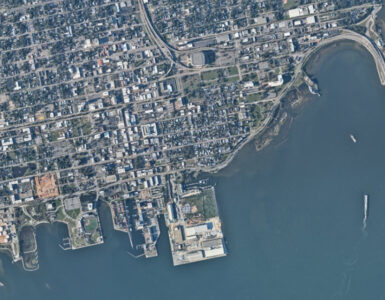
Large sporting events reveal the difference between a stadium and a metropolitan area. New York/New Jersey Stadium, for example, is associated with the New York region but physically located in East Rutherford, New Jersey. Boston’s venue is in Foxborough, outside the city core. San Francisco Bay Area Stadium is in Santa Clara. These locations remind us that a host label often represents a wider urban region, not just a downtown. For visitors, that distinction matters. Getting from an airport to a hotel, then to a stadium, can involve trains, buses, highways, ride services, and walking routes spread across several local governments.
The tournament also shows why cities compete to host global events. A World Cup match can bring international attention, tourism, and short-term business activity. It can also create stress: crowded transit, higher hotel prices, road congestion, and pressure on public services. Geography helps explain both sides. Cities are centers of opportunity because they concentrate people and infrastructure. The same concentration can become a challenge when hundreds of thousands of visitors arrive on schedules shaped by match times rather than normal daily rhythms.
Distance Changes the Experience
Distance is one of the simplest geographic ideas, but at this scale it becomes powerful. A team moving from a group-stage base to a knockout match may face a long flight, a different time zone, a new climate, and less recovery time. Fans planning to follow a national team face similar choices. They may need to decide whether to stay in one region, fly between cities, or attend only nearby matches. A route that looks manageable on a small screen can feel very different when airport transfers, security lines, luggage, delays, and local traffic enter the picture.
North America’s size also changes how people understand “near.” Philadelphia and New York/New Jersey are close enough to feel like a regional pair. Dallas and Houston are in the same state but still far enough apart that driving between them takes several hours. Seattle and San Francisco are both West Coast hosts, yet the trip between them is still a major journey. Mexico City and Monterrey share a country but differ in elevation, urban form, and regional setting. Geography turns the host list into a network rather than a simple checklist.
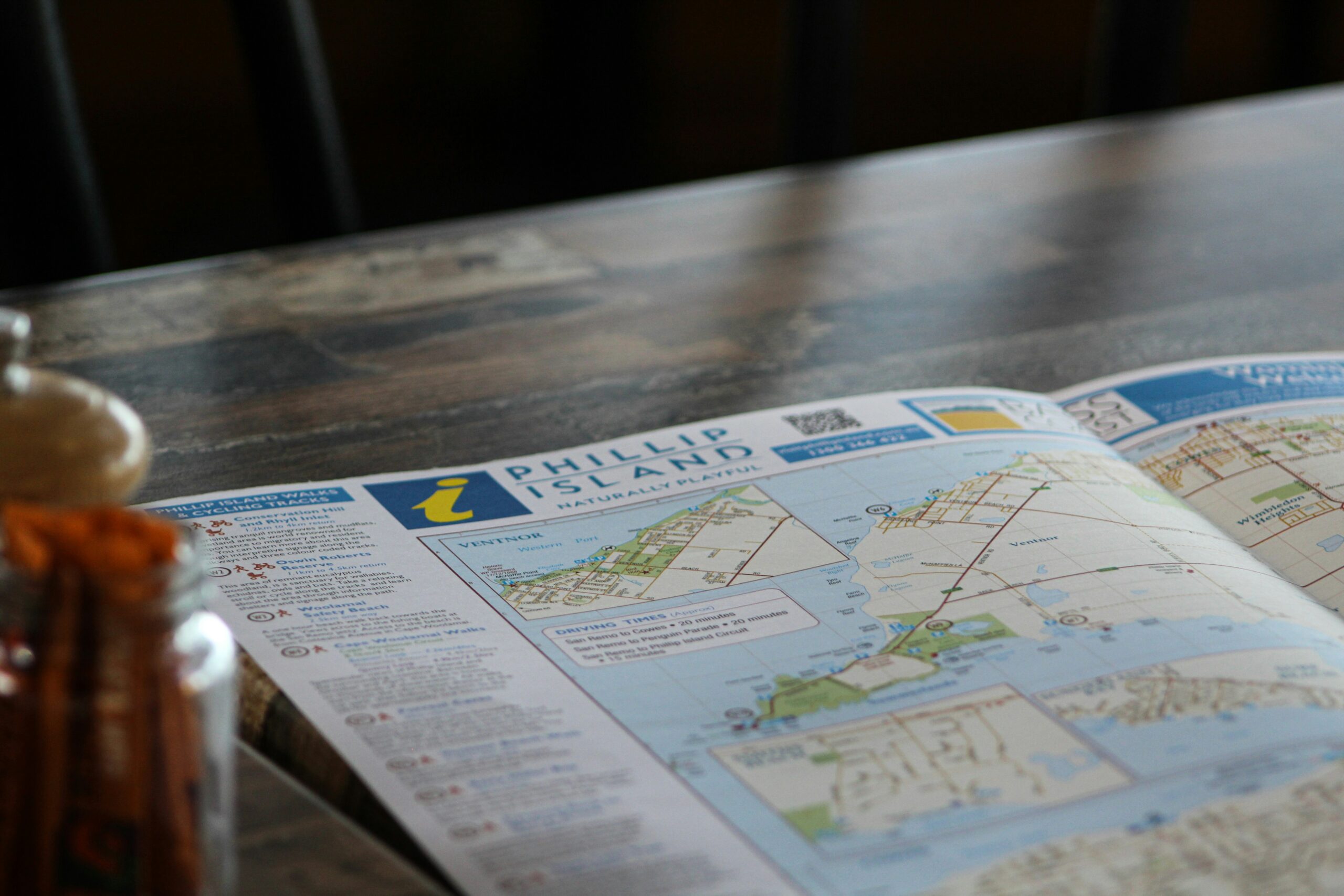
Time zones add another layer. Matches in Vancouver, Los Angeles, Kansas City, Mexico City, Toronto, and Miami do not land on the same local clock. A kickoff that is convenient in one region may be late or early somewhere else. Broadcasters, fans, teams, and stadium workers all feel the effect. Time zones are invisible lines, but during a global tournament they become practical facts. They shape when people watch, sleep, travel, and work.
Climate and Elevation Are Part of the Game
The tournament is scheduled during the North American summer, which means weather will not be the same everywhere. Miami and Houston can be hot and humid. Dallas and Kansas City can face intense heat. Seattle and Vancouver may be milder. Mexico City brings another geographic factor: elevation. At more than 7,000 feet above sea level, it sits much higher than most other host cities. Athletes, coaches, and visitors may notice thinner air, different recovery demands, and a different feel to physical effort.
Climate does not decide a match by itself, but it shapes preparation. Heat affects hydration, pacing, and recovery. Humidity makes it harder for sweat to evaporate, which can make the body feel hotter. Altitude changes oxygen availability. Rain can affect travel and field conditions. Stadium design also matters. Some venues have roofs or partial covers. Others expose players and fans more directly to local weather. Geography becomes part of the background rhythm of the tournament, even when the scoreboard does not show it.
These conditions also matter for spectators. A visitor packing for Vancouver may need a different plan than someone heading to Miami or Monterrey. A midday trip across a parking area, a long transit wait, or a crowded outdoor fan zone can feel very different depending on local heat and humidity. The 2026 host network is a reminder that climate is not an abstract school topic. It affects bodies, schedules, public safety, and the way people experience a place.
Borders, Regions, and the Meaning of a Shared Event
A three-country World Cup also brings political geography into view. Canada, Mexico, and the United States share a continent and many economic connections, but they remain separate countries with different border rules, currencies, languages, transport systems, and local laws. A fan crossing from a U.S. match to a Canadian or Mexican match is not just moving between cities. They are crossing an international boundary, which may affect documents, phone service, payment habits, and travel timing.
At the same time, the tournament highlights regional ties that cross borders. The Pacific coast links Vancouver, Seattle, the Bay Area, and Los Angeles through a shared north-south corridor. The U.S.-Mexico border region connects travel, culture, trade, and language in ways that matter far beyond sports. Eastern hosts such as Toronto, Boston, New York/New Jersey, Philadelphia, Atlanta, and Miami show another pattern: dense air routes and large metropolitan populations along the eastern half of the continent. The host map is not random. It follows population centers, transportation hubs, media markets, and stadium capacity.
That is one reason the 2026 World Cup works so well as a geography case study. It shows how physical geography, human geography, and economic geography meet. Physical geography appears in distance, climate, elevation, and regional landscapes. Human geography appears in cities, culture, language, and crowds. Economic geography appears in tourism, ticket demand, hotels, airports, and infrastructure. The same event can be studied through all three lenses.
What the Host-City Map Teaches
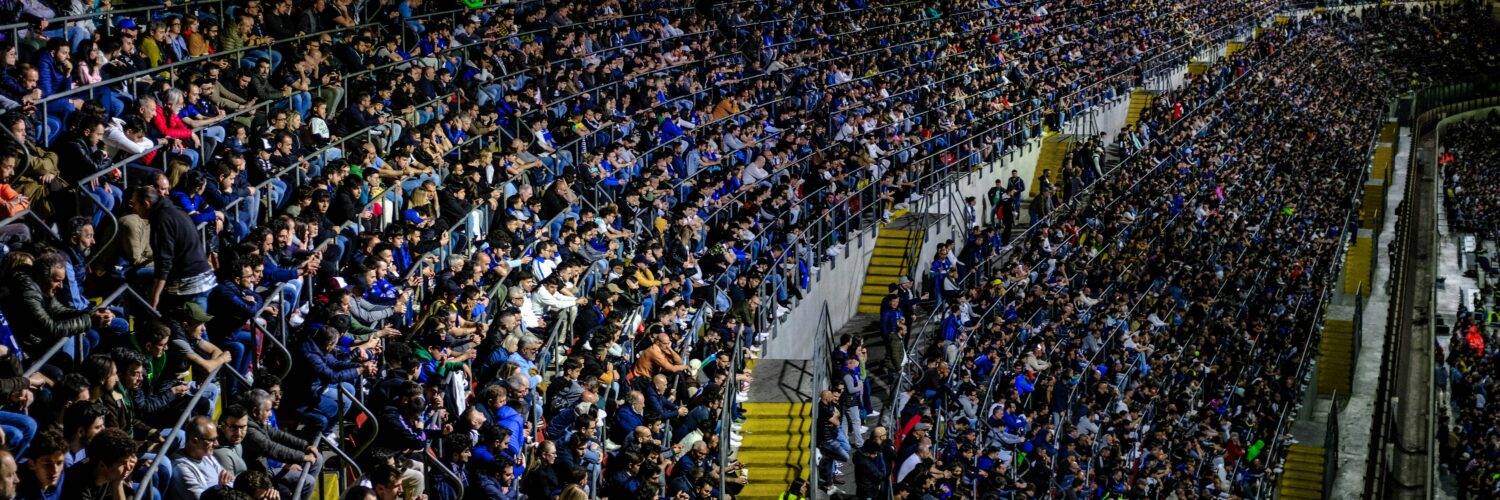
The 2026 World Cup’s host cities matter because they make geography visible. A stadium crowd may look like a single scene, but behind it sits a chain of decisions about where people live, how cities grow, how transportation works, and how climate shapes daily life. The final in the New York/New Jersey region and the opening match in Mexico City are not only symbolic choices. They place the tournament inside two very different metropolitan settings, each with its own history, scale, and geographic meaning.
For students, the host map is a useful reminder that geography is not just memorizing capitals or labeling countries. It is the study of why places are connected, why movement is easy in some directions and difficult in others, and why location changes what people experience. A World Cup match lasts about two hours. The geography that makes it possible stretches across months of planning and thousands of miles.
By the time the tournament begins, fans may be thinking mostly about goals, lineups, and national pride. Yet every trip, broadcast time, weather delay, hotel booking, and crowded train will carry a geographic story. The 2026 World Cup is a sports event, but it is also a lesson in scale: how a continent-sized host region turns a game into a map of cities, climates, borders, and movement.