 Akshay Dinesh
A tick does not chase the way a mosquito flies or a bee darts through the air. It waits. That quiet strategy is part of what makes ticks so easy to underestimate. A person can walk through grass, brush, leaf litter, or the edge of a wooded trail and pick up a tick without feeling anything at first.
That matters more in years when tick activity starts early or stays high for longer. In April 2026, the Centers for Disease Control and Prevention reported that emergency department visits for tick bites were higher than usual across most regions of the United States, based on its Tick Bite Tracker. The larger lesson is not that every outdoor walk is dangerous. It is that tick risk depends on biology, weather, habitat, animal hosts, and human behavior all lining up at once.
Understanding ticks begins with a simple shift in perspective. They are not random specks in the grass. They are blood-feeding arachnids with finely tuned ways of detecting animals, surviving between meals, and taking advantage of warm, humid conditions.
Ticks Wait for Hosts Instead of Hunting Them Down
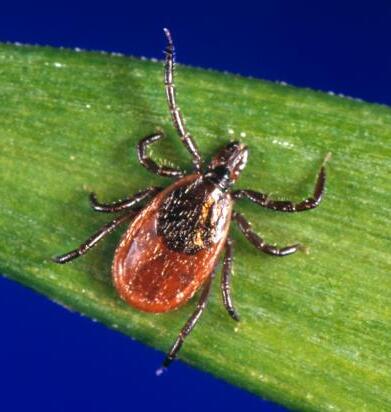
Ticks are arachnids, the same broad group that includes spiders and mites. Unlike mosquitoes, they cannot fly. Unlike fleas, they do not make long jumps. Most ticks that bite people use a behavior called questing: they climb onto low vegetation, hold on with their back legs, and stretch their front legs outward until a passing host brushes against them.
That host might be a deer, dog, mouse, bird, or person. A tick does not need to know the whole animal is there. It can respond to clues such as carbon dioxide from breathing, body heat, movement, vibration, and chemical signals from skin or sweat. Once it grabs onto clothing, fur, or skin, it may crawl for a while before attaching.
This is why ticks are often picked up at transition zones. The edge between lawn and woods, a narrow trail through tall grass, a pile of leaves near a fence, or brush along a backyard can all bring hosts and ticks into the same small space. A closely mowed open field may have fewer ticks than a shaded, damp border with leaf litter, because ticks lose moisture easily and need protected places to survive.
Their patience is part of their success. A tick may spend most of its life off a host, waiting through long gaps between blood meals. When conditions are too dry or hot, many ticks retreat lower into leaf litter to avoid drying out. When the air is mild and humid enough, they can climb back up and quest again.
The Tick Life Cycle Makes Risk Hard to See
Most hard ticks pass through four stages: egg, larva, nymph, and adult. After hatching, they need a blood meal at each active stage before moving to the next. That means a tick’s life is tied to the animals around it. Small mammals and birds can feed young ticks, while larger mammals often feed adults.
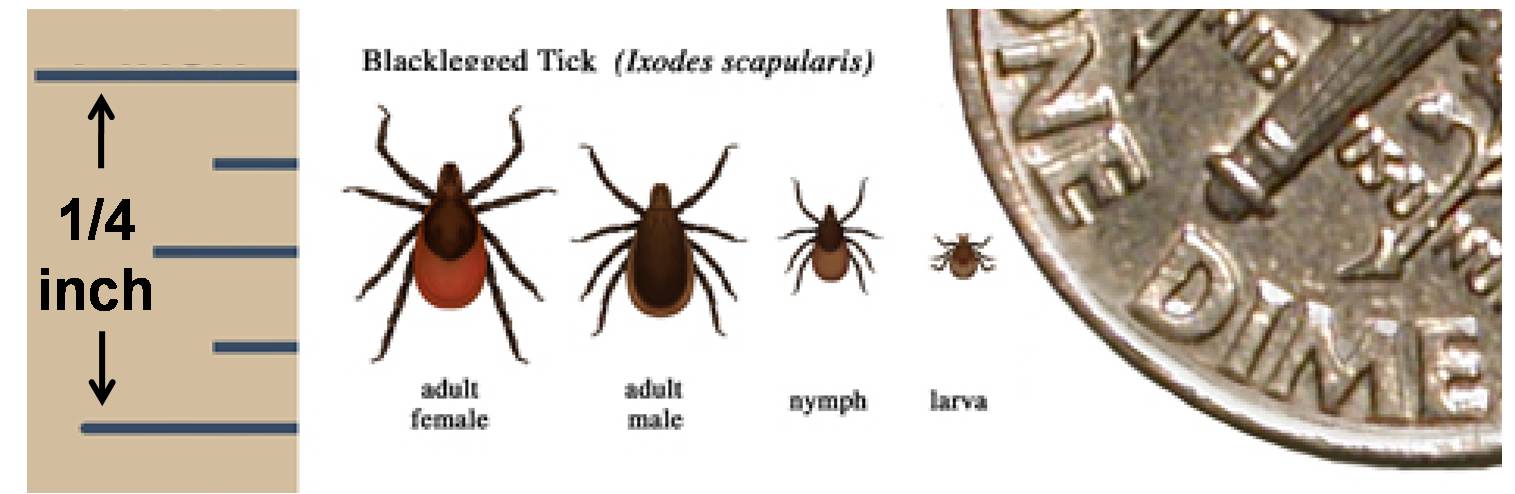
The nymph stage is especially important for human risk because nymphs can be tiny. A blacklegged tick nymph can be difficult to notice on skin, clothing, or behind a knee. If a nymph has picked up a pathogen during an earlier blood meal, it may be able to pass that pathogen to another host later.
The CDC explains that Lyme disease bacteria are spread to people through infected blacklegged ticks, and that Lyme disease is most common in the Northeast, mid-Atlantic, and upper Midwest. But Lyme disease is not the only tick-borne concern. Depending on the tick species and region, ticks can also be connected with illnesses such as anaplasmosis, ehrlichiosis, Rocky Mountain spotted fever, babesiosis, and alpha-gal syndrome.
That variety is one reason tick education can become confusing. People sometimes talk about “the tick” as if there were only one kind. In reality, different species have different ranges, host preferences, and disease connections. A blacklegged tick in a northeastern woodland does not present exactly the same pattern as a lone star tick in the Southeast or mid-Atlantic.
Warm, Humid Weather Can Extend Tick Activity
Tick season is not set by a calendar alone. Temperature and moisture play a large role. Many ticks become more active when conditions are warm enough for movement but not so dry that they lose too much water. The U.S. Environmental Protection Agency notes that deer ticks are mostly active when temperatures are above 45 degrees Fahrenheit and that they thrive in humid environments.
That helps explain why an early warm spring can raise attention around ticks. If people head outdoors sooner and ticks begin questing sooner, encounters can increase before many families have shifted into their usual summer prevention habits. A mild fall can stretch activity in the other direction, keeping ticks active later than expected.
Climate is not the only factor. Land use, deer populations, mouse populations, leaf litter, suburban development, and the amount of time people spend outdoors all influence exposure. A warm year does not automatically mean the same tick risk everywhere. A dry spell can reduce questing near the surface. A wet spring can preserve the humidity ticks need. Local ecology matters.
Still, the larger pattern is clear enough for public health agencies to watch closely. CDC tick surveillance maps and bite trackers do not simply count insects in the abstract. They help show where tick species are established, where bites are being reported, and where people may need better awareness before the season feels fully underway.
Different Tick Species Create Different Risks
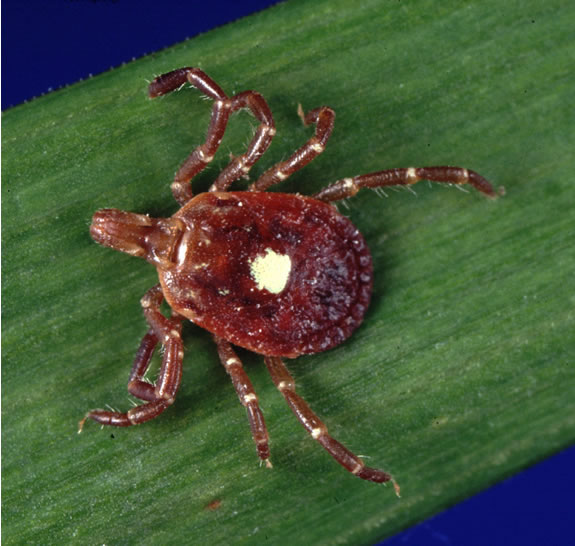
The blacklegged tick gets much attention because of Lyme disease, but it is only one piece of the story. The lone star tick, for example, is common in parts of the eastern, southeastern, and south-central United States and has drawn public attention because bites from some lone star ticks are associated with alpha-gal syndrome, an allergy to a sugar found in mammalian meat and related products. The American dog tick and Rocky Mountain wood tick are connected with Rocky Mountain spotted fever in some areas.
Range maps are useful, but they should be read carefully. A species being present in a region does not mean every tick carries a pathogen. It also does not mean every bite leads to illness. Disease transmission depends on the tick species, the pathogen, the local animal hosts, how long the tick remains attached, and many other conditions.
That nuance matters because panic is not very useful. A better response is informed attention. People who know which ticks are common in their area can understand why a local health department, park service, or school may emphasize certain prevention steps at certain times of year.
Prevention Works Best Before the Bite Happens
The most useful tick habits are simple, but they work best when they happen before someone finds a tick attached. Staying near the center of trails, avoiding unnecessary contact with tall grass and brush, and checking clothing after outdoor time all reduce the chance that a tick gets a quiet ride indoors.
Clothing can help. Long pants tucked into socks may not win any fashion contest, but the barrier makes ticks easier to spot before they reach skin. EPA-registered repellents and permethrin-treated clothing are commonly recommended by public health agencies for people spending time in tick habitat. Pets also matter because dogs and cats can bring ticks into homes after moving through grass or brush.
- Check ankles, knees, waistbands, armpits, scalp, and behind the ears after time outdoors.
- Shower soon after coming inside when possible, since it creates a natural moment for a tick check.
- Dry clothing on high heat after outdoor activity if ticks may be present on fabric.
- Use fine-tipped tweezers to remove an attached tick by grasping close to the skin and pulling steadily.
These steps do not turn nature into a problem to avoid. They make outdoor time more realistic. The same trail can be beautiful, useful, and tick habitat at once. The goal is to notice that combination before the smallest animals in the grass become a surprise.
Why Tick Awareness Is Really Ecology Awareness
Ticks connect several parts of the living world that people often separate: weather, animals, plants, neighborhoods, and human movement. A backyard with leaf litter, a mild spring, a growing deer population, and children playing near brush can become a small ecology lesson without anyone calling it that. Change one part, and the pattern of exposure can change too.
This is why tick season is not only a health warning. It is a reminder that humans live inside ecosystems, even in suburbs and city parks. Tiny animals can reveal shifts in temperature, humidity, wildlife movement, and the way people design outdoor spaces.
The practical lesson is steady rather than frightening. Ticks find people because their biology is built for waiting, sensing, and attaching when a host passes by. Tick season can start early when warm, humid conditions and outdoor activity arrive early together. Once those pieces are visible, prevention becomes less mysterious: know the habitat, check after exposure, respond calmly, and treat the smallest outdoor risks with the same attention given to weather, sun, or water.