
 Akshay Dinesh
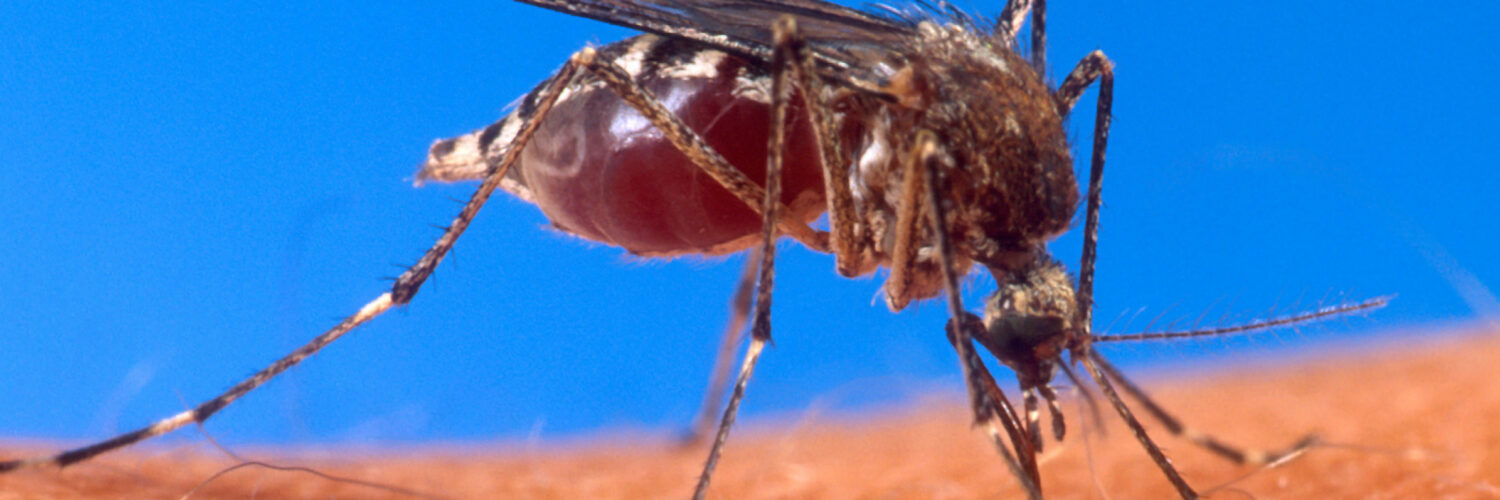
Two people can sit on the same porch at the same time and have completely different nights. One person swats constantly and wakes up with itchy welts. The other barely notices a thing. It can feel as if mosquitoes are making personal choices, but the real explanation is more interesting: mosquitoes read a cloud of invisible clues around the body.
Those clues include carbon dioxide in breath, warmth from skin, moisture, movement, clothing contrast, and the chemical signature of skin odor. A mosquito does not need one perfect signal. It follows several hints in sequence, narrowing the search until it lands. That is why mosquito bites often seem unfair. People do not smell, breathe, sweat, or warm the air around them in exactly the same way, and mosquitoes are built to notice those differences.
Only Some Mosquitoes Are Looking for Blood
Not every mosquito is hunting for a person. Adult mosquitoes feed on plant sugars for energy, and males do not bite people at all. The biting mosquitoes are females that need nutrients from blood to develop eggs. Even then, different mosquito species behave differently. Some feed mostly at dawn or dusk, some are active during the day, and some are more likely to bite birds, mammals, or humans depending on the species and the local environment.
The Centers for Disease Control and Prevention notes that mosquitoes live in many parts of the world and include thousands of species. Most are mainly a nuisance, but some are vectors, meaning they can spread germs from one host to another. That vector role is one reason mosquito behavior gets so much scientific attention. Understanding how mosquitoes find people is not just a matter of comfort; it helps public health workers think about how to reduce bites and disease risk.
A bite begins with a search. A female mosquito does not simply fly randomly until she bumps into an arm. She uses sensory organs that detect chemical and physical signals in the air. Some of those organs respond to carbon dioxide, some to odors from skin and sweat, and some to warmth and moisture once she is close. The result is a surprisingly layered tracking system for such a small insect.
Carbon Dioxide Starts the Search
One of the strongest long-distance signals is carbon dioxide, the gas people exhale with every breath. To a mosquito, a moving plume of carbon dioxide can suggest that a living host is nearby. The plume is not a neat stream. It drifts, breaks apart, and reforms with air currents, especially outdoors. A mosquito follows that uneven trail by flying upwind and adjusting as the signal strengthens or fades.
This helps explain why mosquitoes often seem worse when people are exercising, talking, or gathering in groups. More breathing means more carbon dioxide in the air. A single person sitting still may produce a smaller signal than a group of people laughing around a picnic table. A larger adult may also exhale more than a smaller child, though individual bite patterns still depend on many other factors.
Carbon dioxide does not tell a mosquito everything. It works more like a first alert: something warm-blooded may be close. After that, other cues matter more. If carbon dioxide brings the mosquito into range, skin odor, heat, humidity, and visual contrast help decide where it flies next and whether it lands.
Skin Odor Can Make One Person Stand Out
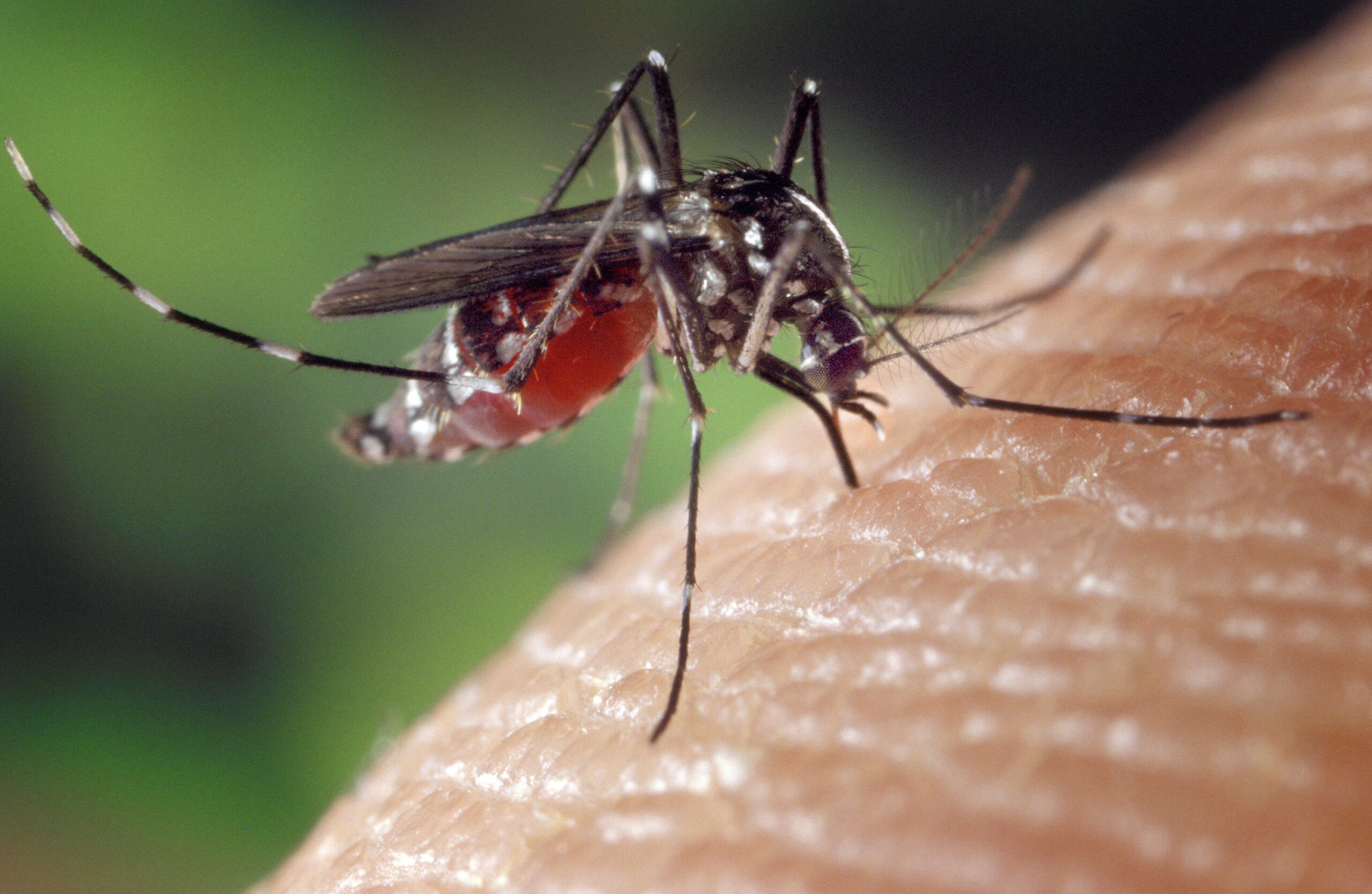
The most personal part of mosquito attraction is scent. Human skin gives off a mix of compounds produced by the body, by sweat, and by the communities of bacteria that live naturally on the skin. These odors are not always noticeable to people, but mosquitoes are sensitive to them. Two people may use the same soap and still give off different scent patterns because their skin chemistry and skin microbes are different.
A 2022 study published in Cell, titled Differential mosquito attraction to humans is associated with skin-derived carboxylic acid levels, gave researchers a sharper look at this difference. The study found that people who were highly attractive to Aedes aegypti mosquitoes tended to produce higher levels of certain carboxylic acids in their skin odor. The same participants remained consistently more or less attractive over time, suggesting that mosquito appeal is not always a one-day accident.
That does not mean one chemical alone decides everything. Mosquitoes respond to blends, not simple labels. Lactic acid, ammonia, acetone, fatty acids, and other skin-related compounds can all be part of the signal, and species differ in what they prefer. Still, the carboxylic acid finding is useful because it shows why vague explanations like “sweet blood” miss the point. Mosquitoes are not tasting blood from across the yard. They are following airborne chemistry before they ever land.
Sweat can make the signal stronger, but not only because sweat is wet. Physical activity warms the body, increases breathing, and changes the mix of compounds on the skin. Fresh sweat and older sweat may smell different because skin bacteria continue breaking down compounds after they reach the surface. That is one reason a mosquito-heavy evening can feel worse after sports practice, yard work, or a long humid walk.
Heat, Moisture, and Clothing Help Mosquitoes Close In
Once mosquitoes are near a person, short-range cues become more important. Warm skin gives off heat, and exposed skin releases moisture into the air. A mosquito that has followed carbon dioxide and odor can use warmth to decide where to land. Areas with thinner clothing, exposed ankles, wrists, necks, and arms may become easy targets because they are accessible and often warm.
Vision also plays a role. Mosquitoes do not see the world as people do, but contrast and movement can help guide them. Dark clothing may make a person easier to detect against a bright background, especially when other cues already suggest a host is nearby. This does not mean a black shirt guarantees bites or a white shirt prevents them. Clothing color is one piece of a larger sensory puzzle.
Body size, pregnancy, alcohol, perfume, lotions, and recent activity are often discussed as mosquito factors, and some may matter in certain conditions. The safest way to think about them is through the cues mosquitoes actually use. If something increases carbon dioxide, body warmth, skin odor, or exposed skin, it can plausibly increase attention from mosquitoes. If it masks odor, blocks skin, or makes it harder for mosquitoes to approach, it can reduce bites.
Repellents Work by Confusing the Signals
A good repellent does not make a person disappear. It interferes with the mosquito’s ability to interpret the close-range cues that lead to landing and biting. Products with active ingredients such as DEET, picaridin, IR3535, oil of lemon eucalyptus, PMD, or 2-undecanone can be registered with the U.S. Environmental Protection Agency, which evaluates repellents for safety and effectiveness when used according to the label.
Repellent choice depends on the situation. A short walk at sunset may not require the same protection as camping near wetlands or traveling where mosquito-borne diseases are a concern. The EPA’s repellent search tool lets people compare products by insect, active ingredient, and expected protection time. That matters because “natural” and “chemical” are not reliable shortcuts for effectiveness. The active ingredient, concentration, and correct use matter more than the marketing language on the bottle.
Clothing can also reduce bites. Long sleeves, long pants, socks, and shoes make it harder for mosquitoes to reach skin. A fan on a porch can help because mosquitoes are weak fliers and moving air disperses carbon dioxide, heat, and scent. Screens, nets, and closed doors reduce indoor biting. These simple barriers work because they interrupt the search process at different points.
Fewer Bites Also Means Fewer Mosquitoes Nearby
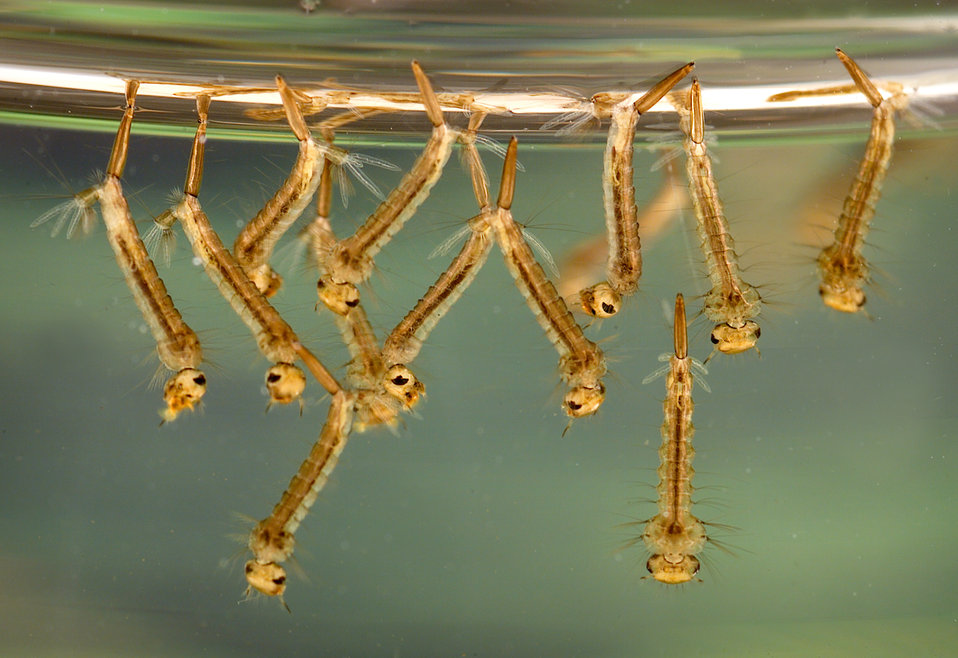
Personal protection helps, but mosquito control starts before the adults are flying. Mosquito larvae develop in water, and many common backyard sources are surprisingly small: buckets, clogged gutters, plant saucers, toys, tarps, birdbaths, wheelbarrows, and containers left after rain. Removing standing water breaks the life cycle before larvae become biting adults.
This is why public health guidance often emphasizes “tip and toss” habits after rain. Emptying containers, refreshing birdbath water, cleaning gutters, and covering rain barrels can make a real difference around a home. Larger ponds, storm drains, and wetlands are more complicated because they may also support wildlife, so communities often use targeted approaches rather than simply treating every water source the same way.
Some bites will still happen. Mosquitoes are persistent, and the outdoors is full of shifting air, scent, shade, water, and movement. But the pattern is not random. People who seem to attract more mosquitoes are usually giving off a combination of stronger or more appealing cues, especially carbon dioxide and skin odor. The more clearly those cues stand out, the easier the search becomes.
The practical lesson is simple without being simplistic: mosquitoes find people by reading biology. Breathing starts the trail, skin chemistry sharpens it, warmth and moisture guide the final approach, and exposed skin gives them a place to feed. Changing every personal factor is impossible, but blocking access, using proven repellents, adding airflow, and reducing standing water can make a mosquito-heavy evening far more manageable.






Add comment