

 Akshay Dinesh
Every June, the Northern Hemisphere reaches a turning point in its yearly journey around the Sun. The summer solstice brings the longest stretch of daylight of the year, but it is more than a calendar marker or a reason to notice a late sunset. It is a visible result of Earth moving through space with a tilted axis, giving one half of the planet its most direct sunlight while the other half receives its least.
In 2026, the June solstice occurs on June 21, around 08:24 UTC, which is early morning in the eastern United States. For people north of the equator, it marks the start of astronomical summer. For people south of the equator, the same moment marks the start of astronomical winter. That contrast is the key to understanding the solstice: the Sun has not changed its basic behavior, but Earth has changed how it presents each hemisphere to sunlight.
The solstice begins with Earth’s tilt
Earth does not spin straight up and down compared with its path around the Sun. Its axis is tilted by about 23.5 degrees. NASA Space Place and NOAA’s educational materials both point to this tilt as the main reason seasons exist. As Earth orbits the Sun, the axis keeps pointing in nearly the same direction in space, so different hemispheres lean toward or away from the Sun at different times of the year.
During the June solstice, the Northern Hemisphere is tilted as far toward the Sun as it gets. Sunlight reaches northern places at a higher angle, spreads over less surface area, and stays above the horizon for more hours. At the same time, the Southern Hemisphere tilts away from the Sun, so sunlight arrives at a lower angle and daylight is shorter. Six months later, the pattern reverses at the December solstice.
This also explains a common misconception. Summer does not happen because Earth is closest to the Sun. In fact, Earth is usually farthest from the Sun in early July, shortly after the Northern Hemisphere’s summer begins. Distance changes slightly during the year, but the tilt of the axis has a much larger effect on how much sunlight a region receives.
Why daylight lasts longer
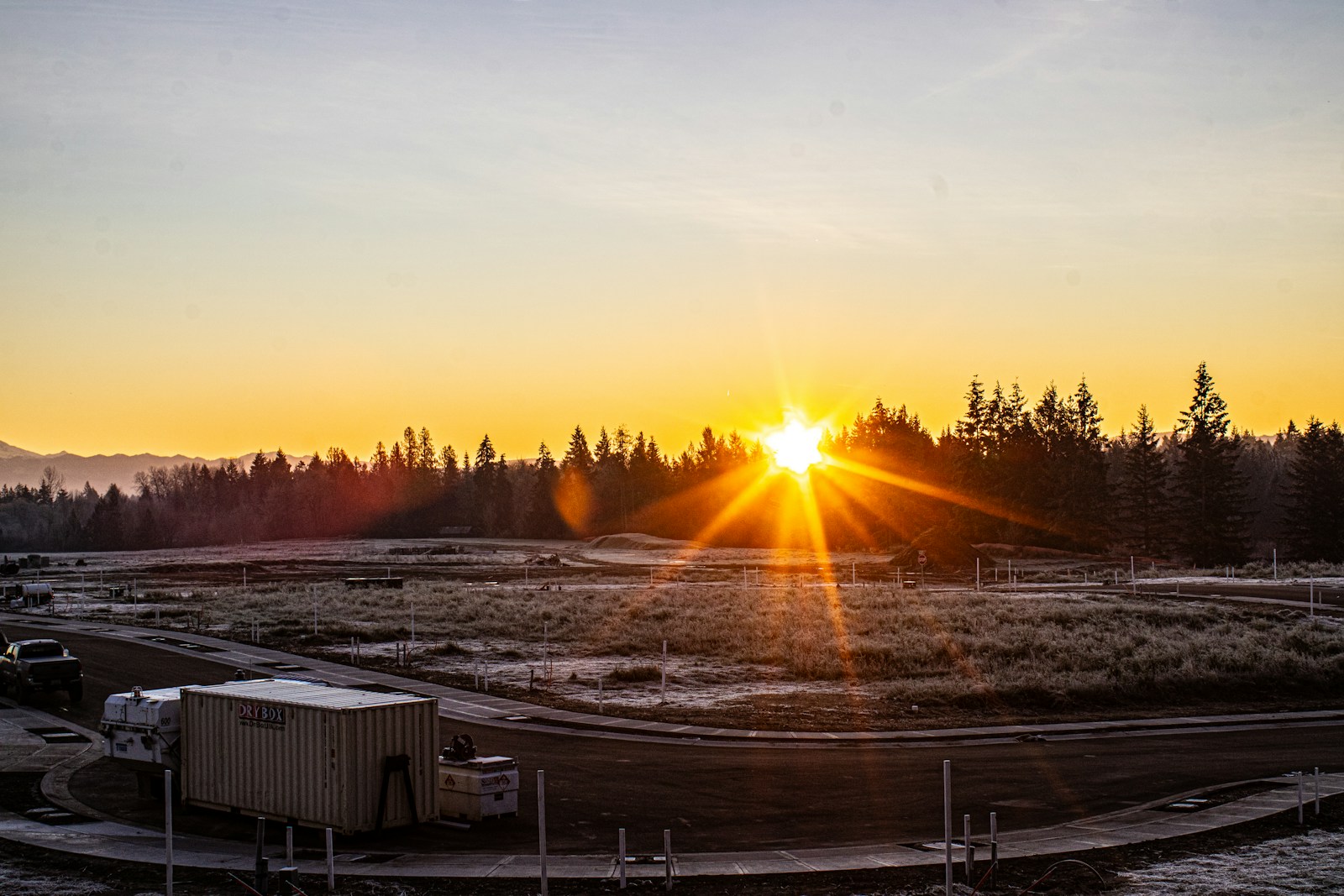
The longest day is not longer because Earth spins more slowly. Earth still takes about 24 hours to rotate once. What changes is the path the Sun appears to trace across the sky. Near the June solstice in the Northern Hemisphere, the Sun rises farther north of east, climbs higher at midday, and sets farther north of west. Because that path is long and high, the Sun spends more time above the horizon.
Latitude makes the difference easy to notice. Near the equator, daylight changes only a little through the year because the Sun’s path stays fairly consistent. Farther north, the change becomes more dramatic. Cities in the northern United States and Canada can have very long evenings in June, while places inside the Arctic Circle can experience the midnight Sun, a period when the Sun does not set at all.
The opposite happens in winter. When a hemisphere tilts away from the Sun, the Sun takes a lower, shorter path across the sky. It rises later, sets earlier, and delivers sunlight at a slant. That low-angle sunlight spreads out across a wider area and passes through more atmosphere before reaching the ground, so it warms the surface less effectively.
Why the hottest days often come later
If the solstice brings the most daylight, it might seem as if it should also bring the hottest weather. In many places, it does not. The warmest part of summer often arrives weeks later because land, water, and air take time to heat up. This delay is called seasonal lag.
Think of a sidewalk, a lake, or a room after the heater turns on. None of them reaches peak temperature instantly. In the same way, the Northern Hemisphere continues gaining more solar energy than it loses for a while after the solstice. The days have begun to shorten, but they are still long, the Sun is still high, and heat continues building in the ground, oceans, and lower atmosphere.
Seasonal lag varies by location. Inland areas may heat up faster because land responds quickly to sunlight. Coastal areas often warm more slowly because water stores and releases heat gradually. That is why a beach town can feel cooler in early summer and stay mild later into the season, while an inland city may swing more sharply from spring warmth to summer heat.
What the Sun’s high path changes
The solstice changes more than sunrise and sunset times. A higher Sun can make shadows shorter around midday. It can also increase the strength of direct sunlight, which is why sun protection can matter even when the air temperature does not seem extreme. The Sun’s angle affects how energy reaches the ground, how quickly pavement warms, how plants grow, and how people experience outdoor spaces.
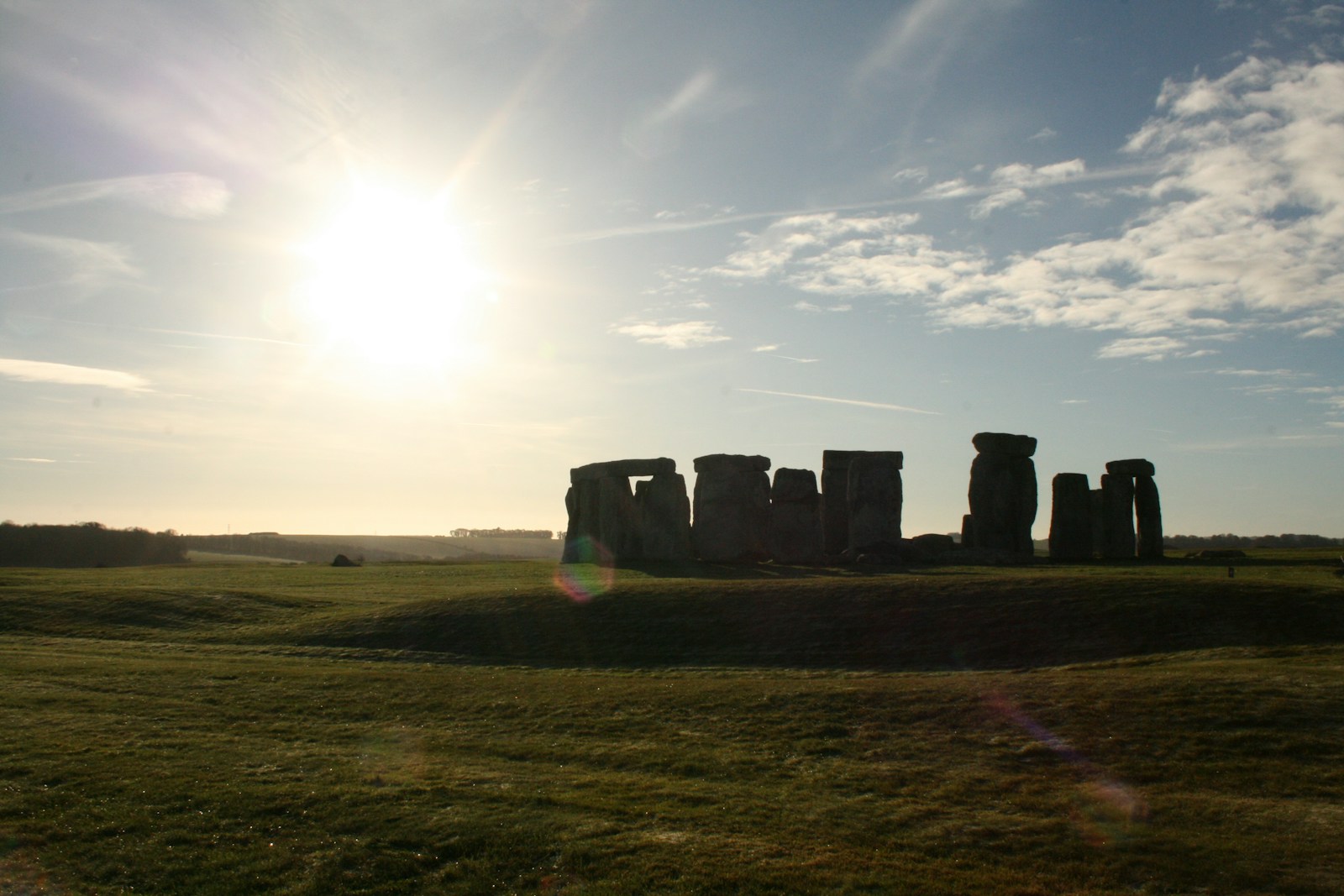
For students, the solstice is a useful reminder that astronomy is not distant from everyday life. The same geometry that explains the longest day also helps explain seasons, climate patterns, planting calendars, solar power production, and cultural traditions built around changing daylight. Ancient monuments such as Stonehenge are often discussed because of their solstice alignments, but the underlying event is visible anywhere a person can watch the Sun’s path change over the year.
The solstice also shows why maps and globes matter. A flat drawing of Earth can make seasons feel abstract, but a globe tilted under a lamp makes the pattern easier to see. One hemisphere leans into stronger light while the other leans away. The equator receives steadier daylight, while higher latitudes experience larger swings. The simple tilt of the globe turns into real differences in weather, agriculture, energy use, and daily routines.
Why the solstice is a turning point
The word solstice comes from Latin roots connected to the idea of the Sun standing still. The Sun does not actually stop, but around the solstice its north-south shift in the sky appears to slow before reversing direction. After the June solstice, the Northern Hemisphere still has long summer days, but each day gradually becomes a little shorter. After the December solstice, daylight slowly begins to return.
That turning point is part of what has made solstices meaningful across cultures. People have used them to organize time, mark agricultural seasons, gather for ceremonies, and notice the relationship between sky and land. The scientific explanation does not make those traditions less interesting. It makes them easier to understand: people were responding to a real and predictable pattern in nature.
The summer solstice is the longest day because Earth’s tilted axis gives one hemisphere its greatest lean toward the Sun. That lean raises the Sun’s path, lengthens daylight, and increases the amount of solar energy reaching the surface. The result can be measured with astronomy, felt in warm evening light, and seen in the slow seasonal rhythm that follows. A single day marks the peak of daylight, but the story it tells stretches across the whole year.






Add comment