

 Akshay Dinesh
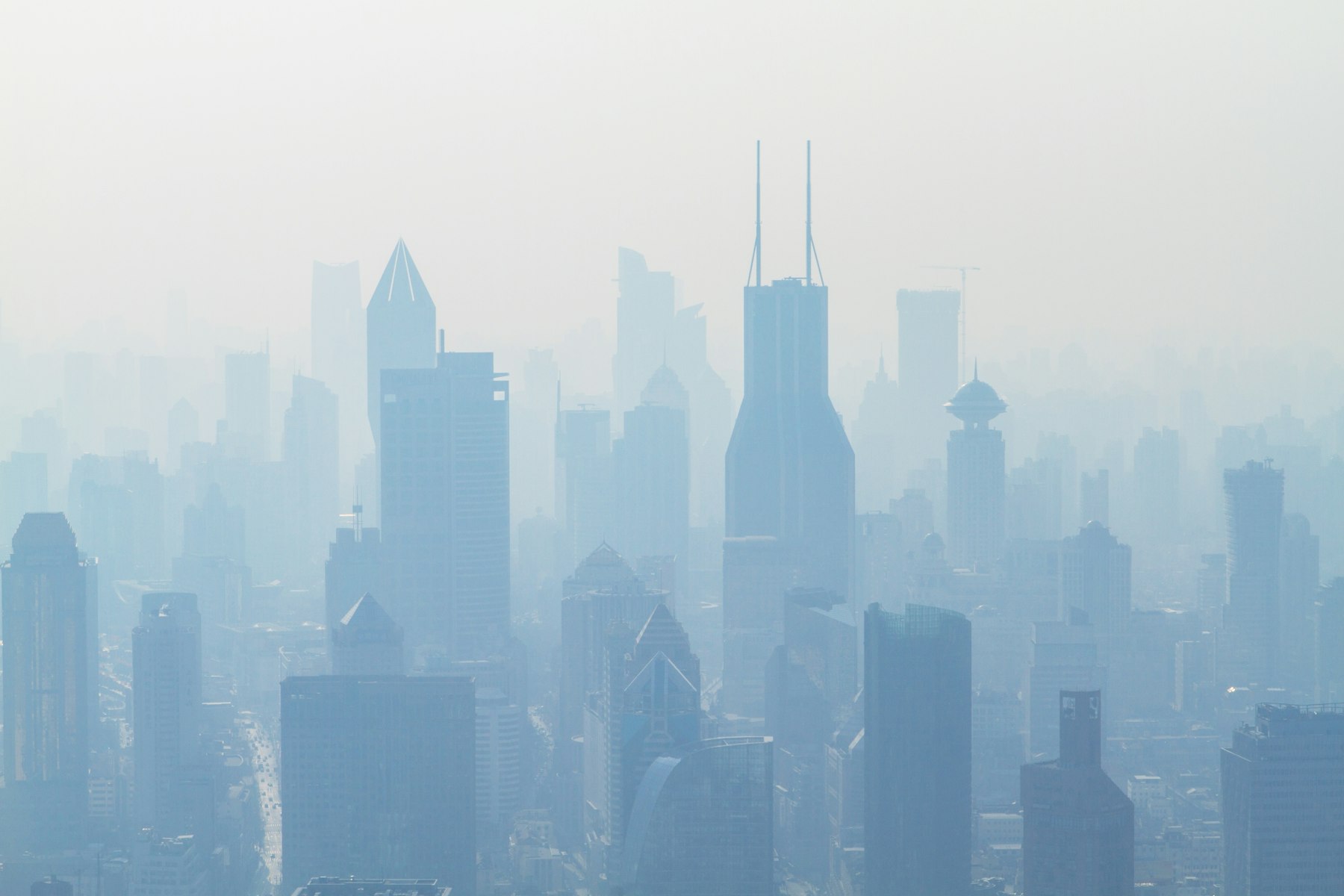
A smoky sky can make the air feel wrong before anyone checks a forecast. The sun may look dim, distant buildings may fade into a gray or orange haze, and a short walk can feel harsher than usual. On other days, the sky may look almost normal while pollution is still building near the ground. That is why the Air Quality Index, or AQI, has become part of daily weather information for many communities. It gives people a simple way to ask a practical question: is the air outside safe enough for normal activity today?
The AQI is not a separate pollutant floating in the air. It is a reporting system that turns measured pollution levels into a number and a color category. The U.S. Environmental Protection Agency uses it to communicate health concern from common outdoor pollutants, especially fine particle pollution and ground-level ozone. Those two pollutants matter because they often drive the most noticeable air quality alerts: smoke from fires, haze from stagnant air, and summertime smog. The number is simple on purpose, but the science behind it is more careful than it may first appear.
What the AQI is actually measuring
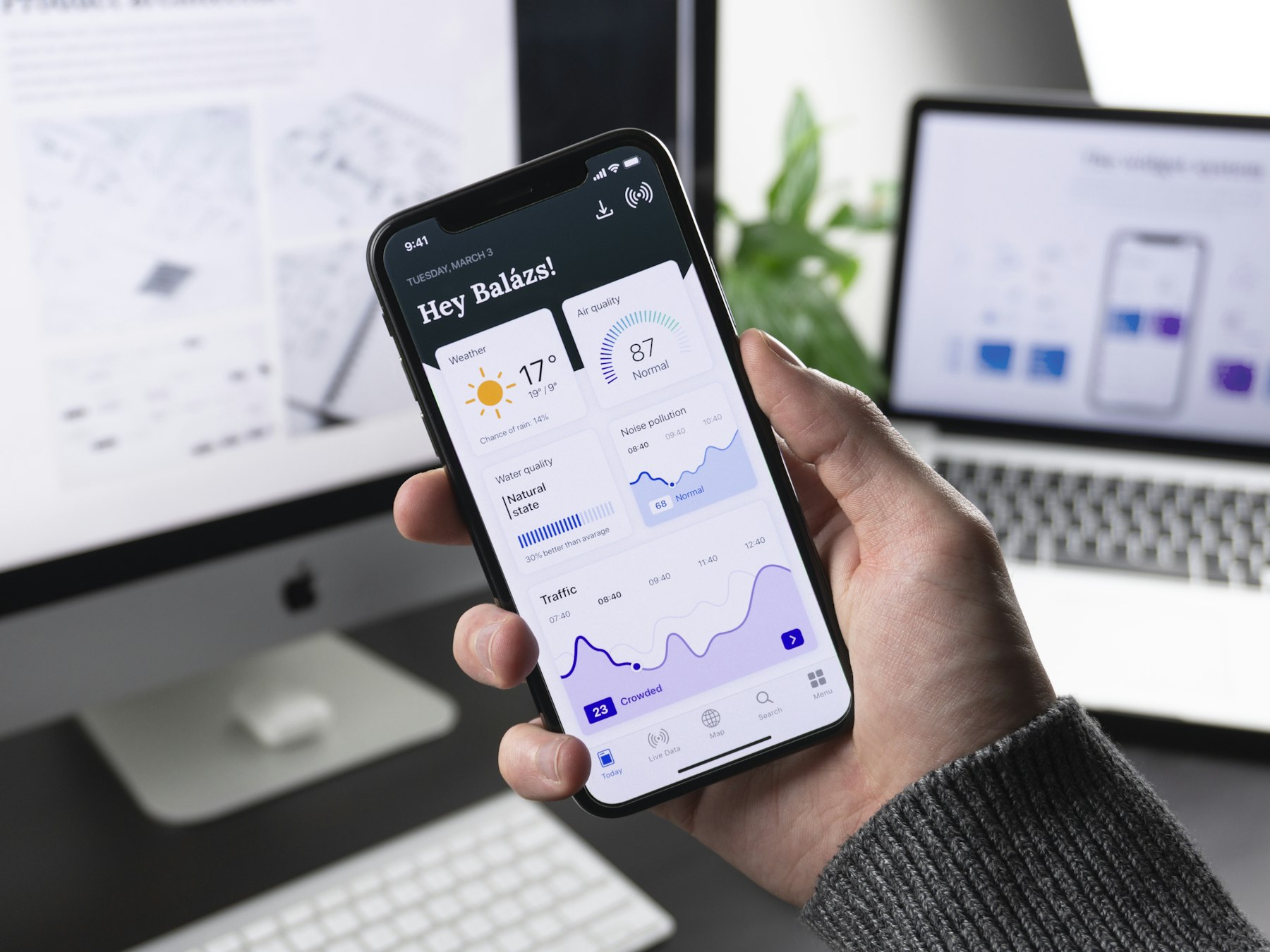
The AQI scale usually runs from 0 to 500. Lower numbers mean cleaner air, while higher numbers mean more pollution and greater health concern. AirNow, the EPA-supported public air quality system, divides the scale into familiar color bands: green for Good, yellow for Moderate, orange for Unhealthy for Sensitive Groups, red for Unhealthy, purple for Very Unhealthy, and maroon for Hazardous. A green day does not mean the air is perfectly pure. It means pollution is low enough that it poses little or no expected risk for most people. A red or purple day means the air has reached a level where many people should change plans, especially if they would be exercising outdoors.
The AQI can be calculated for several pollutants regulated under the Clean Air Act, including ground-level ozone, particle pollution, carbon monoxide, sulfur dioxide, and nitrogen dioxide. In everyday forecasts, ozone and particles are often the stars of the show. Particle pollution includes PM2.5, tiny particles smaller than 2.5 micrometers across, and PM10, larger inhalable particles such as dust. PM2.5 is especially important during wildfire smoke events because the particles are small enough to travel deep into the lungs. Ozone is different: it is a gas that forms near the ground when sunlight drives chemical reactions among other pollutants.
The AQI does not simply add all pollutants together. For each pollutant being monitored, agencies calculate an index value. The public AQI for a location is usually based on whichever pollutant has the highest index value at that time or for that forecast period. That is why a forecast might say the AQI is orange because of ozone on one day and orange because of particles on another. The same color can point to different causes.
Why 100 is an important dividing line
The number 100 on the AQI scale is not random. For each pollutant, an AQI value around 100 generally corresponds to the level of the short-term national health-based air quality standard for that pollutant. In plain language, values at or below 100 are usually considered satisfactory for the general public, though some unusually sensitive people may still notice symptoms. Once the AQI rises above 100, the air begins to move into unhealthy territory, first for sensitive groups and later for everyone.
This is why the orange category, 101 to 150, is worded so carefully. It does not mean everyone outdoors will immediately feel sick. It means people at higher risk should take the reading seriously. Sensitive groups can include children, older adults, people with asthma or other lung diseases, people with heart disease, pregnant people, and people who work or exercise outdoors. During smoky days, the Centers for Disease Control and Prevention also highlights people with conditions such as COPD, diabetes, chronic kidney disease, or heart disease as needing extra caution.
The AQI is built around health effects that can occur within hours or days of exposure. That makes it useful for daily decisions: recess, sports practice, outdoor work, biking, walking a dog, or whether to keep windows closed. It is less useful as a complete measure of every possible long-term air pollution risk. A number that helps someone decide whether to run outside today is not the same thing as a full history of what they have breathed over months or years.
Why smoke can change the number so quickly
Wildfire smoke is one reason the AQI can jump from acceptable to unhealthy with surprising speed. Smoke plumes can travel hundreds or thousands of miles, so a city does not need to be near flames to feel the effects. Winds can bring smoke into a region overnight, push it away by afternoon, and bring it back the next day. Ground-level conditions matter too. Temperature inversions can trap pollution near the surface, while stronger mixing can spread it through a deeper layer of air.
Fine particles are the most obvious smoke concern because they create haze and can irritate the eyes, throat, and lungs. But smoke also carries gases that can help form ozone when sunlight and other pollutants are present. NASA reported on a 2026 study published in Science finding that wildfires have become a major contributor to ground-level ozone across much of the United States. The researchers found that wildfire influence has offset nearly four years of national ozone-control gains, with larger setbacks in parts of the West and Midwest. That matters because ozone is invisible. The sky can look less smoky while the chemistry of the air is still producing health-relevant pollution.
This is the part that often surprises people: smoke is not only a dirty cloud moving from one place to another. It is also a moving chemical mixture. As it travels, sunlight, heat, nitrogen oxides, carbon monoxide, and other compounds can change what is in the air. The AQI gives a usable signal from that complicated process, but the cause behind the number can shift hour by hour.
How to read the color without overreacting or ignoring it
A good way to use the AQI is to match the number to the activity. Sitting outside for a few minutes is not the same as running intervals, playing a soccer match, or spending a full workday outdoors. Exercise increases breathing rate, which can increase the amount of polluted air entering the lungs. On a moderate day, many people can continue normal activity, while unusually sensitive people may shorten intense outdoor exercise. On an orange day, sensitive groups should consider reducing prolonged or heavy exertion. On red or worse days, more people should move strenuous activity indoors or delay it.
The AQI is also easier to use when paired with common sense observations. If the air smells smoky, ash is falling, or visibility is very poor, those clues matter. Sensors and monitors are powerful, but readings can vary by neighborhood, elevation, and time of day. A regional forecast may not capture every street-level condition. During wildfire smoke, official maps such as AirNow’s Fire and Smoke Map can help because they combine monitor data, temporary smoke sensors, and fire information, but even those tools should be read as guidance rather than a perfect personal shield.
The color categories work best when they lead to practical adjustments instead of panic. A family might shift a long bike ride to the morning if ozone is expected to peak later. A school might move recess indoors on a red particle-pollution day. A runner might choose an indoor workout when smoke reaches orange, especially if they have asthma. These choices are not dramatic. They are small ways of reducing exposure when the air is doing more work against the body.
Why indoor air matters on bad outdoor days
When outdoor air quality worsens, the goal is not only to avoid being outside. Outdoor pollution can get indoors through open windows, leaky doors, ventilation systems, and repeated opening and closing of entrances. During smoke episodes, public health agencies often recommend keeping smoke outside as much as possible. That can mean closing windows and doors, using recirculation settings when appropriate, and avoiding indoor activities that add particles, such as burning candles, smoking, or heavy frying.
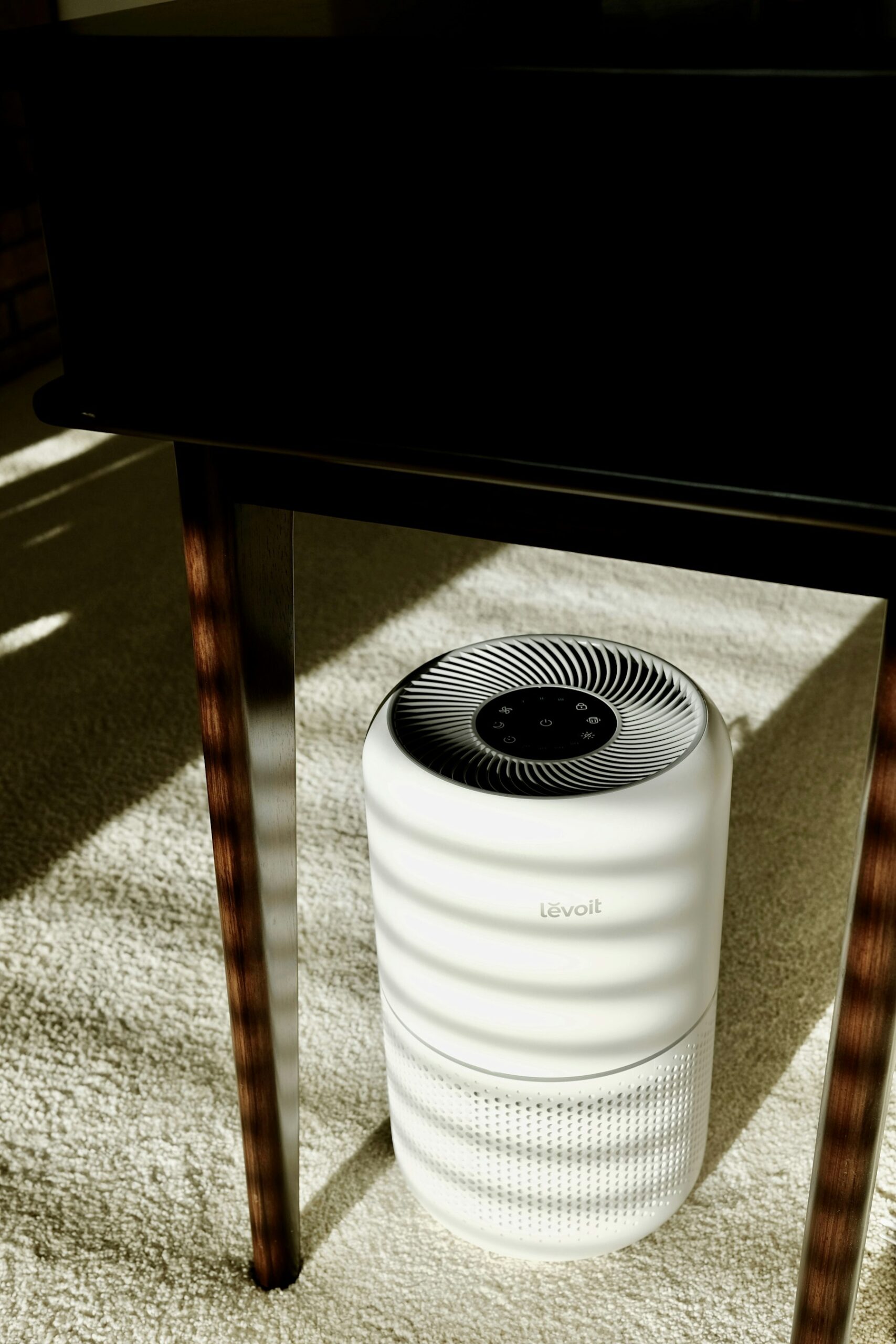
Filtration can make a real difference. The CDC advises using a portable air cleaner or high-efficiency HVAC filtration when possible during smoky conditions. For central systems, filters rated MERV 13 or higher can help if the system can safely use them. A cleaner room, sometimes called a cleaner-air space, can be especially useful for people at higher risk. The point is not to make a home perfect. It is to reduce the total amount of polluted air a person breathes during the worst hours.
Masks can help in limited situations, but only the right kind. A well-fitting NIOSH-approved respirator, such as an N95, can reduce exposure to fine particles when someone must go outside in smoke. Loose cloth masks and simple face coverings do not filter wildfire particles well. Respirators also need to fit properly, which can be difficult for young children and some adults. That is why staying indoors with cleaner air is usually the stronger first step when conditions are truly poor.
What the AQI cannot tell you by itself
The AQI is valuable because it compresses a complex set of measurements into a signal people can act on. Its weakness is the same as its strength: it simplifies. It does not tell you every pollutant in the air, every chemical in wildfire smoke, or how much exposure a specific person has already had. It may not capture short bursts of pollution in a small area, and it cannot know whether someone is resting, sprinting, pregnant, recovering from illness, or working a long shift outside.
It also cannot explain the source of a pollution problem on its own. A high particle reading might come from wildfire smoke, local wood burning, dust, industrial activity, or a combination of sources. A high ozone reading may reflect emissions from vehicles, power plants, oil and gas activity, heat, sunlight, and transported smoke chemistry. For learning and decision-making, the AQI is the front door. Weather patterns, local alerts, satellite smoke maps, and public health guidance add the context.
Still, the AQI is one of the clearest public tools for connecting environmental conditions to daily life. It helps turn invisible or confusing pollution into a shared language: green, yellow, orange, red, purple, maroon. A person does not need to understand atmospheric chemistry to know that a red day calls for different choices than a green one. The deeper understanding helps too. When people know what the number means, what it leaves out, and why smoke and ozone can change so quickly, they can respond with calm attention instead of guesswork.






Add comment