

 Akshay Dinesh
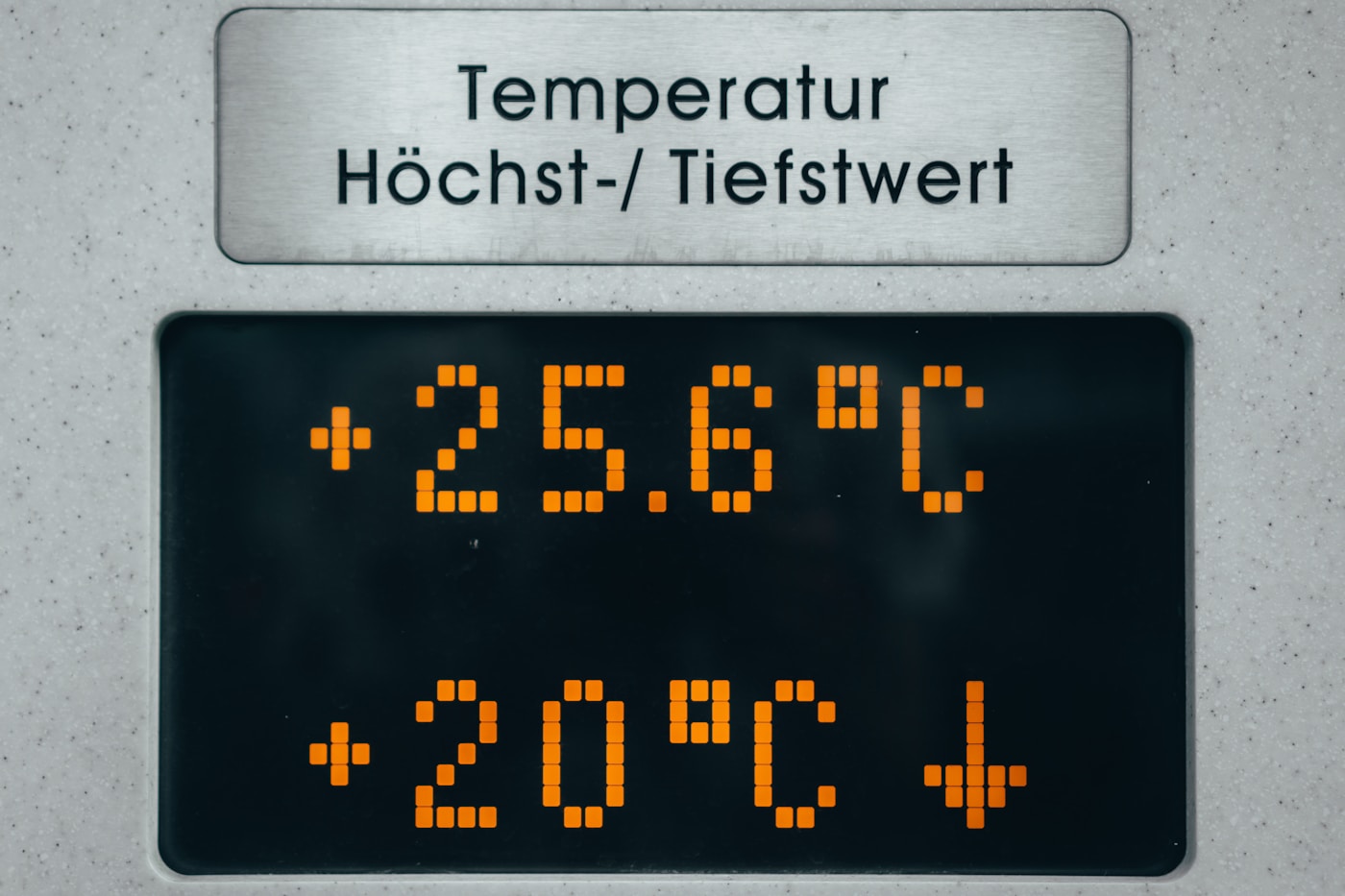
A summer forecast can look ordinary at first glance: 92 degrees, partly sunny, light wind. Then the heat index appears, and the day suddenly looks much more serious. That second number is not a decoration on the weather report. It is an attempt to describe what the air feels like to the human body when heat and humidity work together.
The difference matters because people do not experience temperature the way a thermometer does. A thermometer measures the air around it. A person has to cool a living body that is constantly producing heat, especially while walking, exercising, working outside, or sitting in a warm room without enough airflow. On a humid day, that cooling system can become much less effective, which is why a forecast temperature in the 90s can feel closer to dangerous heat.
Temperature Is Only Part of the Story
Air temperature tells us how warm the air is, but it does not tell us how easily the body can release heat. The body’s main cooling tool is sweat. When sweat evaporates from the skin, it carries heat away, much as water evaporating from a wet sidewalk can cool the surface for a short time.
Humidity changes that process. When the air already holds a lot of water vapor, sweat evaporates more slowly. The skin may feel damp, but the body is not cooling as efficiently. That is why a muggy 90-degree afternoon can feel more draining than a dry 95-degree afternoon, even though the dry day has the higher air temperature.
The National Weather Service defines the heat index as the apparent temperature, or how hot it feels when relative humidity is combined with the actual air temperature. The relationship is not simply a matter of adding a few degrees. As both temperature and humidity rise, the heat index can climb sharply because the body is losing one of its best ways to keep internal temperature under control.
How Humidity Turns Heat Into Stress
Imagine two summer afternoons. On the first, the air temperature is 100 degrees with low humidity. On the second, the temperature is 96 degrees with high humidity. The first sounds hotter, but the second may feel worse because the air is interfering with evaporation. The National Weather Service gives a striking example: when the air temperature is 96 degrees and relative humidity is 65 percent, the heat index can reach 121 degrees.
That number does not mean the air has literally become 121 degrees. It means the body may respond as if it were exposed to much harsher heat. The heart works harder to move blood toward the skin. Sweat glands keep trying to cool the body. Breathing, hydration, clothing, activity level, and shade all begin to matter more.
Humidity is especially tricky because it can make danger feel gradual. A person may not notice one dramatic moment when conditions become unsafe. Instead, fatigue builds, concentration slips, sweat stops cooling well, and the body begins to fall behind. By the time someone feels dizzy or confused, the situation may already be serious.
Why Shade, Sun, and Wind Change the Risk
The heat index is useful, but it has limits. Many heat index charts are based on shady, light-wind conditions. The National Weather Service notes that direct sunshine can make conditions feel up to 15 degrees hotter than the listed heat index. That means two people in the same town can face different levels of heat stress depending on whether one is under trees and the other is on an open sidewalk.
Surfaces matter too. Asphalt, concrete, brick, and dark roofs absorb and release heat, especially in cities and parking lots. A soccer field, bus stop, construction site, playground, or marching band practice area may feel very different from the official reading at a nearby weather station. The air temperature may be the same, but the body’s heat burden is not.
Wind can help when it moves cooler air across the skin and supports evaporation, but it is not always protective. In very hot, dry conditions, strong wind can act more like the blast from an oven, increasing heat stress and dehydration. That is one reason forecasters, coaches, outdoor workers, and event planners may look beyond the heat index when conditions are intense.
HeatRisk and Other Tools Add More Context
The heat index is not the only tool used to understand hot weather. The National Weather Service also uses HeatRisk, a forecast tool that considers how unusual the heat is for a specific location, the time of year, whether the heat lasts for multiple days, and whether warm nights prevent the body from recovering. Early-season heat can be especially risky because people may not be acclimated yet.
Another measure, wet bulb globe temperature, includes temperature, humidity, wind, sun angle, and solar radiation. It is often useful for athletes, outdoor workers, marching bands, and others who are active in heat. A runner, landscaper, lifeguard, or football player may need more detailed guidance than the air temperature alone can provide.
These tools point to the same larger idea: heat risk depends on the body, the place, and the activity. A healthy adult sitting in shade with water nearby faces a different situation from a child on a sunny playground, an older adult in an apartment without cooling, or a worker carrying heavy materials in direct sun.

What High Heat Does to the Body
Heat illness begins when the body cannot cool itself fast enough. The Centers for Disease Control and Prevention identifies older adults, young children, and people with chronic medical conditions as groups at higher risk during extreme heat. The World Health Organization also warns that heat can strain the heart and kidneys and worsen risks for people with cardiovascular, respiratory, mental health, and diabetes-related conditions.
Heat cramps, heat exhaustion, and heatstroke are not simply three names for feeling hot. They describe increasing levels of stress on the body. Cramps can occur when muscles lose fluid and salts during heavy sweating. Heat exhaustion may bring heavy sweating, weakness, headache, nausea, cool or clammy skin, and dizziness. Heatstroke is a medical emergency because the body’s temperature control system is failing.
One reason heat can be dangerous is that it attacks judgment as well as comfort. People may keep going because they want to finish a game, complete a shift, mow a lawn, or reach the end of a hike. But heat stress often makes thinking slower and decision-making worse. The safer choice is usually to adjust early, before symptoms become obvious.
Reading a Hot Forecast More Wisely
A good heat forecast should be read like a set of clues. Start with the air temperature, then check the humidity and heat index. Look for whether the heat will last more than one day and whether nighttime temperatures will stay high. Warm nights matter because the body and indoor spaces may not cool down enough before the next afternoon begins.
Next, think about the actual setting. Will the activity happen in full sun or shade? Is there airflow? Is the surface grass, water, concrete, or asphalt? Will people be resting, walking, running, lifting, or wearing heavy clothing or equipment? A heat index that seems manageable for a short walk may be unsafe for a long practice or outdoor job.
- Check the heat index, not just the temperature. Humidity can turn a hot day into a much more stressful one.
- Watch the timing. Midday and afternoon heat often bring the highest risk, especially in direct sun.
- Plan for shade and breaks. Cooling time is not wasted time; it is part of staying functional.
- Pay attention to vulnerable people. Children, older adults, people with health conditions, and people without reliable cooling may need extra support.
- Treat confusion, fainting, or very high body temperature as urgent. Heatstroke requires immediate medical help.
The heat index is not perfect, but it gives people a better warning than temperature alone. It reminds us that weather is not just something happening outside the body. It is something the body has to manage every minute. On the hottest days, understanding that difference can turn a forecast from a number into a decision-making tool.






Add comment