
 Akshay Dinesh
A shell can look like a simple hard covering, but it is really a record of chemistry. Oysters, clams, corals, sea urchins, and some tiny plankton build their protective structures by pulling dissolved materials from seawater. When that water changes, the job becomes harder. Ocean acidification is one of those changes: it does not make the sea suddenly turn into acid, but it does make seawater less alkaline, which matters greatly to organisms that depend on calcium carbonate.
The issue has become more visible because scientists are now measuring ocean chemistry with better instruments across wider areas. In June 2026, NOAA launched coastwide ocean acidification research missions along both U.S. coasts to track changing chemistry and effects on marine resources. That kind of monitoring matters because ocean acidification is mostly invisible from the shore. A beach can look normal while the chemistry that helps shells form is shifting beneath the surface.
The Carbon Dioxide Path Into Seawater
The ocean naturally exchanges gases with the atmosphere. When carbon dioxide in the air rises, more of it dissolves into surface seawater. Some of that dissolved carbon dioxide reacts with water to form carbonic acid, a weak acid that quickly breaks apart into hydrogen ions and bicarbonate ions. Those extra hydrogen ions are the key part of the problem because they lower pH and change which dissolved carbon compounds are available.
On the pH scale, seawater is still basic, usually around a little above 8 rather than below 7. The confusing part is that the pH scale is logarithmic, so a small numerical drop represents a much larger chemical change. NOAA’s ocean acidification materials commonly explain that the average surface ocean has shifted from about 8.2 before large-scale industrial carbon emissions to about 8.1 today, which represents roughly a 26 to 30 percent increase in acidity. The number looks small; the biological effect can be much larger.
That change does not happen evenly everywhere. Coastal waters can acidify faster or more sharply because river runoff, upwelling, pollution, decaying organic matter, and local circulation all affect chemistry. Deep, cold water naturally contains more dissolved carbon dioxide, so when it rises toward the surface along some coasts, shell-building organisms may face more difficult conditions even before long-term climate trends are added.
Why Carbonate Ions Matter
Many marine shells and skeletons are made of calcium carbonate. To build calcium carbonate, organisms need calcium ions and carbonate ions from seawater. Calcium is usually abundant, but carbonate availability is more sensitive to acidification. When more hydrogen ions enter the system, they bond with carbonate ions and turn them into bicarbonate. That leaves fewer carbonate ions available for shell-building.
For an oyster larva or a coral polyp, this is like trying to build a brick wall while the supply of bricks keeps shrinking. The organism may still build, but it must spend more energy to do so. In stressful conditions, that energy tradeoff can mean slower growth, thinner shells, weaker skeletons, or lower survival. Some species can adjust better than others, but adjustment is not free.
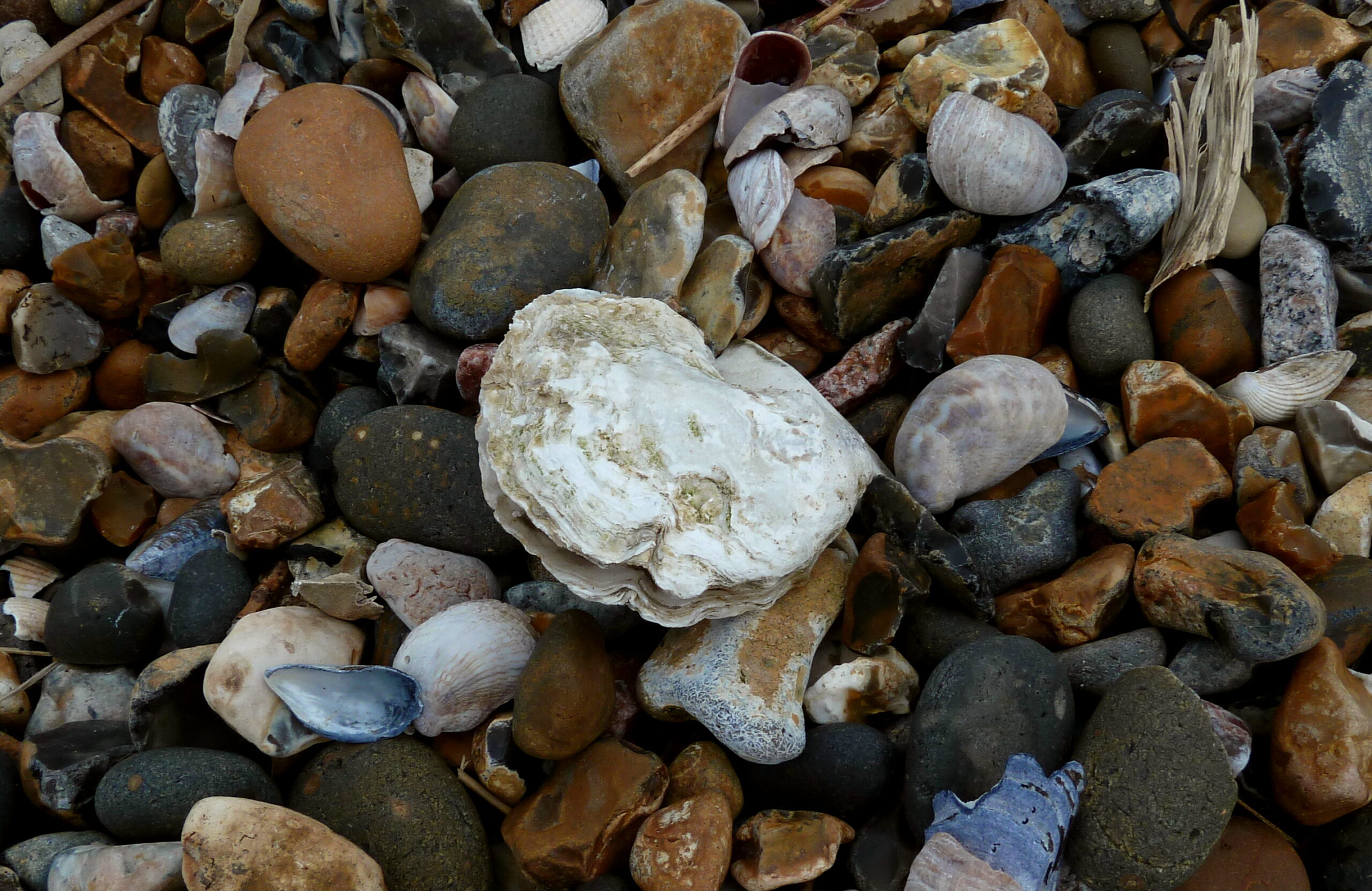
Scientists often pay close attention to aragonite, one form of calcium carbonate used by corals, pteropods, and some other organisms. When seawater has a healthy aragonite saturation state, building and maintaining calcium carbonate is easier. When that saturation state drops, shells and skeletons become harder to make and easier to dissolve. This is why ocean acidification is often discussed alongside coral reefs and shellfish farms, even though the chemistry affects many parts of marine food webs.
The Small Organisms That Reveal a Big Change
Some of the most important evidence comes from organisms many people never see. Pteropods, sometimes called sea butterflies, are tiny swimming snails with delicate calcium carbonate shells. They are eaten by fish and other animals, so changes to their shells can ripple through food webs. NOAA-led research off the U.S. West Coast has documented shell dissolution in pteropods, making them useful indicators of acidification in real ocean conditions rather than only in laboratory experiments.
Shellfish provide another clear example. Oysters and clams are especially vulnerable in their earliest life stages, when they must begin building shells quickly. In the Pacific Northwest, hatcheries have had to monitor and manage seawater chemistry because young oysters can struggle when incoming water is more corrosive. This does not mean every oyster bed is doomed, but it shows that acidification is not an abstract future idea. It is already something some coastal industries must measure and adapt to.
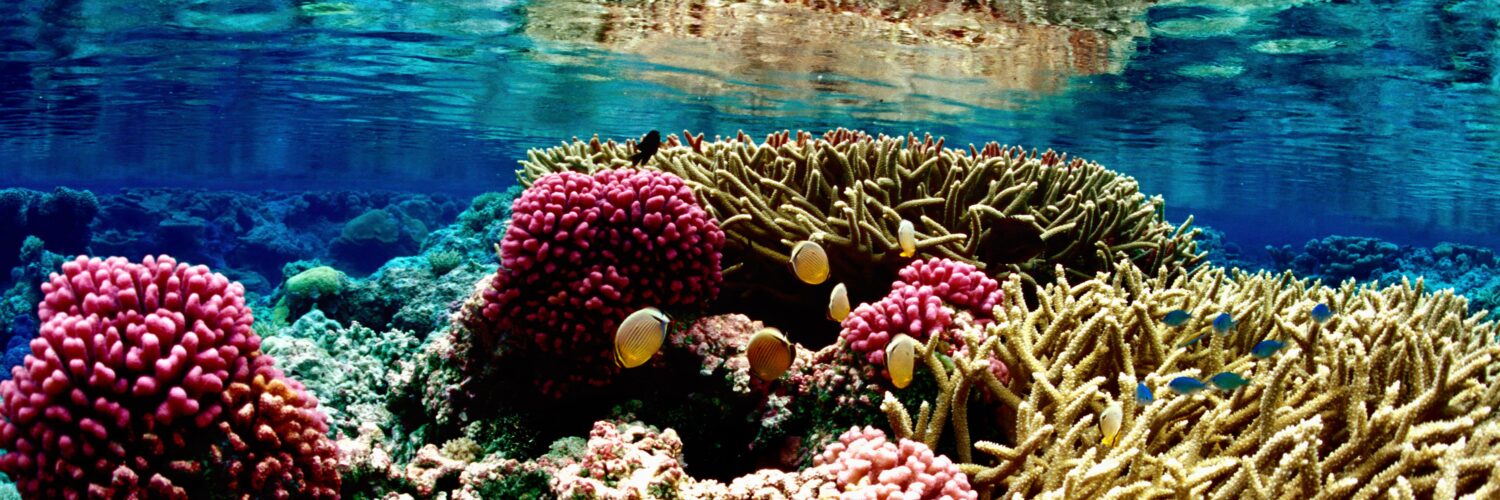
Coral reefs face a related challenge. Corals are living animals that build calcium carbonate skeletons over time, forming the structure that supports reef ecosystems. Acidification can slow the rate at which corals add skeleton, while warming seas can cause bleaching and other stress. When both pressures occur together, reefs may have less time and energy to recover from storms, heat waves, pollution, or disease.
Why Acidification Affects More Than Shells
The shell-building problem is the easiest part to picture, but ocean acidification reaches farther. Marine organisms interact through food chains, habitat, competition, and reproduction. If tiny shelled plankton decline in a region, the animals that feed on them may need to shift diets or locations. If coral reefs grow more slowly, fish and invertebrates that use reef structure for shelter may lose habitat complexity over time.
There are also human connections. Shellfish support local food systems, fisheries, restaurants, and coastal jobs. Reefs can protect shorelines by reducing wave energy, while also supporting tourism and biodiversity. When ocean chemistry changes, the impact is not limited to animals with shells; it can reach communities that depend on healthy coastal ecosystems.
Recent research has raised concern that acidification is more widespread than earlier estimates suggested. NOAA reported in 2025 that an international team found ocean acidification had significantly compromised about 40 percent of the global surface ocean. The exact effects vary by region and depth, but the direction of change is clear enough that scientists now treat acidification as one of the major chemical shifts shaping the future ocean.
What Scientists Measure
Ocean acidification is not tracked with one simple measurement. Researchers look at pH, dissolved inorganic carbon, total alkalinity, carbon dioxide levels, temperature, salinity, oxygen, and saturation states for minerals such as aragonite and calcite. Together, these measurements show how much carbon the water holds and how available shell-building materials are.
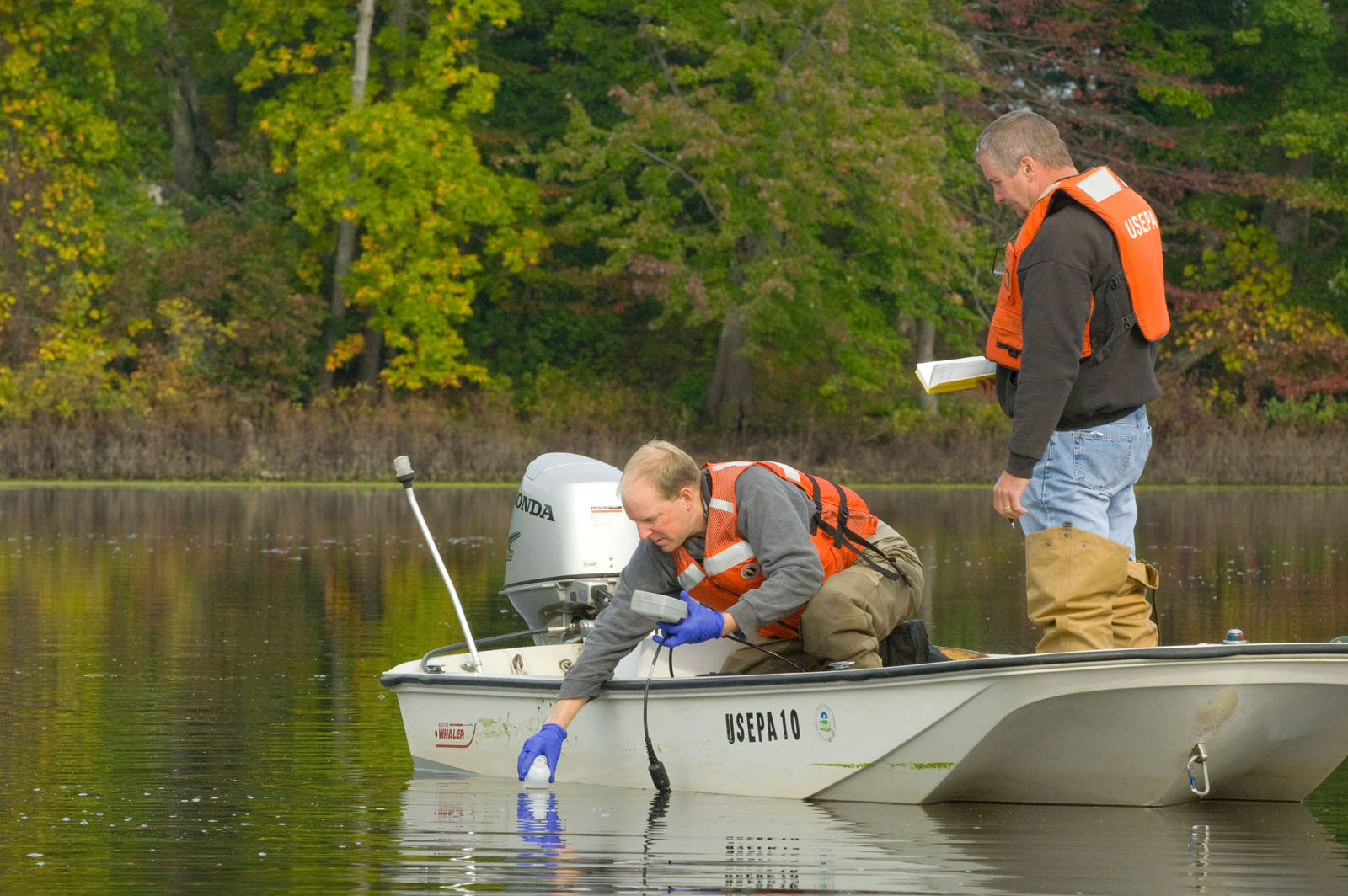
Field measurements are essential because coastal waters can change from season to season, day to night, and even with tides. A single water sample can be useful, but long-term monitoring reveals patterns. Research cruises, buoys, laboratory experiments, and data systems all help scientists connect chemistry with biological effects. That is why monitoring missions are not just technical exercises; they are how communities learn where risks are growing fastest.
Laboratory studies add another piece of the puzzle. Researchers can raise organisms under different carbon dioxide and pH conditions to see how growth, shell thickness, behavior, reproduction, or survival changes. These experiments help separate acidification from other pressures, though real ecosystems are messier. In the ocean, acidification often acts alongside warming, low oxygen, pollution, and habitat loss.
How the Ocean Can Be Protected
Because ocean acidification is driven mainly by excess carbon dioxide, reducing carbon emissions is the most direct long-term response. Local actions still matter. Coastal communities can reduce nutrient pollution that fuels algal blooms and later decay, because that decay can add carbon dioxide to local waters. Protecting seagrasses, wetlands, and kelp habitats may help some coastal areas buffer chemistry while also supporting wildlife and shoreline resilience.
Shellfish growers and coastal managers are already using practical tools. Some hatcheries monitor incoming seawater and adjust timing or treatment to protect young shellfish during vulnerable stages. Marine protected areas, habitat restoration, and better water-quality management cannot stop global acidification by themselves, but they can reduce the number of stresses hitting an ecosystem at once.
The central idea is simple: shells are not separate from the water around them. They are built from it. When seawater chemistry changes, the costs of survival change for many organisms, from microscopic plankton to reef-building corals. Ocean acidification is a quiet process, but it teaches a loud lesson about connection. The chemistry of the air, the chemistry of the sea, and the lives of coastal communities are part of the same system.




Add comment