

 Rishay Dinesh
Jet Lag and the Body
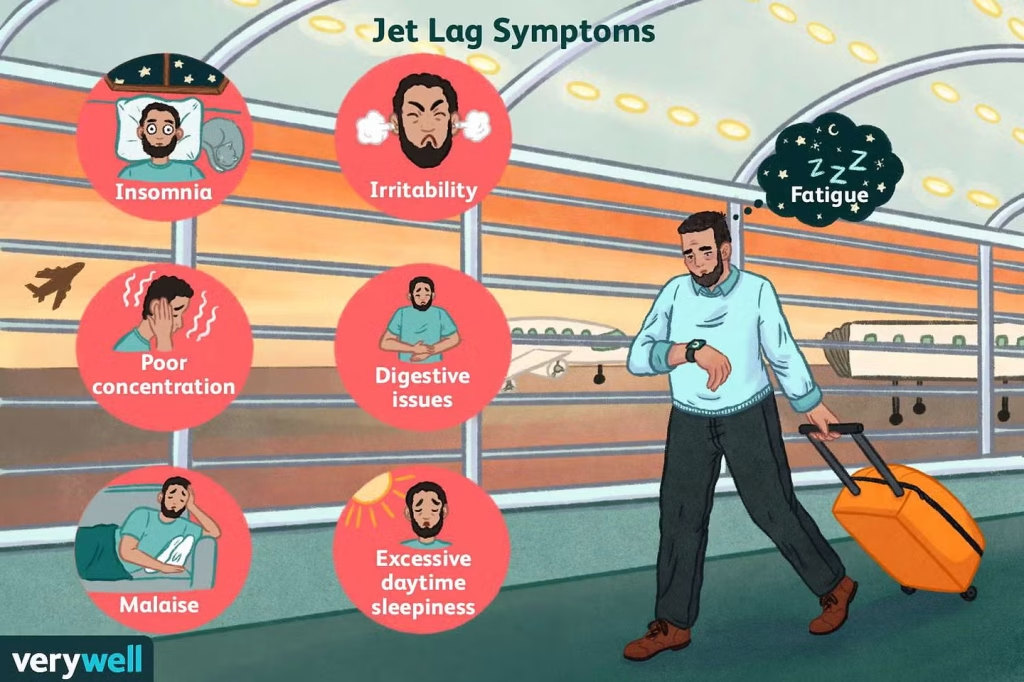
Jet lag affects the body because traveling across multiple time zones disrupts the circadian rhythm, which controls sleep, hunger, hormones, and focus. Sudden changes in light cues confuse the brain, causing fatigue, headaches, irritability, and slower thinking. Travelers often notice that even simple tasks feel more difficult, and mental clarity is reduced, particularly in the first few days after arrival.
Symptoms appear quickly because the circadian rhythm reacts strongly to sudden changes in daylight. The body may take several days to fully realign, during which sleep feels out of sync and alertness fluctuates. Some travelers also experience temporary digestive issues or reduced appetite as the body adjusts.
Understanding these effects emphasizes why gradual adjustments to sleep schedules and exposure to light are essential for minimizing discomfort during travel.
The Mismatch Between Internal and External Time
When internal time does not match the external environment, hormones regulating hunger, energy, and sleep fall out of sync. This misalignment can make meals, exercise, and rest feel unusual, and it can impact mood and mental performance.
Scientists study these effects to understand how biological rhythms influence physiology and how travelers can adapt more effectively. By observing the mismatch, strategies like controlled light exposure, timed meals, and planned rest can be implemented to reduce fatigue and improve adjustment.
How the Suprachiasmatic Nucleus Controls Sleep Patterns
The suprachiasmatic nucleus (SCN) is a tiny cluster of neurons in the hypothalamus that acts as the master clock of the body. It receives light information from the eyes and uses it to regulate circadian rhythms, influencing hormone release, body temperature, and energy levels throughout the day.
Traveling across time zones disrupts the SCN because it must interpret an entirely new light-dark cycle. Bright sunlight helps reset the SCN faster, while darkness triggers sleep hormones. Misalignment can cause grogginess, irritability, and reduced focus.
Over several days, the SCN gradually shifts the body’s rhythm to synchronize with the new environment. This coordination is crucial because it affects multiple physiological systems simultaneously.
Why Melatonin Influences Tiredness After Long Flights
Melatonin is a hormone produced by the pineal gland that signals the body to prepare for rest. Darkness triggers its release, while light suppresses it, helping regulate the sleep-wake cycle.
After long flights, melatonin is often released at the wrong times because the internal clock remains aligned with the previous time zone. Travelers may feel sleepy during the day or struggle to sleep at night. Morning sunlight helps reduce melatonin levels and gradually resets the circadian rhythm, while supplements can accelerate adjustment.
Melatonin works in tandem with other circadian signals, such as body temperature and hormone cycles, to determine periods of alertness and rest. This complex interplay is critical in managing jet lag effectively.
Why Flight Direction Changes Jet Lag Severity
The direction of travel significantly influences jet lag severity. Westbound flights generally cause milder symptoms because the circadian rhythm adjusts more easily to a lengthened day, allowing the body to adapt gradually.
Eastbound flights shorten the day, forcing earlier sleep and wake times, which is harder for most people to accommodate. Humans naturally have a slight delay in circadian rhythms, making early bedtimes more difficult to achieve.
Understanding the role of flight direction helps travelers plan light exposure, meal timing, and rest strategically to minimize discomfort and fatigue.
How Airplane Conditions Intensify Jet Lag
Airplane cabins worsen jet lag due to low humidity, limited oxygen, and prolonged periods of sitting. Dry air dehydrates the body, slowing mental function and reducing energy, while low oxygen levels can further weaken alertness.
Sitting for long hours reduces circulation, stiffens muscles, and delays recovery, and environmental factors like engine noise, artificial lighting, and turbulence interfere with rest. Night flights are particularly challenging because cabin lighting prevents the brain from receiving natural circadian signals.
Hydration, movement breaks, and scheduled rest can help alleviate these effects. Airlines are increasingly experimenting with cabin lighting that mimics natural sunlight patterns to support circadian adjustment.
How Time Zone Changes Affect Body Temperature Cycles
Body temperature naturally rises during the day and drops at night as part of the circadian rhythm. Travel across time zones disrupts this cycle, making travelers feel cold or warm at unusual times.
Exercise and exposure to morning sunlight help restore normal temperature rhythms by signaling alertness and energy to the body.
Over time, the body realigns its temperature cycle with the local schedule, improving sleep and daily activity patterns. Temperature rhythms interact closely with hormone cycles, making them essential for alertness and performance.
Why Food Timing Influences Recovery From Jet Lag
Meal timing influences circadian rhythms because digestion, hunger, and insulin release follow daily cycles. Eating at incorrect times can cause nausea, stomach discomfort, and fatigue.
Aligning meals with the new time zone helps reset digestive rhythms and supports energy throughout the day. Protein-rich breakfasts increase alertness, while lighter dinners promote better sleep.
Coordinating meal timing with light exposure, sleep, and exercise accelerates adaptation and reduces the impact of jet lag.
Why Athletes Track Jet Lag More Than Regular Travelers
Athletes are highly sensitive to jet lag because even minor disruptions in sleep, hormone cycles, or temperature can impact strength, reaction time, and coordination.
Teams often arrive days early to adjust to the local time zone, planning light exposure, meals, and training schedules carefully. Coaches monitor hydration, digestion, and rest to ensure peak performance is maintained.
Even small misalignments can reduce accuracy and endurance, making meticulous planning essential.
How Teens Experience Jet Lag Differently
Teenagers naturally have later circadian rhythms, meaning they stay awake later and struggle with early sleep times. Eastbound flights exacerbate this tendency, while westbound travel is often easier because it lengthens the day.
Morning sunlight exposure and limiting evening screen time can help shift teens’ internal clocks earlier. Families and coaches who understand these rhythms can plan travel, school, and training schedules to minimize jet lag effects.
How Technology Helps Travelers Reduce Jet Lag
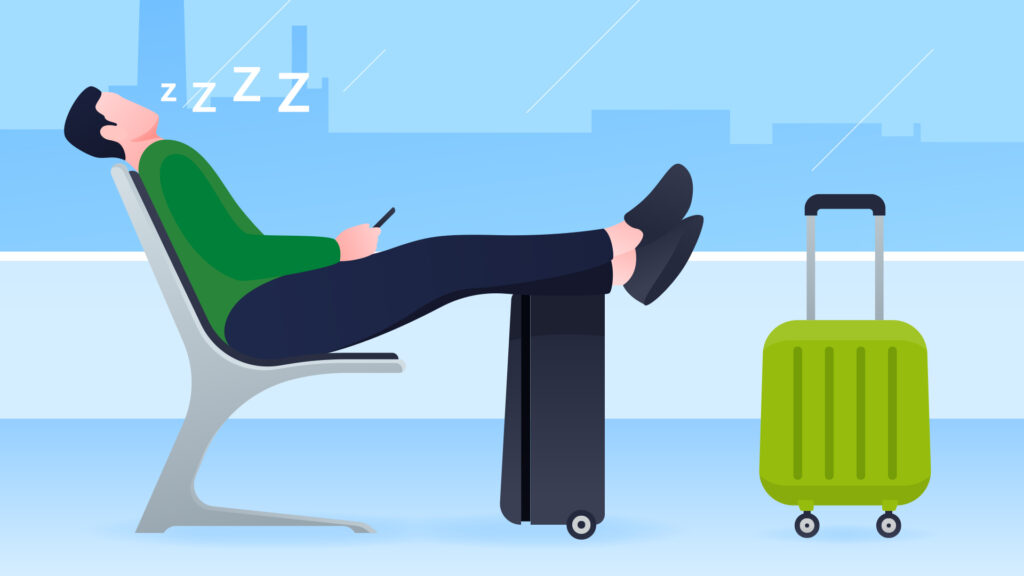
Modern technology allows travelers to manage jet lag more effectively by tracking sleep, light exposure, body temperature, and heart rate.
Apps can suggest optimal times to seek sunlight or darkness to reset the circadian clock, while wearable devices monitor sleep quality and physiological rhythms. Smart glasses and adaptive cabin lighting can mimic natural sunrise and sunset, helping regulate melatonin and support faster adaptation.
Using these tools strategically, combined with timed meals, rest, and exercise, allows travelers to recover more quickly and reduce fatigue associated with crossing time zones.





Add comment