
 Akshay Dinesh
On a humid day, an air conditioner can seem to be doing two jobs at once. It cools the room, but somewhere outside, under a window unit, or beside a drain line, water begins to drip. That water does not come from a hidden tank inside the machine. It comes from the air itself, because warm indoor air often carries invisible water vapor that turns into liquid when it touches something cold enough.
The same basic idea explains dew on grass, fogged bathroom mirrors, and droplets on a cold glass of water. Air can hold water vapor, but only up to a point. When air is cooled below its dew point, some of that vapor has to leave the air and become liquid. An air conditioner creates exactly the kind of cold surface that makes this happen.
The Water Starts as Invisible Vapor
Indoor air is not just a mix of nitrogen, oxygen, and dust. It also contains water vapor, even when the room does not feel especially damp. Cooking, showers, breathing, houseplants, outdoor air leaks, and humid weather all add moisture to the air. On a summer afternoon, a room may feel uncomfortable not only because the air is hot, but because sweat has a harder time evaporating when the air is already carrying a lot of water vapor.
This is why humidity changes comfort so strongly. The National Weather Service defines dew point as the temperature at which air becomes saturated with water vapor. A higher dew point means the air contains more actual moisture. When a surface is colder than the dew point of the air touching it, droplets can form because the air right next to that surface can no longer keep all of its vapor in gas form.
An air conditioner makes use of that physics without announcing it. The machine pulls warm room air across a cold indoor coil. As the air gives up heat, its temperature drops. If it drops low enough, the water vapor in that air condenses on the coil instead of staying mixed into the room.

The Cold Coil Does the Work
The indoor coil of an air conditioner is usually called the evaporator coil. The name sounds backwards at first, because water is condensing on it, not evaporating from it. The term refers to what happens to the refrigerant inside the coil. As refrigerant evaporates inside the tubing, it absorbs heat from the air blowing over the coil. That heat is later released outdoors through the condenser coil.
The Department of Energy describes this as a heat-moving process rather than a cold-making process. The air conditioner does not create cold from nothing. It moves heat from inside the building to outside the building. The refrigerant, compressor, evaporator coil, condenser coil, and fan all work together to keep that heat transfer going.
Because the evaporator coil is cold, it becomes the place where moisture drops out of the air. Water beads on the metal fins and tubing, gathers into larger droplets, and runs down into a drain pan. From there, it usually flows through a condensate drain line. In a window unit, some of the water may drip outside, while some may splash against the outdoor coil and help release heat more efficiently.
The water is real evidence that the air has been dried as well as cooled. That matters because a room at 75 degrees Fahrenheit can feel pleasant or sticky depending on how much moisture remains in the air. Cooling the air without removing enough moisture can leave a space clammy, even when the thermostat says the temperature is lower.
Cooling and Dehumidifying Are Linked
Air conditioners and dehumidifiers are close relatives. Both use cold coils to remove moisture from air. A dehumidifier usually returns the heat to the room after collecting water, so the room becomes drier but not necessarily cooler. An air conditioner sends much of that heat outdoors, so the room becomes both cooler and drier.
ENERGY STAR notes that dehumidification depends on how long equipment runs. If an air conditioner is oversized for the space, it may cool the room quickly and then shut off before enough moisture has condensed and drained away. The thermostat may be satisfied, but the room can still feel damp. That is one reason bigger equipment is not automatically better.
This also explains why short bursts of cooling sometimes feel less comfortable than steady operation. Moisture removal takes time. The coil has to stay cold, air has to keep moving across it, droplets have to collect, and water has to drain. When the cycle stops too soon, some moisture can remain in the air or even re-evaporate from the wet coil.
In very humid climates, even a properly sized system can struggle to keep indoor humidity comfortable during mild but muggy weather. The air may not be hot enough to make the air conditioner run for long periods, yet it may still contain plenty of moisture. That is why some buildings use separate dehumidification, variable-speed equipment, or controls designed to manage humidity more carefully.
What the Dripping Water Can Tell You
A normal amount of condensate is expected. In fact, no water at all during hot, humid operation can be a clue that the system is not removing much moisture, though the meaning depends on the equipment and weather. On the other hand, water in the wrong place is not normal. A drain pan, drain line, or window-unit outlet is meant to guide condensation away from walls, ceilings, floors, and electrical parts.
The science is simple, but the plumbing details matter. If the drain line clogs with dust, algae, or debris, water can back up. If a unit is tilted the wrong way, water may flow indoors instead of outdoors. If airflow is blocked by a dirty filter or closed vents, the coil can become too cold and may even ice over, which creates a different water problem when the ice melts.
That does not mean every drip is an emergency. Outdoor dripping from a window unit on a humid day is often just condensation leaving the machine. A small puddle near an outdoor condensate drain can be ordinary. The warning sign is water appearing where it can damage the building or where it suddenly changes from a steady, expected drain pattern to leaking inside.
Why Humidity Makes the Same Temperature Feel Different
The water coming from an air conditioner is also a reminder that temperature is only part of comfort. Human bodies cool themselves partly by evaporating sweat. When air is dry enough, sweat evaporates more readily and carries heat away from the skin. When air is humid, evaporation slows, so the same room temperature can feel warmer and heavier.
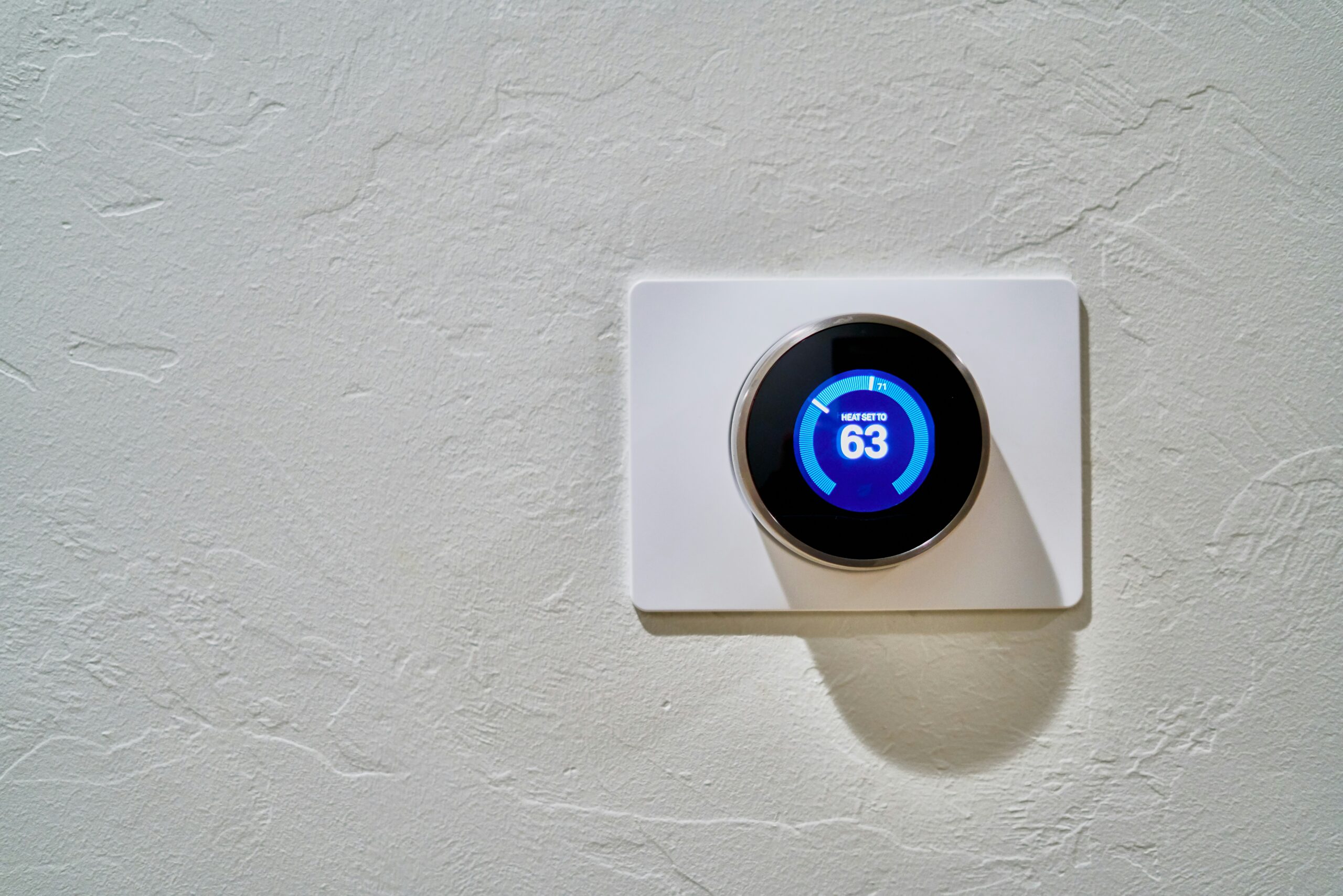
This is why a thermostat alone can be misleading. A room cooled to 74 degrees with high humidity may feel less comfortable than a room at 76 degrees with better moisture control. The difference is not imagination. It comes from the way heat transfer and evaporation work at the surface of the skin.
Air conditioners improve comfort by lowering both the air temperature and the amount of water vapor in the room. The first effect is easy to notice because the air feels cooler almost immediately. The second effect is quieter but often just as important. After enough moisture drains away, fabrics feel less damp, the air feels less heavy, and the room can become comfortable without pushing the thermostat as low.
That connection is also why energy use and humidity are tied together. Setting the thermostat extremely low may remove more moisture, but it can also waste energy and make surfaces colder than necessary. Better airflow, a clean filter, a properly sized system, shaded windows, and reasonable thermostat settings can all help the system do its work without treating the thermostat like the only tool available.
A Small Drip With a Big Explanation
The water from an air conditioner is not a strange byproduct. It is a visible sign of a phase change: water vapor becoming liquid because warm humid air met a cold coil. The machine is moving heat outdoors, but along the way it is also pulling moisture out of the indoor air.
That small drip connects several useful ideas at once: dew point, condensation, heat transfer, humidity, and comfort. It shows why summer air can feel heavy, why cold surfaces collect droplets, and why cooling a room well is not only about lowering the number on the thermostat. A good air conditioner makes a room feel better because it changes both the heat in the air and the water hidden inside it.





Add comment