 Akshay Dinesh
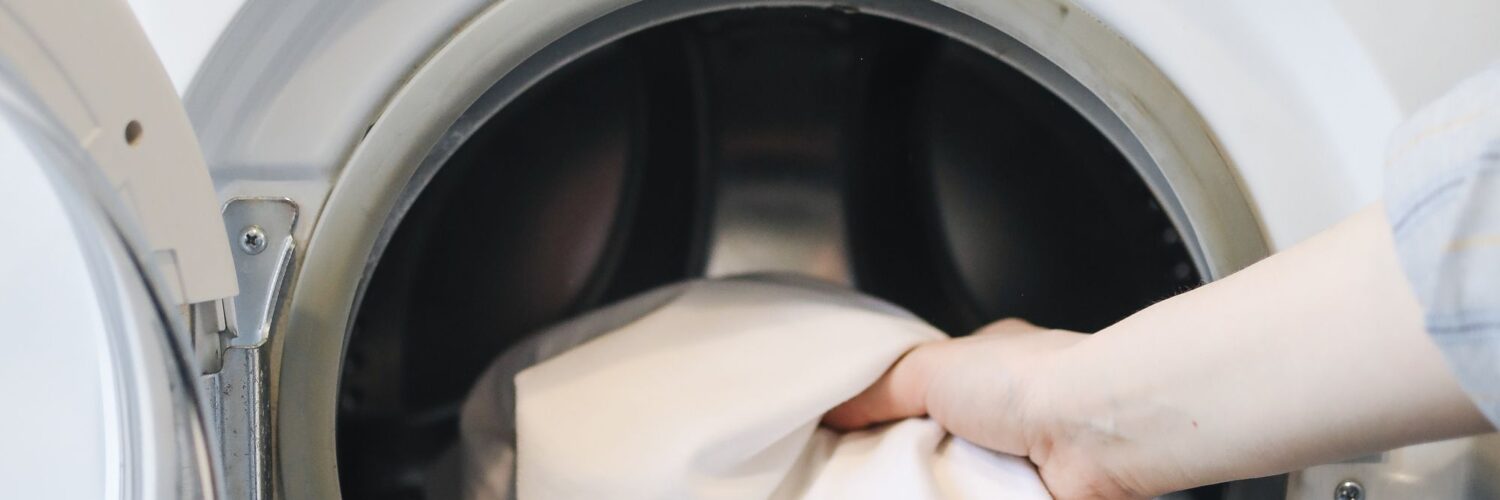
A load of laundry looks ordinary from the outside: water runs, fabric tumbles, detergent dissolves, and clean clothes come out at the end. Hidden inside that routine is a smaller movement that is much harder to see. As shirts, leggings, fleece jackets, athletic wear, and other fabrics rub against one another, tiny threads can break loose. Some are natural fibers such as cotton or wool. Others come from synthetic materials such as polyester, nylon, acrylic, and spandex, which are made from plastic polymers.
Those plastic threads are called synthetic microfibers. They are a type of microplastic, usually far too small to notice in the wash water. Once they leave the machine, they travel with wastewater toward pipes, treatment plants, rivers, lakes, and sometimes the ocean. The problem is not that one sweater ruins a watershed. The problem is scale. Modern wardrobes contain a large amount of synthetic fabric, and laundry happens again and again in millions of homes, dorms, laundromats, hotels, hospitals, and athletic facilities.
Why Clothes Shed Fibers in the Wash
Fabric is built from fibers twisted, woven, knitted, brushed, or bonded into a usable material. During washing, that structure is pushed through water, stretched, compressed, and rubbed. Loose fiber ends can snap off, especially when a garment is new, loosely constructed, heavily worn, or made with a fuzzy surface. A fleece sweatshirt sheds differently from a smooth nylon shell because its raised fibers have more surface area exposed to friction.
Synthetic fibers matter because they do not behave like a leaf, a bit of food, or a cotton thread in the environment. Polyester and nylon are durable by design. That durability is useful when clothing needs to survive repeated wear, sweat, stretching, and washing. It becomes a problem when tiny pieces escape into water systems, where they can persist long after the laundry is finished.
The European Environment Agency has described textile microfibers as a pollution source across the whole clothing life cycle, from manufacturing to wearing to washing to disposal. Washing receives so much attention because it gives fibers a direct route into wastewater. The same briefing notes that microfibers are released most heavily during early washes for many textiles, while aging and worn fabric can also shed more as its structure weakens.
How Microfibers Move From Machines to Waterways
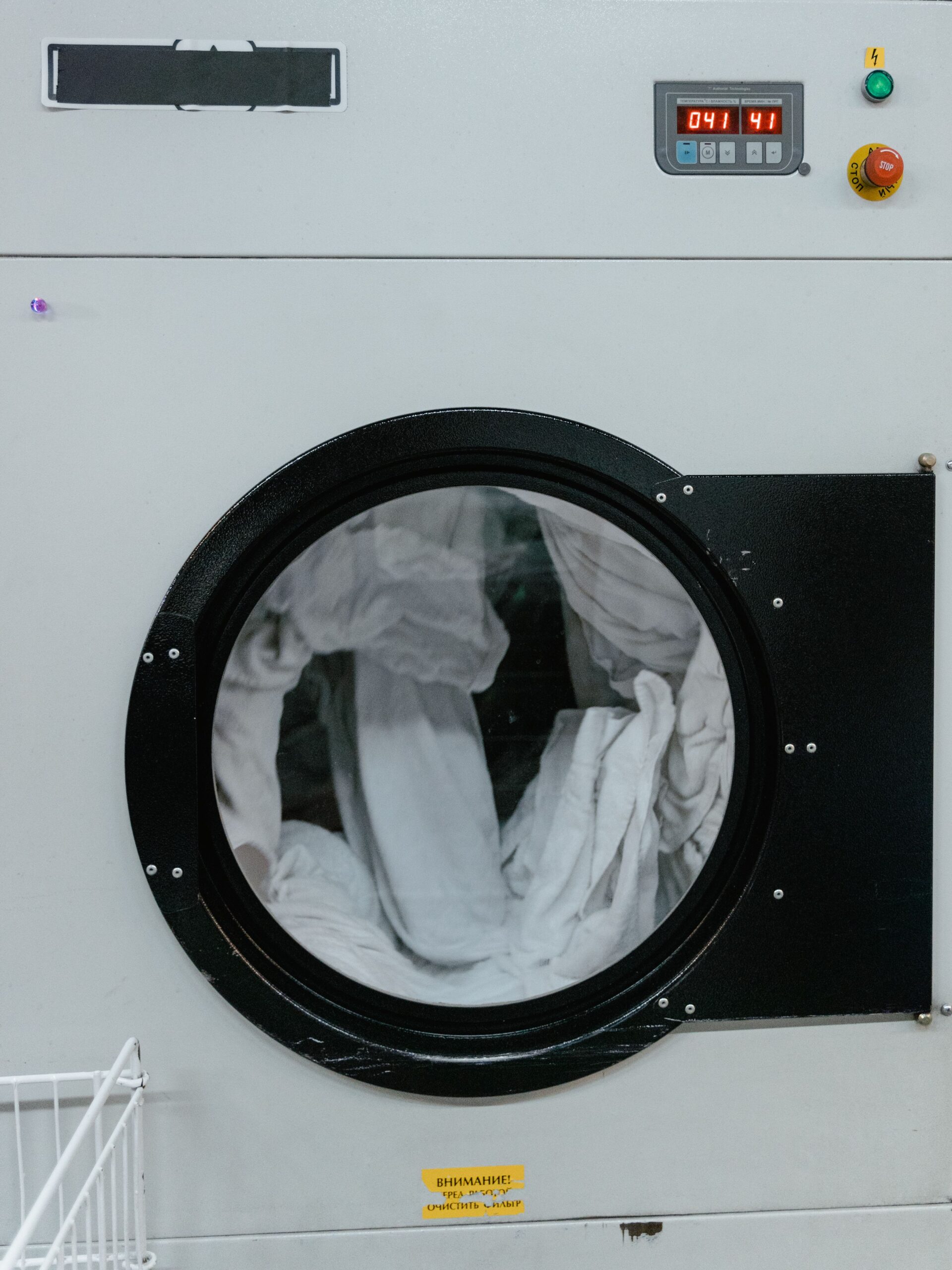
After a wash cycle drains, microfiber-containing water usually flows into a wastewater system. Treatment plants can remove a large share of suspended particles through settling, screening, filtration, and biological treatment, but they were not originally designed with plastic microfibers as a main target. Very small or flexible fibers can be difficult to capture completely. Some pass through treated effluent into rivers or coastal waters. Others are trapped in sewage sludge, which can create a different pathway if that material is applied to land.
This is why the route matters as much as the particle. A fiber that leaves a washing machine may not travel in a straight line to the ocean. It may settle in sludge, move through a river, attach to organic material, break into shorter pieces, or be carried by stormwater after land application. The details vary by local infrastructure, treatment technology, sewer design, and geography.
Researchers have also found that textile fibers are not only a water issue. Wearing, drying, and handling clothing can release fibers into indoor and outdoor air, where they may later settle onto floors, soil, or water. That does not make laundry unimportant. It makes laundry one visible part of a larger textile-shedding story.
Why Scientists Take Textile Microfibers Seriously
The International Union for Conservation of Nature drew wide attention to primary microplastics in a 2017 global assessment. Its analysis estimated that primary microplastics could make up 15 to 31 percent of plastic entering the oceans, with a large share coming from synthetic textiles and tire abrasion. The exact numbers are uncertain, and estimates can change as measurement methods improve, but the basic message is clear: plastic pollution is not only bottles, bags, and visible trash.
The European Environment Agency later summarized research suggesting that synthetic textiles may send roughly 200,000 to 500,000 tonnes of microplastics into the global marine environment each year. It also cited estimates that textile sources account for about 8 percent of European microplastics released to oceans and somewhere around 16 to 35 percent globally. Those ranges are wide because researchers are measuring extremely small particles across complicated systems, but even the low end points to a real pollution pathway.
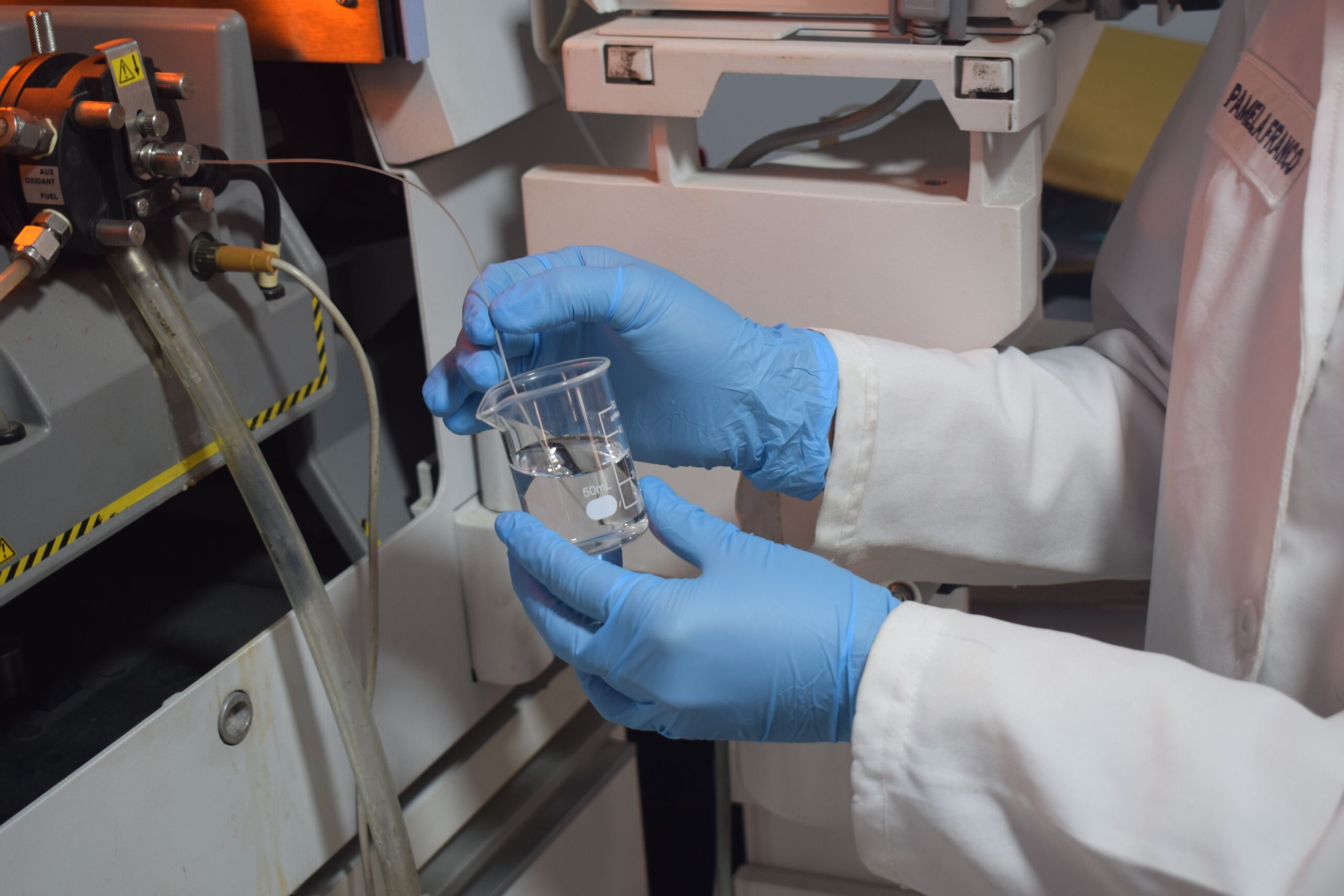
Microfibers can matter biologically because of their size and shape. A threadlike particle may be swallowed by small aquatic organisms or become tangled with other material. Larger animals can encounter fibers through food, sediment, or water. Scientists are still studying how different fiber types, additives, sizes, and exposure levels affect living organisms, so it would be careless to turn every microfiber into a simple health claim. The stronger point is that these particles are widespread, persistent, and difficult to remove once they spread.
What Makes Some Loads Shed More Than Others
Not every wash releases the same amount of fiber. Fabric type, garment age, construction quality, wash temperature, cycle length, detergent, load size, and machine design can all change shedding. A long, hot, high-friction cycle can stress fibers more than a shorter, cooler, gentler cycle. Powder detergent may increase abrasion in some studies, while other washing choices depend on the fabric and the machine.
New garments can shed more in early washes because manufacturing and finishing may leave loose fibers at the surface. Fast-fashion patterns can make that worse when clothing is bought, washed a few times, worn out quickly, and replaced. Short clothing lifespans mean more first washes, more low-durability fabrics entering the laundry stream, and more textile waste at the end.
Material choice also matters, though it is not as simple as saying natural fibers are always harmless. Cotton, wool, and rayon can shed fibers too, and dyes or chemical finishes can affect how those fibers behave. The sharper distinction is persistence. Synthetic fibers are plastic-based, so they are more likely to remain as microplastic pollution. A practical response has to look at both the fabric and the whole life of the garment.
How People and Designers Can Reduce Shedding
The most direct household choices are modest but useful. Washing clothes only when they actually need it reduces total cycles. Full but not overloaded loads reduce unnecessary friction. Cooler water, gentler cycles, and lower spin settings can help protect fabric structure when they still clean the clothes properly. Air drying can also reduce wear from heat and tumbling, though drying can release fibers into lint and air as well.
Capture devices are another option. Some laundry bags, balls, and external filters are designed to trap fibers before they leave the machine. Their performance varies by product, fabric, installation, and maintenance, so they should not be treated as magic fixes. Filters also create a disposal question: captured lint and fiber waste should go into trash, not down the drain. Still, capturing fibers close to the source is easier than trying to collect them later from rivers or oceans.
Manufacturers have a larger role. Better yarns, tighter fabric structures, improved cutting and finishing, pre-washing controls at factories, and garments designed to last longer can reduce shedding before a shirt ever reaches a laundry room. Policy can push in the same direction by encouraging microfiber filtration, clearer textile standards, and research on test methods. The goal is not to make every household carry the whole burden. It is to design clothing and washing systems that leak fewer particles in the first place.
A Small Thread With a Long Path
Laundry microfibers are easy to miss because they do not look like the plastic pollution people are used to seeing. They are not a bottle on a beach or a bag stuck in a tree. They are tiny threads leaving familiar clothes through a familiar machine. That ordinary setting is exactly why the issue deserves attention.
Synthetic clothing is useful, affordable, light, stretchy, and often durable. The question is how to keep those benefits while reducing the invisible waste that comes with repeated washing and wearing. Better habits can help. Better filters can help. Better textile design can help even more. The lesson is not that laundry should become a source of guilt. It is that small material choices, repeated often enough, can become environmental systems, and systems can be redesigned.