 Akshay Dinesh
The smell of pumpkin spice can make a room feel like autumn before anyone has taken a bite. That is partly because the blend is built from powerful spices, and partly because smell is tied closely to memory. Cinnamon, cloves, nutmeg, ginger, and allspice release tiny airborne molecules that reach scent receptors high inside the nose. The brain does the rest, connecting those signals with pies, coffee drinks, cool weather, family kitchens, bakeries, and holiday routines.
The surprising part is that pumpkin itself is not the main source of the famous smell. Plain pumpkin has a mild, earthy, squash-like flavor. The stronger impression comes from the spices historically used to season pumpkin pie. Over time, the spice blend became a shortcut for the whole experience, so a smell that began as pie seasoning now signals an entire season.
The Blend Is Built From Aromatic Molecules
Spices smell strong because many of their key flavor compounds are volatile. In chemistry, volatile does not mean dangerous; it means a substance can evaporate easily enough for its molecules to move into the air. When cinnamon powder, grated nutmeg, crushed cloves, or ground ginger warms in a drink or baked good, more of those molecules escape and drift toward the nose.
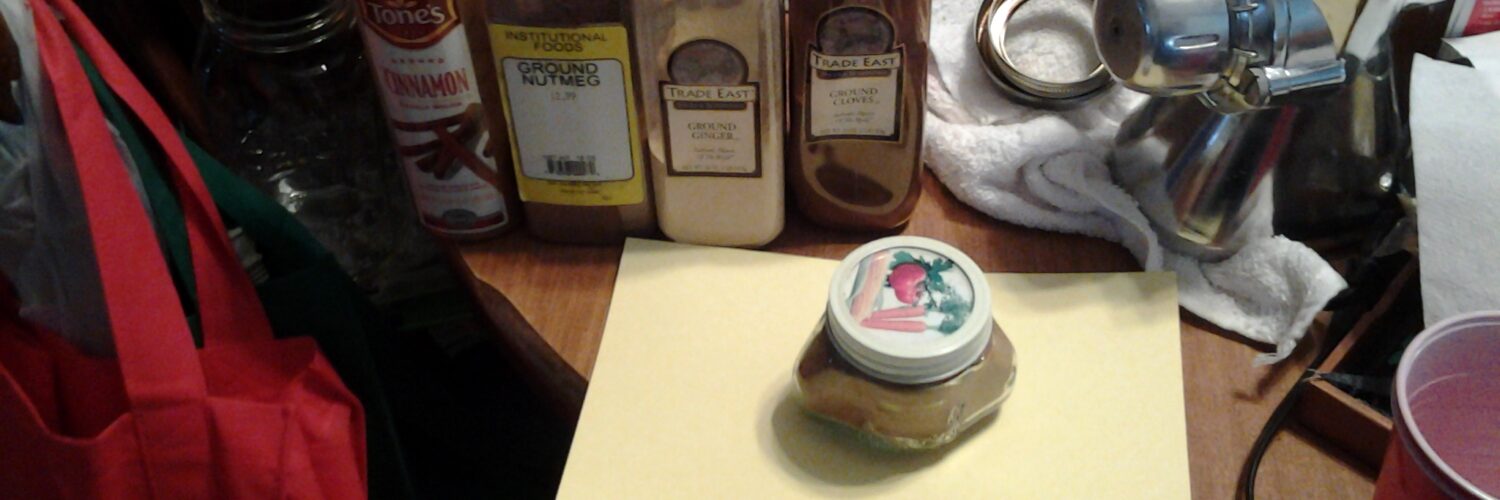
Chemical & Engineering News, published by the American Chemical Society, has described pumpkin spice as a blend whose familiar aroma depends on recognizable molecules from several spices. Cinnamon is rich in cinnamaldehyde, a compound with a sweet, woody, sharp scent. Cloves bring eugenol, which smells warm, spicy, and slightly medicinal. Nutmeg contains compounds such as sabinene and myristicin that add a nutty, resinous edge. Ginger contributes zingiberene and related molecules that make the blend feel bright and gently biting.
Each molecule has its own shape, size, and chemical properties. That is why cinnamon does not smell like clove, even though both feel warm and spicy. The nose is not reading a single pumpkin-spice molecule. It is reading a pattern, like a chord made from several notes.
Why Heat Makes the Smell Stronger
Pumpkin spice often appears in warm foods: pie filling, muffins, oatmeal, lattes, pancakes, and baked squash dishes. Heat matters because it increases molecular motion. As temperature rises, more aroma molecules leave the food and enter the air, which is why a cold spice jar smells noticeable but a warm pie smells much stronger.
Grinding matters too. A whole cinnamon stick or clove bud keeps many aromatic oils locked inside plant tissue. Crushing or grinding breaks those structures open, exposing more surface area. That is useful for flavor, but it is also why ground spices lose strength over time. The same volatility that lets them smell wonderful also lets their aroma slowly fade while the jar sits on a shelf.
Fat and water change the experience as well. Some aroma molecules dissolve better in fat than in water, so butter, cream, milk, and egg-rich custards can hold and release spice flavors differently from plain water. Sugar softens sharpness by changing the overall taste balance, even though it does not erase the aroma chemistry. Salt, vanilla, and caramelized flavors can make the blend feel rounder and deeper.
The Brain Turns Smell Into Season
Smell is unusually good at pulling up associations. Odor signals travel through brain areas involved in emotion and memory, which helps explain why a familiar scent can feel immediate and specific. A spice blend does not simply announce its molecules. It arrives with context: the time of year, the place where someone first noticed it, and the foods or people connected to it.
That memory link is one reason pumpkin spice feels more seasonal in September or October than it might in March. The molecules are the same, but the surroundings change the meaning. Cooler air, shorter days, school routines, fall displays, and holiday foods all help teach the brain what the scent is supposed to mean. After enough repetition, the aroma becomes a signal before anyone thinks through the ingredients.
Marketing and food culture also reinforce the connection, but they did not invent it from nothing. The spices were already tied to preserved harvest foods, winter baking, and festive desserts. Modern drinks and packaged foods simply made the cue louder and more portable. A latte can carry the same aromatic memory that once came mostly from a pie cooling on a counter.
Why It Tastes Like Pumpkin Even Without Much Pumpkin
Flavor is more than taste buds. The tongue detects basic tastes such as sweetness, saltiness, sourness, bitterness, and umami, but much of what people call flavor comes from smell. When food is in the mouth, aroma molecules travel through the back of the throat into the nasal cavity. This retronasal smell is why a stuffy nose can make food taste flat.
That matters for pumpkin spice because pumpkin is naturally gentle. Cooked pumpkin or squash brings sweetness, moisture, and an earthy base, but the spices supply the recognizable high notes. If a food contains cinnamon, clove, nutmeg, ginger, sweetness, dairy richness, and a warm serving temperature, the brain may fill in the idea of pumpkin even when there is little or none present.
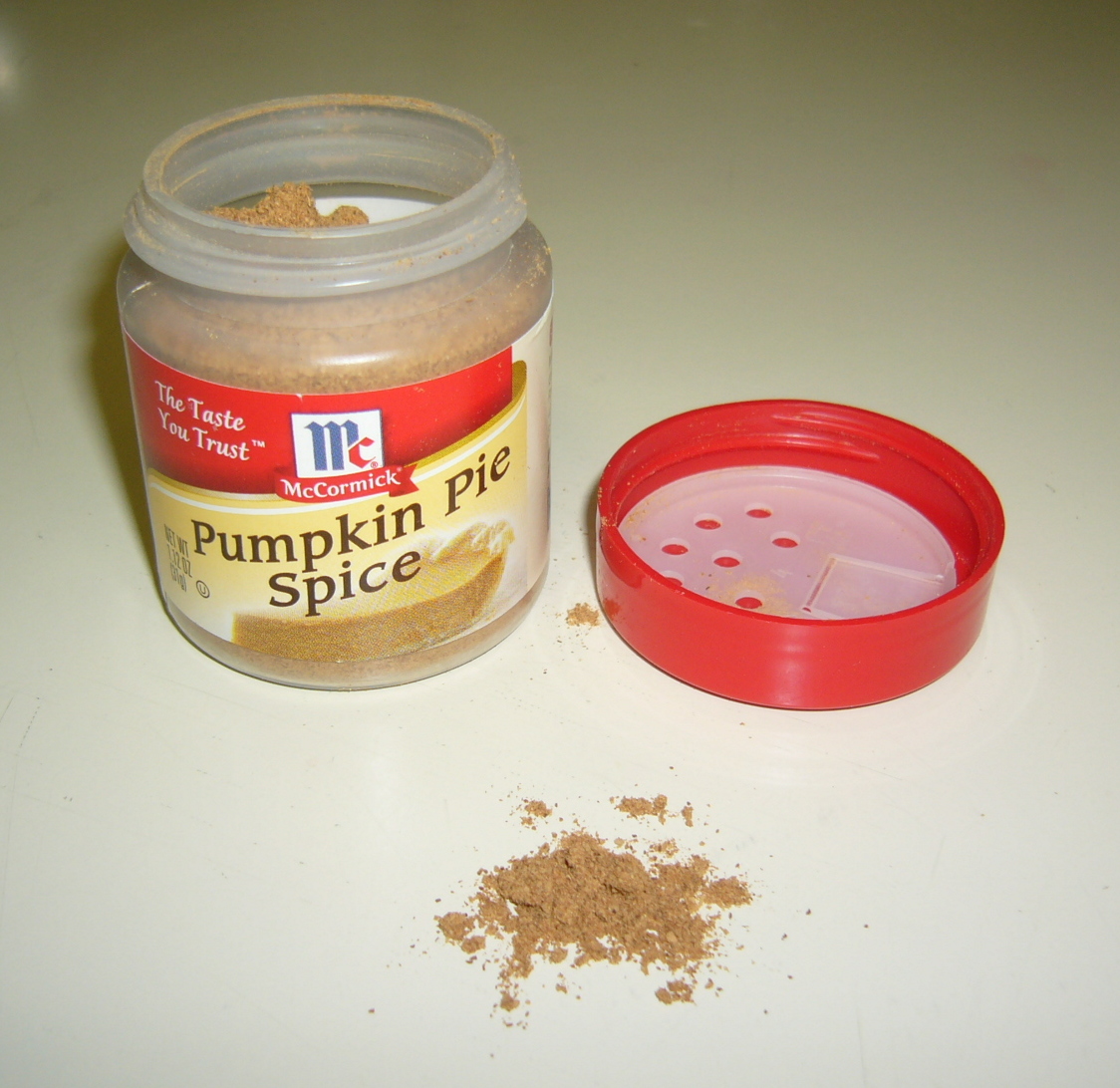
This is not a trick as much as a normal feature of perception. People recognize foods through patterns. Strawberry candy can seem strawberry-like without matching the complexity of a fresh berry. Vanilla can make milk taste sweeter even before extra sugar is added. Pumpkin spice works in a similar way: it activates a learned pattern that points toward a familiar dessert.
Balance Keeps the Blend From Turning Harsh
The same compounds that make pumpkin spice memorable can become overwhelming when the balance is off. Clove is a good example. Eugenol has a strong presence, so a little can make a blend feel warm and festive, while too much can make it taste medicinal or numbing. Nutmeg can add depth, but heavy use can make a food seem dusty or bitter.
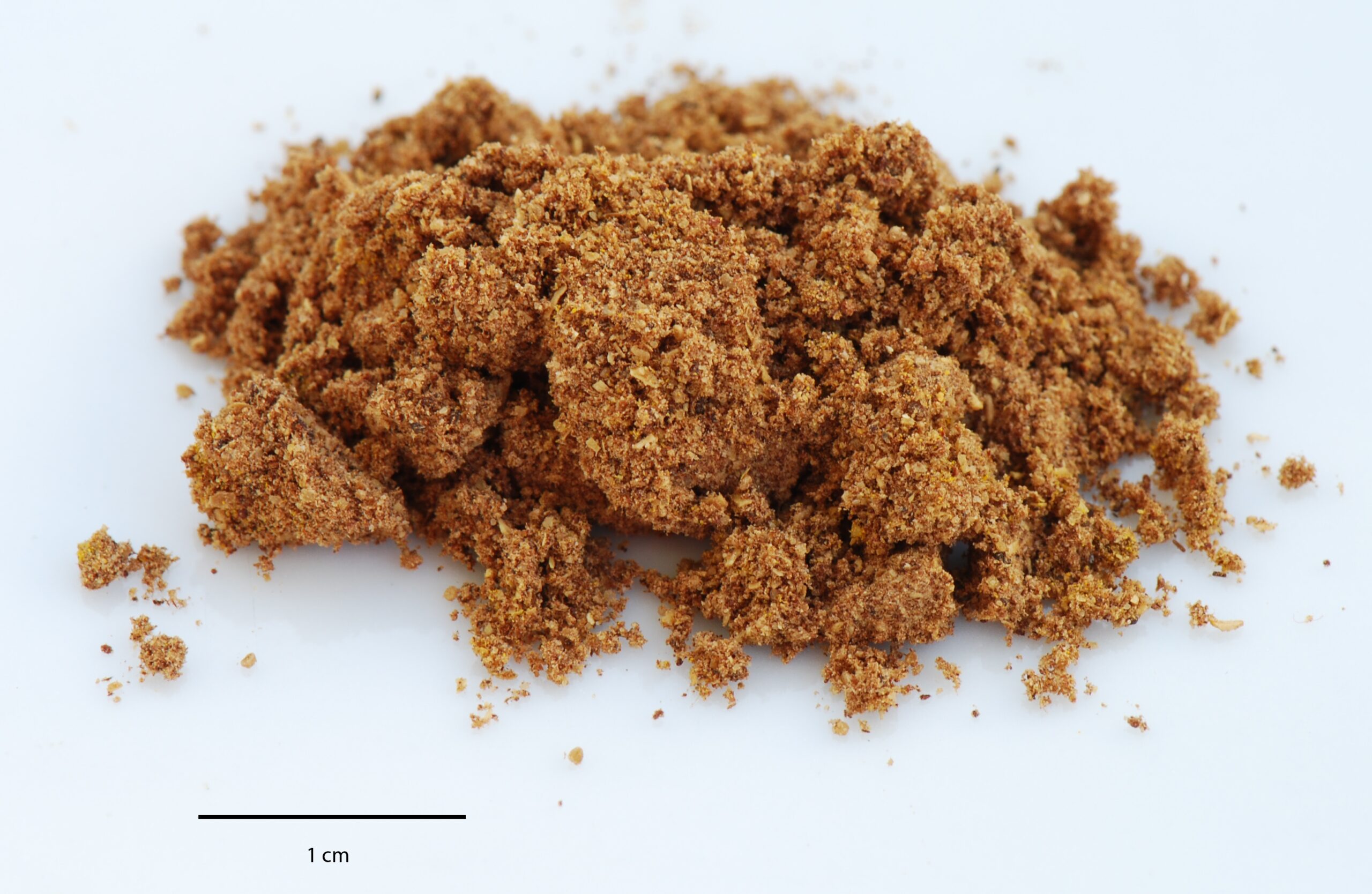
Cinnamon usually forms the broad base because its sweetness and warmth are easy to recognize. Ginger adds a sharper lift that keeps the blend from feeling flat. Allspice, when included, contributes clove-like and cinnamon-like notes of its own. Good pumpkin-spice flavor depends on proportion: enough complexity to feel rich, but not so much intensity that one spice shouts over the rest.
Freshness is another quiet part of balance. Older ground spices may still look the same, but they often smell duller because some volatile oils have escaped or oxidized. That is why freshly grated nutmeg can seem brighter than old powder and why a newly opened jar of cinnamon can change a recipe more than expected. Aroma chemistry is active even when nothing looks dramatic.
A Small Chemistry Lesson Hidden in a Familiar Smell
Pumpkin spice feels simple because it is familiar, but its effect depends on several layers working together. Plant molecules evaporate into the air. Heat speeds their release. The nose reads the mixture as a pattern. The brain connects that pattern to memory, food, weather, and habit. Then taste, texture, sweetness, and warmth complete the impression.
That is why the smell can seem larger than the spice jar. A few grams of ground seasoning can suggest a pie, a kitchen, a holiday, or the first cool week after summer. The chemistry is real, but so is the memory. Pumpkin spice smells like fall because molecules start the signal, and experience teaches the brain what that signal means.