
 Akshay Dinesh
Norovirus has a reputation for moving through households, schools, restaurants, camps, cruise ships, and care facilities with startling speed. Part of the reason is biological: a person does not need to swallow much virus to become sick, and an infected person can shed huge numbers of viral particles that are invisible without a microscope. Another part is ordinary human life. People share meals, touch the same counters and door handles, care for one another, and return to routines before every contaminated surface has been cleaned.
The Centers for Disease Control and Prevention describes norovirus as the leading cause of vomiting and diarrhea from acute gastroenteritis in the United States. It is also the leading cause of foodborne illness, causing an estimated 19 to 21 million illnesses in the country in an average year. CDC outbreak tracking for the 2025-2026 season listed 1,194 suspected or confirmed outbreaks reported by participating states from August 1, 2025, through May 7, 2026. Those numbers do not mean every case is counted; they show why public-health officials pay close attention to a virus that spreads efficiently even when most infections pass within a few days.
A tiny amount can be enough
Many germs need a fairly large dose before they are likely to cause illness. Norovirus is different. CDC guidance notes that an infected person can shed billions of norovirus particles and that only a few particles can make another person sick. That combination gives the virus a mathematical advantage. Even a small lapse in handwashing, cleaning, or food handling can move enough virus from one place to another.
Norovirus infects the digestive system, causing acute gastroenteritis, which means inflammation of the stomach and intestines. The most familiar symptoms are vomiting, diarrhea, stomach pain, and nausea. The illness often begins suddenly, which makes outbreaks harder to contain. A student may feel fine in the morning, become sick by afternoon, and already have touched desks, cafeteria surfaces, sports equipment, or shared devices before anyone realizes a virus is involved.
The virus also has more than one route into a new host. A person can become infected after eating food handled by someone who is sick, touching a contaminated surface and then touching the mouth, caring for someone who is vomiting or has diarrhea, or consuming food or water exposed to contamination earlier in the supply chain. This is why norovirus outbreaks can appear in places that otherwise seem clean and well run. The virus does not need visible dirt to travel.
How close contact turns one case into many
Norovirus spreads especially well where people spend time near one another. A sick child at home, a student in a dorm, a diner in a restaurant, or a resident in a long-term care facility can create many opportunities for transmission. Direct contact matters because vomit and stool can contain large amounts of virus. Caregiving, sharing utensils, touching the same bathroom surfaces, or helping someone clean up after illness can all move particles onto hands.
Vomiting is one reason outbreaks can grow so quickly. Tiny droplets can contaminate nearby surfaces, and people cleaning the area may touch objects that look harmless. A bathroom sink handle, a light switch, a bed rail, or a phone can become part of the chain. If the next person touches that surface and then eats a snack, bites a nail, or rubs their lips, the virus has found a path.
Schools and households are especially vulnerable because people often try to keep routines moving. Families still need meals. Students still need bathrooms, buses, and shared spaces. A person may begin to feel better after a short illness, but surfaces and hands can remain part of the spread if cleanup is incomplete or food is prepared too soon after symptoms stop. The biology of the virus and the pressure of daily life reinforce each other.
Food can spread the virus without looking unsafe
Norovirus is often discussed as a stomach bug, but it is also a major foodborne pathogen. Food does not have to smell strange, look spoiled, or taste unusual to carry it. The problem is usually not that the food has visibly gone bad. The problem is that tiny viral particles can reach ready-to-eat food through unwashed hands, contaminated surfaces, contaminated water, or droplets from nearby vomiting.

Ready-to-eat foods are a particular concern because they may not be cooked again before serving. Salads, sandwiches, cut fruit, baked goods, and garnishes can all become vehicles if touched by contaminated hands. Shellfish such as oysters can also be risky when harvested from contaminated water because they filter water as they feed. Cooking, hand hygiene, and safe sourcing all matter, but the biggest everyday lesson is simple: a food can look perfectly normal and still carry a microscopic hazard.
This is also why food workers and home cooks are asked not to prepare food for others while sick and for a period after symptoms stop. The issue is not blame. A person can be careful, responsible, and still shed virus. Public-health rules exist because the safest food-handling decision is often made before anyone touches the cutting board.
Why soap and water beat sanitizer alone
Hand sanitizer is useful against many germs, but CDC prevention guidance is clear that it does not work well against norovirus and should not replace handwashing with soap and water. The reason is partly structural. Norovirus is a non-enveloped virus, which means it lacks the fatty outer membrane that alcohol-based sanitizers can disrupt in many other viruses. Sanitizer may reduce some germs on the skin, but it is not the strongest tool for this one.
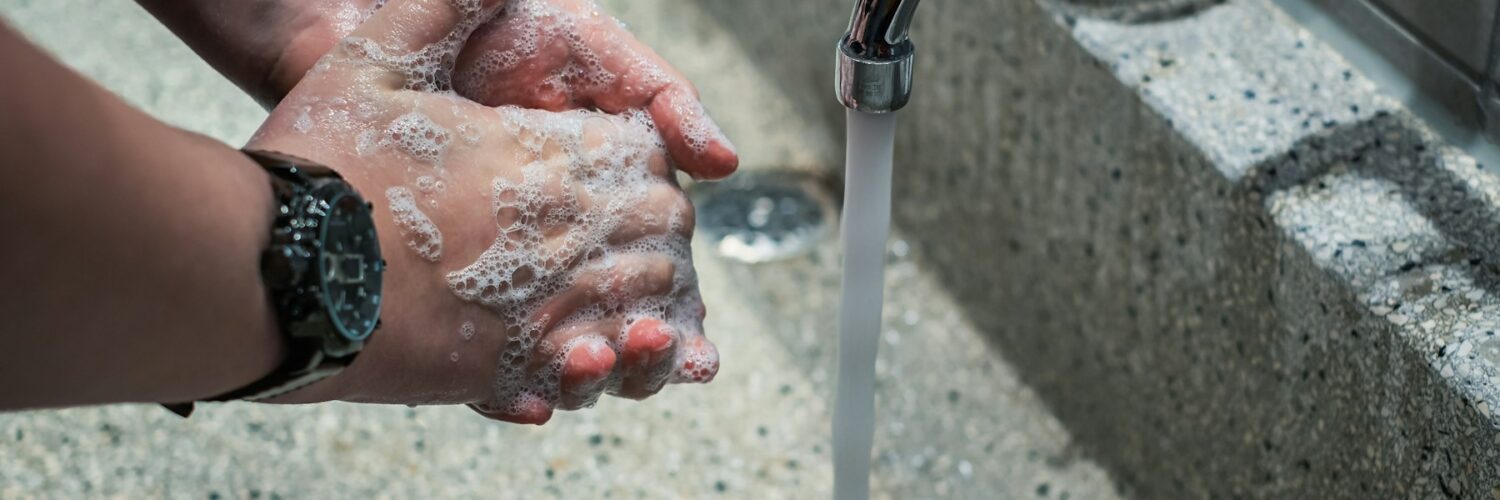
Soap-and-water handwashing works differently. Soap helps loosen material from the skin, and rubbing creates friction that lifts particles from fingertips, palms, between fingers, under nails, and around the wrists. Running water then carries the loosened material away. The goal is removal, not just chemical attack. That is why the details matter: enough time, enough rubbing, and enough attention to the parts of the hands that touch food and faces most often.
Good handwashing is most important after using the bathroom or changing diapers, before eating, and before preparing or handling food. It is also important after caring for someone who is sick or cleaning a contaminated area. In a real outbreak, these moments matter more than a general feeling of cleanliness. A quick rinse may make hands feel better, but it may not remove enough particles to interrupt transmission.
Surfaces, cleanup, and the hidden chain of transmission
Norovirus can persist on surfaces long enough for cleanup to matter. A contaminated bathroom counter, cafeteria table, classroom desk, or kitchen handle can keep the outbreak chain moving if it is only wiped casually. Cleaning and disinfecting are related but not identical. Cleaning removes visible dirt and material. Disinfecting uses an appropriate product, at the right concentration and contact time, to inactivate germs that remain.
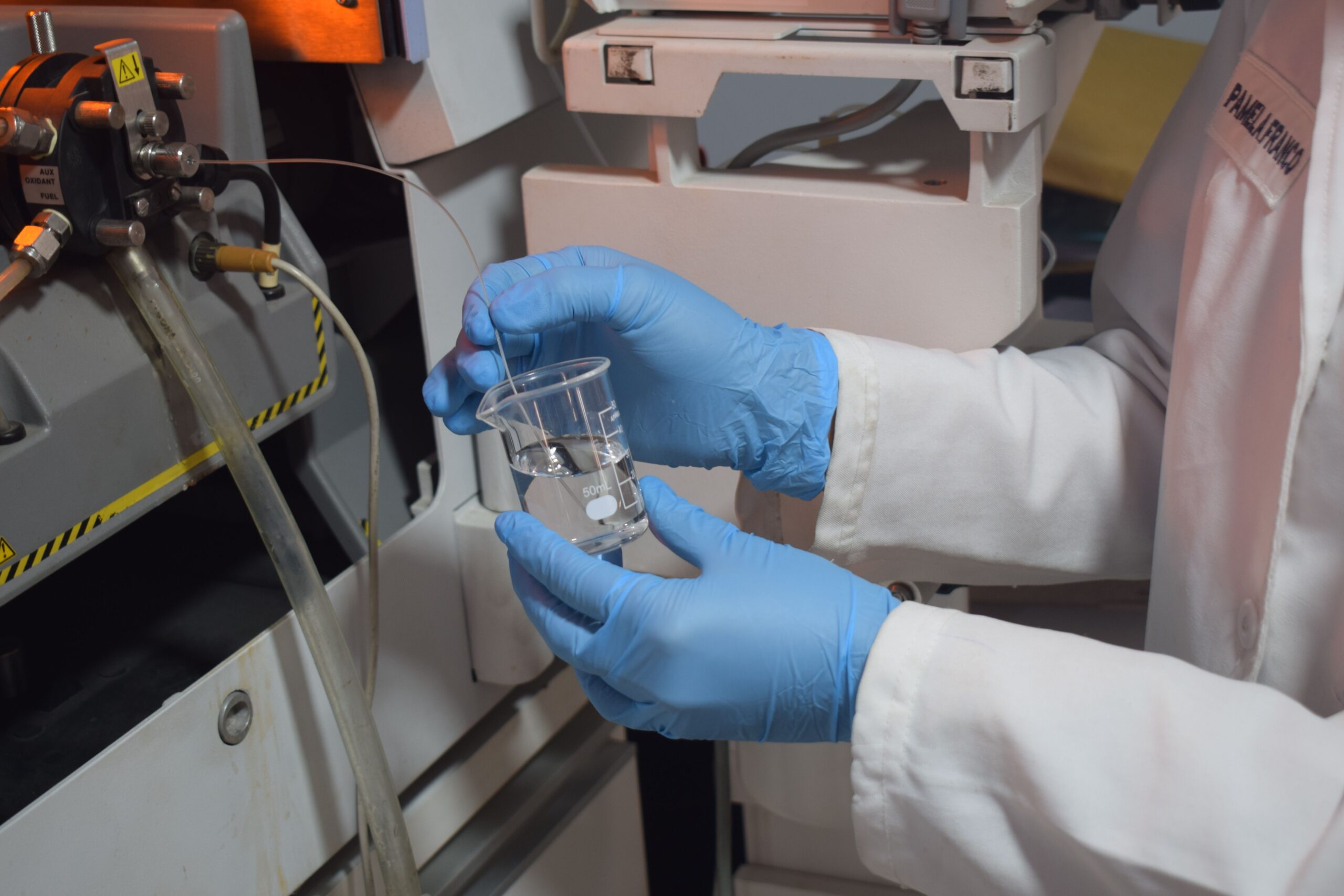
Vomiting or diarrhea accidents need especially careful cleanup because they can spread many particles at once. Public-health agencies often recommend bleach-based disinfectants or products specifically shown to work against norovirus, used according to label directions. The label matters because a surface may need to stay wet for a certain amount of time before the disinfectant has done its job. Wiping and immediately drying the surface can leave too much virus behind.
Laundry can also become part of the chain. Towels, bedding, and clothing touched by vomit or stool should be handled carefully, washed thoroughly, and dried fully. Again, the point is not fear. It is to understand that norovirus spreads through ordinary objects when microscopic particles ride along unnoticed.
What makes prevention realistic
Norovirus is difficult to stop because it is efficient, not because prevention is mysterious. The strongest habits are concrete: wash hands with soap and water at the right moments, keep sick people away from food preparation, clean contaminated areas carefully, wash affected laundry, and avoid sharing utensils or close contact during the most contagious period. These steps work best when people understand the reason behind them.
The lesson from norovirus is larger than one unpleasant illness. A virus can reshape a classroom, family, restaurant shift, or care facility through small transfers that no one can see. Good hygiene is not just a personal habit; it is a way of breaking a chain. When soap, water, careful food handling, and proper cleanup are used together, they make it much harder for a few invisible particles to become a full outbreak.





Add comment