
 Akshay Dinesh
COVID-19 vaccines are no longer a brand-new scientific breakthrough, but they remain an important example of how modern immunology responds to a changing virus. The first vaccines were developed under extraordinary pressure in 2020, when researchers, regulators, and manufacturers were trying to reduce severe illness as quickly as possible. Since then, the virus that causes COVID-19 has continued to evolve, and vaccine guidance has changed with it.
The most useful way to understand these vaccines is not as a one-time shield that blocks every infection. They are better understood as training for the immune system. Vaccination helps the body recognize a key part of SARS-CoV-2, respond faster after exposure, and lower the chance that an infection becomes severe. That protection can fade over time, and variants can partly change the target, which is why updated formulas and seasonal recommendations now matter.
What COVID-19 Vaccines Teach the Immune System
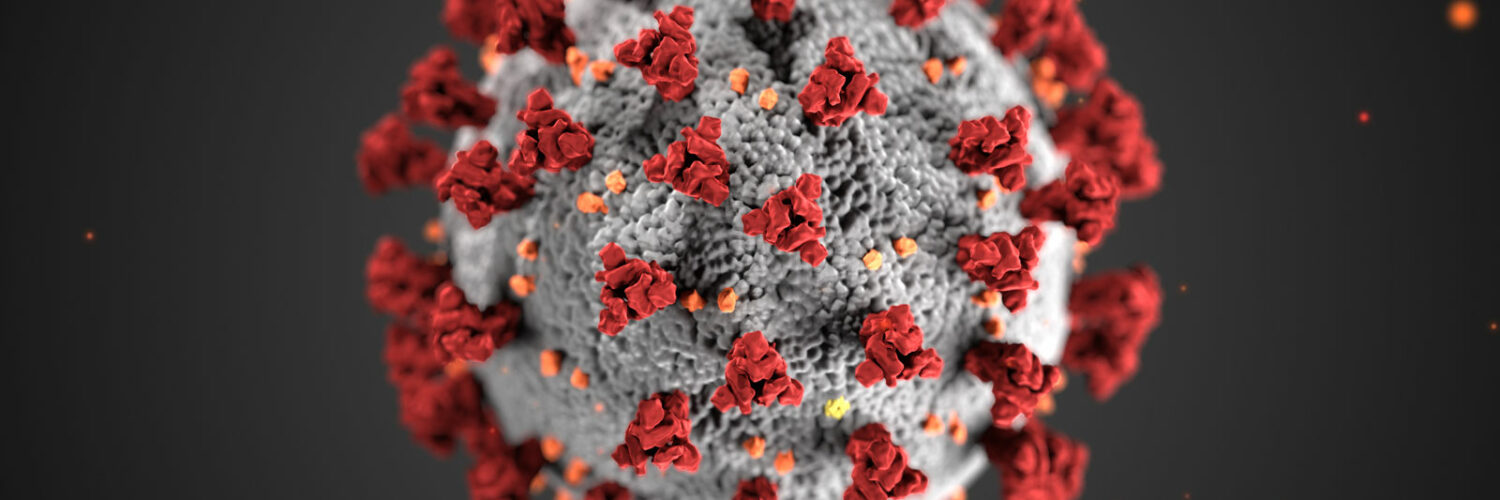
SARS-CoV-2 enters human cells partly through a structure called the spike protein. Early COVID-19 vaccines focused on that protein because it sits on the outside of the virus and gives the immune system a visible target. After vaccination, the body can make antibodies that recognize the spike protein and immune cells that help coordinate a broader response.
That immune response does not mean a vaccinated person can never test positive. Respiratory viruses often begin multiplying in the nose and throat before the immune system has fully stopped them. The goal is to make the body less surprised. A faster immune response can shorten the infection, reduce the amount of virus that spreads through the body, and lower the risk of hospitalization or death, especially for people who are older or have medical conditions that raise their risk.
Vaccines also help create immune memory. Some antibodies decline after vaccination or infection, but memory B cells and T cells can remain and respond later. That is one reason protection against severe disease can last longer than protection against mild infection. It is also why a person’s vaccination history, past infections, age, and immune health all affect how much protection they may have at a given time.
The Main Vaccine Platforms
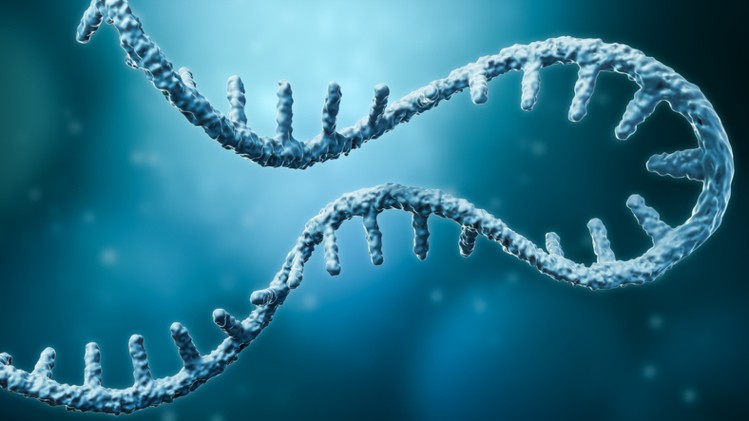
The best-known COVID-19 vaccines use mRNA technology. Pfizer-BioNTech and Moderna vaccines give cells temporary instructions for making a harmless version of the spike protein. The mRNA does not enter the nucleus of the cell and does not change DNA. After the instructions are used, the mRNA breaks down. The immune system responds to the spike protein and keeps a record of what it has learned.
Protein-based vaccines take a different route. Novavax uses a prepared version of the spike protein, along with an adjuvant that helps alert the immune system. This platform is more similar in concept to some older vaccine approaches because the body receives the protein target directly rather than making it from mRNA instructions.
Earlier in the pandemic, viral vector vaccines also played a major role in many countries. These vaccines used a harmless carrier virus to deliver genetic instructions for the spike protein. Johnson & Johnson and Oxford-AstraZeneca vaccines were examples of this approach. Over time, vaccine availability and recommendations shifted by country as regulators reviewed effectiveness, safety signals, variant changes, and manufacturing supply.
Effectiveness Changes With Time and Variants
Early clinical trials showed strong protection against symptomatic COVID-19 caused by the original strain of the virus. Those numbers were important, but they belonged to a specific moment. Later variants, including Omicron and its descendants, changed the situation. The virus became better at spreading and better at slipping past some antibodies, so protection against mild infection became less durable.
That does not mean the vaccines stopped working. A vaccine can lose some ability to prevent any infection while still reducing the chance of severe disease. Public health researchers usually look at several outcomes separately: infection, symptomatic illness, emergency visits, hospitalization, intensive care, and death. For COVID-19, the strongest and most important protection has generally been against the most severe outcomes.
Time matters too. Immune protection can weaken months after vaccination or infection, especially antibody levels that help block infection near the start. Older adults and people with weakened immune systems may also have a less durable response. That is why public health agencies have repeatedly updated dose timing for higher-risk groups rather than treating every person’s risk as identical.
Why Updated Vaccine Formulas Are Used
Influenza vaccines are updated because flu viruses change. COVID-19 vaccines now follow a similar idea, although the exact schedule and decision process are different. Regulators and scientific advisory groups review which SARS-CoV-2 lineages are circulating and which vaccine antigen is most likely to match them. The “antigen” is the target that the vaccine presents to the immune system.
For vaccines used in the United States beginning in fall 2025, the Food and Drug Administration advised manufacturers to use a monovalent JN.1-lineage formula, preferably targeting the LP.8.1 strain. The World Health Organization’s vaccine composition group also identified monovalent LP.8.1 as the latest recommended antigen in May 2026, while noting that vaccination should not be delayed if a suitable previously recommended JN.1-lineage vaccine is available.
This updating process can sound confusing because variant names change quickly. The main point is simpler: vaccine formulas are adjusted so the immune system practices against a version of the virus that is closer to what people are likely to encounter. No formula can perfectly predict the future, but a closer match can improve the usefulness of the immune response.
Safety Monitoring and Side Effects
Common side effects after COVID-19 vaccination include a sore arm, tiredness, headache, chills, fever, muscle aches, or swollen lymph nodes. These reactions usually reflect the immune system responding to the vaccine and often improve within a few days. Some people feel very little after a dose, while others feel temporarily worn out.
Rare side effects are monitored closely because vaccination programs involve millions of people. For example, myocarditis and pericarditis, which are forms of heart inflammation, have been reported rarely after mRNA vaccination, especially in adolescent and young adult males. Severe allergic reactions can also occur rarely after many vaccines and medicines. Safety systems such as the CDC and FDA’s Vaccine Adverse Event Reporting System and other active monitoring programs help researchers look for patterns that might not appear in smaller clinical trials.
Good vaccine education should hold two ideas together. First, COVID-19 vaccines have been studied and monitored on a very large scale. Second, individual risk is not the same for everyone. A healthy young adult, an older adult, a pregnant person, and someone taking immune-suppressing medicine may face different balances of risk and benefit. That is why current guidance often emphasizes checking up-to-date recommendations and, when needed, discussing personal questions with a qualified health professional.
How Recommendations Have Changed
In the early pandemic, broad vaccination recommendations were designed for a world with little population immunity and high risk of severe waves. By 2025 and 2026, the situation was different. Many people had some immunity from vaccination, infection, or both, while the greatest risk of severe disease remained concentrated among older adults and people with certain health conditions.
CDC clinical guidance for the 2025-2026 vaccine season shifted toward individual-based decision-making for people ages 6 months and older, with special attention to those at increased risk for severe COVID-19. The recommended product and number of doses depend on age, immune status, and vaccination history. That kind of guidance can change, so older vaccine articles are especially risky when they list fixed eligibility rules without dates or context.
The lasting lesson is that COVID-19 vaccination is not only a story about one disease. It shows how vaccine science, immune memory, virus evolution, safety monitoring, and public health decisions fit together. A vaccine is a biological tool, not a guarantee. Its value depends on the virus, the person receiving it, the timing of the dose, and the health goal being measured. Understanding those pieces makes the changing guidance easier to follow and the science much less mysterious.





Add comment